

Understanding Cryptocurrency in 2025
Cryptocurrency has evolved from an experimental technology into a mainstream financial instrument that millions of people worldwide use for transactions, investments, and wealth building. As of 2025, the total cryptocurrency market capitalization has surpassed four trillion dollars for the first time, signaling unprecedented growth and institutional acceptance. Digital currencies represent a fundamental shift in how we think about money, operating independently of traditional banking systems and government control through decentralized blockchain networks.
The cryptocurrency landscape has matured significantly, with approximately 861 million global users expected by the end of 2025. Major financial institutions now actively participate in the crypto ecosystem, with products like BlackRock’s iShares Bitcoin Trust accumulating over fifty billion dollars in assets within less than a year of launching. This institutional adoption, combined with improving regulatory frameworks and technological advancements, has transformed cryptocurrencies from niche digital assets into legitimate investment vehicles that financial advisors increasingly recommend to their clients.
Understanding cryptocurrency requires grasping several fundamental concepts that distinguish digital currencies from traditional money. Unlike physical cash or bank account balances, cryptocurrencies exist purely in digital form, secured by advanced cryptographic techniques that make them extremely difficult to counterfeit or manipulate. These digital assets operate on blockchain technology, which functions as a transparent, tamper-resistant public ledger that records every transaction across a distributed network of computers rather than relying on a single centralized authority.
What Makes Cryptocurrency Different from Traditional Money
Cryptocurrency operates on principles that fundamentally differentiate it from fiat currencies issued by governments and regulated by central banks. Traditional money derives its value from government backing and legal tender status, while cryptocurrencies gain value through network effects, technological utility, scarcity programmed into their protocols, and market demand dynamics. The decentralized nature of cryptocurrency means no single institution controls the supply or validates transactions, instead distributing these functions across a global network of participants.
The blockchain technology underpinning cryptocurrencies creates an immutable record of ownership and transactions. Each block in the chain contains transaction data, timestamps, and cryptographic links to previous blocks, forming an unbreakable sequence that becomes nearly impossible to alter retroactively. This architecture eliminates the need for trusted intermediaries like banks or payment processors, enabling peer-to-peer transactions that settle in minutes or seconds rather than the days often required by traditional banking systems.
Cryptographic security forms the backbone of cryptocurrency operations. When users initiate transactions, they use private keys to digitally sign and authorize transfers, while public keys function like account numbers that others can use to send funds. This asymmetric cryptography ensures that only the rightful owner can spend their cryptocurrency, while anyone can verify transactions occurred legitimately. Advanced hashing algorithms convert transaction data into unique digital fingerprints that would require astronomical computational power to reverse engineer or falsify.
How Blockchain Technology Powers Digital Currency
Blockchain technology represents one of the most significant technological innovations of the twenty-first century, creating a foundation for trustless digital interactions. The blockchain operates as a distributed ledger maintained simultaneously across thousands of computers worldwide, with each node storing an identical copy of the transaction history. When someone initiates a cryptocurrency transaction, it broadcasts to the entire network where specialized computers called miners or validators verify its legitimacy according to predetermined protocol rules.
The consensus mechanism determines how the network agrees on which transactions are valid and should be added to the blockchain. Bitcoin pioneered the Proof of Work system, where miners compete to solve complex mathematical puzzles, with the winner earning the right to add the next block and receive newly minted cryptocurrency as reward. Ethereum transitioned to Proof of Stake, where validators lock up cryptocurrency as collateral and are selected to create blocks based on their stake size and other factors, dramatically reducing energy consumption while maintaining security.
Once validated, transactions group into blocks that connect cryptographically to the previous block, creating an unchangeable historical record. Attempting to alter past transactions would require recalculating all subsequent blocks and controlling the majority of the network’s computing power simultaneously, making fraud economically impractical on established blockchain networks. This immutability makes blockchain ideal for applications requiring transparent, verifiable records beyond just currency, including supply chain tracking, digital identity management, and smart contract execution.
Major Types of Cryptocurrencies Available Today
The cryptocurrency ecosystem has diversified far beyond Bitcoin, with over seventeen thousand different digital currencies existing in 2025. These cryptocurrencies serve various purposes and employ different technological approaches, creating a complex marketplace where understanding the distinctions between asset types becomes crucial for informed participation. Cryptocurrencies broadly divide into several categories based on their functionality, underlying technology, and intended use cases.
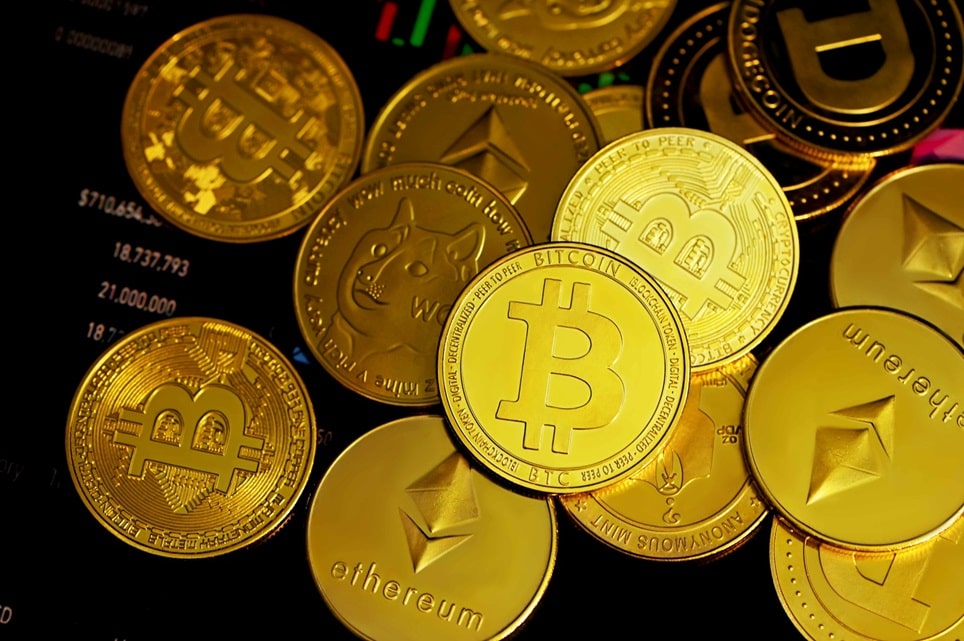
Bitcoin remains the undisputed leader and most recognizable cryptocurrency, often called digital gold due to its store of value characteristics. Created in 2009 by the pseudonymous Satoshi Nakamoto, Bitcoin introduced the world to blockchain technology and decentralized digital currency. With a fixed maximum supply of twenty-one million coins, Bitcoin’s scarcity combined with growing institutional adoption has driven its value appreciation over the years. As of November 2025, Bitcoin trades above eighty-six thousand dollars with a market capitalization exceeding one point seven trillion dollars, cementing its position as the benchmark against which all other cryptocurrencies are measured.
Ethereum represents the second-largest cryptocurrency and introduced revolutionary smart contract functionality that enables developers to build decentralized applications on its blockchain. Unlike Bitcoin’s primary focus on peer-to-peer payments, Ethereum created a programmable blockchain platform where developers can deploy self-executing contracts that automatically enforce agreement terms without intermediaries. This innovation spawned entire industries including decentralized finance, which allows users to borrow, lend, and earn interest on cryptocurrencies without traditional banks, and non-fungible tokens that verify digital ownership of unique items.
Altcoins and Their Unique Purposes
Altcoins, a term encompassing all cryptocurrencies besides Bitcoin, have proliferated to address specific use cases or improve upon Bitcoin’s perceived limitations. Solana has emerged as a high-performance blockchain capable of processing approximately sixty-five thousand transactions per second through its innovative Proof of History consensus mechanism combined with Proof of Stake. This speed and low transaction costs have made Solana popular for decentralized applications, particularly in the gaming and DeFi sectors, earning it the nickname of Ethereum killer among some enthusiasts.
Ripple’s XRP focuses specifically on facilitating international payments and settlements for financial institutions, offering transactions that complete in seconds compared to the hours or days traditional systems like SWIFT require. Cardano takes a research-driven approach to blockchain development, emphasizing peer-reviewed academic research and formal verification methods to create a more secure and scalable platform. Binance Coin originated as the native token of the Binance cryptocurrency exchange and has evolved into the backbone of the BNB Chain ecosystem, offering users reduced trading fees and access to various decentralized applications.
Stablecoins represent a crucial category designed to minimize the volatility that characterizes most cryptocurrencies. Tether and USD Coin maintain values pegged to the US dollar through various mechanisms, serving as stable mediums of exchange and entry points into decentralized finance. These stable assets enable traders to move between volatile cryptocurrencies and stable values without exiting to traditional banking systems, while also facilitating everyday transactions where price stability matters. The stablecoin sector has seen explosive growth, with active wallets jumping fifty-three percent year-over-year to reach thirty million by February 2025.
Understanding Cryptocurrency Market Dynamics
Cryptocurrency markets operate twenty-four hours a day, seven days a week, creating continuous trading opportunities but also exposing investors to round-the-clock volatility. Unlike traditional stock markets with defined trading hours and circuit breakers to halt extreme moves, crypto markets never sleep, meaning prices can swing dramatically while investors sleep or are otherwise unable to monitor their positions. This constant activity reflects the global, borderless nature of cryptocurrencies, with trading volumes distributed across exchanges worldwide.
Market cycles in cryptocurrency follow patterns influenced by multiple factors including halving events that reduce Bitcoin mining rewards approximately every four years, creating supply shocks that historically precede price rallies. Regulatory developments significantly impact market sentiment, with favorable regulations typically boosting prices while restrictive policies can trigger selloffs. Institutional adoption continues growing as a major driver, with corporations adding Bitcoin to their balance sheets and traditional financial institutions launching cryptocurrency products and services.
Altcoin season refers to periods when capital flows from Bitcoin into alternative cryptocurrencies, typically occurring after Bitcoin establishes new price levels and investors seek higher returns from smaller-cap assets. During these phases, altcoins can deliver explosive gains as speculation intensifies, though they also carry substantially higher risk. The altcoin season index measures when seventy-five percent of the top fifty cryptocurrencies outperform Bitcoin over ninety days, providing traders with quantitative signals about market rotation patterns.
How to Get Started with Cryptocurrency Investing
Beginning your cryptocurrency journey requires understanding several foundational steps that establish secure, informed participation in digital asset markets. The first consideration involves determining your investment goals, risk tolerance, and time horizon, as these factors should guide which cryptocurrencies you consider and how much capital you allocate. Cryptocurrency investing carries significant risks including extreme volatility, regulatory uncertainty, and technological complexity, making it essential to never invest more than you can afford to lose completely.
Selecting a reputable cryptocurrency exchange represents your gateway into the digital asset ecosystem. Centralized exchanges like Coinbase, Binance, and Kraken offer user-friendly interfaces where beginners can easily purchase cryptocurrencies using traditional payment methods including bank transfers, debit cards, and credit cards. These platforms provide the liquidity needed for smooth transactions and typically include educational resources, market analysis tools, and customer support to help newcomers navigate the space. When evaluating exchanges, prioritize those with strong security track records, regulatory compliance in your jurisdiction, and insurance coverage protecting user funds.
The account setup process generally requires identity verification through Know Your Customer procedures, which involve uploading government-issued identification documents and proof of residence. While this verification step may seem cumbersome, it protects both the exchange and users from fraud while helping platforms comply with anti-money laundering regulations. After approval, you can deposit funds and place your first cryptocurrency purchase, starting with small amounts as you learn how the platform functions and become comfortable with the buying process.
Choosing Your First Cryptocurrencies
New investors typically benefit from beginning with established cryptocurrencies that have proven track records, substantial liquidity, and widespread adoption. Bitcoin and Ethereum represent the safest entry points due to their market dominance, institutional acceptance, and relatively lower volatility compared to smaller altcoins. These blue-chip cryptocurrencies provide exposure to the asset class while minimizing some of the extreme risks associated with newer, less-tested projects that may fail or turn out to be scams.
Research forms the foundation of sound cryptocurrency investment decisions. Before purchasing any digital asset, investigate its underlying purpose, technological innovation, development team credentials, and real-world use cases. Read the project’s whitepaper, which outlines its technical architecture and goals, and assess whether the cryptocurrency solves genuine problems or simply rides market hype. Examine the tokenomics, including total supply, distribution mechanisms, and inflationary or deflationary characteristics that influence long-term value.
Diversification within cryptocurrency portfolios helps manage risk while capturing opportunities across different blockchain ecosystems. Rather than concentrating all capital in a single cryptocurrency, consider allocating across multiple assets with different characteristics and use cases. A balanced portfolio might include a majority position in Bitcoin for stability and store of value, significant Ethereum holdings for smart contract exposure, and smaller allocations to promising altcoins like Solana or Cardano that offer growth potential. This approach spreads risk while maintaining exposure to the sector’s upside.
Cryptocurrency Wallet Types and Security
Cryptocurrency wallets don’t actually store coins but rather hold the cryptographic keys that prove ownership and enable transactions on the blockchain. Understanding wallet types and implementing proper security measures represents one of the most critical aspects of cryptocurrency ownership, as losing access to your private keys means permanently losing your funds with no recourse for recovery. The wallet landscape divides primarily into hot wallets connected to the internet and cold wallets that store keys offline.
Hot wallets provide convenient access for active traders and those making frequent transactions. These software-based solutions include mobile applications, desktop programs, and browser extensions that connect to the internet for real-time trading and transfers. MetaMask dominates as the leading hot wallet for Ethereum and compatible blockchains, offering seamless integration with decentralized applications and DeFi protocols. Trust Wallet, officially partnered with Binance, supports over ten million digital assets across numerous blockchain networks, while Exodus provides an intuitive interface popular among beginners.
The convenience of hot wallets comes with increased security risks, as internet connectivity exposes them to potential hacking attempts, phishing scams, and malware attacks. Users must implement strong security practices including enabling two-factor authentication, using complex unique passwords, keeping software updated, and remaining vigilant against phishing attempts that impersonate legitimate services to steal credentials. Never share your private keys or seed phrases with anyone, as possession of these grants complete control over your cryptocurrency holdings.
Cold Storage for Long-Term Holdings
Cold wallets store private keys completely offline, providing maximum security for long-term cryptocurrency holdings or large amounts that don’t require frequent access. Hardware wallets represent the most popular cold storage solution, utilizing physical devices that generate and store keys in secure, isolated environments immune to online threats. Ledger and Trezor stand as the industry leaders, offering devices that support thousands of cryptocurrencies while protecting keys through specialized secure element chips and PIN code access.
Ledger Nano X delivers Bluetooth connectivity allowing mobile management while keeping keys secure offline, supporting over fifty-five hundred cryptocurrencies and integrating with the Ledger Live application for portfolio tracking. The device requires physical confirmation for every transaction, preventing remote attacks even if your computer becomes compromised. Trezor devices feature open-source firmware that security researchers can audit, building trust through transparency while offering similar security guarantees at accessible price points starting around sixty dollars.
Tangem Wallet innovates with NFC-enabled smart cards that eliminate seed phrases entirely, instead using backup cards for recovery. These credit-card-sized devices offer ultimate portability and simplicity, requiring only a smartphone tap to authorize transactions. The air-gapped design means no USB, Bluetooth, or WiFi connections ever expose your keys to internet-based threats. For serious cryptocurrency investors, the best practice combines both wallet types, keeping the majority of holdings in cold storage while maintaining smaller amounts in hot wallets for regular use.
Backup and Recovery Best Practices
Creating secure backups of your wallet recovery information represents perhaps the single most important action for protecting your cryptocurrency investments. Most wallets generate a seed phrase, typically consisting of twelve or twenty-four random words, that can restore complete access to your funds even if you lose the device. This seed phrase must be written on paper or metal and stored in secure physical locations, never digitally photographed, typed into computers, or shared with anyone under any circumstances.
Consider storing backup copies in multiple secure locations such as home safes and bank safety deposit boxes to protect against fire, theft, or natural disasters destroying a single copy. Some investors use metal backup devices that resist fire and water damage better than paper. Never store seed phrases in cloud storage, password managers, or any internet-connected device, as digital copies become vulnerable to hackers who specifically target cryptocurrency holders.
Estate planning for cryptocurrency requires special consideration since digital assets can become permanently inaccessible if heirs don’t know about them or can’t locate recovery information. Document the existence and location of your cryptocurrency holdings and backup phrases in estate planning materials, possibly using services like Ledger Recover that provide trusted third-party recovery options. Balance security with ensuring loved ones can eventually access your assets by providing clear instructions stored with your will or shared with trusted executors.
Trading Strategies and Investment Approaches
Cryptocurrency investment strategies range from conservative long-term holding to aggressive short-term trading, with each approach carrying distinct risk-reward profiles suitable for different investor types. Dollar-cost averaging remains one of the most recommended strategies for beginners, involving regular fixed-amount purchases regardless of price fluctuations. This disciplined approach eliminates the stress of trying to time market bottoms and tops while building positions gradually through all market conditions, smoothing out volatility over time.
Setting up automatic recurring purchases through exchanges removes emotional decision-making from the equation, ensuring consistent accumulation without the temptation to pause buying during price increases or panic-sell during downturns. Historical data demonstrates that patient investors who continued dollar-cost averaging through Bitcoin’s extreme volatility achieved substantial returns over multi-year periods, despite numerous drawdowns of fifty percent or more along the way. This strategy proves particularly effective for those with limited time to actively monitor markets or analyze charts.
HODLing, derived from a misspelled forum post meaning to hold on for dear life, describes the strategy of buying cryptocurrency and holding through volatility for extended periods. This approach bets on long-term adoption and value appreciation, ignoring short-term price fluctuations in favor of potential multi-year gains. Bitcoin has appreciated approximately twelve thousand percent since its 2009 launch, while Ethereum gained over ninety-two thousand percent since 2015, rewarding long-term holders who maintained conviction through numerous bear markets and corrections.
Active Trading and Technical Analysis
Active cryptocurrency trading attempts to profit from short-term price movements through frequent buying and selling based on technical analysis, market sentiment, or news events. This approach requires significantly more time, knowledge, and psychological discipline than passive strategies, with most novice traders losing money due to emotional decisions, poor risk management, and underestimating trading costs. Before attempting active trading, investors should thoroughly understand chart patterns, technical indicators, and risk management principles while accepting that consistent profits remain elusive even for experienced traders.
Technical analysis examines price charts and trading volumes to identify patterns suggesting future price movements. Popular indicators include the Relative Strength Index which signals overbought or oversold conditions, moving averages that smooth price data to reveal trends, and volume analysis confirming price moves with actual trading activity. Support and resistance levels identify price ranges where buying or selling pressure historically intensifies, creating potential entry and exit points for trades.
Fundamental analysis evaluates cryptocurrencies based on their underlying technology, development activity, adoption metrics, and competitive positioning rather than just price charts. This approach examines factors like network transaction volumes, active developer communities, partnerships with established companies, and solutions to real-world problems. Projects with strong fundamentals may outperform over time even if short-term price action appears weak, while coins driven purely by hype often collapse when enthusiasm fades and fundamental weaknesses become apparent.
Risk Management Essentials
Effective risk management separates successful cryptocurrency investors from those who suffer devastating losses during market downturns. Position sizing represents the foundation of risk management, determining how much capital to allocate to each investment based on your total portfolio value and risk tolerance. Conservative approaches suggest never risking more than one to five percent of total capital on any single trade, ensuring that no individual loss can significantly damage your overall financial position.
Stop-loss orders automatically sell cryptocurrencies if prices fall to predetermined levels, limiting potential losses on positions that move against you. While cryptocurrency’s twenty-four-seven trading makes continuous monitoring impossible, stop-losses provide downside protection even while you sleep or are otherwise unable to act. However, extreme volatility can cause stop-losses to execute at prices significantly worse than intended during rapid selloffs, a phenomenon called slippage that amplifies losses beyond expected levels.
Portfolio rebalancing maintains target allocations between different cryptocurrencies and between crypto and traditional assets. As certain holdings appreciate or decline, they naturally grow or shrink relative to others, changing your risk exposure. Periodic rebalancing sells portions of outperforming assets and purchases underperforming ones, enforcing the discipline of selling high and buying low while maintaining your intended risk profile. Many successful investors rebalance quarterly or when allocations drift beyond predetermined thresholds.
Understanding Cryptocurrency Regulations and Taxes
Cryptocurrency regulation continues evolving globally as governments develop frameworks balancing innovation encouragement with consumer protection and financial system stability. The regulatory landscape varies dramatically between jurisdictions, with some countries embracing cryptocurrencies through clear guidelines while others impose restrictive bans. The United States has seen improving regulatory clarity, particularly with the Securities and Exchange Commission approving Bitcoin and Ethereum exchange-traded funds, providing traditional investors with regulated exposure to digital assets.
Compliance with tax obligations represents a critical responsibility for cryptocurrency investors, as tax authorities increasingly scrutinize digital asset transactions. In most jurisdictions, cryptocurrencies are treated as property rather than currency for tax purposes, meaning each transaction potentially creates taxable events. Selling cryptocurrency for traditional currency, trading one cryptocurrency for another, or using crypto to purchase goods and services all typically trigger capital gains or losses that must be reported on tax returns.
Capital gains taxes apply when you sell cryptocurrency for more than your purchase price, with rates depending on holding periods and income levels. Short-term capital gains from assets held less than one year typically face higher tax rates matching ordinary income brackets, while long-term holdings benefit from preferential rates that can significantly reduce tax burdens. Losses can offset gains and even reduce other taxable income up to certain limits, making accurate record-keeping essential for optimizing tax outcomes.
Regulatory Trends Shaping the Industry
Financial institutions face increasing cryptocurrency regulation as authorities seek to prevent money laundering, terrorist financing, and other illicit activities while protecting consumers from fraud. Know Your Customer and anti-money laundering requirements now apply to most cryptocurrency exchanges and service providers, mandating identity verification and transaction monitoring. These regulations increase operational costs and reduce anonymity but legitimize the industry and enable mainstream adoption by addressing concerns that previously deterred institutional participation.
Stablecoin regulation has emerged as a particularly active area, with regulators scrutinizing the reserves backing dollar-pegged cryptocurrencies and their systemic importance to financial markets. Proposals under consideration include requiring stablecoin issuers to obtain banking licenses, maintain full reserve backing with transparent audits, and implement consumer protection measures similar to traditional financial institutions. Clear stablecoin regulations could accelerate adoption while reducing risks of destabilizing bank runs if concerns about reserve adequacy trigger mass redemptions.
Cross-border regulatory cooperation remains essential given cryptocurrency’s global, borderless nature. International bodies including the Financial Action Task Force have issued guidance encouraging consistent standards across jurisdictions to prevent regulatory arbitrage where bad actors exploit gaps between national frameworks. As regulation matures, clarity should reduce uncertainty that currently hampers institutional adoption while preserving innovation through appropriately tailored rules recognizing blockchain technology’s unique characteristics.
Common Cryptocurrency Scams and Security Threats
The cryptocurrency ecosystem unfortunately attracts numerous scammers and fraudsters exploiting the technology’s irreversible transactions, pseudonymous nature, and many users’ limited technical knowledge. Phishing attacks represent one of the most prevalent threats, using fake websites, emails, and social media accounts impersonating legitimate cryptocurrency services to steal login credentials or private keys. These scams have become increasingly sophisticated, perfectly replicating exchange interfaces and using domain names differing by only one character from authentic sites.
Ponzi schemes promise guaranteed returns or risk-free profits through cryptocurrency investments, paying early investors with funds from newer participants rather than legitimate profits. These operations inevitably collapse when new investment slows, leaving most participants with total losses. Warning signs include unrealistically high return promises, pressure to recruit new investors, lack of transparency about investment strategies, and difficulty withdrawing funds. Legitimate cryptocurrency investments never guarantee returns and clearly disclose the substantial risks involved.
Rug pulls particularly plague decentralized finance, where developers launch tokens, attract investor capital, then drain liquidity pools or execute code allowing them to withdraw all funds before abandoning projects. The anonymous nature of blockchain development and minimal barriers to token creation enable these scams. Investors should research development teams, verify smart contract audits from reputable security firms, and recognize that most new tokens fail even without malicious intent, making investments in unknown projects extremely risky.
Protecting Yourself from Crypto Crime
Implementing robust security practices significantly reduces vulnerability to cryptocurrency theft and fraud. Enable two-factor authentication on all exchange accounts and email addresses, preferably using authenticator applications rather than SMS which remains vulnerable to SIM-swap attacks where criminals hijack phone numbers. Use unique, complex passwords for each service, stored in reputable password managers rather than reused across multiple sites where breaches at one could compromise others.
Verify all cryptocurrency addresses carefully before sending transactions, as typos or malware that changes clipboard contents can redirect funds to attackers’ wallets with no possibility of recovery. Start with small test transactions when sending to new addresses, confirming successful receipt before transferring larger amounts. Be particularly cautious with QR codes, which can be tampered with or generated by malicious applications to steal funds.
Approach cryptocurrency opportunities with healthy skepticism, thoroughly researching any project before investing and refusing to let FOMO or fear of missing out drive hasty decisions. Legitimate projects don’t pressure immediate investment or promise guaranteed returns. Consult multiple independent sources rather than relying solely on project marketing materials or social media hype. When something seems too good to be true in cryptocurrency markets, it almost invariably is, with skepticism protecting your capital far better than chasing unrealistic promises.
The Future of Cryptocurrency and Blockchain Technology
Cryptocurrency and blockchain technology continue evolving rapidly, with 2025 marking a transition from experimental innovation to practical infrastructure supporting real-world applications. Central bank digital currencies represent one major development, with numerous countries piloting or implementing government-issued digital currencies built on blockchain principles. These CBDCs combine cryptocurrency technology’s efficiency and transparency with government backing and regulatory oversight, potentially transforming monetary policy implementation and cross-border payment systems.
Institutional adoption accelerates as traditional finance increasingly integrates cryptocurrency products and services. Major banks now offer cryptocurrency custody, trading, and investment services to wealthy clients, while pension funds and endowments allocate small portfolio percentages to digital assets. Exchange-traded funds provide convenient, regulated cryptocurrency exposure through traditional brokerage accounts, removing technical barriers that previously deterred mainstream investors from participating in the asset class.
Blockchain applications extend far beyond currency into sectors including supply chain management, where immutable records verify product authenticity and track items from manufacture through delivery. Healthcare organizations explore blockchain for secure, interoperable medical records that patients control while granting temporary access to providers. Digital identity solutions could enable individuals to maintain self-sovereign credentials for proving attributes like age or qualifications without revealing unnecessary personal information to multiple services.
Emerging Technologies and Trends
Layer-two scaling solutions address blockchain capacity limitations by processing transactions off the main chain then settling final states on the base layer. Ethereum’s rollup technologies including Optimism and Arbitrum bundle hundreds of transactions into single on-chain commitments, dramatically reducing fees while maintaining security guarantees. These scaling innovations enable blockchain networks to support mainstream applications requiring throughput rivaling traditional payment systems while preserving decentralization.
Artificial intelligence integration with blockchain creates powerful synergies, with AI analyzing on-chain data to identify trading patterns, detect fraud, and optimize network operations. Conversely, blockchain provides transparent, auditable training data for AI models while enabling decentralized AI computation markets. Token Metrics and similar platforms leverage AI-driven analytics to help investors evaluate cryptocurrencies through comprehensive scoring systems analyzing thousands of data points.
Sustainability concerns drive blockchain evolution toward environmentally friendly consensus mechanisms and carbon-neutral operations. Ethereum’s transition from energy-intensive mining to Proof of Stake reduced its energy consumption by over ninety-nine percent, demonstrating that secure blockchains need not impose massive environmental costs. Green blockchain initiatives and renewable energy-powered mining operations respond to criticism while ensuring long-term viability as climate change considerations influence investment decisions.
Conclusion
Cryptocurrency represents a transformative financial technology that has matured from niche experiment into a legitimate asset class with substantial institutional adoption and real-world utility. Understanding the fundamentals of how digital currencies work, the different types available, and proper security practices provides the foundation for informed participation in this evolving ecosystem. Whether approaching cryptocurrency as a long-term investment, actively trading for potential profits, or simply exploring the technology, success requires continuous learning as the space rapidly evolves.
The cryptocurrency journey involves significant risks including extreme volatility, regulatory uncertainty, and security threats that demand cautious, educated approaches. Beginning with established cryptocurrencies like Bitcoin and Ethereum, using reputable exchanges, implementing robust security measures, and never investing more than you can afford to lose completely represent essential principles for navigating digital asset markets. Dollar-cost averaging, thorough research, and diversification help manage risks while capturing opportunities this innovative technology presents.
As blockchain technology continues maturing and cryptocurrency adoption accelerates globally, early participants position themselves at the forefront of a financial revolution that may fundamentally reshape how value transfers occur in the digital age. The sector’s growth from Bitcoin’s launch in 2009 to a multi-trillion dollar market in 2025 demonstrates remarkable progress, yet many experts believe cryptocurrency remains in early adoption phases with substantial room for continued expansion. Approaching this opportunity with knowledge, caution, and realistic expectations enables individuals to potentially benefit while protecting themselves from the very real risks inherent in any emerging technology.
The cryptocurrency landscape will undoubtedly experience continued volatility, regulatory evolution, technological advancement, and market cycles that challenge even experienced participants. Maintaining a learning mindset, staying informed about developments, adapting strategies as conditions change, and keeping security practices current will prove essential for long-term success. Whether cryptocurrency ultimately achieves its most ambitious goals of replacing traditional financial systems or finds its niche complementing existing infrastructure, understanding this technology and its implications has become increasingly important for anyone seeking to navigate the modern financial world.
