

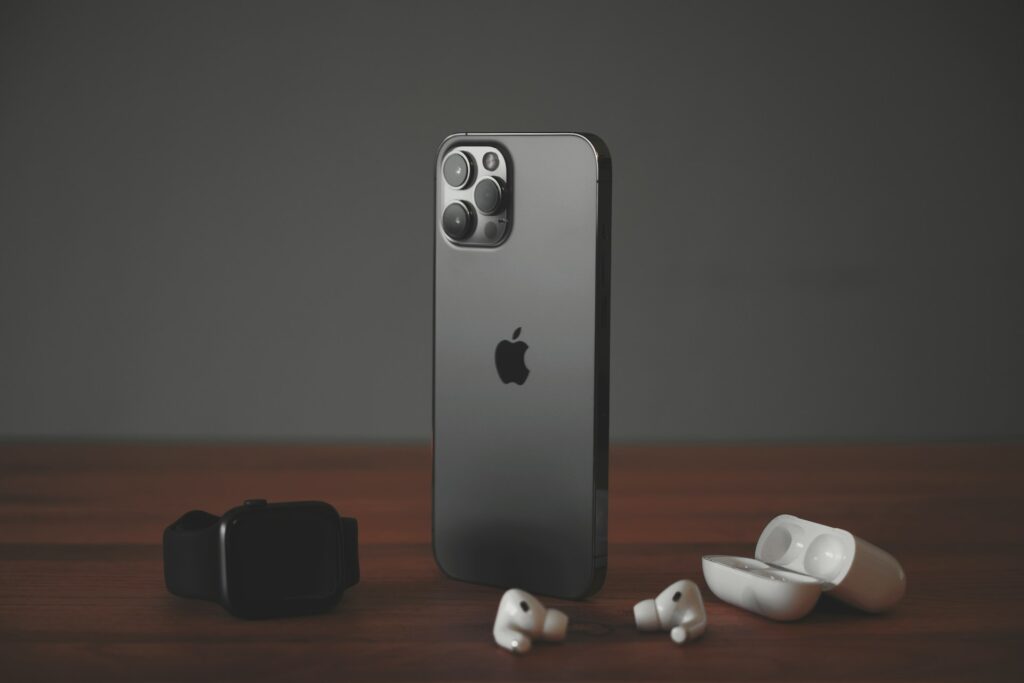
Apple’s headphone lineup has taken a significant leap forward with the introduction of the latest models in 2024 and 2025. These include the AirPods Pro 3, a major upgrade in Apple’s premium earbuds, and the AirPods 4, a redesigned and feature-packed standard model. The evolution of these products reflects Apple’s commitment to delivering cutting-edge audio quality, comfort, and innovative features that integrate seamlessly with the broader Apple ecosystem. Both products have generated considerable interest among consumers and tech reviewers due to enhancements like industry-leading active noise cancellation, health-related sensors, adaptive audio, spatial sound, and improved designs.
This comprehensive guide will walk you through the most important aspects of the new Apple headphones, including detailed specifications, feature comparisons, practical use cases, pricing and deals, pros and cons, expert tips, and answers to frequently asked questions. Whether you are a long-time AirPods user or considering your first pair of Apple wireless earbuds, this article will equip you with the information you need to make an informed decision.
Overview of Apple’s Latest Earbud Models
The newest entries in Apple’s headphone lineup are the AirPods Pro 3 and the AirPods 4. Both models build upon the legacy of previous generations but target slightly different audiences and use cases while sharing some core technologies.
AirPods Pro 3: Premium Features and Enhanced ANC
The AirPods Pro 3 represent a substantial upgrade over previous generations of Apple’s Pro series earbuds. Apple claims they deliver the world’s best in-ear Active Noise Cancellation (ANC), offering up to twice the noise reduction compared to the earlier models. This improvement helps create an immersive listening environment whether you are on a flight, commuting, or working in a busy office. These earbuds also come with a redesigned fit and five sizes of foam-infused ear tips for personalized comfort and better passive isolation. Additionally, they include a built-in heart rate sensor that allows the earbuds to measure workout metrics directly through Apple’s Fitness app when paired with an iPhone.
Key differentiators for this model include live language translation features when used with compatible Apple devices, an extended battery life of up to eight hours per charge with ANC, and an improved spatial audio experience that enhances music, podcasts, and video content. The new earbuds retain Apple’s ecosystem advantages, including seamless device switching and deep integration with features like Siri, Find My, and Apple Fitness experiences.
AirPods 4: Redesigned Standard Model with ANC Option
The AirPods 4 are Apple’s most ambitious standard AirPods release to date. They feature a completely redesigned form factor that focuses on comfort and broader user appeal with new ergonomic engineering based on extensive ear shape studies. A significant addition to this lineup is the availability of a version with Active Noise Cancellation, a first for the regular AirPods series. Both the standard and ANC versions include Apple’s powerful H2 chip, which unlocks a range of audio enhancements including adaptive audio, voice isolation, dynamic head-tracking spatial sound, and Siri interactions like nod to confirm or shake to decline.
One of the notable practical upgrades in this series is the smaller USB-C charging case, which improves portability without sacrificing battery life. The inclusion of USB-C also aligns with Apple’s broader ecosystem shift away from Lightning connectors.
Key Features and Technology Breakdown
Understanding the standout features of each model helps clarify what makes these products compelling choices in the premium wireless earbud market.
Active Noise Cancellation and Adaptive Audio
Both the AirPods Pro 3 and AirPods 4 with ANC utilize advanced Active Noise Cancellation. For the Pro 3, Apple positions this as the best in class among wireless earbuds, combining ultra-low noise microphones, computational audio processing, and optimized ear tip design for superior noise reduction. Adaptive Audio further enhances this feature by dynamically blending ANC and transparency modes based on ambient conditions, a useful capability during activities like walking or commuting.
Spatial Audio and Personalized Sound Experiences
Apple’s spatial audio with dynamic head tracking creates a three-dimensional listening experience that places audio in space relative to your head movement. This feature is supported across both new models and enhances media consumption by making sound appear to come from around you rather than directly from the earbuds. Personalized Spatial Audio further tailors the experience using data about your ear shape for a more immersive soundstage.
Health Sensors and Fitness Integration
A breakthrough inclusion in the AirPods Pro 3 is a custom heart rate sensor that enables workout tracking without requiring an Apple Watch. When paired with an iPhone and the Fitness app, users can monitor heart rate, calories burned, and other workout metrics. While earbuds were traditionally focused purely on audio tasks, this move signals Apple’s push to integrate health features more deeply into its wearable product lines.
Connectivity, Controls and Integration
Both models are powered by Apple’s H2 chip, enabling low-latency Bluetooth connectivity, high-quality audio, and efficient power management. Controls are intuitive, with force sensors on the stem for playback and call management, and “Hey Siri” support for hands-free interactions. These chips also enable voice isolation to improve call clarity and other smart features like conversation awareness, which adjusts audio based on detected speech.
Detailed Comparison: AirPods Pro 3 vs AirPods 4
Choosing between the AirPods Pro 3 and the AirPods 4 depends on your priorities—whether you want the most advanced noise cancellation and fitness features, or a more affordable but still powerful option with comfort and versatility.
Performance and Audio Quality
AirPods Pro 3 lead in noise cancellation effectiveness, bass response, and immersive listening due to the combination of advanced ANC and adaptive EQ. These qualities make them better suited for frequent travelers and audiophiles who demand premium sound and isolation. The AirPods 4 still deliver robust audio quality with adaptive audio and Spatial Audio technologies, though their ANC performance, while competitive, does not reach the same level as the Pro series.
Design and Comfort
The AirPods 4 feature a redesigned ergonomic shape with a smaller charging case, and for many users, this redesign results in improved all-day comfort and fit. Meanwhile, the AirPods Pro 3’s foam-infused ear tips and multiple size options provide personalized in-ear stability, particularly beneficial during exercise or active use.
Battery Life
Both models offer competitive battery life for wireless earbuds. The Pro 3 achieves up to eight hours with ANC active, which is an improvement over previous Pro models. The AirPods 4 provide solid battery longevity as well, with the added advantage of a compact case that suits portable lifestyles.
Current Market Price and Deals
- AirPods Pro 3: Launching typically around $249 USD, though deals and discounts have been seen during holiday events with prices dropping below typical retail. Price fluctuations occur based on retailer promotions and seasonal sales opportunities.
- AirPods 4: Positioned slightly below the Pro 3 in price, especially for the non-ANC version. Pricing varies by region and retailer but represents a competitive entry point into Apple’s newest earbud technology.
- Promotional bundles sometimes include free trials of Apple services like Apple Music or Apple Fitness+, adding extra value to purchases.
Pros and Cons
- AirPods Pro 3 – Pros: Industry-leading noise cancellation, heart rate tracking for fitness, improved spatial sound, enhanced fit options, strong ecosystem integration.
- AirPods Pro 3 – Cons: Premium price point, foam tips may not suit all users, the added health features require an iPhone for full functionality.
- AirPods 4 – Pros: Redesigned fit, optional ANC at a more accessible price, USB-C charging alignment with current Apple standards, excellent audio enhancements powered by H2 chip.
- AirPods 4 – Cons: ANC performance slightly behind Pro 3, fewer health-oriented sensors, may not satisfy users seeking the absolute top audio experience.
Pro Tips for Choosing and Using Your Apple Headphones
- Assess Your Priorities: If top-tier noise cancellation and fitness tracking matter most, the Pro 3 is a better long-term investment. If comfort and value with solid ANC are more important, AirPods 4 are an excellent choice.
- Customize Ear Tips: Take time to fit the correct ear tip size for optimal passive noise isolation and comfort, especially for prolonged listening or workouts.
- Keep Firmware Updated: Apple periodically releases firmware updates that improve performance and connectivity; ensure your earbuds are up to date.
- Explore Spatial Audio: Enable personalized spatial audio in settings to enhance media experiences, particularly with Dolby Atmos content.
- Manage Battery Life: Use ANC and transparency features judiciously to balance audio experience with battery longevity.
Frequently Asked Questions (FAQs)
- Can I use AirPods Pro 3 without an iPhone? Yes, you can pair with non-Apple devices via Bluetooth, but some advanced features like live translation and heart rate tracking require an iPhone.
- How do I enable spatial audio? Spatial audio settings can be found in the Bluetooth section of your iPhone or iPad when the earbuds are connected.
- Are the earbuds sweat-proof? Yes, both models offer water and sweat resistance suitable for workouts, though users should avoid extended exposure to moisture.
- What is the battery life for calls? Battery life varies based on use, but ANC use and call duration can impact total listening time; Apple’s estimates provide a general guideline.
- Do these earbuds support wireless charging? Yes, models with ANC typically include wireless charging compatibility, and the USB-C case supports multiple charging options.
Conclusion
The new Apple headphones lineup—highlighted by the AirPods Pro 3 and AirPods 4—marks a significant milestone in Apple’s audio products. With cutting-edge noise cancellation, refined ergonomic designs, powerful H2 chip capabilities, and innovative features like heart rate tracking and adaptive audio, these models cater to diverse needs from immersive media listening to fitness tracking and seamless device integration. The choice between them ultimately depends on your priorities, whether that’s top-tier ANC and health features or a more comfortable design and value-oriented package. As Apple continues to refine earbuds with firmware updates and feature enhancements, both models stand as strong contenders in the premium wireless audio market.
