

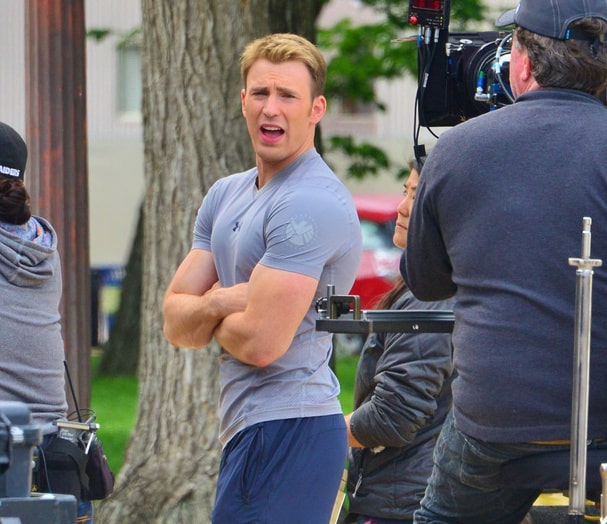
The saga of Captain America films remains among the most celebrated in the Marvel Cinematic Universe. Since the character’s first live-action appearance in the early 20th century, the films have evolved from grounded World War II tales to complex, universe-spanning narratives. Audiences and critics alike have engaged in constant discussion about which installments in the franchise are most compelling, impactful, and enduring. This comprehensive ranking examines each Captain America movie — from classic Captain America: The First Avenger to the latest epic adventure — based on critical reception, audience response, box office success, cultural impact, and enduring popularity.
The sections below offer a well-rounded analysis that blends historical context, narrative quality, thematic depth, character arcs, and fan preferences. Whether you’re a long-time fan of the Shield or new to the MCU, this guide provides a definitive look at where each Captain America film stands in the broader Marvel legacy.
Understanding the Legacy of Captain America Films
The Captain America film legacy is unique among superhero franchises. It combines patriotism, moral conflict, historical storytelling, and modern blockbuster spectacle. These films have not only defined the character of Steve Rogers but also reflected cultural changes and cinematic evolution over more than a decade. In this section, we explore what makes these films stand out and how they contributed to the MCU as a whole.
- Origin Story and Character Establishment: Captain America: The First Avenger laid the foundation for the MCU by introducing Steve Rogers as a character defined not by his strength but by his unwavering principles and moral compass. His journey from an underdog to a superhero resonated with audiences worldwide.
- Evolution of Tone and Themes: Later films deepened the stakes and matured the storytelling. Themes such as political distrust, personal accountability, and interpersonal conflict became increasingly central to the narrative arcs.
- Integration with the MCU: The Captain America films did not exist in isolation. Each entry intersected with larger MCU storylines, particularly with ensemble movies like Avengers: Infinity War and Avengers: Endgame, amplifying their impact.
- Character Relationships: Relationships with friends, allies, and adversaries like Bucky Barnes and Tony Stark enriched the character’s emotional depth and added layers to the tales told on screen.
- Box Office and Cultural Footprint: These films consistently delivered strong box office returns and influenced broader dialogues about heroism and sacrifice in popular culture.
Ranked: Captain America Movies from Worst to Best
6. Captain America: The First Avenger (2011)
As the film that officially launched the Captain America franchise, Captain America: The First Avenger offered audiences an earnest introduction to Steve Rogers. Set against a historical backdrop, it explored themes of duty, courage, and transformation. While some viewers find the pacing more measured compared to later Marvel films, its role in establishing the MCU canon cannot be understated.
Key features of this film include its period-specific setting, the chemistry between characters, and the heartfelt rapport between Rogers and Peggy Carter. While it may lack the high-octane energy of future installments, its narrative importance and character development earn it a dependable place within the franchise.
5. Captain America: Brave New World (2025)
The most recent chapter in the Captain America saga, Captain America: Brave New World, brings Sam Wilson into the forefront as the new bearer of the shield. This film bridges legacy characters and fresh storytelling elements, with an international caper that expands the Captain America mythology. Its blend of character drama, modern action sequences, and thematic exploration of responsibility solidify its place in the franchise.
While some critics note that it doesn’t reach the emotional highs of earlier films, the film’s ambition and introduction of a new Captain America mark it as a compelling continuation of the series.
4. Captain America: The First Avenger Re-Examined (Alternate Perspective)
Although previously ranked lowest among core MCU films, many viewers appreciate this installment for its earnest tone, strong character foundation, and its honorable approach to superhero origins. Its slower pacing and historical context make it a unique entry compared to more typical superhero fare, often appealing to fans who favor character depth over spectacle.
Revisiting this film highlights the franchise’s roots and provides context for subsequent character growth and narrative complexity in later movies.
3. Captain America: Civil War (2016)
Captain America: Civil War represents a turning point in the franchise and arguably the broader MCU narrative. Beginning as a Captain America story, it quickly expands into a high-stakes drama involving dozens of superheroes. The film delves into the philosophical conflict between national oversight and individual freedom, pitting Steve Rogers’ values against Tony Stark’s. The airport battle sequence and the heart-wrenching confrontation between Rogers and Stark define this film’s emotional core.
This installment also introduced characters like Black Panther and Spider-Man into the MCU, all while maintaining a compelling emotional balance between spectacle and character depth. Its exploration of loyalty and consequence earned widespread acclaim from audiences and critics alike.
2. Captain America: The Winter Soldier (2014)
The Winter Soldier redefined what a superhero film could be by integrating political thriller elements with powerful character work. The grounded narrative thrusts Cap into a world of espionage, betrayal, and moral quandary. The plot’s intense focus on conspiracy and trust challenges Steve Rogers at both tactical and personal levels, especially as he confronts Bucky Barnes, his childhood friend turned formidable adversary.
Featuring tightly choreographed action, memorable set pieces like the elevator fight, and more sophisticated storytelling, this entry is widely celebrated as one of the best in the MCU canon. Its impact extends beyond entertainment, offering commentary on surveillance, freedom, and loyalty that resonates with audiences.
1. Avengers: Endgame (2019) — Featuring Captain America
Although not exclusively a Captain America movie, Avengers: Endgame stands as the apex of the character’s arc. Cap’s role in this ensemble masterpiece underscores his evolution from earnest soldier to inspirational leader. The film’s narrative culmination of multiple character journeys — including Steve Rogers’ personal journey — is powerful and emotional. In particular, key scenes involving time travel, sacrifice, and resolution of epic storylines cement its place as a leading film within the franchise.
Its box office success and unanimous audience acclaim echo its lasting influence. The film’s narrative closure for Captain America remains one of the most impactful in superhero cinema history, shaping how the character is remembered and celebrated by fans worldwide.
On the Cultural and Box Office Impact of the Captain America Franchise
The Captain America movies have had a significant impact on popular culture. From shaping narratives of heroism and duty to sparking conversations about moral conflict and national identity, these films have resonated deeply with global audiences. Their box office performance reflects that impact, consistently drawing millions of viewers to theaters and earning billions in worldwide revenue. They helped define the MCU’s tone and expand its reach beyond comic book fans into mainstream audiences.
- Defining Moral Complexities in Superhero Storytelling: These films often juxtapose personal conviction against institutional directive, prompting viewers to reflect on broader philosophical questions.
- Multigenerational Appeal: With roots in World War II and progression into modern geopolitical themes, the Captain America arc appeals to diverse age groups and interests.
- Influence on Subsequent Stories: Key themes and character decisions from these films influence later MCU narratives, character motivations, and ensemble dynamics.
- Legacy of Iconic Scenes: Moments such as Cap wielding Mjolnir or the emotional reunions and farewells transcend typical blockbuster scenes and become defining cinematic moments.
- Continued Fan Engagement: From meme culture to fan theories, debates over rankings and character motivations continue to drive community engagement years after release.
Frequently Asked Questions About Captain America Films
- Why does Captain America: The Winter Soldier rank so highly? Because it blends political intrigue with superhero action and deep character stakes in a way that elevates it above typical franchise entries.
- Is Captain America: Civil War really a Captain America movie? Yes, it centers on Steve Rogers’ moral conflict and leadership, even though it features a broader ensemble.
- Do I need to watch all MCU movies to understand these films? While each Captain America film can be enjoyed individually, context from the broader MCU enhances the experience, especially for Civil War and Endgame.
- How does Brave New World fit into the Captain America legacy? It continues the narrative by introducing a new hero bearing the shield while honoring the character’s thematic roots.
- What makes Endgame significant for Captain America’s story? It brings emotional closure to his arc, resolving key conflicts and celebrating his journey in a way that resonates deeply with audiences.
Conclusion
The Captain America franchise stands as a cornerstone of the Marvel Cinematic Universe. From humble origins to universe-spanning resolution, these films showcase a remarkable evolution in character, narrative complexity, and cultural significance. Each film contributes uniquely to the larger story, whether by deepening emotional stakes, expanding thematic horizons, or delivering unforgettable cinematic moments. By ranking these films from foundational origin to epic conclusion, we honor both the character’s legacy and the passion of audiences who have followed his journey through triumph, conflict, and transformation.

Loading comments…