

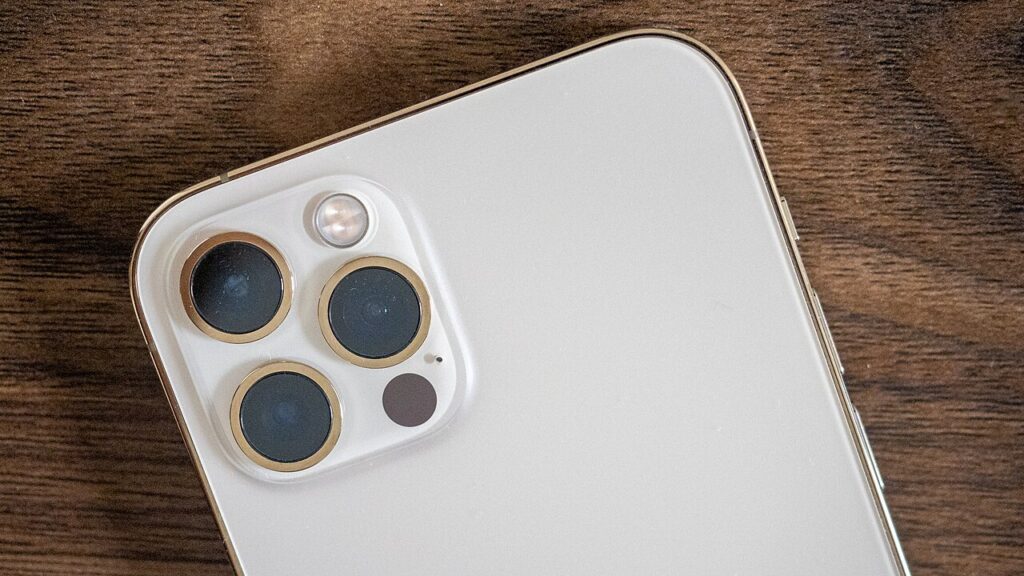
The iPhone 12 Pro Max represents a significant milestone in the evolution of Apple’s flagship smartphone lineup. When it was released, it introduced a complete design overhaul, moving away from the rounded edges of previous generations toward a more industrial, flat-edge aesthetic. This shift was not merely a stylistic choice but a functional one that directly impacted the device’s physical dimensions, grip, and overall internal volume management. Understanding the exact dimensions of this device is crucial for consumers, case manufacturers, and tech enthusiasts who prioritize ergonomics and screen real estate in their mobile experience.
As the largest model in the twelfth generation, the iPhone 12 Pro Max was designed to cater to users who demand the most expansive display and the longest battery life possible. The physical footprint of the device is substantial, making it a “phablet” in every sense of the word. Its dimensions are a direct reflection of the sophisticated hardware housed within, including the massive camera sensors, the MagSafe magnet array, and the large battery cell. By examining the height, width, and depth in detail, we can better understand how Apple balanced a massive 6.7-inch display with a chassis that remains relatively manageable for one-handed use through software optimizations.
The transition to flat edges allowed Apple to maximize the internal space more efficiently than the curved designs used from the iPhone 6 through the iPhone 11 series. This architectural change meant that the iPhone 12 Pro Max could offer a larger screen than its predecessor, the iPhone 11 Pro Max, without significantly increasing the overall physical footprint. The precision engineering involved in maintaining these tight tolerances is a hallmark of Apple’s manufacturing process, ensuring that every millimeter is utilized for performance or battery capacity.
Detailed Physical Dimensions: Height, Width, and Depth
The iPhone 12 Pro Max features a height of 160.8 millimeters, which translates to approximately 6.33 inches. This vertical measurement makes it one of the tallest iPhones ever produced at the time of its launch. The height is a critical factor for users when considering pocketability and how the device sits in a car mount or a small bag. Despite its height, the device maintains a streamlined profile because the bezels surrounding the display were significantly reduced compared to previous “Max” models, allowing the screen to extend closer to the edges of the frame.
In terms of width, the device measures 78.1 millimeters, or about 3.07 inches. This width is a defining characteristic of the Pro Max user experience. For many users, a width exceeding 75 millimeters moves the device into the category of “two-handed use” for most tasks. The flat surgical-grade stainless steel frame provides a sturdy edge to grip, but the sheer width means that those with smaller hands might find reaching across the keyboard or the opposite side of the screen a challenge without using accessibility features like Reachability.
The depth, or thickness, of the iPhone 12 Pro Max is a remarkably slim 7.4 millimeters, or 0.29 inches. It is important to note that this measurement refers to the main body of the phone and does not include the protrusion of the rear camera module. When the camera bump is factored in, the total thickness at that specific point is higher. However, the 7.4mm chassis thickness was a reduction from the 8.1mm thickness of the iPhone 11 Pro Max. This reduction in depth helped offset the increased height and width, keeping the device feeling modern and sleek rather than bulky.
Weight and Material Composition
The weight of a smartphone significantly influences the user’s perception of “premium” quality and long-term comfort. The iPhone 12 Pro Max weighs in at 226 grams, which is approximately 7.97 ounces. This weight is largely attributed to the high-density materials used in its construction. The frame is crafted from surgical-grade stainless steel, which is considerably heavier and more durable than the aluminum frames found on the standard iPhone 12 or iPhone 12 mini models. This material choice provides exceptional structural rigidity and a lustrous finish but contributes to the device’s heft.
The front of the device is protected by Ceramic Shield, a material co-developed by Apple and Corning. Ceramic Shield is created by embedding nano-ceramic crystals into the glass matrix, significantly increasing drop performance. While this adds to the durability, the glass on both the front and the back also adds to the total weight. The back glass is a single piece of precision-milled matte glass that resists fingerprints and provides a sophisticated look, though it adds a layer of density that contributes to the nearly 8-ounce total weight.
When compared to other flagship devices, the 226-gram weight places the iPhone 12 Pro Max at the heavier end of the spectrum. This weight distribution is centered, but because of the large 6.7-inch display, the leverage felt when holding the phone at the bottom can make it feel even heavier during prolonged use. For users transitioning from a standard-sized device, the weight is often the most noticeable change, followed closely by the dimensions. The solid feel is often equated with luxury, but it also means the phone is more likely to cause fatigue during long gaming sessions or video calls.
Display Size and Screen-to-Body Ratio
The centerpiece of the iPhone 12 Pro Max is its 6.7-inch Super Retina XDR display. This OLED panel is the largest ever featured on an iPhone at its release, providing a massive canvas for content creators, gamers, and professional users. The 6.7-inch measurement is taken diagonally across the rectangle; however, the actual viewable area is slightly less due to the rounded corners and the “notch” at the top which houses the TrueDepth camera system for Face ID. Despite the notch, the screen-to-body ratio is approximately 87.4%, showcasing how much of the front face is dedicated to the display.
The resolution of this display is 2778 by 1284 pixels, resulting in a pixel density of 458 pixels per inch (ppi). This high resolution ensures that text is razor-sharp and images are rich with detail, regardless of how close the user holds the device. The dimensions of the screen itself are optimized for a 19.5:9 aspect ratio, which is ideal for modern cinematic content. The large surface area also allows for better multitasking in apps that support split views or expanded toolbars, making it a favorite for those who use their phone for mobile productivity.
The physical size of the display also allows for a higher peak brightness and better heat dissipation compared to smaller models. With a typical max brightness of 800 nits and a peak brightness of 1200 nits for HDR content, the iPhone 12 Pro Max screen is highly legible even in direct sunlight. The sheer size of the panel means that UI elements can be spaced further apart, or conversely, more information can be displayed on the screen at once by adjusting the display zoom settings in iOS. This flexibility is a direct result of the generous physical dimensions of the hardware.
Impact of the Camera Bump on Total Dimensions
While the official depth of the iPhone 12 Pro Max is 7.4mm, the camera system is a significant architectural element that adds to the effective thickness. The triple-lens array on the Pro Max is larger than the one found on the standard iPhone 12 Pro. This is because the Max model features a 47% larger primary sensor and a unique sensor-shift optical image stabilization system. These advanced optics require more physical depth, resulting in a camera bump that protrudes approximately 2.8mm from the back glass.
This protrusion means that when the phone is laid flat on a table without a case, it will “wobble” if the corners are pressed. Most users mitigate this by using a protective case, which usually levels out the back of the device. However, the presence of the camera bump must be considered when measuring the device for tight-fitting sleeves or specialized mounting brackets. The square camera housing itself measures roughly 34mm by 34mm, occupying a significant portion of the upper-left quadrant of the device’s rear surface.
The dimensions of the camera module also dictate the placement of internal components. Because the cameras take up so much “Z-height” and internal volume, Apple had to utilize an L-shaped battery design to maximize the remaining space. This shows how the external dimensions and the internal layout are inextricably linked. The engineering feat of fitting such a powerful camera system into a 7.4mm chassis (protrusions notwithstanding) is one of the defining technical achievements of the iPhone 12 Pro Max design.
Ergonomics and Handling a Large Form Factor
The ergonomics of a device with these dimensions are a frequent topic of discussion among tech reviewers and users. A phone that is 160.8mm tall and 78.1mm wide requires a different handling technique than smaller devices. Most users find that “pinky propping”—resting the bottom of the phone on the pinky finger—is necessary to stabilize the device during one-handed use. However, given the 226g weight, this can lead to strain over time. The flat edges of the iPhone 12 series provide more “bite” or grip than the rounded edges of the iPhone 11, which helps prevent the device from slipping, but they can also feel sharper against the palm.
To assist with the large dimensions, iOS includes several software features. Reachability is perhaps the most useful, allowing users to swipe down on the bottom edge of the screen to bring the top half of the UI into thumb’s reach. Additionally, the “One-Handed Keyboard” mode can shift the keys to the left or right, making it easier to type with one thumb across the 78.1mm width. These software solutions are essential for making the physical dimensions of the Pro Max accessible to a wider range of hand sizes.
For professional users, the large dimensions are often a benefit rather than a drawback. The extra width allows for a more comfortable typing experience in landscape mode and provides more room for editing tools in apps like Lightroom or LumaFusion. The stability provided by the device’s mass can also be an advantage when shooting handheld video, as the weight acts as a natural dampener for small hand tremors. Thus, the dimensions of the iPhone 12 Pro Max serve a specific purpose for a specific type of user who prioritizes utility over compact portability.
Comparison with Previous and Successive Models
To truly understand the dimensions of the iPhone 12 Pro Max, it is helpful to see how it sits in the lineage of Apple’s “Max” devices. The iPhone 11 Pro Max, for instance, had dimensions of 158.0 x 77.8 x 8.1 mm. This means the iPhone 12 Pro Max is slightly taller and wider, but notably thinner. Despite being larger in two dimensions, the 12 Pro Max managed to increase the screen size from 6.5 inches to 6.7 inches, largely by thinning the bezels and adopting the flat-edge design which allows the screen to get closer to the perimeter.
Looking forward to the iPhone 13 Pro Max, the dimensions remained almost identical at 160.8 x 78.1 mm, but the thickness increased to 7.65mm. This increase in depth was necessary to accommodate a larger battery and an even more substantial camera system. The weight also jumped to 240 grams. Therefore, the iPhone 12 Pro Max occupies a “sweet spot” in the large-phone category, being thinner and lighter than its immediate successor while offering a significantly larger and more modern screen than its predecessor.
The evolution of these dimensions shows Apple’s commitment to the 6.7-inch form factor as the standard for its “Max” tier. The 78.1mm width appears to be the limit for what Apple considers acceptable for a mass-market smartphone, as it has stayed consistent through several generations. This consistency is beneficial for accessory ecosystems, although minor changes in button placement or camera bump size often mean that cases are not cross-compatible between different generations, even if the primary height and width remain the same.
Current Market Price and Deals
The iPhone 12 Pro Max has been officially discontinued by Apple following the release of subsequent models, but it remains a highly sought-after device in the secondary and refurbished markets. Its premium build and powerful A14 Bionic chip ensure it stays relevant for years. Below are the typical price ranges and deal types available as of early 2024:
- Refurbished Grade A (Excellent Condition): You can typically find these units priced between $450 and $550 depending on the storage capacity (128GB, 256GB, or 512GB). These units usually come with a new battery and a 1-year warranty from reputable sellers.
- Used Market (Individual Sellers): Prices on platforms like Swappa or eBay range from $380 to $480. While cheaper, these do not always come with warranties, so it is important to check the battery health and “Find My iPhone” status before purchasing.
- Carrier Deals: Some smaller MVNOs (Mobile Virtual Network Operators) still offer the iPhone 12 Pro Max as a budget-friendly way to get a “Pro” experience. You might find it for $0 down with a 24-month service contract in some regions.
- Trade-in Value: If you are looking to trade in an iPhone 12 Pro Max for a newer model, Apple currently offers approximately $300 to $350 in credit, though third-party sites like Gazelle may offer slightly more in cash.
- Bulk/Clearance Sales: Large retailers sometimes have “Open Box” units available. These can be the best deals, often hovering around $425 for a device that is essentially new but has had the box opened.
Pros and Cons
Choosing a device with the dimensions of the iPhone 12 Pro Max involves trade-offs. While the size offers many benefits, it also presents challenges that every user should consider before purchasing.
- Pro: Massive Visual Experience: The 6.7-inch display is unparalleled for watching movies, editing photos, and playing high-fidelity games, providing an immersive experience that smaller phones cannot match.
- Pro: Exceptional Battery Life: The larger physical dimensions allow for a bigger internal battery, which, combined with the efficient A14 chip, easily provides a full day of heavy use or two days of light use.
- Pro: Superior Camera Hardware: The Pro Max model specifically received the best camera sensors of its year, including sensor-shift stabilization and a larger primary sensor, resulting in better low-light performance than the smaller Pro model.
- Con: Challenging Ergonomics: The 78.1mm width and 226g weight make it difficult to use with one hand, and the sharp, flat edges can become uncomfortable during long periods of holding without a case.
- Con: Pocketability Issues: Due to its 160.8mm height, the device may stick out of smaller pockets or feel restrictive when sitting down if kept in a front pants pocket.
- Con: Heavier than Competitors: The use of stainless steel makes it significantly heavier than many aluminum-framed Android competitors of a similar size, which can lead to hand fatigue for some users.
Pro Tips for Managing iPhone 12 Pro Max Dimensions
To make the most of this large-format device, consider implementing these professional tips for better handling and productivity:
- Utilize a PopSocket or Phone Grip: Given the width and weight of the Pro Max, adding a MagSafe-compatible grip to the back of the device can significantly improve one-handed security and reduce the strain on your pinky finger.
- Enable Reachability: Go to Settings > Accessibility > Touch > Reachability. Once enabled, you can swipe down on the bottom edge of the screen to bring the top items down, making the 160.8mm height much more manageable.
- Adjust Display Zoom: If you find the text too small on the large screen, or if you want to fit even more content, go to Settings > Display & Brightness > Display Zoom to toggle between “Standard” and “Larger Text” views.
- Use MagSafe Accessories: The dimensions of the 12 Pro Max provide a large surface area for MagSafe wallets and battery packs. These accessories snap onto the back and can often make the phone feel more balanced in the hand.
- Optimize the Keyboard: Long-press the “Globe” or “Emoji” icon on your keyboard and select the left or right-handed keyboard icon. This compresses the keyboard to one side, making it much easier to type with one thumb across the wide 78.1mm frame.
- Choose the Right Case: If the device feels too sharp or “boxy,” look for a case with slightly rounded edges. If the device feels too slippery, a silicone or high-grip leather case will help you maintain a firm hold on the 226g chassis.
Frequently Asked Questions
Is the iPhone 12 Pro Max too big for a normal pocket?
For most standard men’s jeans and jackets, the iPhone 12 Pro Max fits adequately, though it may be a tight fit in slim-cut clothing. In women’s clothing, where pockets are often smaller or non-existent, the device usually requires a bag or a deep coat pocket. The 160.8mm height is the primary factor that causes it to peek out of shallower pockets.
Does the iPhone 12 Pro Max use the same cases as the 13 Pro Max?
No, they are not compatible. While the height and width are the same, the iPhone 13 Pro Max is thicker and has a significantly larger camera bump and slightly shifted button placements. You must buy cases specifically designed for the iPhone 12 Pro Max to ensure a proper fit.
How does the size of the 12 Pro Max compare to the 12 Pro?
The iPhone 12 Pro Max is considerably larger. The standard 12 Pro has a 6.1-inch display and dimensions of 146.7 x 71.5 x 7.4 mm. The Pro Max is about 14mm taller and 6.6mm wider, which makes a noticeable difference in both screen area and handling comfort.
Is the weight of the iPhone 12 Pro Max noticeable?
Yes, at 226 grams, it is one of the heavier smartphones on the market. Most users will notice the weight, especially if they are coming from an aluminum-framed phone or a smaller model. However, many users find that they get used to the weight within a few days of consistent use.
Can I use the iPhone 12 Pro Max with one hand?
While possible through the use of software features like Reachability and the one-handed keyboard, the iPhone 12 Pro Max is fundamentally designed as a two-handed device. Reaching the top corners or the far side of the screen with one thumb is difficult for the average user without shifting their grip.
Does the large size affect call quality or signal?
The larger dimensions actually provide more internal space for the 5G antennas. The iPhone 12 Pro Max features several antenna bands around the stainless steel frame, which helps maintain a strong connection. The physical size does not negatively impact call quality; in fact, the larger body allows for a slightly larger and louder earpiece speaker.
Conclusion
The iPhone 12 Pro Max is a masterclass in balancing expansive screen real estate with a premium, durable design. Its dimensions—160.8mm in height, 78.1mm in width, and a slim 7.4mm in depth—position it as a powerhouse for media consumption and professional tasks. While its 226-gram weight and wide frame may present ergonomic challenges for some, the benefits of the 6.7-inch Super Retina XDR display and the superior battery life often outweigh the handling concerns for its target audience. The transition to flat edges and the inclusion of Ceramic Shield and surgical-grade stainless steel ensure that the device is as rugged as it is large. Whether you are considering it for its cinematic display, its advanced camera capabilities, or its long-lasting battery, understanding the physical footprint of the iPhone 12 Pro Max is essential for maximizing your experience with this iconic piece of mobile technology. By utilizing software shortcuts and the right accessories, users can comfortably harness the full potential of Apple’s largest twelfth-generation flagship.

Loading comments…