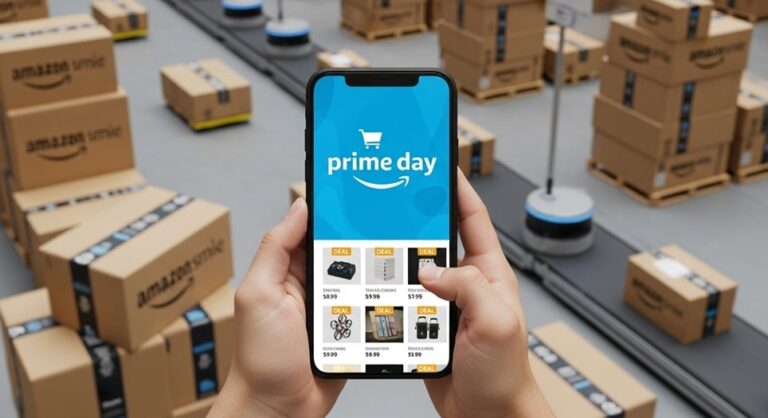
Amazon Prime Day has solidified its position as one of the world’s most significant retail events, extending its reach far beyond its North American origins. In the highly dynamic and rapidly evolving markets of the Middle East and North Africa (MENA), particularly the United Arab Emirates (UAE) and the Kingdom of Saudi Arabia (KSA), the event has transformed from a simple sales weekend into a multi-day commercial phenomenon that dictates consumer spending patterns and drives massive subscription growth. This annual mid-year sale is no longer just a flash of deals; it is a meticulously orchestrated celebration of the Prime membership, offering exclusive savings, unparalleled logistics capabilities, and access to a global product selection previously unavailable to regional shoppers.
The strategic expansion of Prime Day in the Gulf region reflects the aggressive growth of Amazon’s e-commerce footprint following its acquisition of Souq.com and subsequent rebranding to Amazon.ae and Amazon.sa. As these markets mature, consumer sophistication and demand for instant gratification increase, making Prime Day a crucial benchmark for the region’s digital economy. The event forces local competitors to sharpen their pricing and delivery strategies, catalyzing broader improvements in regional logistics and digital payment infrastructure. Understanding the timing, structure, and targeted product categories for the upcoming events is essential for consumers aiming to maximize their savings and for brands looking to capitalize on the massive surge in digital traffic.
The continued success of Prime Day in the UAE and KSA is deeply intertwined with the region’s demographic advantages. With a young, digitally native population and some of the highest rates of internet penetration globally, the groundwork for mass e-commerce adoption was already laid. Amazon leveraged this environment, offering its robust Prime benefits—such as free, fast shipping and digital entertainment—that created a compelling value proposition, making the subscription virtually indispensable for frequent online shoppers. This loyalty mechanism is precisely what allows Prime Day to generate record-breaking sales figures year after year, reinforcing the retail giant’s dominance in the Arabian Peninsula.
The Evolution of Prime Day in the MENA Landscape
When Amazon first introduced Prime Day to the MENA region, it was primarily focused on acclimating local consumers to the concept of an exclusive, member-only sale. Early events were shorter, often mirroring the two-day global format. However, consumer demand in markets like the UAE and KSA quickly necessitated an expansion. Given the large basket sizes and the appetite for both international imports and deep discounts, Amazon began tailoring the event duration specifically for regional preferences, often extending the sale period to multiple days to ensure members had ample opportunity to shop.
The format has evolved significantly since its introduction. Initially, the focus was heavily placed on popular, high-margin electronics and imported goods. While these categories remain central to the event, recent years have shown a marked shift towards integrating local sellers, small and medium-sized businesses (SMBs), and everyday essential categories like groceries, beauty, and household items. This diversification not only broadens the appeal of the sale but also aligns with regional governmental initiatives aimed at supporting local enterprises and boosting non-oil economic sectors. This blend of global brands and local flair is a defining characteristic of the MENA Prime Day experience.
A key differentiator for the Prime Day event in the UAE and KSA is the heavy emphasis on cross-border shopping. Prime members in the Gulf often gain exclusive access to deals from the Amazon US, UK, and German Global Stores, complete with free international shipping on eligible items. This benefit effectively transforms the local Amazon portal into a gateway to millions of international products, satisfying the regional consumer’s penchant for items not readily available in local retail outlets. This accessibility to the global inventory significantly boosts the perception of value offered by the Prime membership itself.
Confirmed Details: The 2025 MENA Mega-Sale
The year 2025 served as a crucial turning point, confirming the Gulf’s prominence in Amazon’s global strategy by featuring a distinct, extended sales window. While the primary global Prime Day event took place earlier in July, the regional mega-sale, catering specifically to customers in the UAE and Saudi Arabia, was structured as a massive, prolonged event.
Verified reports confirmed that the 2025 Amazon Prime Day for the UAE (Amazon.ae) and Saudi Arabia (Amazon.sa) ran for an extended seven full days, commencing on July 25th and concluding on July 31st. This extended duration—significantly longer than the global standard—was a direct acknowledgment of the high consumer engagement and logistics efficiency achieved in the region, providing Prime members with an expansive window to access millions of deals across more than 30 major product categories. The event saw deals drop daily, maintaining shopper excitement and high traffic throughout the full week.
The 2025 event cemented the trend of incorporating flexible payment solutions, which are highly valued by MENA consumers. Shoppers were able to utilize local services like Tabby and Tamara, conveniently splitting payments into four interest-free installments. Furthermore, promotional incentives extended beyond product discounts; Prime members in the UAE could purchase an Amazon.ae eGift Card for a specific value before the event and receive a promotional credit to spend during the sales week, ensuring early loyalty and commitment. These financial innovations are paramount to maximizing sales volume in a region where flexible credit options are rapidly gaining popularity.
Anticipating Prime Day 2026: Dates and Expectations
While official dates for Amazon Prime Day 2026 are typically announced only a month or so in advance—likely in mid-to-late June 2026—historical data and recent trends provide a solid basis for accurate forecasts. The predictability of Amazon’s calendar suggests a return to the mid-summer timeframe for the main event.
Based on the patterns established over the last few years, the main global Prime Day event in July 2026 is widely anticipated to run for approximately four days, likely falling between July 7th and July 10th, 2026. Following the established regional pattern, the UAE and KSA events are expected to launch shortly after the main global sale concludes, or potentially overlap but maintain a more extended duration, possibly running from the second to third week of July 2026 for a full seven-day stretch to maximize regional purchasing power.
Furthermore, consumers and brands must also anticipate the ‘second Prime Day,’ now officially termed Prime Big Deal Days. This autumn event, introduced globally to kickstart holiday shopping, is expected to continue its run in the MENA region. Following the historical timing, this fall sale is likely to take place in early October 2026, targeting categories relevant to the upcoming holiday season, such as toys, gifts, and seasonal fashion. This two-part mega-sale strategy effectively establishes Amazon as the dominant player in both the mid-year and pre-holiday retail landscapes.
For 2026, experts predict an increased focus on utilizing Artificial Intelligence (AI) to personalize the shopping experience. Consumers can expect more curated deals and product recommendations based on real-time shopping behavior. For instance, Amazon’s proprietary AI tools like Rufus and enhanced Alexa integration are expected to play a larger role in helping members discover specific deals and product information faster. This evolution towards hyper-personalized retail reflects the broader global trend of using sophisticated algorithms to enhance customer engagement and conversion rates.
Exclusive Benefits of Prime Membership in the UAE and KSA
The core philosophy of Prime Day is to celebrate and reward Prime members, making the subscription the necessary key to unlock the deepest discounts. In the UAE and KSA, the value proposition of Amazon Prime extends far beyond the annual mega-sale, serving as a comprehensive lifestyle utility for residents.
The annual membership fee in the UAE is AED 140, a relatively small investment considering the vast array of included services. The fundamental benefit is the unparalleled commitment to rapid, reliable shipping, which is particularly attractive in the Gulf region where consumers prioritize speed and convenience. The logistical efficiency Amazon has established is a game-changer for regional e-commerce.
Key Prime membership benefits in the UAE and KSA:
- Unlimited Same-Day and One-Day Delivery: Prime members enjoy fast, free shipping options on millions of eligible items across all categories. In major metropolitan areas like Dubai and Riyadh, this often includes same-day delivery, and in some highly localized areas, ultra-fast 15-minute deliveries are now available for essential items through Amazon Now, showcasing Amazon’s advanced logistics network. This service dramatically improves customer satisfaction and repeat purchasing behavior.
- Free International Delivery from Amazon Global Store: A standout regional benefit, Prime members receive free shipping on eligible orders from Amazon US, UK, and German stores, provided the minimum spend threshold is met. This provides access to an expansive global catalog, which is a significant factor driving Prime adoption among expatriates and local consumers who seek international brands and specialized products.
- Exclusive Prime Day and Lightning Deals Access: Only Prime members receive access to the full seven-day suite of Prime Day deals and are given a 30-minute head start on fleeting, high-demand Lightning Deals throughout the year. This exclusive access ensures members feel prioritized and incentivized to shop during peak events.
- Prime Video Streaming Service: Included in the membership is access to Prime Video, offering a diverse and growing library of movies, popular TV shows, and critically acclaimed Amazon Originals, often including content specifically curated for MENA audiences. This digital entertainment offering enhances the lifestyle value, making the membership appealing even outside of shopping events.
- Prime Gaming and Amazon Music: Members gain access to Prime Gaming, which includes free games and in-game content, as well as Amazon Music Prime, featuring ad-free access to millions of songs. These additional entertainment perks cater to the tech-savvy, young demographic that dominates the Gulf’s consumer market.
- Exclusive Pre-Sale and Early Access Benefits: Beyond Prime Day, members are frequently offered early access to other major sale events, concert tickets, movie screenings, and new product launches. This continuous stream of early access privileges maintains high engagement throughout the year, fostering strong brand loyalty.
Economic Ripple Effect and E-commerce Growth in MENA
Amazon Prime Day’s influence extends far beyond Amazon’s own revenue ledger. In the MENA region, the event acts as a significant economic catalyst, driving increased consumer spending, boosting the performance of competing retailers, and accelerating the adoption of advanced e-commerce infrastructure. The event essentially primes the consumer market for online transactions, creating a “halo effect” that benefits the entire digital ecosystem.
Data consistently shows a spillover effect where sales volumes spike for non-Amazon online merchants during the Prime Day period in markets where the event is held. For example, during previous Prime Days, online electronics merchants (excluding Amazon) in Prime Day markets recorded a substantial increase in revenue compared to the same period in non-Prime Day markets. This indicates that Amazon’s immense marketing efforts and the general consumer readiness to spend heavily on specific dates benefit other players who run parallel sales or price-matching campaigns.
The MENA region’s e-commerce market is projected for explosive growth, with total revenue forecasted to reach approximately $50 billion by 2025. The region’s Compound Annual Growth Rate (CAGR) for e-commerce is projected at over 10% between 2023 and 2027. Prime Day is a critical component fueling this surge. It encourages consumers to shift discretionary spending online, particularly for high-value items they may have been saving for, such as electronics, major appliances, and furniture.
Furthermore, the event has fundamentally altered the standards for logistics and fulfillment. The necessity of delivering millions of packages in a tight window has spurred Amazon’s investment in local fulfillment centers, advanced sorting facilities, and innovative last-mile delivery solutions, including the exploration of drone delivery in the region. This increased infrastructure efficiency sets a new competitive standard that all local and international retailers must strive to match, ultimately benefiting the end consumer with faster, more reliable delivery year-round.
The Role of Small and Medium-Sized Businesses (SMBs)
Prime Day has become a pivotal opportunity for independent, third-party sellers and local SMBs operating on the Amazon Marketplace. In previous global events, independent sellers surpassed $3.5 billion in sales on Prime Day alone, growing faster than Amazon’s own retail business. This trend holds true in the MENA region, where Amazon actively promotes local brands and offers specialized advertising tools to help these businesses stand out during the high-traffic week.
For regional SMBs, participating in Prime Day offers three significant advantages:
- Unprecedented Visibility: The sheer volume of traffic during Prime Day guarantees millions of impressions. By offering Lightning Deals or Prime Exclusive Discounts, SMBs can dramatically increase their product visibility, often acquiring new-to-brand customers who might not have discovered them otherwise. This helps level the playing field against larger, established international competitors.
- Inventory Management and FBA: The event pushes sellers to utilize Fulfillment by Amazon (FBA), compelling them to optimize their inventory forecasting, a crucial skill in high-volume e-commerce. By storing products in Amazon’s local fulfillment centers (like the expansive DXB3 facility in Dubai), SMBs ensure their products are eligible for the rapid Prime shipping benefits, which significantly boosts conversion rates.
- Brand Awareness and Long-Term Growth: Brands that advertise consistently in the lead-up, during, and after Prime Day often see sustained growth in both awareness and consideration long after the sale concludes. This ‘halo effect’ of advertising means the event is not just about short-term sales, but a long-term investment in digital brand building in a rapidly expanding market.
Expected Deal Categories and Savings Structure
While the overall discount percentages fluctuate yearly, certain categories consistently receive the most aggressive pricing, reflecting consumer demand and Amazon’s inventory focus. Regional Prime Days often see particularly deep discounts on items that are high-value and frequently imported.
Here is an analysis of the expected deal structure, based on verified data from the 2025 MENA event and projected trends:
- Electronics and Tech Gadgets: This is historically the strongest category. Shoppers can expect savings of up to 50% on top electronics, including smartphones, laptops, gaming consoles, and accessories. Featured deals often involve major international brands like Sony, Samsung, and Apple, providing a key opportunity for consumers who wait for Prime Day to purchase high-ticket devices.
- Amazon Devices: Amazon typically offers its deepest cuts on its own ecosystem of products, serving as a powerful driver for new Prime membership sign-ups and device ecosystem adoption. Look for discounts of up to 60% on items like Kindle e-readers, Echo devices, and Ring security cameras. These deals are designed to lock in long-term customer loyalty and engagement.
- Fashion and Apparel: The fashion category, which appeals strongly to the young, affluent regional demographic, is known for some of the highest percentage discounts, often reaching up to 80% off for men’s, women’s, and kids’ apparel, shoes, and accessories. Deals span from everyday basics to premium international brands, frequently including popular names like Lacoste, Tommy Hilfiger, and Calvin Klein, making it an ideal time for wardrobe updates.
- Home, Kitchen, and Appliances: With a growing focus on household upgrades, this category sees savings up to 70% off. High-demand items include smart home devices, blenders, air fryers, and high-quality cookware. Major appliance deals, such as those on refrigerators and dishwashers from brands like Samsung and Bosch, also become highly competitive, catering to both homeowners and renters.
- Beauty and Everyday Essentials: Driven by repeat purchases, discounts of up to 70% on beauty products, daily essentials, and consumables are common. This category is strategically important for securing customer loyalty beyond discretionary spending. Key brands in skincare, haircare, and personal hygiene—including Nivea, L’Oréal, and Dettol—are often heavily featured to encourage restocking.
Pros and Cons of Shopping Prime Day
While Prime Day is synonymous with savings, approaching the event strategically is crucial. Like any massive retail event, it presents both immense opportunities and potential pitfalls for the consumer.
The Advantages (Pros)
Prime Day offers distinct advantages that are unique to Amazon’s structure:
- Access to the Amazon Global Store Deals: This benefit is difficult for local competitors to match. The opportunity to acquire high-demand, often imported products from the US and UK without international shipping fees, and often with significant discounts, provides genuine cost savings and product variety.
- Deepest Discounts on Amazon Devices: If a consumer is already embedded in the Amazon ecosystem or looking to buy a Kindle, Echo, or Fire TV Stick, Prime Day consistently provides the best prices of the year for these proprietary devices, making it the optimal purchasing window.
- Logistical Reliability and Speed: The event guarantees access to Amazon’s best-in-class logistics. Unlike smaller sales where shipping infrastructure might struggle, Prime members can rely on the promise of Same-Day or One-Day delivery for thousands of items, ensuring purchases arrive promptly and reliably.
The Disadvantages (Cons)
However, shoppers should remain vigilant about potential drawbacks:
- Exclusivity Requires Membership: The best, most advertised deals are locked behind the Prime membership paywall. For a casual shopper who buys online infrequently, the annual AED 140 fee might negate the savings on a small purchase. While a 30-day free trial is available, it requires strategic timing.
- Lightning Deal Pressure and Impulse Buying: The structure of time-limited Lightning Deals, which expire quickly and have limited stock, can create a high-pressure environment that encourages impulse purchases. Shoppers may buy items they do not truly need simply due to the fear of missing out (FOMO).
- Comparative Pricing Vigilance Required: Not every item on sale during Prime Day is the absolute lowest price it has ever been. Some retailers may slightly inflate the original retail price to make the “discount” look more aggressive. Shoppers must practice price history checking to ensure the deal is genuinely good.
Pro Tips: Maximizing Your Savings Strategy
A successful Prime Day shopping experience hinges on advanced planning, leveraging technology, and adopting a highly disciplined purchasing strategy. With thousands of deals dropping rapidly across a seven-day window, preparedness is the key to securing the most sought-after products.
Strategic Preparation and Execution
- Create a Wish List and Track Prices Now: The most critical step is planning. Start adding items you are interested in purchasing to your Amazon Wish List or Saved for Later cart several weeks before the expected July dates. This allows you to monitor the pre-Prime Day price. If a deal appears, you can immediately verify if the advertised discount is based on a genuine, stable previous price, rather than a recent price inflation.
- Set Deal Alerts Using the Amazon App: Download the Amazon mobile application and enable push notifications. For the items on your list, you can specifically “Watch” the deal. The app will send you a real-time notification the moment that specific product goes on sale, eliminating the need to constantly refresh the page or miss a limited Lightning Deal due to low stock.
- Focus on High-Value and Exclusive Categories: Prioritize shopping for the categories where Prime Day offers unparalleled value: Amazon Devices, high-end electronics, and cross-border items from the Global Store. Discounts in these areas are often significantly better than during other regional sales events like White Friday. Use the event to purchase items you have specifically saved for, rather than being distracted by small discounts on everyday goods.
- Leverage Banking and Payment Partners: Check Amazon.ae and Amazon.sa ahead of time for announced bank promotions. Many regional banks partner with Amazon during Prime Day to offer additional instant discounts or cashbacks when using their specific credit or debit cards at checkout. Combining the Amazon deal with a bank discount can yield double-digit percentage savings.
- Take Advantage of the Free Trial Wisely: If you are a new shopper and do not want to commit to the annual fee, sign up for the 30-day free Prime trial immediately before the Prime Day event begins. This allows you access to all exclusive deals and fast shipping. Set a calendar reminder to cancel the membership before the trial period ends if you do not wish to continue the subscription.
- Support Small Businesses (SMBs): Look for deals tagged with the “Support Small” or “Local Seller” badges. Amazon often runs special promotions, such as offering an extra promotional credit when shoppers spend a minimum amount on eligible small business products in the weeks leading up to Prime Day. This is a mutually beneficial strategy that rewards conscious shopping.
- Utilize AI Shopping Tools (If Available): As the retail landscape shifts, explore new tools Amazon integrates, such as enhanced search functionalities and AI shopping assistants. These features are designed to quickly cut through the noise of millions of products to find the most relevant deals for your needs, saving valuable time during the high-pressure sales window.
- Review Return Policies for High-Value Items: Before purchasing expensive items like laptops or TVs, confirm the specific return window and policy. While Amazon generally has liberal policies, third-party sellers may have stricter terms. Ensuring a clear return path provides peace of mind when making significant, high-discount purchases.
Frequently Asked Questions (FAQ)
Prime Day often raises several common questions, especially concerning the unique structure of the event in the MENA region and the benefits associated with the Prime subscription.
Q: When will Amazon officially announce the confirmed dates for Prime Day 2026 in the UAE and KSA?
A: Amazon typically announces the official dates for the regional Prime Day event approximately one month prior to the start. Based on historical timing, customers in the UAE and KSA should expect the confirmed dates to be released in mid-to-late June 2026. The sale itself is expected to take place in the second half of July 2026, often running for an extended duration of seven days.
Q: Is Prime Day actually better than the Black Friday (White Friday) sales event in the MENA region?
A: The comparison is complex and depends on the product category. Prime Day offers superior and more exclusive deals on Amazon Devices and highly sought-after, cross-border global store items. It is also excellent for securing early access to specific electronics. However, White Friday (late November) generally offers wider, store-wide discounts across more regional retailers and a broader selection of seasonal items and gifts, as it precedes the major holiday shopping season. Shoppers should use Prime Day for planned, high-value tech and membership-exclusive products, and White Friday for general holiday and seasonal shopping.
Q: Can I still shop Prime Day deals without a Prime membership?
A: While Amazon sometimes allows limited access to certain general sales for non-members, the core, deepest discounts, and all Prime-Exclusive Lightning Deals are strictly reserved for Prime members. Non-members must either sign up for the annual subscription (AED 140 in the UAE) or activate the 30-day free trial to gain full access to the event’s best savings opportunities and free, fast shipping benefits.
Q: How can I ensure the product I buy during Prime Day is a genuinely good deal?
A: To avoid impulse buys and inflated discounts, you must check the price history. Use external browser extensions or online tools that track a product’s price fluctuations on Amazon over the last 90 days or longer. If a product’s price was recently increased just before Prime Day, the advertised discount is misleading. Stick to your pre-event wish list and prioritize items with significant, verifiable discounts.
Conclusion
Amazon Prime Day has cemented its status as the most critical annual shopping event for Prime members in the UAE and KSA, serving as a powerful engine for regional e-commerce growth. The event, which has evolved into an extended, multi-day spectacle, offers exclusive benefits that transcend mere discounts, encompassing rapid logistics, cross-border access to global inventory, and a comprehensive digital entertainment package. With the 2025 regional event confirming a week-long format and the 2026 event projected for mid-July, the trend points toward deeper personalization through AI and even greater integration of local small businesses.
For consumers, success lies in preparedness: leveraging the Amazon app for real-time alerts, cross-checking prices against historical data, and strategically utilizing the free trial or banking offers. The sale acts as a dual opportunity—it provides an exceptional chance for members to realize significant savings on high-value items, particularly electronics and fashion, while simultaneously boosting the entire MENA digital economy by setting new standards for fulfillment and market reach. Ultimately, Prime Day is not just a commercial event; it is a clear indicator of the Gulf region’s accelerating pivot towards a digital-first retail future.