

What Happens When Blood Clots Fail After Tooth Extraction
Tooth extraction represents one of the most common dental procedures performed worldwide, with millions of patients undergoing this treatment annually. While most extractions heal without complications, a painful condition known as alveolar osteitis can develop when the protective blood clot that forms in the extraction site becomes dislodged or fails to form properly. This complication affects approximately two to five percent of all tooth extractions, but the incidence rises significantly to twenty to thirty-five percent for wisdom tooth removals, particularly those involving lower molars.
The blood clot that forms immediately after tooth removal serves multiple critical functions in the healing process. It acts as a protective barrier covering the exposed bone and nerve endings in the socket where the tooth previously resided. This natural bandage promotes new tissue growth while preventing food particles, bacteria, and other debris from entering the wound. When this clot dissolves prematurely, becomes displaced, or never forms adequately, the underlying bone and nerve tissue become exposed to the oral environment, resulting in intense pain and delayed healing.
Understanding the mechanisms behind this condition, recognizing early warning signs, and implementing proper preventive measures can dramatically reduce the risk of experiencing this painful complication. The following comprehensive guide explores every aspect of this post-extraction condition, from anatomical explanations to evidence-based prevention strategies, providing patients and caregivers with the knowledge needed to navigate the recovery period successfully.
The Biological Process of Socket Healing
When a dental professional extracts a tooth, the procedure creates an open wound in the jawbone that requires systematic healing. Within minutes of removal, blood begins filling the empty socket, and specialized cells called platelets aggregate at the site to initiate clot formation. This coagulation process transforms liquid blood into a gel-like substance that adheres to the socket walls, creating a physical seal over the extraction site.
The blood clot contains essential growth factors and proteins that orchestrate the healing cascade. Fibrin networks within the clot provide structural support while serving as scaffolding for new tissue development. Beneath this protective covering, bone cells called osteoblasts begin regenerating the damaged jaw structure, while soft tissue gradually grows inward from the socket edges. This complex biological process typically requires seven to ten days for initial healing, though complete bone remodeling may continue for several months.
During the first twenty-four to forty-eight hours after extraction, the clot remains particularly vulnerable to disruption. Any activity creating negative pressure in the mouth, such as sucking through straws, vigorous spitting, or forceful rinsing, can generate enough suction to dislodge the forming clot. Similarly, physical trauma from food particles, toothbrush bristles, or tongue probing can disturb the delicate clot structure before it properly adheres to the socket walls.
Why Wisdom Teeth Extractions Carry Higher Risk
Lower wisdom teeth represent the highest-risk category for developing this complication, with studies documenting rates exceeding thirty percent for impacted lower third molars. Several anatomical and procedural factors contribute to this elevated risk profile. The location of wisdom teeth at the back of the mouth makes them difficult to access during surgery, often requiring more extensive tissue manipulation and bone removal compared to other extractions.
The size and position of wisdom tooth sockets create additional challenges. These large molars occupy substantial space in the jawbone, resulting in bigger wounds that take longer to heal. The mandibular bone surrounding lower wisdom teeth is particularly dense, and surgical removal often necessitates significant bone drilling or sectioning of the tooth into smaller pieces for extraction. This increased surgical trauma disrupts more blood vessels and damages more surrounding tissue, potentially compromising blood supply to the healing site.
Furthermore, the posterior location of wisdom teeth makes post-operative care more challenging. Patients struggle to adequately clean these areas without disturbing the healing socket, increasing the risk of bacterial contamination. The proximity to other teeth and oral structures also means food debris more easily becomes trapped near the extraction site, creating opportunities for infection and clot disruption.
Recognizing Symptoms and Clinical Presentation
The hallmark symptom of this condition is severe, throbbing pain that typically begins two to four days after the extraction procedure. This pain differs significantly from the normal post-operative discomfort that gradually diminishes during recovery. Instead, patients describe the sensation as intensifying over time, often reaching peak severity on the third or fourth day post-extraction. The pain frequently radiates beyond the immediate extraction site, traveling along nerve pathways to affect the ear, temple, neck, or entire side of the face on the affected side.
Visual examination of the extraction site reveals characteristic features distinguishing this condition from normal healing. Instead of seeing a dark, reddish-brown blood clot covering the socket, patients may observe exposed whitish or yellowish bone at the bottom of the empty socket. The surrounding gum tissue often appears inflamed and may display a grayish film. In some cases, the socket appears completely empty, resembling a deep hole in the gum rather than a healing wound covered by protective tissue.
Additional symptoms commonly accompany the primary pain complaint. Patients frequently report a persistent bad taste in their mouth, described as foul or bitter, that does not improve with brushing or rinsing. Halitosis, or bad breath, becomes noticeable to both the patient and others nearby. Some individuals experience mild fever, swollen lymph nodes in the neck, and general malaise. Unlike normal post-extraction healing where over-the-counter pain medications provide adequate relief, the discomfort associated with this condition often proves resistant to standard analgesics, with patients reporting that even prescription-strength medications fail to completely eliminate the pain.
Diagnostic Procedures and Professional Evaluation
Dental professionals diagnose this condition primarily through clinical examination and patient history. The dentist or oral surgeon begins by reviewing the timeline of symptoms, noting when pain began and how it has progressed since the extraction. They inquire about the character and location of pain, asking patients to describe the sensation and identify where discomfort radiates. Questions about post-operative care compliance help identify potential causes, such as smoking, straw use, or inadequate oral hygiene.
Physical examination focuses on visual inspection of the extraction site. The clinician looks for the presence or absence of a blood clot, assesses whether bone is visible in the socket, and evaluates the condition of surrounding soft tissue. Gentle probing of the area with a sterile instrument may be performed to assess tissue response and identify any debris lodged in the socket. The dentist also palpates surrounding structures to check for swelling, lymph node enlargement, or signs of spreading infection.
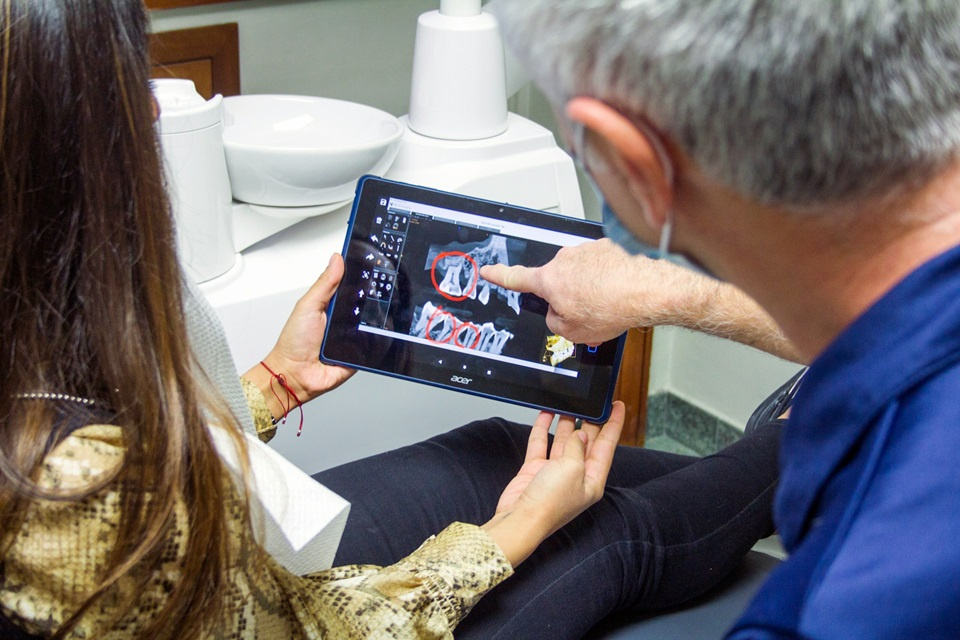
In some cases, dental radiographs may be ordered to rule out other complications. X-rays help identify retained root fragments, fractured bone, or signs of developing infection that might explain persistent pain. However, radiographic imaging typically cannot visualize the blood clot itself or definitively confirm the diagnosis, which remains primarily clinical based on the characteristic presentation and physical findings.
Evidence-Based Treatment Approaches
Professional treatment aims primarily at pain management and protecting the exposed bone while healing progresses. The standard therapeutic approach begins with thorough irrigation of the socket using sterile saline solution or chlorhexidine rinse. This flushing removes any trapped food debris, bacteria, or contaminated material that may be impeding healing or contributing to pain. The dentist uses a specialized syringe to gently direct the irrigation solution into the socket without causing additional trauma to delicate tissues.
Following irrigation, the practitioner typically applies a medicated dressing directly into the socket. These specialized dressings contain combinations of antiseptic and analgesic agents, commonly including eugenol derived from clove oil, which provides both antimicrobial and pain-relieving properties. The medicated packing protects exposed bone from contact with oral bacteria and environmental irritants while delivering sustained pain relief. Depending on the specific product used and the severity of symptoms, the dressing may need replacement every one to three days until pain subsides and healing progresses sufficiently.
Pain management forms a crucial component of treatment. Healthcare providers typically prescribe or recommend a combination of non-steroidal anti-inflammatory drugs such as ibuprofen and acetaminophen, which studies have shown can be as effective as opioid medications for dental pain when used together. The anti-inflammatory properties of NSAIDs address the inflammatory component contributing to discomfort, while acetaminophen provides additional analgesic effects through different mechanisms. In cases of severe pain, short-term prescription of stronger analgesics may be warranted, though healthcare providers increasingly avoid opioid prescriptions due to addiction concerns and the effectiveness of combined non-opioid alternatives.
Antibiotic Considerations and Infection Management
The role of antibiotics in treating this condition remains somewhat controversial in dental literature. The condition itself represents an inflammatory process rather than a true bacterial infection, and exposed bone does not necessarily indicate active infection. However, the disrupted healing environment creates vulnerability to secondary bacterial colonization, particularly when food debris or bacteria accumulate in the open socket.
Most dental professionals adopt a selective approach to antibiotic prescription, reserving these medications for cases demonstrating clear signs of infection. Indicators prompting antibiotic therapy include fever above one hundred degrees Fahrenheit, significant swelling of facial tissues or lymph nodes, purulent discharge from the socket, or systemic symptoms suggesting spreading infection. When prescribed, amoxicillin remains the first-line choice for patients without penicillin allergies, while clindamycin serves as the standard alternative for penicillin-allergic individuals.
Patients receiving antibiotic prescriptions must complete the entire course as directed, even after symptoms improve. Premature discontinuation of antibiotics can lead to incomplete bacterial eradication and potential development of antibiotic-resistant strains. Additionally, patients should inform their dental provider about all current medications, as some drugs can interact with commonly prescribed dental antibiotics, and certain medications like oral contraceptives may have reduced effectiveness when taken concurrently with some antibiotics.
Comprehensive Prevention Strategies
Preventing this complication proves far more desirable than treating it after development, and patients can take multiple proactive steps to minimize their risk. The most critical period for prevention spans the first five days following extraction, when the blood clot remains most vulnerable to disruption. During this window, meticulous adherence to post-operative instructions dramatically reduces complication risk.
Smoking cessation represents perhaps the single most important modifiable risk factor. Research consistently demonstrates that smokers develop this condition at rates two to three times higher than non-smokers, with some studies showing smokers face a twelve percent risk compared to just four percent for non-smokers. The chemicals in tobacco smoke, particularly nicotine, constrict blood vessels and reduce blood flow to healing tissues, impairing clot formation and wound healing. Additionally, the physical act of smoking creates negative pressure in the oral cavity as smokers inhale, generating suction forces that can dislodge newly formed clots.
Dietary Modifications During Recovery
Appropriate food choices during the initial healing period significantly impact recovery success. Immediately following extraction and continuing for at least three to five days, patients should consume only soft foods requiring minimal chewing. Ideal options include yogurt, applesauce, mashed potatoes, scrambled eggs, smooth soups, protein shakes, and ice cream. These foods provide necessary nutrition without risking mechanical disruption of the clot or lodging particles in the extraction socket.
Foods and beverages to strictly avoid during early recovery include anything hot, as elevated temperatures can dissolve the blood clot. Crunchy items like chips, nuts, popcorn, and raw vegetables can break into sharp fragments that pierce the clot or become embedded in the socket. Chewy foods such as bagels, tough meats, and candy can pull at the clot during mastication. Small-seeded items like strawberries, blackberries, and sesame seed buns pose particular problems, as tiny seeds easily lodge in extraction sites and prove difficult to remove without professional intervention.
Beverages require equal attention to food selections. Plain water remains the safest and most recommended drink during recovery. Carbonated beverages should be avoided, as the fizzing action and carbonation can disturb clot formation. Alcoholic drinks interfere with healing processes and can interact negatively with pain medications and antibiotics. Very hot drinks like coffee and tea may dissolve clots, though these can be consumed safely once cooled to lukewarm temperatures. When drinking anything, patients must sip directly from cups rather than using straws, as the suction force generated by straw use represents one of the most common causes of clot dislodgement.
Oral Hygiene Without Disrupting Healing
Maintaining oral cleanliness after extraction presents a delicate balance between preventing bacterial buildup and avoiding trauma to the healing site. For the first twenty-four hours, patients should avoid all brushing near the extraction socket, though gentle brushing of other teeth remains acceptable and important for overall oral hygiene. Starting the second day, careful brushing can resume, using an extra-soft toothbrush and avoiding direct contact with the extraction area.
Rinsing protocols require particular attention to technique. Vigorous swishing or forceful spitting can create the suction and pressure changes that dislodge clots. Instead, patients should perform gentle rinses by allowing saltwater or prescribed mouthwash to flow passively around the mouth through subtle head movements, then letting the liquid drain out naturally into the sink rather than spitting. Saltwater rinses prepared by dissolving half a teaspoon of salt in eight ounces of warm water should be performed three to four times daily, particularly after meals, starting twenty-four hours post-extraction.
- First Twenty-Four Hours Protocol: Avoid all rinsing, spitting, and touching of the extraction site during this critical initial period. Bite on gauze pads as instructed by the dental professional to promote clot formation through gentle pressure. Change gauze every thirty to forty-five minutes or as directed, being careful not to disturb surrounding tissues when removing and replacing pads. If bleeding persists beyond several hours, contact the dental office for guidance rather than continuing to change gauze indefinitely.
- Days Two Through Five Guidelines: Begin gentle saltwater rinses after meals and before bed, using the passive flow technique rather than vigorous swishing. Resume careful brushing of all teeth except those immediately adjacent to the extraction site, gradually incorporating the surrounding teeth as comfort permits. Avoid electric toothbrushes near the healing area due to excessive vibration. If prescribed an antimicrobial mouthwash like chlorhexidine, use it exactly as directed without exceeding recommended frequency, as overuse can delay healing.
- One Week Post-Extraction Care: Most patients can return to normal brushing techniques by this point, though gentleness near the extraction site remains prudent. Continue saltwater rinses at least twice daily for another week to promote optimal healing. Begin introducing slightly firmer foods as comfort allows, but maintain caution with very hard or crunchy items for another week. If concerned about food particles in the socket, use the gentle rinsing technique rather than attempting to remove debris with toothpicks, fingers, or forceful water jets.
- Special Irrigating Syringe Use: Some dental professionals provide patients with curved-tip plastic syringes designed specifically for socket irrigation starting five to seven days post-extraction. These devices allow gentle flushing of the socket with plain water or saltwater solution to remove trapped food particles once the clot has sufficiently stabilized. Proper technique involves positioning the syringe tip near but not into the socket, using gentle pressure to direct fluid flow, and repeating several times until water runs clear. Never force the syringe tip deeply into the socket, as this can damage healing tissues.
- Managing Persistent Debris Concerns: Food particles visible in or near the extraction site often cause anxiety, but attempting forceful removal frequently causes more harm than benefit. If gentle rinsing does not clear debris, contact the dental office for professional cleaning rather than using fingers, toothpicks, or other implements that risk damaging delicate healing tissues. The dental team has specialized instruments and techniques for safe debris removal that preserve the healing environment.
- Medication Timing and Oral Care: When taking prescription pain medications or antibiotics, coordinate timing with oral hygiene routines. Some medications cause dry mouth, which increases bacterial growth and debris accumulation. Drinking water frequently helps counteract this effect. If medications cause nausea, taking them with food as allowed can prevent vomiting, which creates significant pressure changes potentially dislodging clots.
- Long-Term Socket Monitoring: Even after initial healing appears complete, the extraction site continues remodeling for months. The socket gradually fills with new bone, and gum tissue contracts to close the opening. During this extended period, the area may trap food more easily than intact tooth surfaces. Continued attention to thorough but gentle cleaning prevents complications even after the critical first week passes.
Risk Factor Identification and Mitigation
Certain patient characteristics and circumstances substantially increase the likelihood of developing this complication. Understanding personal risk factors enables individuals to take extra precautions during recovery. Age plays a documented role, with older patients generally experiencing higher complication rates than younger individuals. This correlation likely stems from age-related changes in healing capacity, including decreased blood flow to tissues, slower cellular regeneration, and potentially compromised immune function.
Gender differences appear in some studies, with women showing slightly elevated risk compared to men. Researchers hypothesize that hormonal fluctuations, particularly estrogen levels, may influence blood clotting mechanisms and healing processes. Women taking oral contraceptives face additional risk, as high estrogen content in some formulations can interfere with normal clot formation. Some oral surgeons recommend scheduling extractions during specific phases of the menstrual cycle when estrogen levels are lower, typically during the last week of the menstrual cycle or during the first week of the contraceptive pill pack.
Previous history of experiencing this condition strongly predicts future occurrences. Patients who developed the complication after one extraction face significantly elevated risk with subsequent procedures. This pattern suggests underlying individual factors affecting healing capacity, whether genetic, physiological, or behavioral. Such patients should discuss their history with dental professionals before any planned extraction, as preventive measures like prophylactic antibiotics or specialized post-operative protocols may be recommended.
Medical Conditions Affecting Healing
Several systemic health conditions compromise wound healing and increase complication risk. Diabetes mellitus impairs multiple aspects of the healing process, including decreased blood flow to peripheral tissues, reduced immune function, and altered inflammatory responses. Diabetic patients should work closely with both their physicians and dental providers to optimize blood sugar control before and after extractions, as better glycemic management correlates with improved healing outcomes.
Immunosuppressive conditions or medications reduce the body’s ability to fight infection and coordinate healing responses. Patients taking corticosteroids, chemotherapy agents, or immunosuppressive drugs for organ transplants or autoimmune diseases require careful monitoring and may benefit from antibiotic prophylaxis. Similarly, individuals with inherited or acquired bleeding disorders face challenges with proper clot formation and may require hematologic consultation before dental surgery.
Bone-related conditions warrant special consideration. Patients taking bisphosphonate medications for osteoporosis or cancer-related bone disease face risk of osteonecrosis of the jaw, a serious complication distinct from but potentially confused with the condition under discussion. Dental professionals typically evaluate medication history carefully and may consult with prescribing physicians to determine appropriate precautions or whether elective extractions should be postponed.
When to Seek Emergency Care
While this condition typically resolves with appropriate treatment and rarely causes serious medical complications, certain warning signs warrant immediate professional evaluation. Uncontrolled pain that fails to respond to prescribed medications, particularly if intensifying rather than improving over time, requires prompt dental assessment. Pain that was initially manageable but suddenly worsens several days into recovery may indicate developing infection or other complications beyond the original condition.
Systemic symptoms including fever above one hundred one degrees Fahrenheit, chills, severe headache, or difficulty swallowing suggest potential infection spread beyond the local extraction site. These signs require urgent evaluation, as untreated oral infections can progress to serious systemic conditions. Similarly, significant facial swelling that increases rather than decreases after the first forty-eight hours, swelling that interferes with breathing or swallowing, or swelling accompanied by difficulty opening the mouth fully all constitute reasons for immediate contact with dental or medical providers.
Excessive bleeding that persists beyond the first day or resumes after initially stopping should be evaluated. Small amounts of blood-tinged saliva remain normal for several days, but frank bleeding that soaks through gauze pads every fifteen to twenty minutes or requires constant pressure to control warrants professional assessment. Patients taking anticoagulant medications or with known bleeding disorders should have particularly low thresholds for seeking evaluation of any bleeding concerns.
Alternative and Complementary Approaches
While conventional treatment remains the evidence-based standard, some complementary approaches may provide additional symptom relief when used appropriately alongside professional care. Cold compresses applied externally to the affected area during the first forty-eight hours can help reduce swelling and provide some pain relief through numbing effects. Patients should apply ice packs wrapped in cloth for fifteen-minute intervals with at least fifteen-minute breaks between applications to avoid tissue damage from excessive cold exposure.
Some natural substances show promise in dental research, though patients should always consult their dental provider before using any alternative treatments. Honey possesses documented antimicrobial properties and may support wound healing when applied topically. Studies have explored honey-soaked dressings as adjuncts to conventional treatment, showing some positive results. However, patients should never attempt self-treatment by applying honey or other substances into extraction sockets without professional guidance, as improper application could introduce contamination or interfere with healing.
Black tea bags contain tannins that may promote clotting and provide mild pain relief. Some dental professionals suggest biting on moistened tea bags as a home remedy for minor bleeding or discomfort. The technique involves steeping a black tea bag briefly, allowing it to cool to lukewarm temperature, then placing it over the extraction site and applying gentle pressure. While not a substitute for professional care, this approach may offer minor symptomatic relief for some patients.
Special Considerations for Complex Cases
Certain extraction scenarios carry inherently higher complication risk regardless of patient factors or post-operative care quality. Impacted teeth requiring surgical exposure through bone removal and tooth sectioning traumatize surrounding tissues more extensively than straightforward extractions. The increased surgical complexity disrupts more blood vessels, creates larger wounds, and often results in longer procedure times with more tissue manipulation, all contributing to elevated risk profiles.
Teeth with existing infections, whether acute abscesses or chronic periapical lesions, present particular challenges. The infected environment contains high bacterial loads and inflammatory mediators that interfere with normal healing processes. Dental professionals often prescribe antibiotics before extracting infected teeth to reduce bacterial burden, and they may employ additional measures like socket debridement or antimicrobial rinses during the procedure to optimize healing conditions.
Multiple simultaneous extractions, particularly of adjacent teeth, increase overall complication risk compared to single tooth removal. Removing several teeth creates larger cumulative wound surfaces and may compromise blood supply to surrounding tissues more significantly. Patients undergoing multiple extractions require especially vigilant post-operative care and close monitoring for complications, as symptoms affecting multiple sites can prove more challenging to manage than isolated problems.
Recovery Timeline and Healing Expectations
Understanding normal healing progression helps patients recognize when recovery deviates from expected patterns. Immediately following extraction, bleeding should slow within one to two hours with proper pressure from gauze pads. Some oozing of blood-tinged saliva continues normally for twelve to twenty-four hours. Pain typically peaks within the first six to twelve hours after local anesthesia wears off, then gradually diminishes over subsequent days with proper pain medication use.
By the second or third day, most patients experience significantly reduced discomfort, improved ability to eat and speak, and decreased swelling. If pain instead intensifies during this timeframe or if new severe pain develops after initial improvement, these patterns suggest possible complication development. The blood clot should remain visible as a dark reddish-brown mass covering the socket throughout the first week, gradually being replaced by pinkish healing tissue.
Complete healing of the extraction site requires several months, though the critical period for this particular complication ends once the socket fully epithelializes, typically within seven to ten days. During weeks two through four, new tissue continues filling the socket from the bottom upward while gum tissue gradually closes over the opening. Patients may notice the socket area feels slightly different from surrounding gum tissue for several months as bone remodeling continues beneath the surface.
Conclusion
This painful complication following tooth extraction, affecting two to five percent of standard extractions and up to thirty-five percent of wisdom tooth removals, occurs when protective blood clots become dislodged or fail to form properly, exposing bone and nerve tissue to the oral environment. Characteristic symptoms include severe, radiating pain beginning two to four days post-extraction, visible bone in the socket, bad breath, and an unpleasant taste that distinguishes it from normal healing discomfort. Treatment focuses on pain management through medicated dressings containing eugenol, professional socket irrigation, and appropriate analgesics, while antibiotics remain reserved for cases showing infection signs. Prevention strategies prove far more effective than treatment, requiring strict adherence to post-operative instructions including smoking cessation, avoiding straws and forceful spitting, consuming soft foods, and maintaining gentle oral hygiene with saltwater rinses. Risk factors encompass smoking, oral contraceptive use, lower wisdom tooth extraction, previous history of the condition, and various medical conditions affecting healing capacity. Patients experiencing intensifying pain, fever, excessive swelling, or uncontrolled bleeding should seek immediate professional evaluation. While most cases resolve within seven to ten days with proper treatment, the condition requires professional management rather than home remedies alone, emphasizing the importance of following dental provider instructions carefully during the critical first five days following any tooth extraction to minimize risk and promote optimal healing outcomes.

Loading comments…