

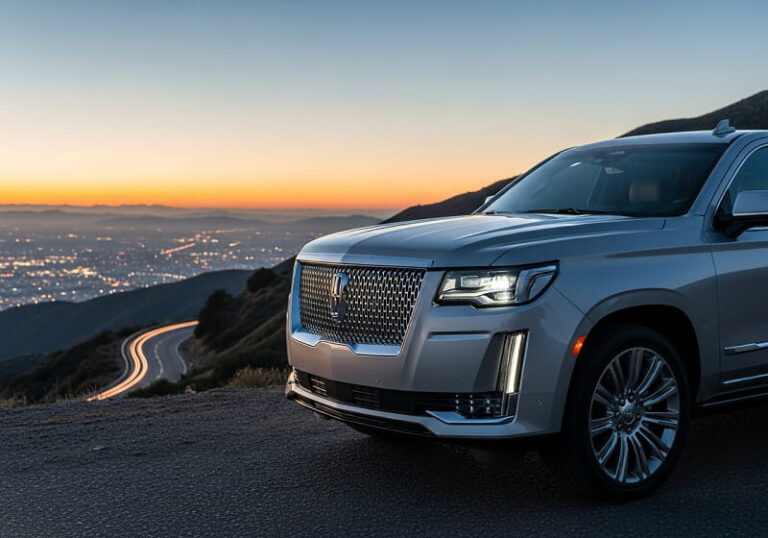
As we approach the middle of the decade, the market for large SUVs is experiencing a transformative shift. No longer just bulky people-haulers, these vehicles are at the forefront of automotive technology, blending immense capability with sophisticated features, advanced safety systems, and increasingly, electrified powertrains. Families, adventurers, and luxury seekers alike are looking for a vehicle that can do it all: comfortably seat up to eight, tow a substantial load, navigate any terrain, and do so with an eye on efficiency and infotainment. The 2026 model year represents a significant step in this evolution, with key players introducing major updates, all-new models, and a clear path toward an electric future while refining the traditional internal combustion engine. This guide delves into the most noteworthy large SUVs for 2026, providing a detailed examination of their capabilities, innovations, and what sets each apart in a highly competitive segment.
The definition of “large” continues to expand, encompassing everything from full-size body-on-frame behemoths built for rugged durability to more car-like unibody luxury liners that prioritize ride comfort and interior opulence. Consumers are presented with an unprecedented array of choices, making the decision more complex than ever. Factors such as towing capacity, third-row comfort, fuel economy, and the depth of standard driver-assistance technology are critical differentiators. Furthermore, the integration of seamless smartphone connectivity, over-the-air update capabilities, and premium audio systems has become expected, not exceptional. This analysis cuts through the marketing to present a clear picture of which 2026 large SUVs deliver on their promises and which truly redefine the category.
Defining the Modern Large SUV
The large SUV segment is bifurcated into two primary architectures: body-on-frame and unibody. Body-on-frame SUVs, like the Chevrolet Tahoe and Ford Expedition, are built on a separate ladder frame. This traditional truck-based construction offers exceptional strength, superior towing and payload ratings, and often better off-road prowess due to robust suspension systems. The trade-off has historically been a ride quality that can feel more truck-like and less refined on paved roads, though recent generations have made massive strides in comfort and handling. Unibody SUVs, such as the Kia Telluride and Volkswagen Atlas, feature a integrated frame and body structure. This design typically yields a smoother, more car-like ride, superior interior packaging that can maximize passenger and cargo space, and often better on-road fuel efficiency.
For 2026, the lines are blurring. Truck-based SUVs incorporate independent rear suspensions and magnetic ride control to mimic the comfort of their unibody rivals, while unibody models are offering more powerful engines and sophisticated all-wheel-drive systems to boost their capability. The most significant trend, however, is the rapid adoption of electrification. Hybrid powertrains are becoming commonplace, offering a boost in power and fuel economy without requiring plug-in charging. Meanwhile, several automakers have introduced or announced fully electric large SUVs, promising instantaneous torque, silent operation, and drastically reduced operating costs, albeit with considerations for charging infrastructure and purchase price.
Key Factors for Choosing a 2026 Large SUV
Before examining specific models, understanding the core metrics of comparison is essential. A great large SUV excels in multiple areas, not just one.
- Third-Row Usability: This is a primary differentiator. The best SUVs offer a third row that is accessible via wide-opening doors and spacious second-row passage, with sufficient headroom, legroom, and seat cushioning for adults to ride comfortably for more than short trips. Some models offer power-folding third rows for convenience.
- Towing and Payload Capacity: For those with boats, trailers, or campers, towing capacity is non-negotiable. Top contenders offer ratings from 5,000 to over 9,000 pounds when properly equipped. Payload capacity, or how much weight you can put inside the vehicle, is equally important for family trips or hauling gear.
- Powertrain and Efficiency: Engine options range from turbocharged four-cylinders and V6s to robust V8s and hybrid systems. Power output, torque delivery, and real-world fuel economy (EPA estimates are a starting point) vary widely. Consider whether a traditional gas engine, a hybrid, or a plug-in hybrid suits your driving patterns.
- Technology and Infotainment: A large, responsive touchscreen with intuitive software is now a baseline expectation. Key features include wireless Apple CarPlay and Android Auto, built-in navigation, multiple USB ports (especially Type-C), and available premium audio systems from brands like Bose, Harman Kardon, or Meridian.
- Safety and Driver-Assistance Features: Standard automated emergency braking, blind-spot monitoring, and lane-keeping assist are increasingly common. The most advanced systems offer hands-free highway driving aids, surround-view camera systems, and enhanced night-vision displays.
In-Depth Reviews of 2026’s Leading Contenders
The following section provides a detailed analysis of the most significant large SUVs for the 2026 model year. This includes updated classics, all-new entrants, and models that have consistently set benchmarks for the segment.
The Established Champions: Refined Capability
These models have long dominated the segment and continue to evolve with significant updates for 2026, focusing on refining powertrains, enhancing interiors, and adding more standard technology.
Chevrolet Tahoe and Suburban: The iconic American full-size SUVs receive a substantial mid-cycle refresh for 2026. Exterior styling is sharpened, but the most notable changes are inside, with a new, larger panoramic infotainment screen running Google Built-In software, offering seamless integration with Google Maps and Assistant. The powertrain lineup remains strong, centered on a 5.3L V8 and the available 6.2L V8, with a 3.0L Duramax turbo-diesel offering impressive torque and towing efficiency. The independent rear suspension continues to provide a surprisingly composed ride, and the Suburban’s colossal cargo space remains unmatched. New for 2026 are enhanced Super Cruise hands-free driving capabilities on even more miles of compatible highway.
Ford Expedition and Expedition MAX: Ford’s answer is built on a strong foundation of an EcoBoost twin-turbo V6 engine that delivers V8-like power with better efficiency. The 2026 model sees updates to its SYNC infotainment system for faster response and introduces more advanced Pro Power Onboard functionality, turning the SUV into a mobile generator—a hugely practical feature for tailgating or remote worksites. The Expedition’s interior is spacious and functional, with clever storage solutions. Its fully independent suspension provides excellent ride isolation from road imperfections, making it a favorite for long-distance travel.
The Luxury Leaders: Opulence and Performance
This category elevates the large SUV experience with premium materials, whisper-quiet cabins, powerful and smooth powertrains, and often, the latest in automotive luxury technology.
Cadillac Escalade: The Escalade remains the undisputed king of American luxury SUV presence. For 2026, it builds on its already impressive formula. The cabin’s pièce de résistance is still the massive OLED curved display that stretches across the dashboard, offering breathtaking clarity for the gauge cluster and infotainment. A premium AKG Studio Reference audio system is available. Powertrain options include a 6.2L V8 and a fuel-saving 3.0L Duramax diesel. The available Magnetic Ride Control 4.0 and air suspension deliver a magic-carpet ride. New executive second-row seating packages with massaging seats and individual screens further cement its status.
Lincoln Navigator: The Navigator takes a different approach to luxury, emphasizing serene comfort and effortless power. Its twin-turbo V6 is remarkably smooth and potent, and its interior is a haven of soft-touch leather, genuine wood, and impeccable fit and finish. The 30-way power-adjustable Perfect Position seats are arguably the best in the business. For 2026, Lincoln has focused on refining its Active Glide hands-free highway assist system and enhancing the connectivity features of its SYNC system to offer a more relaxed and connected journey.
The Value and Family-Focused Standouts
These models prove that you don’t need a luxury badge to get a supremely capable, well-equipped, and thoughtfully designed large SUV. They often lead the segment in terms of standard features for the price.
Kia Telluride: Although not the largest in physical dimensions, the Telluride’s packaging efficiency gives it best-in-class third-row legroom. It has consistently won awards for its handsome, rugged styling, upscale interior, and long list of standard safety and convenience tech. The 2026 model is expected to receive a comprehensive update with new lighting signatures, an upgraded infotainment system, and potentially a hybrid variant to join its potent V6 engine. Its value proposition and overall polish make it a perennial top pick for families.
Toyota Sequoia: After a complete redesign, the Sequoia returned to the market with a body-on-frame platform shared with the Tundra pickup and a standard i-FORCE MAX hybrid powertrain. This system combines a twin-turbo V6 with an electric motor for exceptional low-end torque, strong towing (up to 9,000 lbs), and improved fuel economy over the old V8. The 2026 model continues with this capable setup, offering a robust TRD Pro off-road variant and a luxurious Capstone trim. Its traditional truck-based feel is apparent, but the hybrid power delivery is a major asset.
The Electrified Future: Hybrids and EVs
The shift toward electrification is undeniable, and large SUVs are a key battleground. These models offer a glimpse into the future of the segment, combining size with efficiency and new technology.
Toyota Grand Highlander Hybrid Max: Slotting between the Highlander and Sequoia, the Grand Highlander is a masterclass in spacious, efficient family transportation. The top-tier Hybrid Max powertrain is the star, delivering a combined 362 horsepower with the smooth, instant response of electric motors, all while achieving EPA ratings that embarrass many smaller SUVs. Its interior is thoughtfully designed with ample storage, easy-to-use controls, and a genuinely usable third row. It represents the pinnacle of no-compromise, hybrid family travel.
Kia EV9: As one of the first dedicated large three-row electric SUVs from a mainstream brand, the EV9 is a landmark vehicle. Its bold, futuristic design houses a flexible interior with available second-row captain’s chairs that can swivel 180 degrees. With long-range battery options, it can travel an estimated 280-300 miles on a charge. All-wheel-drive models are impressively quick. Most importantly, it offers bi-directional charging (vehicle-to-load), allowing it to power home appliances or other electric devices, a feature that redefines the SUV’s role.
Chevrolet Suburban EV (Projected): While not yet on sale, Chevrolet has confirmed an all-electric Suburban is in development, slated for release in the 2026-2027 timeframe. It promises to retain the colossal space and towing prowess of the gasoline model but with the silent, zero-emission operation and low running costs of an EV. It is expected to utilize GM’s Ultium battery platform, which should offer competitive range and support ultra-fast DC charging.
Current Market Prices, Pros and Cons, and Pro Tips
Market Overview and Pricing
As of 2026, the entry point for a new large SUV starts in the mid-$40,000s for base models of vehicles like the Chevrolet Tahoe or Ford Expedition. Well-equipped mainstream models with popular option packages typically land in the $55,000 to $70,000 range. The luxury sphere, occupied by the Cadillac Escalade and Lincoln Navigator, begins around $85,000 and can easily surpass $110,000 for fully-loaded versions or special editions. The new wave of electric large SUVs, like the Kia EV9, commands a premium, with prices generally starting in the mid-$50,000s and reaching into the $70,000s for top trims. Hybrid models, such as the Toyota Grand Highlander Hybrid Max or the hybrid Sequoia, often carry a price premium of $2,000 to $4,000 over their gasoline counterparts, which can be offset by fuel savings and potential tax incentives over time.
Pros and Cons of 2026 Large SUVs
Understanding the inherent trade-offs is crucial to making the right choice.
- Pros: The primary advantage is unparalleled versatility. They offer best-in-class passenger and cargo space, making them ideal for large families or groups. Towing capability is a major strength for owners of boats, trailers, or horse carriers. Modern large SUVs provide a commanding view of the road, a sense of security, and are now packed with luxury and technology features that rival premium sedans. The move toward hybrid and electric options also provides improved fuel efficiency and performance.
- Cons: The most obvious drawback is fuel economy. Even with hybrids, these are large, heavy vehicles, and efficiency lags behind smaller crossovers. Their size can make them challenging to park and maneuver in tight urban environments. Purchase price and operating costs (tires, insurance) are generally higher. Finally, their environmental footprint, even for hybrids, is larger than that of smaller, more efficient vehicles.
Pro Tips for Buyers
Arming yourself with knowledge can save money and ensure satisfaction.
- Negotiate on Truck-Based Models: Traditional domestic full-size SUVs (Tahoe, Suburban, Expedition) often have more negotiating room at dealerships compared to the hottest-selling unibody or hybrid models. Research invoice pricing and be prepared to walk away.
- Prioritize Your Must-Haves: Avoid getting upsold on unnecessary features. If you never go off-road, skip the expensive off-road package. If your kids are older, the rear-seat entertainment system might be less critical than a better audio system. Make a firm list before you shop.
- Test the Third Row in Person: Never assume the third row is usable based on specs alone. Bring your family or friends to the dealership. Have an adult sit in the back for at least 10-15 minutes with the second row in a typical position to assess real-world comfort.
- Consider Certified Pre-Owned (CPO): For luxury models like the Escalade or Navigator, a one- or two-year-old CPO vehicle can offer tremendous value. You get a nearly new car with a factory-backed extended warranty, often for tens of thousands less than a new model.
- Factor in Total Cost of Ownership: Look beyond the sticker price. Calculate estimated fuel costs for your annual mileage, insurance quotes for the specific models you’re considering, and research reliability ratings and common repair costs. An efficient hybrid might have a higher upfront cost but lower running expenses.
Frequently Asked Questions
Q: What is the most reliable large SUV for 2026?
Based on historical data and projected reliability from organizations like J.D. Power and Consumer Reports, Toyota and Lexus products consistently rank at the top. The Toyota Sequoia and Grand Highlander, with their proven hybrid systems and Toyota’s reputation for durability, are strong candidates. The Kia Telluride has also demonstrated excellent reliability since its introduction.
Q: Which 2026 large SUV has the best fuel economy?
Among non-plug-in models, the Toyota Grand Highlander Hybrid Max leads the pack, with EPA ratings often exceeding 30 MPG combined—a remarkable figure for a vehicle of its size. The standard hybrid Grand Highlander is even more efficient. Among traditional gasoline models, the Ford Expedition’s turbocharged V6 and the Chevrolet Tahoe’s diesel option offer competitive highway mileage.
Q: Can a large SUV be a good daily driver?
Yes, modern large SUVs are designed to be comfortable and manageable daily drivers. Their ride quality has improved dramatically, and features like surround-view cameras, parking sensors, and automated parking assist mitigate the challenges of their size. However, if your daily commute involves tight city streets or small parking garages, a midsize or compact SUV might be less stressful.
Q: Should I wait for a fully electric large SUV?
This depends on your driving habits and access to charging. If you have a place to charge at home (a Level 2 charger is ideal), primarily take trips within the vehicle’s range (250-350 miles), and want the lowest operating costs and instant torque, an EV like the Kia EV9 is a compelling choice. If you frequently take long road trips to areas with sparse fast-charging infrastructure or need to tow long distances regularly, a hybrid or traditional gasoline SUV remains the more practical option for 2026.
Q: What is the most important safety feature to look for?
While a full suite of airbags and a strong safety cage are fundamental, the most impactful advanced feature is Automatic Emergency Braking (AEB) with pedestrian detection. This system can prevent or mitigate frontal collisions and is now standard on most new vehicles. For highway driving, a comprehensive adaptive cruise control system with lane centering can significantly reduce driver fatigue and enhance safety on long journeys.
Conclusion
The landscape for large SUVs in 2026 is richer and more varied than ever before, presenting consumers with an array of compelling choices that cater to diverse needs and priorities. From the traditional, rugged capability of the updated Chevrolet Tahoe and Ford Expedition to the opulent, technology-filled cabins of the Cadillac Escalade and Lincoln Navigator, the segment continues to push boundaries. The rise of exceptionally efficient and powerful hybrids, exemplified by the Toyota Grand Highlander and Sequoia, offers a pragmatic bridge to the future, delivering substantial capability without the traditional fuel economy penalty. Most significantly, the arrival of dedicated electric large SUVs like the Kia EV9 signals a fundamental shift, proving that zero-emission transportation can successfully scale to meet the demands of large families and active lifestyles. Ultimately, the best 2026 large SUV is not a single vehicle but the one that best aligns with an individual’s specific requirements for space, capability, technology, efficiency, and budget. By carefully considering third-row usability, powertrain options, intended use, and total cost of ownership, buyers can confidently navigate this dynamic market and select a vehicle that will serve as a reliable and satisfying companion for years to come.

Full-stack developer at Scylla Technologies (USA), working remotely from Bangladesh. Adobe Certified Magento Developer.
