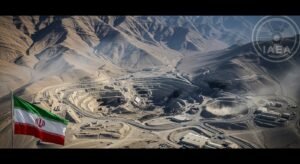
In a significant escalation of tensions surrounding its nuclear program, Iran has formally refused to permit inspectors from the International Atomic Energy Agency to access facilities damaged during military strikes earlier this year. This decision, announced by senior Iranian officials, underscores ongoing disputes over international oversight and the aftermath of attacks attributed to the United States and Israel. The move has prompted widespread concern among global powers, highlighting the fragile state of nuclear non-proliferation efforts in the region.
The refusal comes amid calls from the United Nations Security Council for Iran to comply with its obligations under international safeguards. Officials in Tehran argue that the agency must first establish clear guidelines for inspecting sites compromised by military action, a position that has drawn criticism from Western nations. This standoff represents a critical juncture in the long-standing debate over Iran’s nuclear ambitions and the role of international monitoring bodies.
As diplomatic efforts continue, the international community watches closely for potential ramifications on regional stability and broader arms control agreements. The situation has reignited discussions on the effectiveness of existing frameworks like the Joint Comprehensive Plan of Action, which has faced numerous challenges since its inception. Stakeholders emphasize the need for renewed dialogue to prevent further deterioration.
Historical Context of Iran’s Nuclear Program
Iran’s nuclear activities have been a focal point of international scrutiny for decades, with the program officially launched in the 1950s under the Atoms for Peace initiative. Over time, concerns arose regarding potential military dimensions, leading to sanctions and diplomatic isolation. The program’s expansion in the early 2000s prompted heightened monitoring by the International Atomic Energy Agency, which has conducted thousands of inspections to verify compliance with the Nuclear Non-Proliferation Treaty.
Key facilities such as Natanz, an underground uranium enrichment plant, and Fordo, a heavily fortified site built into a mountain, have been central to these efforts. These locations are equipped with advanced centrifuges capable of producing enriched uranium for both civilian energy purposes and, potentially, weapons-grade material. Despite Iran’s assertions of peaceful intent, discoveries of undeclared activities in the past have fueled suspicions among Western intelligence agencies.
The 2015 Joint Comprehensive Plan of Action marked a temporary thaw, with Iran agreeing to limit enrichment levels and allow enhanced inspections in exchange for sanctions relief. However, the agreement’s unraveling began in 2018 when the United States withdrew, reinstating economic pressures that prompted Iran to gradually reduce its commitments. By 2025, the deal’s sunset clauses had begun to expire, further complicating the landscape.
Recent years have seen Iran advance its capabilities, including the installation of more efficient centrifuges and increased stockpiles of enriched uranium. Reports from monitoring bodies indicate that Iran possesses enough material, if further enriched, to produce several nuclear devices, though no evidence suggests active weaponization. This progress has been cited as a justification for military actions by adversaries.
The June 2025 Military Strikes
The catalyst for the current impasse was a series of coordinated strikes in June 2025, targeting multiple Iranian nuclear installations. These operations, carried out by forces from the United States and Israel, inflicted substantial damage on critical infrastructure. Satellite imagery and intelligence assessments revealed extensive destruction at sites including Natanz, where centrifuge halls were reportedly obliterated, and Isfahan, a key research and development center.
The attacks were described by involved parties as preemptive measures to curb what they perceived as an imminent threat from Iran’s advancing program. Israeli officials publicly stated that the strikes aimed to set back Iran’s capabilities by years, while U.S. statements emphasized the need to enforce non-proliferation norms. Iran condemned the actions as acts of aggression against sovereign facilities under international safeguards.
In the immediate aftermath, Iran expelled resident inspectors and suspended cooperation, citing safety concerns and the agency’s failure to protect registered sites. The strikes resulted in undisclosed casualties and environmental risks, with potential radiation leaks raising alarms among neighboring countries. Reconstruction efforts have since been observed, but the full extent of the damage remains opaque due to restricted access.
Diplomatic repercussions were swift, with the United Nations convening emergency sessions to address the violations. The incident marked a rare instance of direct military intervention against safeguarded nuclear assets, setting a precedent that experts warn could undermine global inspection regimes. Iran’s response included bolstering defenses around remaining facilities and accelerating certain research activities.
Iran’s Official Position and Rationale
Senior Iranian authorities have articulated a clear stance on the inspection demands, insisting on procedural clarity before resuming cooperation. Mohammad Eslami, head of the Atomic Energy Organization of Iran, has repeatedly stated that the agency must define protocols for post-conflict scenarios. He argues that without condemnation of the strikes or established guidelines, inspections would effectively legitimize the aggression.
This position is rooted in Iran’s interpretation of safeguards agreements, which it claims do not account for wartime damages. Officials highlight Article 68 of the safeguards framework, suggesting it provides a basis for demanding new rules. Eslami has emphasized that Iran’s program remains transparent for undamaged sites, but bombed facilities require special considerations to ensure inspector safety and prevent intelligence exploitation.
Further, Iranian diplomats at the United Nations have rejected resolutions calling for immediate access, labeling them as politically motivated. They point to historical biases in the agency’s reporting, accusing it of succumbing to Western pressures. This rhetoric aligns with domestic narratives portraying the refusal as a defense of national sovereignty against external interference.
The government has also launched initiatives to counter perceived misinformation, encouraging public and media engagement to highlight peaceful aspects of the program. Such efforts aim to bolster internal support while signaling resolve to international audiences. Analysts note that this approach may serve to buy time for repairs and strategic recalibrations.
Response from the International Atomic Energy Agency
The agency has maintained a firm yet diplomatic posture, urging Iran to fulfill its obligations under the Nuclear Non-Proliferation Treaty. Director General Rafael Mariano Grossi has expressed frustration over the prolonged denial of access, warning that it hampers verification of nuclear material inventories. In quarterly reports, the organization has detailed challenges in accounting for enriched uranium at affected sites.
Efforts to negotiate a temporary agreement have included proposals for remote monitoring and limited visits, but these have been rebuffed by Tehran. The agency has reiterated its independence, rejecting accusations of bias and emphasizing its role in preventing proliferation. Board resolutions have censured Iran for non-cooperation, calling for verifiable declarations on material status.
Despite the impasse, the agency continues inspections at operational facilities, reporting no diversions from peaceful uses. However, the lack of access to damaged sites raises concerns about potential undeclared activities. Grossi has advocated for multilateral talks to resolve the procedural disputes, stressing the importance of trust in the safeguards system.
Technical teams have prepared contingency plans for eventual inspections, including enhanced safety measures for contaminated areas. The organization’s stance reflects a balance between enforcement and engagement, aiming to avoid escalation while upholding its mandate.
International Reactions and Diplomatic Efforts
Global responses to Iran’s refusal have varied, with Western nations leading calls for compliance. The European Union, through its delegation at the United Nations, has urged Iran to provide updated declarations on nuclear activities. Deputy head Hedda Samson highlighted the threat to international peace, emphasizing the need for transparency to rebuild confidence.
France’s representative echoed these sentiments, describing non-compliance as a grave risk. The United States has supported these positions, advocating for stricter measures if access remains denied. In contrast, allies like Russia and China have defended Iran’s right to seek clarifications, arguing that the strikes violated international norms.
Israel, viewing the program as an existential threat, has welcomed the standoff as evidence of Iran’s intransigence. Officials there continue to monitor developments closely, prepared for further actions if necessary. Middle Eastern neighbors, including Saudi Arabia, have expressed unease over potential instability, calling for de-escalation.
Diplomatic initiatives include backchannel talks in neutral venues, with proposals for a revised framework incorporating post-conflict inspections. The United Nations Security Council has debated reimposing sanctions, though veto powers complicate consensus. Experts suggest that a comprehensive dialogue addressing underlying grievances could pave the way for resolution.
Key International Reactions
- United States: The U.S. administration has condemned Iran’s refusal as obstructive, linking it to broader patterns of non-compliance. Officials argue that immediate access is essential to verify no diversion of materials occurred during or after the strikes. This position aligns with long-term goals of curbing Iran’s regional influence through economic and diplomatic pressures.
- European Union: EU representatives have focused on the implications for non-proliferation, urging swift cooperation to prevent escalation. They have proposed technical assistance for safe inspections, emphasizing collaborative solutions. This approach reflects Europe’s preference for multilateralism over unilateral actions.
- Russia: Moscow has criticized the initial strikes as provocative, supporting Iran’s call for condemnation. Russian diplomats argue that the agency should prioritize rebuilding trust rather than enforcing demands. This stance serves strategic interests in countering Western dominance in global forums.
- China: Beijing echoes calls for dialogue, rejecting what it sees as politicized resolutions. Officials advocate for balanced oversight that respects sovereignty. China’s position is influenced by economic ties with Iran and opposition to U.S.-led interventions.
- Israel: Israeli leaders view the refusal as confirmation of hidden agendas, justifying past and potential future operations. They have intensified intelligence sharing with allies to monitor rebuilding efforts. This response underscores Israel’s proactive defense strategy against perceived threats.
- France: As a key player in past negotiations, France has warned of security risks from prolonged denial. Representatives push for verifiable steps to ensure material safety. France’s involvement highlights its commitment to nuclear disarmament initiatives.
- Saudi Arabia: Riyadh expresses concern over regional instability, calling for international guarantees against proliferation. Officials advocate for inclusive talks involving Gulf states. This reaction reflects broader rivalries and desires for balanced power dynamics.
- United Nations: The Security Council emphasizes adherence to resolutions, with members debating enforcement mechanisms. The body seeks to mediate without exacerbating tensions. This collective effort aims to preserve the integrity of global governance structures.
Implications for Global Nuclear Security
The ongoing dispute poses significant risks to international nuclear security frameworks, potentially eroding confidence in inspection regimes. Without access, uncertainties about Iran’s stockpiles could fuel arms races in the region, prompting neighbors to enhance their own capabilities. Experts warn that prolonged standoffs might encourage other nations to challenge oversight, weakening the Nuclear Non-Proliferation Treaty.
Economic ramifications include sustained sanctions, impacting Iran’s economy and global energy markets. Heightened tensions could disrupt oil supplies, leading to price volatility. Politically, the situation bolsters hardliners in Tehran, complicating internal reforms and external negotiations.
On a broader scale, the incident highlights vulnerabilities in protecting nuclear sites from military actions. Calls for updated international laws to prohibit attacks on safeguarded facilities have gained traction. Organizations like the Arms Control Association advocate for strengthened protocols to address such scenarios.
Environmental concerns also loom, with potential contamination from damaged reactors affecting ecosystems and public health. Monitoring groups stress the need for independent assessments to mitigate risks. The dispute underscores the interconnectedness of security, diplomacy, and humanitarian issues in nuclear matters.
Challenges in Verification and Monitoring
Verification processes have been strained by the denial of access, with the agency relying on satellite imagery and historical data for assessments. This limitation reduces accuracy in tracking material movements and enrichment levels. Technical experts note that remote sensing cannot fully substitute for on-site inspections, which include sampling and equipment checks.
Iran’s advancements in centrifuge technology further complicate monitoring, as newer models enable faster enrichment. Reports indicate ongoing installations at undamaged sites, potentially offsetting losses from the strikes. The agency has called for enhanced transparency to address these developments.
Diplomatic hurdles include differing interpretations of safeguards obligations, with Iran insisting on reciprocity. Past agreements, such as the 2021 temporary deal, provide models for compromise, but current dynamics differ due to the military context. Building consensus requires addressing mutual distrust through confidence-building measures.
International collaboration remains key, with joint technical working groups proposed to draft post-conflict guidelines. Such initiatives could restore access while safeguarding Iran’s concerns. The path forward demands patience and innovative diplomacy to navigate the complex interplay of interests.
Evolving Dynamics in Iran-IAEA Relations
Relations between Iran and the agency have fluctuated, marked by periods of cooperation and confrontation. Early engagements focused on technical assistance, evolving into rigorous safeguards amid proliferation fears. Landmark reports in the 2010s detailed possible military dimensions, leading to intensified scrutiny.
The 2015 accord represented a high point, with Iran granting unprecedented access. Subsequent breakdowns, including camera tampering and inspector expulsions, have tested the relationship. The 2025 strikes and refusal add a new layer, shifting focus from routine verification to crisis management.
Agency leadership has emphasized impartiality, countering claims of Western influence. Annual reports document compliance levels, providing a factual basis for discussions. Iran’s contributions to nuclear science, such as medical isotope production, are acknowledged, balancing criticism with recognition of legitimate pursuits.
Future prospects hinge on resolving procedural disputes, potentially through a dedicated conference on safeguards in conflict zones. Such forums could yield binding commitments, enhancing resilience against disruptions. Sustained engagement is essential to prevent irreversible setbacks.
Potential Pathways to Resolution
Resolving the impasse requires multifaceted approaches, beginning with bilateral talks between Iran and the agency. Proposals include phased access, starting with less sensitive sites to build momentum. Incentives like targeted sanctions relief could encourage cooperation, mirroring past negotiations.
Multilateral involvement, involving key stakeholders, offers broader legitimacy. Formats like the P5+1 could be revived to address comprehensive issues, including security guarantees. Technical exchanges on safety protocols might alleviate Iran’s concerns over inspector vulnerabilities.
Civil society and expert input can inform solutions, with think tanks proposing hybrid monitoring using advanced technologies. Confidence-building through joint exercises or data sharing fosters trust. Ultimately, resolution demands political will to prioritize shared goals over adversarial postures.
Monitoring progress involves regular updates from the agency, ensuring accountability. Diplomatic capitals continue to engage, seeking openings for breakthroughs. The situation’s evolution will shape the trajectory of regional and global security for years to come.
Broader Geopolitical Ramifications
The refusal intersects with wider geopolitical shifts, including U.S. foreign policy recalibrations and Middle East alliances. Iran’s alignment with Russia and China provides leverage, potentially offsetting Western pressures. This dynamic influences negotiations, with proxy conflicts adding layers of complexity.
Energy security concerns arise, as Iran’s role in global oil markets amplifies economic stakes. Disruptions could exacerbate inflation and supply chain issues worldwide. Policymakers weigh these factors in crafting responses, balancing deterrence with stability.
Human rights dimensions also factor in, with domestic protests in Iran linking nuclear policies to governance critiques. International advocacy groups monitor for escalations impacting civilians. The interplay of these elements underscores the multifaceted nature of the crisis.
Strategic analyses suggest that prolonged denial could prompt covert operations or cyber interventions, heightening risks. Preventive diplomacy aims to avert such outcomes, promoting verifiable de-escalation. The international community’s cohesion will determine the efficacy of these efforts.
Expert Perspectives on the Dispute
Analysts from institutions like the Arms Control Association provide insights into the technical challenges, noting the difficulty in verifying damaged infrastructures. They recommend adaptive safeguards incorporating digital tools for interim oversight. Such innovations could bridge gaps until full access is restored.
Security experts highlight the precedent-setting nature of the strikes, warning of copycat actions elsewhere. They advocate for updated United Nations resolutions prohibiting attacks on nuclear sites. This legal evolution is seen as crucial for maintaining regime integrity.
Diplomatic commentators emphasize the role of neutral mediators, suggesting venues like Oman for discreet talks. They note historical successes in backchannel diplomacy resolving similar impasses. Patience and incremental progress are advised over confrontational tactics.
Economic specialists assess the impact on Iran’s resilience, predicting sustained pressures could force concessions. However, diversification efforts may mitigate effects, prolonging the standoff. Balanced assessments inform policy recommendations across capitals.
Timeline of Key Events
To contextualize the current situation, a review of pivotal moments reveals patterns in the ongoing saga. The sequence begins with foundational agreements and escalates through breaches and interventions. Understanding this chronology aids in appreciating the depth of entrenched positions.
- The 1950s marked the inception of Iran’s nuclear program with U.S. assistance, focusing on civilian applications. Initial cooperation laid the groundwork for future engagements. Over decades, the program expanded amid shifting political landscapes.
- In 2002, revelations of undeclared facilities prompted agency investigations, uncovering enrichment activities. This sparked international alarm and sanctions. Iran maintained its right to peaceful nuclear energy under treaty provisions.
- The 2015 Joint Comprehensive Plan of Action represented a diplomatic milestone, curbing activities for relief. Implementation included robust monitoring. However, compliance waned following U.S. withdrawal in 2018.
- By 2021, Iran restricted access amid disputes, leading to temporary accords. These measures preserved minimal oversight. Tensions simmered with incremental breaches.
- June 2025 saw the U.S.-Israel strikes, damaging key sites and prompting expulsion of inspectors. This direct action altered the dynamics profoundly. Iran cited violations of sovereignty in response.
- November 2025 agency reports highlighted verification gaps, urging cooperation. Resolutions censured non-compliance. Diplomatic pressures intensified globally.
- December 2025 brought Iran’s formal refusal, demanding post-war protocols. Statements from officials solidified the stance. International meetings debated paths forward.
This timeline illustrates the cyclical nature of confrontations and negotiations, with each phase building on predecessors. Future entries will depend on evolving responses.
Future Outlook and Strategic Considerations
Looking ahead, the dispute’s resolution hinges on mutual concessions and external facilitations. Scenarios range from renewed accords to heightened isolations. Stakeholders prepare for contingencies, including enhanced monitoring technologies.
Regional dialogues could integrate the issue into broader peace initiatives, addressing interconnected conflicts. Success requires aligning incentives with verifiable commitments. The international framework’s adaptability will be tested.
Public opinion influences outcomes, with awareness campaigns shaping perceptions. Transparent reporting fosters informed debates. Ultimately, sustainable solutions prioritize prevention over reaction.
The situation demands vigilant oversight and proactive engagement to safeguard global interests.
Conclusion
The refusal by Iran to allow inspections of its bombed nuclear facilities until clear post-strike guidelines are established represents a pivotal challenge to international nuclear oversight. This development, stemming from the June 2025 military actions, has elicited diverse reactions from global powers, underscoring divisions in approaches to non-proliferation. While Iran maintains its program is peaceful and demands procedural clarity, the International Atomic Energy Agency and Western nations insist on immediate compliance to verify safeguards.
The impasse highlights vulnerabilities in existing frameworks, with implications for regional stability, economic dynamics, and environmental safety. Historical patterns of cooperation and conflict suggest that diplomatic innovation could yield resolutions, but entrenched positions pose obstacles. As efforts continue to bridge gaps, the international community must prioritize dialogue to prevent escalation and preserve the integrity of global security mechanisms.