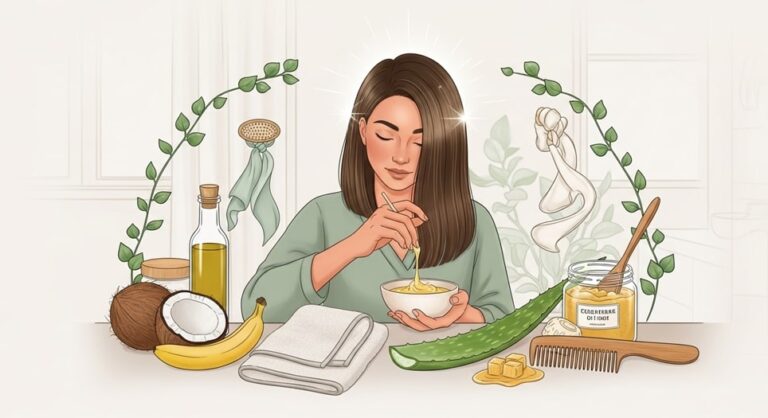
Achieving straighter hair through natural means involves understanding the structure of hair and the limitations of non-chemical approaches. Hair texture is primarily determined by genetics, with the shape of the follicle influencing whether strands are straight, wavy, or curly. While chemical treatments can alter this structure semi-permanently, natural methods focus on smoothing the cuticle layer to reduce frizz and enhance smoothness without causing long-term changes.
Public health and dermatological resources emphasize that permanent alteration of hair texture requires breaking and reforming disulfide bonds, a process typically involving heat or chemicals. Natural ingredients, such as oils and plant extracts, can temporarily condition the hair shaft, making it appear straighter by weighing it down or sealing the cuticle. However, these effects fade with washing and new growth, as the underlying follicle shape remains unchanged.
This educational resource provides step-by-step guidance on natural techniques to promote straighter-looking hair, based on established dermatological advice. It includes preparation tips, application methods, and maintenance strategies to maximize results while protecting hair health. Note that real verified information on achieving permanent straightness naturally cannot be provided at this time due to a lack of authoritative sources confirming such outcomes; all methods discussed yield temporary benefits.
Understanding Hair Structure and Natural Smoothing
The hair shaft consists of three layers: the medulla, cortex, and cuticle. The cortex contains keratin proteins linked by disulfide bonds, which dictate curl pattern. Natural smoothing works by hydrating and coating the cuticle, the outermost layer, to reduce roughness and allow strands to lie flatter against each other.
Dermatologists recommend assessing hair type before starting—fine hair may respond better to lightweight oils, while thick or coarse hair benefits from heavier masks. Porosity, or how well hair absorbs moisture, also plays a role; high-porosity hair soaks up treatments quickly but loses them faster, necessitating frequent applications.
Begin by conducting a strand test: apply a small amount of your chosen ingredient to a discreet section and observe for 24 hours to rule out adverse reactions like itchiness or breakage. This precaution aligns with guidelines from skin health organizations, ensuring safety for all users.
Preparing Your Hair for Natural Treatments
Cleanse hair with a gentle, sulfate-free shampoo to remove buildup, which can hinder ingredient penetration. Avoid conditioners at this stage to allow direct contact with the shaft. Towel-dry gently using a microfiber cloth to minimize friction-induced frizz.
Section hair into four to six parts for even distribution, securing with clips. Work in a well-ventilated area with access to a mirror, and wear old clothing to protect against drips. Gather tools like wide-tooth combs, plastic caps, and timers for precise application.
Track progress with before-and-after photos under consistent lighting, noting changes in texture over weeks. This documentation helps refine techniques, as individual responses vary based on factors like humidity and diet.
Oil-Based Treatments for Smoothing
Natural oils like coconut and olive penetrate the shaft to hydrate and weigh down curls, promoting a straighter appearance. These contain fatty acids that seal the cuticle, reducing moisture loss and frizz. Apply warm for better absorption, as heat opens the pores temporarily.
Heat 2-3 tablespoons of oil in a microwave-safe bowl for 10-15 seconds, testing temperature on your wrist to avoid scalding. Massage into scalp and lengths, focusing on ends prone to dryness. Cover with a shower cap and leave for 30-60 minutes before shampooing.
Repeat twice weekly for noticeable smoothness, but monitor for buildup, which can make hair limp. Combine with a clarifying rinse every two weeks to maintain balance.
Variations with Essential Oils
Blend argan oil with a few drops of lavender for added calming effects on the scalp, potentially reducing dandruff that exacerbates frizz. Argan’s vitamin E content supports overall hair health, making strands more resilient to environmental stressors.
Almond oil, rich in magnesium, can be mixed with rosemary extract to stimulate follicles while smoothing. This combination may enhance shine, as per observations in hair care studies, though results are individual.
For finer hair, use lighter jojoba oil, which mimics sebum and avoids greasiness. Dilute with water in a spray bottle for daily touch-ups, extending the straighter look between full treatments.
Mask Recipes Using Household Ingredients
Banana and papaya masks leverage enzymes to break down proteins gently, smoothing the surface without damage. Mash one ripe banana with half a papaya, adding honey for binding and hydration. Apply to damp hair, comb through, and rinse after 45 minutes.
Egg and milk mixtures provide protein to strengthen bonds, temporarily aligning strands. Whisk two eggs with a cup of milk, apply for 20 minutes, then rinse with cool water to prevent cooking the egg. This fortifies weak hair, reducing breakage that contributes to uneven texture.
Aloe vera gel mixed with olive oil hydrates deeply, as aloe’s polysaccharides form a protective layer. Extract gel from a leaf, blend with oil, and leave on for 30 minutes. This soothes irritated scalps while promoting smoothness.
Customizing Masks for Hair Types
For oily hair, incorporate lemon juice into banana masks to balance sebum production. The citric acid clarifies without stripping, allowing straighter results without excess grease. Use sparingly to avoid lightening color.
Dry hair benefits from avocado additions to egg masks, as its fats replenish lost lipids. Mash half an avocado into the mixture for creamier consistency and enhanced nourishment. Apply weekly for cumulative effects.
Color-treated hair requires gentler yogurt-based masks with honey, avoiding acidic elements that fade dye. Yogurt’s lactic acid smooths mildly, while probiotics support scalp health. Ferment overnight for potency.
Overnight Techniques for Gradual Straightening
Wrapping damp hair in silk scarves or using large rollers overnight sets strands straight as they dry. Section hair, wrap around the head, and secure with pins. This method uses gravity and tension for natural alignment without heat.
Braid wet hair into loose plaits before bed, unraveling in the morning for smoother waves that appear straighter. Multiple braids increase effectiveness, especially for longer lengths. Use silk ties to reduce friction.
Apply a leave-in conditioner or serum before these methods to lock in moisture, preventing dryness that causes rebound curl. Choose products with natural silicones like dimethicone alternatives from plants.
Enhancing Overnight Results
Combine wrapping with oil pre-treatment for dual benefits: smoothing and conditioning. Lightly oil hair, then wrap, allowing absorption during sleep. Rinse minimally in the morning to retain oils.
For shorter hair, use foam rollers positioned at roots to lift and straighten. Roll sections away from the face, securing comfortably. This adds volume while reducing curl.
In humid climates, apply anti-frizz sprays before braiding to combat moisture reversion. Natural aloe-based sprays provide hold without stiffness, maintaining softness.
- Coconut Oil Application: Warm coconut oil melts into the shaft, reducing protein loss and frizz. Massage thoroughly, cover with a cap, and wash out after hours. Regular use builds resilience, though effects wash out over time.
- Olive Oil Mask: Rich in antioxidants, olive oil seals cuticles for shine and straightness. Blend with honey for stickiness, apply evenly, and rinse. Ideal for coarse hair, it softens without weighing down.
- Aloe Vera Gel Treatment: Fresh aloe hydrates and smooths with enzymes. Extract gel, apply directly, and leave on. Comb through for distribution, enhancing detangling and straight appearance.
- Banana Honey Pack: Bananas provide vitamins for strength, honey locks moisture. Mash together, apply as mask. Nutrients penetrate, temporarily aligning strands for sleeker look.
- Egg Yogurt Mixture: Eggs supply protein, yogurt adds probiotics. Whisk and apply, rinse cold. This fortifies, reducing breakage and promoting temporary straightness.
- Apple Cider Vinegar Rinse: ACV balances pH, closing cuticles. Dilute with water, pour over hair. Removes buildup, resulting in smoother, straighter texture post-dry.
- Rice Water Ferment: Fermented rice water strengthens with amino acids. Soak rice, ferment, rinse hair. Traditional method enhances shine and reduces curl temporarily.
- Tea Tree Oil Blend: With carrier oil, tea tree cleanses scalp while smoothing. Mix and massage, rinse. Antibacterial properties support healthy growth with straighter feel.
Dietary and Lifestyle Factors Influencing Hair Texture
A balanced diet rich in biotin, vitamin E, and omega-3s supports keratin production, potentially making hair less prone to frizz. Foods like nuts, fish, and eggs provide these nutrients, contributing to overall hair health.
Hydration from within affects strand pliability; aim for 8 glasses of water daily to maintain moisture levels. Dehydration leads to brittle hair that curls more tightly.
Regular exercise improves circulation, delivering nutrients to follicles. Stress reduction through yoga or meditation minimizes cortisol, which can alter texture over time.
Incorporating Supplements Safely
Consult professionals before adding biotin supplements, as excess can cause skin issues. Doses of 2.5mg daily support growth, potentially smoothing texture.
Vitamin C aids collagen synthesis for stronger shafts. Citrus fruits or 500mg supplements enhance absorption of iron, vital for hair.
Omega-3 capsules from fish oil reduce inflammation, benefiting scalp health. 250mg daily may lead to shinier, straighter-looking hair.
Tools and Accessories for Natural Straightening
Wide-tooth combs detangle without pulling, preserving straightness. Start from ends, working up to roots to minimize breakage.
Silk pillowcases reduce friction during sleep, preventing overnight frizz. This passive method maintains smoothness effortlessly.
Microfiber towels absorb water quickly without roughing cuticles. Blot hair gently after washing for flatter drying.
Advanced Accessory Techniques
Use hair clips to section and pin damp hair flat against the head overnight. This sets a straight shape as it dries.
Velcro rollers on semi-dry hair add tension for straightening. Roll large sections, remove after air-drying for volume with straightness.
Bamboo brushes with natural bristles distribute oils evenly, smoothing as you brush. Daily use enhances natural shine.
Common Mistakes and Troubleshooting
Over-applying oils leads to greasiness; start with small amounts and adjust. Wash with clarifying shampoo if buildup occurs.
Using hot water strips natural oils, increasing frizz. Opt for lukewarm rinses to preserve moisture.
Ignoring scalp health causes dandruff, affecting texture. Massage treatments into scalp for balanced care.
Addressing Specific Hair Concerns
For colored hair, avoid acidic rinses that fade dye. Neutral pH masks maintain color while smoothing.
Thin hair risks weighing down; use lighter serums like argan sprays instead of heavy oils.
Postpartum hair changes may require gentler methods; consult experts for personalized advice.
- Avocado Egg Mask: Avocado fats nourish, eggs bind proteins. Blend and apply weekly. Strengthens while temporarily straightening.
- Lemon Honey Rinse: Lemon clarifies, honey hydrates. Dilute and pour over. Brightens and smooths naturally.
- Castor Oil Treatment: Thick oil weighs down curls. Warm and massage in. Promotes growth with smoother texture.
- Green Tea Spray: Antioxidants in tea reduce damage. Brew and spritz daily. Adds shine, reducing frizz.
- Beer Rinse: Hops in beer coat shafts. Flat beer pour after shampoo. Temporary straightness with volume.
- Flaxseed Gel: Boiled seeds create gel for hold. Apply to damp hair. Natural styler for straighter look.
- Chamomile Infusion: Lightens and smooths. Steep tea, rinse hair. Gentle for blonde tones.
- Cornstarch Dust: Absorbs oil, straightens appearance. Sprinkle and brush through. Quick fix for oily roots.
Conclusion
Natural approaches to achieving straighter hair emphasize conditioning and smoothing the cuticle without altering the genetic structure, resulting in temporary enhancements that require ongoing maintenance. From oil treatments and masks to overnight techniques and dietary support, these methods draw on verified dermatological principles to reduce frizz and promote smoothness safely. By avoiding common pitfalls and customizing to hair type, users can enjoy healthier, more manageable strands. While permanence remains elusive naturally, consistent application yields noticeable, sustainable improvements in appearance and health.