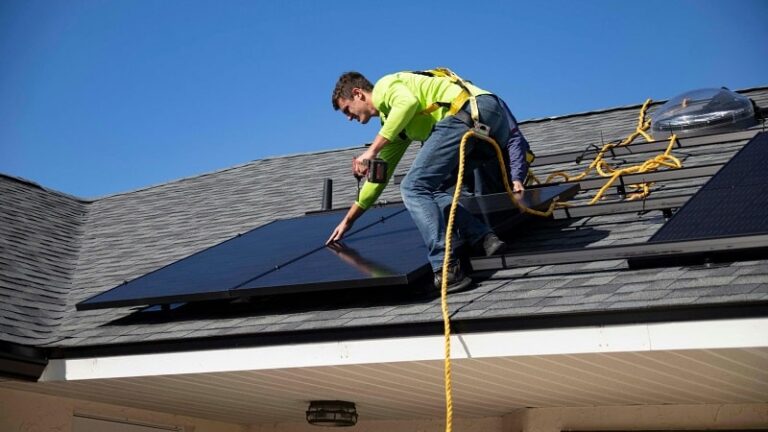
As we move deeper into the 2020s, the economics of home solar in the United States have entered a new phase. The conversation is no longer simply about environmental responsibility but is firmly centered on financial prudence and energy independence. For American homeowners considering this investment in 2026, understanding the precise costs, the competitive landscape of equipment brands, and the evolving landscape of incentives is critical. The initial price tag is just the starting point of a complex calculation involving long-term savings, increased home value, and protection against rising utility rates. This guide provides a detailed, factual breakdown of what you can expect to pay for a residential solar system this year, with specific brand comparisons and up-to-date financial analysis to inform your decision.
The solar market continues to mature rapidly, with technological improvements and manufacturing scale driving incremental efficiency gains while federal policy provides a stable foundation for investment. However, costs are not uniform. They vary significantly based on the equipment you choose, the configuration of your roof, local labor markets, and the specific incentives available in your state and from your utility provider. By dissecting each component of the total cost and providing real-world brand examples, this article will equip you with the knowledge needed to navigate quotes from installers and calculate your personalized return on investment.
The 2026 Solar Cost Landscape: National Averages and Key Variables
The benchmark for discussing solar costs remains the price per watt ($/W). In 2026, the average gross cost (before incentives) for a residential solar installation in the U.S. ranges from **$2.80 to $3.50 per watt**. This reflects continued incremental reductions in hardware and soft costs due to supply chain stabilization and increased market competition.
For the average-sized residential system of **7-8 kilowatts (kW)**—now more common due to increasing home energy use from electric vehicles and heat pumps—the total gross cost typically falls between **$19,600 and $28,000**. The single most impactful factor on final net cost is the federal Investment Tax Credit (ITC), which remains at **30%** for residential systems installed through 2032 under the Inflation Reduction Act. Applying this credit brings the net average cost for an 8 kW system into a range of approximately **$13,720 to $19,600**.
Beyond system size, several key variables will adjust your specific quote:
- Geographic Location: Labor rates, permitting complexity, and local market competition create significant regional price disparities. Installations in the Northeast and California often trend toward the higher end of the cost spectrum, while states like Florida and Texas may see lower average costs.
- Roof Characteristics: A simple, new, south-facing asphalt shingle roof is the most cost-effective base. Complex roofs with multiple angles, skylights, or premium materials (clay tile, slate, standing seam metal) require specialized mounting hardware and more labor, increasing costs by 10-25%.
- System Design and Add-Ons: Integrating a solar battery (like the Tesla Powerwall or Franklin Home Power) for backup power is a major cost adder, typically ranging from $12,000 to $20,000+ installed, before incentives. Optimizing a system for an electric vehicle charger or future home additions may also affect the initial design and price.
Detailed Cost Breakdown: Hardware, Soft Costs, and Brands
Solar Panel Equipment: Tier-1 Brand Comparisons
The panels themselves account for about 15-25% of the total system cost. The market is segmented into tiers, often defined by the manufacturer’s financial stability, warranty strength, and panel efficiency. Here are leading brands and their 2026 positioning:
- Premium Tier (High Efficiency >22%): These panels offer the highest power output per square foot, ideal for roofs with limited space. SunPower Maxeon panels lead this category with efficiencies around 22.8%, backed by a comprehensive 40-year product and performance warranty. REC Alpha Pure panels are another top contender, renowned for their durability and efficiency (~22.3%), using heterojunction cell technology. Panasonic EverVolt panels also compete here, with strong performance in low-light conditions.
- Quality Tier (High Value, 20-22% Efficiency): This is the most competitive segment, offering an excellent balance of performance and cost. Qcells, with its strong U.S. manufacturing presence, offers highly reliable panels like the Q.TRON G2 series around 21.4% efficiency. Canadian Solar‘s HiHero series utilizes heterojunction technology for efficiencies over 22%, providing premium performance at a competitive price point. Silfab Solar, known for its North American manufacturing, produces durable panels with efficiencies around 21.4%.
- Value Tier (Reliable, <20% Efficiency): Brands like Trina Solar and JinkoSolar produce vast quantities of reliable, lower-cost panels. While slightly less efficient, they offer a lower cost per panel, making them a sound choice for homes with ample roof space where maximizing output per square foot is less critical.
Inverter Technology and Costs
Inverters, which convert DC solar power to AC household electricity, represent about 8-12% of system costs. The choice here significantly impacts performance and monitoring.
- String Inverters: The most economical option. A single inverter handles a string of panels. SolarEdge dominates this category with its optimized system, which includes power optimizers on each panel to mitigate shading issues. A SolarEdge system for an 8 kW installation typically adds $1,500 to $2,500 to equipment costs.
- Microinverters: These are installed on each panel, allowing each to operate independently for maximum production, especially on partially shaded roofs. Enphase Energy is the market leader. While more expensive upfront (adding $2,500 to $4,000 for an 8 kW system), they offer superior reliability, granular monitoring, and simplified expansion.
Soft Costs: Permits, Labor, and Operations
Soft costs encompass everything except hardware. In 2026, they represent roughly 50-65% of the total gross price. This includes:
- Installation Labor: Skilled electrical and roofing labor for a 1-3 day installation.
- Permitting & Interconnection Fees: Fees paid to your local municipality and utility company for plan reviews, inspections, and permission to connect to the grid. These can range from $500 to over $2,000 depending on locality.
- Sales, Design, & Overhead: The cost of customer acquisition, system design engineering, project management, and the installer’s business operations. Choosing a well-established, reputable installer for this service is crucial for long-term support.
2026 Incentives: Federal, State, and Local Savings
The Federal Solar Investment Tax Credit (ITC)
The cornerstone of solar financing, the ITC allows you to deduct 30% of the total installed cost of your solar system from your federal income taxes. This applies to both owned systems and systems financed with a loan. There is no upper dollar limit. For a system costing $28,000, the tax credit would be $8,400. It is critical to consult with a tax advisor to ensure you have sufficient tax liability to claim the full credit in the year of installation.
Additional Federal and State Benefits
The Inflation Reduction Act also created new, separate incentives that can be stacked with the ITC:
- Residential Clean Energy Credit: This is the official name for the 30% ITC and also applies to standalone battery storage (with a capacity of 3 kWh or greater) installed after 2022.
- State-Level Incentives: These vary dramatically. For example, New York offers its own state tax credit. California has transitioned from its upfront rebate program (CSI) to focus on incentives for low-income households. Massachusetts still offers the SMART program, which provides monthly performance-based incentives. It is essential to research Database of State Incentives for Renewables & Efficiency (DSIRE) for your specific address.
- Local Utility Rebates: Some municipal utilities or co-ops offer one-time rebates, though these have become less common than performance-based incentives or net metering programs.
- Net Metering: This is not a direct rebate but a critical financial mechanism. Most states require utilities to credit you at or near the retail rate for excess solar energy you send to the grid, effectively using the grid as a “battery.” Policy details (credit rates, system size limits) vary by state and utility and are the single most important local factor for long-term savings.
Financing Options in 2026: Ownership vs. Third-Party
The method you choose to pay for solar has profound implications for savings, incentives, and home value.
- Cash Purchase: This remains the path to the highest lifetime savings. You pay the net cost after the ITC upfront and own the system outright, capturing 100% of the energy savings. The return on investment often exceeds 10-15% annually, and it unequivocally increases home value.
- Solar Loan: The most popular option. Loans allow for ownership with $0-$5,000 down. You claim the ITC, which can often be used to “recast” the loan (make a large principal payment). Monthly loan payments are typically structured to be less than your former electric bill, creating immediate cash flow savings. Look for low-interest, fixed-rate loans offered through installer partnerships or credit unions.
- Solar Lease or Power Purchase Agreement (PPA): Under these third-party-owned models, a company installs, owns, and maintains the system on your roof. You pay a fixed monthly lease fee or a set rate for the electricity generated (PPA). The key drawbacks are that you do not claim the ITC, the long-term savings are lower, and some studies suggest they can complicate a home sale. These options require strong consumer scrutiny of contract terms and escalation clauses.
Pro Tips for Maximizing Value and Avoiding Pitfalls
- Get 3+ Detailed Quotes: Insist on itemized quotes that list panel/inverter models, estimated annual production (kWh), and all cash flows before/after incentives. Compare the net cost after the 30% ITC and the cost per watt.
- Scrutinize Warranties: Look for a 25-year performance warranty (guaranteeing ~90% output at year 25), a 12-25 year product warranty on panels, and a 10-25 year warranty on inverters. The installer’s workmanship warranty (10+ years is ideal) is equally important.
- Check Installer Credentials: Verify they are licensed, bonded, and insured. Look for certifications from the North American Board of Certified Energy Practitioners (NABCEP) and check reviews on multiple platforms (BBB, SolarReviews, EnergySage).
- Model Your Future Needs: If an EV or heat pump is in your 5-year plan, discuss oversizing your system now. It is cheaper to add panels during initial installation than to retrofit later.
- Understand Net Metering 2.0/3.0: In states like California, new net billing tariffs (NEM 3.0) drastically reduce the credit for exported solar. This makes adding a battery for self-consumption almost essential for a strong ROI. Know your utility’s specific policy.
Frequently Asked Questions (2026 Edition)
Have solar panel prices gone up or down since 2024?
Prices have seen modest decreases in hardware but increases in some soft costs (labor, financing). The stabilization of the 30% ITC through 2032 has made the net cost more predictable and favorable for homeowners compared to the previous step-down schedule.
Which brand offers the best warranty?
Warranties are a key differentiator. SunPower/Maxeon offers the industry’s strongest comprehensive warranty (40 years). REC and Panasonic also offer very strong 25-year product and performance warranties. For inverters, Enphase typically offers a 25-year warranty on its microinverters, while SolarEdge provides 12-25 years on its inverters and optimizers.
How does a solar battery change my cost and savings?
A battery adds $12,000-$20,000+ to your gross cost but also qualifies for the 30% ITC. Its financial value comes from backup power during outages and, in areas with poor net metering or time-of-use rates, by storing solar energy for use during expensive peak evening hours, maximizing self-consumption.
What is the typical payback period in 2026?
For a purchased system (cash or loan), the average payback period—the time for cumulative savings to equal net cost—ranges from 7 to 10 years. This varies widely with local electricity rates, sun exposure, and system cost. After the payback period, you enjoy essentially free electricity for the life of the system.
Will my homeowners insurance increase?
Yes, typically by 1-3%. You must notify your insurer to add the system to your policy, as it increases your home’s replacement value. This small increase is far outweighed by the energy savings and added property value.
Conclusion: A Calculated Investment in Energy Independence
Investing in solar panels in 2026 represents a sophisticated financial decision that goes beyond environmental stewardship. With the federal tax credit locked at 30%, advanced and reliable equipment from brands like SunPower, REC, Qcells, and Enphase, and a mature installer network, the path to solar is more clear and advantageous than ever. The initial cost, while substantial, is mitigated by powerful incentives and must be evaluated against 25+ years of predictable energy production. This investment not only reduces or eliminates your monthly electricity bill but also acts as a hedge against volatile energy prices and increases the market value of your home. By conducting thorough research, obtaining multiple competitive quotes, and understanding the specific incentives and policies in your area, you can confidently transition to solar power, securing long-term savings and contributing to a more resilient and sustainable energy future for your household.