

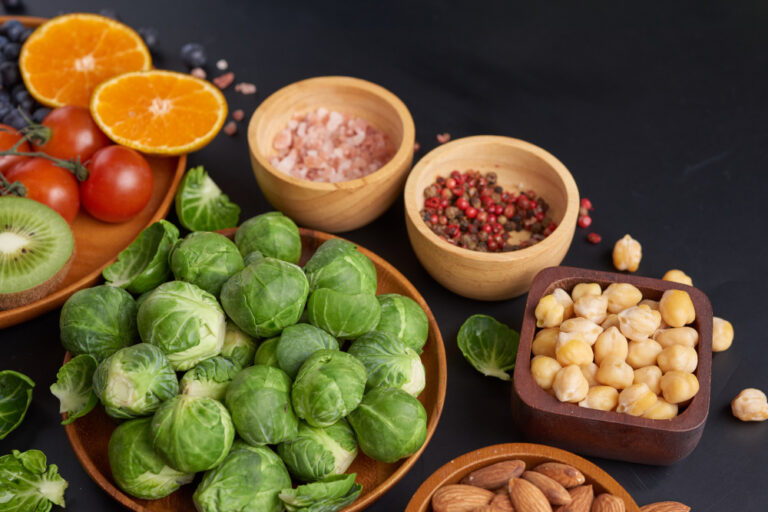
High Fiber Foods to Boost Health
Fiber is an unsung hero of a healthy diet, playing a critical role far beyond just promoting regularity. It is a type of carbohydrate that your body cannot digest, and it is crucial for a healthy digestive system and promoting overall well-being. Including high-fiber foods in your diet can help regulate bowel movements, lower cholesterol, control blood sugar levels, and even aid in weight management by increasing feelings of fullness. This detailed guide explores a curated list of 31 high-fiber foods, complete with their unique benefits, nutritional profiles, and practical ways to incorporate them into your daily meals. From seeds and legumes to fruits and vegetables, you will find a wealth of options to support your digestive health and enhance your daily nutrition.
The two main types of fiber—soluble and insoluble—each play distinct roles. Soluble fiber, found in foods like oats, nuts, and apples, dissolves in water to form a gel-like substance that can help lower cholesterol and blood glucose levels. Insoluble fiber, found in whole grains and vegetables, adds bulk to stool and helps food pass more quickly through the stomach and intestines. A balanced diet rich in both types is essential for optimal health. Incorporating more fiber into your diet is a gradual process; it is important to increase your intake slowly to avoid digestive discomfort and to drink plenty of water to help the fiber move through your system. This comprehensive list serves as a roadmap to help you navigate the world of fiber-rich foods and make informed choices for a healthier lifestyle. The benefits of a high-fiber diet extend to heart health, diabetes management, and even the prevention of certain diseases. Research from institutions like the Harvard T.H. Chan School of Public Health underscores the critical importance of fiber in a balanced diet.

Chia Seeds
Chia seeds are small but mighty, earning their reputation as a fiber powerhouse. A single ounce of chia seeds provides an impressive 10 grams of fiber, which is nearly 40% of the recommended daily intake for adults. This fiber is primarily soluble, meaning it absorbs water and forms a gel-like substance in your stomach. This unique property helps you feel full for longer, making chia seeds a valuable tool for weight management. This gelling action also slows down digestion and the absorption of nutrients, which helps to stabilize blood sugar levels and prevent energy crashes after meals. Beyond fiber, chia seeds are a great source of omega-3 fatty acids, protein, and essential minerals like calcium, magnesium, and phosphorus. They are a true superfood, offering a wide array of health benefits in a very small package. The versatility of chia seeds makes them easy to add to almost any meal. Their neutral flavor allows them to blend seamlessly into various dishes without altering the taste.
How to Incorporate Chia Seeds:
- Chia Pudding: Mix chia seeds with your choice of milk or yogurt and let it sit for a few hours or overnight to create a thick, nutritious pudding.
- Smoothie Booster: Add a tablespoon of chia seeds to your morning smoothie for a significant fiber and protein boost.
- Salad Topping: Sprinkle a teaspoon of chia seeds over your salad for an added crunch and a nutritional punch.
- Baking Ingredient: Use chia seeds as an egg substitute in vegan baking by mixing one tablespoon with three tablespoons of water to create a “chia egg.”
- Thickening Agent: Add a spoonful to soups, stews, or sauces to naturally thicken them.
For more research on the nutritional value of chia seeds and their health benefits, you can consult studies on dietary supplements from reputable sources like the National Institutes of Health.

Flaxseeds
Similar to chia seeds, flaxseeds are another excellent source of both soluble and insoluble fiber. One tablespoon of ground flaxseeds provides about 2 grams of fiber. The insoluble fiber in flaxseeds aids in regular bowel movements, preventing constipation, while the soluble fiber helps to lower cholesterol levels by binding to bile acids and carrying them out of the body. Flaxseeds are also renowned for being one of the best plant-based sources of alpha-linolenic acid (ALA), a type of omega-3 fatty acid that is beneficial for cardiovascular health. These tiny seeds are also rich in lignans, which are powerful antioxidants that have been linked to a reduced risk of certain cancers. To get the most out of flaxseeds, it is best to consume them ground, as the whole seeds can pass through the digestive system without being fully digested, preventing you from absorbing their valuable nutrients. Grinding the seeds breaks down the hard outer shell, making the fiber and omega-3s more accessible. A simple coffee grinder can do the trick.
How to Incorporate Flaxseeds:
- Oatmeal or Yogurt Topping: Sprinkle a tablespoon of ground flaxseeds over your morning oatmeal or yogurt.
- Smoothie Ingredient: Add ground flaxseeds to your smoothies for a healthy boost.
- Baking: Incorporate flaxseed meal into your baked goods like muffins, bread, and cookies.
- Flax Egg: Like chia seeds, you can create a flax egg by mixing one tablespoon of ground flaxseeds with three tablespoons of water to use as an egg replacer.
- Salad Dressing: Whisk ground flaxseeds into your homemade salad dressings to add thickness and nutritional value.
For detailed information on the cardiovascular benefits of flaxseeds, you can refer to medical journals and health publications like those from the American Heart Association.
Almonds
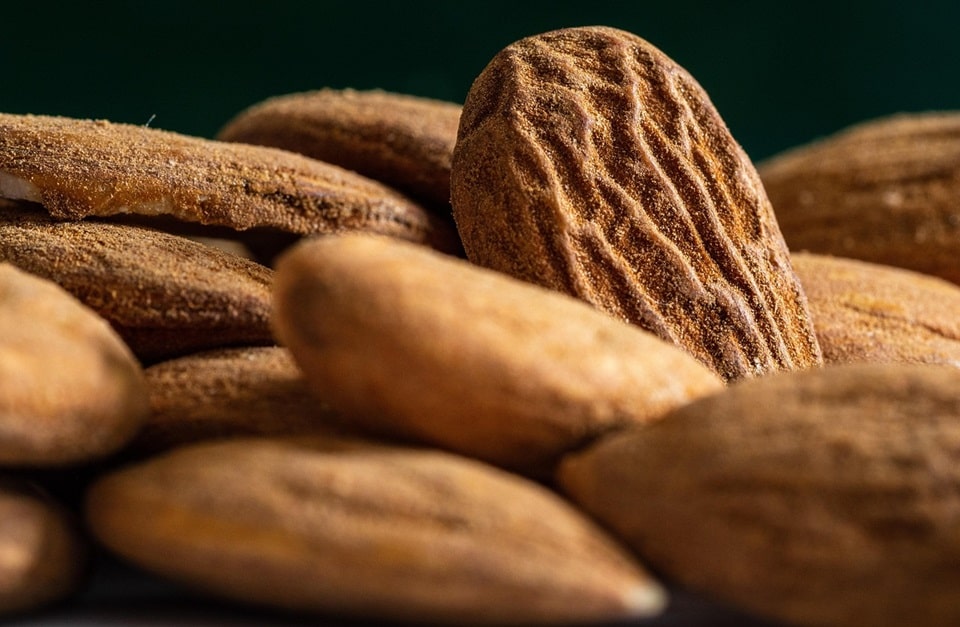
When it comes to high-fiber nuts, almonds are a top contender. With around 3.5 grams of fiber per ounce, almonds make for a satisfying and fiber-rich snack. The fiber in almonds is mostly insoluble, which helps to add bulk to your stool and promote regularity. Besides fiber, almonds are packed with healthy monounsaturated fats, protein, and a host of essential vitamins and minerals, including vitamin E, magnesium, and manganese. The combination of fiber, protein, and healthy fats in almonds helps to keep you feeling full and can aid in weight management. These nutrients also contribute to heart health and help to regulate blood sugar levels. A handful of almonds is not just a quick snack; it is a nutrient-dense choice that supports various bodily functions. The rich, nutty flavor of almonds makes them a versatile ingredient in both sweet and savory dishes. You can easily find them in various forms, from whole almonds to slivered and flour.
How to Incorporate Almonds:
- Simple Snack: Grab a handful of raw or roasted almonds for a quick and nutritious snack.
- Salad Topper: Sprinkle slivered almonds over salads or roasted vegetables for added texture and flavor.
- Almond Flour: Use almond flour in baking as a gluten-free alternative to traditional flour.
- Almond Butter: Spread almond butter on toast, or add it to smoothies and oatmeal.
- Meal Enhancement: Add chopped almonds to stir-fries or as a crust for chicken or fish.

Lentils
Legumes are well-known for their high fiber content, and lentils are a standout in this category. A single cup of cooked lentils contains an impressive 15.6 grams of fiber, making them an excellent choice for anyone looking to boost their intake. Lentils contain both soluble and insoluble fiber, which contributes to their comprehensive digestive benefits. The soluble fiber in lentils helps to lower cholesterol and manage blood sugar levels, while the insoluble fiber promotes healthy digestion. Lentils are also an exceptional source of plant-based protein, iron, and folate, making them a staple in vegetarian and vegan diets. Their affordability and versatility make them a go-to ingredient for a variety of dishes. From hearty soups and stews to refreshing salads and flavorful curries, lentils are easy to cook and absorb the flavors of other ingredients beautifully. Lentils are a great option for meal prepping because they cook relatively quickly and can be stored in the refrigerator for several days.
How to Incorporate Lentils:
- Lentil Soup: Make a hearty lentil soup with vegetables for a warm and nutritious meal.
- Lentil Salad: Use cooked lentils as a base for a cold salad with chopped vegetables and a light vinaigrette.
- Curries and Stews: Add lentils to curries and stews to increase their protein and fiber content.
- Meat Substitute: Cooked lentils can be used as a ground meat substitute in dishes like tacos and pasta sauce.
- Lentil Patties: Mash cooked lentils with spices to form patties that can be pan-fried or baked.

Black Beans
Black beans are another nutritional superstar in the legume family. With a whopping 15 grams of fiber per cup, they are one of the most fiber-dense foods available. Black beans are rich in both soluble and insoluble fiber, which work together to promote digestive health and regulate blood sugar levels. The soluble fiber forms a gel-like substance in the gut, which helps to slow down the absorption of glucose and can prevent blood sugar spikes. In addition to fiber, black beans are a fantastic source of plant-based protein, iron, and magnesium. They are also packed with powerful antioxidants called anthocyanins, which give them their dark color and have been linked to a reduced risk of chronic diseases. Black beans are an affordable and versatile ingredient that can be used in a variety of cuisines, from Mexican and Latin American to vegetarian and vegan dishes. They are perfect for adding substance and nutrition to a meal without a high cost.
How to Incorporate Black Beans:
- Black Bean Burgers: Make delicious and healthy black bean burgers as a meat-free alternative.
- Tacos and Burritos: Use black beans as a filling for tacos, burritos, or quesadillas.
- Salad Ingredient: Add black beans to your salads for extra fiber and protein.
- Soups and Stews: Include black beans in your favorite soups and stews for a hearty and nutritious meal.
- Salsa: Mix black beans with corn, tomatoes, and cilantro to make a refreshing black bean salsa.
For more information on the benefits of legumes and their impact on heart health, you can check out research published by institutions like the National Institutes of Health.

Chickpeas
Chickpeas, also known as garbanzo beans, offer about 12.5 grams of fiber per cup. They are a staple in Middle Eastern and Mediterranean cuisine and have gained popularity worldwide for their versatility and nutritional benefits. Chickpeas are rich in both soluble and insoluble fiber, which promotes healthy digestion, helps with weight management, and supports a healthy gut microbiome. They also provide a significant amount of plant-based protein, making them an excellent choice for vegetarians and vegans. Chickpeas are a good source of iron, folate, and manganese, which are all important for energy metabolism and overall health. Their slightly nutty flavor and firm texture make them a great addition to salads, soups, and roasted vegetable dishes. They can be purchased dried or canned, making them a convenient option for any pantry.
How to Incorporate Chickpeas:
- Hummus: Use chickpeas as the main ingredient to make a creamy, homemade hummus.
- Roasted Chickpeas: Toss chickpeas with spices and roast them in the oven for a crunchy, satisfying snack.
- Salad Addition: Add chickpeas to your salads to increase their fiber and protein content.
- Curries and Soups: Include chickpeas in curries, stews, and soups for a hearty and nutritious meal.
- Falafel: Mash chickpeas with herbs and spices to make delicious falafel patties.

Split Peas
Split peas are another high-fiber powerhouse in the legume family. A cup of cooked split peas contains a remarkable 16.3 grams of fiber, which makes them one of the most fiber-dense foods on this list. Like other legumes, split peas provide a mix of both soluble and insoluble fiber, which aids in digestive health, lowers cholesterol, and helps to stabilize blood sugar levels. They are also a great source of plant-based protein, iron, and folate. Split peas are most commonly used to make comforting and nutritious soups, but they can also be used in stews, curries, and even salads. Their unique texture makes them a perfect base for a variety of dishes. The affordability and long shelf life of dried split peas make them an excellent pantry staple. They cook relatively quickly and can be a great addition to any meal.
How to Incorporate Split Peas:
- Split Pea Soup: Make a classic split pea soup with ham or vegetables.
- Dahl: Use split peas as a base for a flavorful Indian-style dahl.
- Stew Enhancement: Add split peas to stews to increase their thickness, fiber, and protein content.
- Patties: Cooked and mashed split peas can be formed into vegetarian patties.
- Salad Topper: Add a handful of cooked split peas to a salad for a hearty boost.

Oats
Oats are a breakfast staple for a reason: they are rich in soluble fiber, particularly a type of soluble fiber called beta-glucan. A cup of cooked oats provides around 4 grams of fiber, with a significant portion being beta-glucan. This specific type of fiber is known for its powerful ability to lower LDL (“bad”) cholesterol and regulate blood sugar levels. When consumed, beta-glucan forms a gel in the digestive tract, which traps cholesterol and slows down the absorption of glucose. The cholesterol-lowering effects of oats are so well-documented that the FDA has approved a health claim for foods containing oats. In addition to fiber, oats are a good source of protein, manganese, and phosphorus. They are a versatile grain that can be used in a variety of dishes, from a warm bowl of oatmeal to a key ingredient in baked goods. Starting your day with a bowl of oatmeal is a simple and effective way to get a head start on your daily fiber intake.
How to Incorporate Oats:
- Oatmeal: A warm bowl of oatmeal with your favorite toppings is a classic choice.
- Overnight Oats: Mix oats with milk or yogurt and let them sit overnight for a quick and easy breakfast.
- Smoothie Booster: Add a handful of oats to your morning smoothie for thickness and fiber.
- Oat Flour: Blend oats into a fine powder to use as oat flour for baking.
- Granola Bars: Make homemade granola bars with oats, nuts, and dried fruit for a healthy snack.
For more detailed information on the benefits of beta-glucan and its impact on cholesterol, you can consult research from organizations like the American Heart Association.

