Blood pressure is one of the most vital signs monitored in healthcare, yet the two numbers that compose a reading—systolic and diastolic—are often misunderstood. These values are not merely abstract measurements; they represent the forceful dynamics of your heart’s contraction and relaxation phases, providing a direct window into the health of your entire cardiovascular system. Understanding the relationship between these two figures is the cornerstone of preventing and managing serious conditions like heart attack, stroke, and chronic kidney disease.
The overall measurement of blood pressure reflects the force exerted by circulating blood against the walls of the body’s arteries, the major blood vessels. If this force is consistently too high, it leads to damage over time, causing arteries to stiffen and the heart to work overtime. Conversely, if the force is too low, vital organs may not receive enough blood flow, leading to serious consequences. To truly take charge of one’s health, it is essential to move beyond simply knowing your reading and delve into the physiological meaning behind the top and bottom numbers.
The critical difference lies in the cardiac cycle itself: the continuous process of the heart pumping and resting. The systolic pressure captures the peak force during the pump, while the diastolic pressure measures the residual force during the rest. Both phases contribute uniquely to overall vascular health, and a healthy balance between the two is necessary for optimal circulation and longevity.
The Anatomy of a Blood Pressure Reading
A standard blood pressure reading is typically expressed as a ratio, such as 120/80 mmHg, meaning 120 millimeters of mercury over 80 millimeters of mercury. This format is universal and always presents the systolic pressure first, followed by the diastolic pressure. This dual measurement is necessary because the pressure within your arteries is not static; it constantly fluctuates with the rhythm of your heartbeat.
Defining Systole: The Top Number
The term Systole refers to the phase of the cardiac cycle when the heart’s ventricles contract. The left ventricle, the heart’s main pumping chamber, vigorously contracts to eject oxygenated blood out into the aorta and into the vast network of the systemic circulation. This contraction creates the maximum pressure surge in the arteries.
The systolic blood pressure (SBP), or the top number, therefore measures the highest pressure exerted on the artery walls during the moment of the heart’s pump. It reflects how hard the heart is currently working and the level of resistance present in the arteries as they receive the forceful burst of blood. Historically, and particularly in older adults (generally over the age of 50), high systolic pressure has been identified as a particularly strong predictor of cardiovascular events like stroke and heart attack, often due to the stiffening and hardening of the arteries (arteriosclerosis) that comes with age.
Defining Diastole: The Bottom Number
The term Diastole refers to the relaxation phase of the cardiac cycle. This is the period between heartbeats when the ventricles are relaxed and refill with blood returning from the body and lungs. During this phase, the heart is at its lowest state of muscular tension.
The diastolic blood pressure (DBP), or the bottom number, measures the lowest residual pressure remaining in the arteries just before the next heartbeat begins. It reveals the pressure within the blood vessels when the heart is completely at rest. Diastolic pressure is crucial because it indicates the baseline pressure needed to maintain blood flow to organs, especially the coronary arteries which supply the heart muscle itself. High diastolic pressure is often associated with increased peripheral resistance in the smaller arteries and is considered a significant risk factor, particularly in younger and middle-aged adults.
Understanding Blood Pressure Categories: The Official Guidelines
For decades, medical professionals have relied on established guidelines to classify blood pressure readings, guiding treatment strategies and risk assessment. The current classifications widely used in the United States and globally are based on the American Heart Association (AHA) and the American College of Cardiology (ACC) standards. These guidelines emphasize that even slightly elevated readings, previously considered “pre-hypertension,” now warrant serious attention and lifestyle modification.
AHA/ACC Blood Pressure Chart Explained
The diagnosis of high blood pressure, or hypertension, is typically not based on a single reading, but rather on the average of two or more readings taken on separate visits. If your systolic and diastolic numbers fall into different categories, the higher category dictates the overall diagnosis. The categories are:
- Normal Blood Pressure: This category applies when the systolic pressure is less than 120 mmHg AND the diastolic pressure is less than 80 mmHg. A reading in this range indicates optimal force dynamics in the cardiovascular system. Maintaining this level is achieved through continued heart-healthy habits, including a balanced diet and regular physical activity.
- Elevated Blood Pressure: This range indicates a systolic pressure between 120–129 mmHg AND a diastolic pressure less than 80 mmHg. Though not yet classified as hypertension, elevated blood pressure significantly raises the risk of developing full-blown high blood pressure in the future. Physicians will strongly recommend adopting lifestyle changes, such as reducing sodium intake and increasing physical activity, to prevent progression.
- Stage 1 Hypertension: This is diagnosed when the systolic pressure consistently ranges from 130–139 mmHg OR the diastolic pressure ranges from 80–89 mmHg. At this stage, a healthcare professional will typically recommend lifestyle modifications coupled with a discussion of medication, especially if the patient already has other risk factors like diabetes or chronic kidney disease. Treatment aims to reduce the risk of heart complications.
- Stage 2 Hypertension: This indicates a systolic pressure of 140 mmHg or higher OR a diastolic pressure of 90 mmHg or higher. Stage 2 hypertension carries a high risk of heart disease and stroke. Treatment almost always involves a combination of lifestyle changes and two or more different classes of antihypertensive medications to achieve control.
- Hypertensive Crisis: This is a severe medical emergency where blood pressure readings suddenly exceed 180 mmHg systolic AND/OR 120 mmHg diastolic. Readings this high demand immediate medical intervention. If accompanied by symptoms like chest pain, shortness of breath, back pain, numbness/weakness, or difficulty speaking, it is considered a hypertensive emergency and requires an immediate call to emergency services.
It is vital to recognize that blood pressure goals can vary depending on individual health status, age, and existing co-morbidities. For instance, individuals with diabetes or chronic kidney disease may have more aggressive target goals recommended by their doctor.
The Importance of Pulse Pressure
Beyond the individual values of systolic and diastolic pressure, the difference between the two numbers, known as the pulse pressure, provides additional diagnostic insight into arterial health. Pulse pressure is calculated simply as Systolic BP minus Diastolic BP (e.g., 120/80 results in a pulse pressure of 40 mmHg).
A normal pulse pressure typically falls between 40 and 60 mmHg. An abnormally wide pulse pressure, especially one consistently exceeding 60 mmHg, is often a sign of reduced elasticity or stiffness in the large arteries, a condition commonly associated with aging and atherosclerosis. Arterial stiffness means the vessels are less able to absorb the pressure wave created by the heart’s beat, causing the systolic number to rise and the diastolic number to fall. An elevated pulse pressure is an independent predictor of cardiovascular mortality, particularly in older individuals.
Isolated Hypertension: When One Number Matters More
While blood pressure is ideally balanced, in some cases, only one of the two numbers—systolic or diastolic—is abnormally high, a phenomenon referred to as isolated hypertension. Understanding which number is elevated is critical because it often points toward different underlying physiological issues and may require a tailored treatment approach.
Isolated Systolic Hypertension (ISH)
Isolated Systolic Hypertension (ISH) is defined as a systolic blood pressure of 130 mmHg or higher, with a diastolic blood pressure remaining below 80 mmHg. This condition is particularly common in older adults, often becoming the predominant form of hypertension after age 50. The primary cause is the long-term deterioration of arterial elasticity. As the body ages, the aorta and other large arteries become stiffer due to years of plaque buildup (atherosclerosis) and changes in the vessel wall structure. When the heart pumps, these stiff arteries cannot easily expand to accommodate the sudden volume of blood, leading to a much higher pressure peak (systolic number).
ISH is not a benign condition. Due to the high shear stress caused by the elevated systolic peak, it significantly increases the risk of stroke, heart attack, and heart failure. Treatment for ISH typically focuses intensely on reducing the top number to the target range, usually involving medications like calcium channel blockers or diuretics, which help reduce vascular resistance and stiffness.
Isolated Diastolic Hypertension (IDH)
Isolated Diastolic Hypertension (IDH) occurs when the diastolic blood pressure is 80 mmHg or higher, while the systolic blood pressure remains below 130 mmHg. This condition is more frequently observed in younger adults, often those under the age of 40 to 50. Unlike ISH, which is linked to stiff large arteries, IDH is usually attributed to increased resistance in the smaller, peripheral arteries.
In younger individuals, high diastolic pressure may signal a state of heightened vascular tone—where small arteries are excessively constricted. This can be influenced by factors such as obesity, high sympathetic nervous system activity (stress), and underlying metabolic issues. While some studies suggest IDH might resolve or transition into combined hypertension (both numbers high) as the patient ages, it is still a recognized risk factor for cardiovascular disease. Managing IDH often starts with aggressive lifestyle changes aimed at reducing overall systemic resistance, such as weight loss, dietary modifications, and stress reduction, before progressing to pharmacological interventions.
Causes and Risk Factors for Abnormal Blood Pressure
Blood pressure is a dynamic measurement influenced by a complex interplay of genetic, physiological, and environmental factors. Recognizing these risk factors is the first step toward proactive health management and prevention of hypertension.
Controllable Lifestyle Factors
A significant portion of blood pressure management is tied directly to lifestyle choices. These controllable factors represent opportunities for intervention and risk reduction:
Dietary Habits: The consumption of a high-sodium, low-potassium diet is a major contributor to high blood pressure. Sodium causes the body to retain water, increasing blood volume, while potassium helps balance sodium’s effects. Furthermore, diets lacking in essential nutrients, like those high in saturated fats and refined sugars, contribute to weight gain and chronic inflammation, both of which strain the cardiovascular system. The DASH (Dietary Approaches to Stop Hypertension) diet is highly recommended for its focus on fruits, vegetables, whole grains, and lean protein, which are naturally rich in blood pressure-lowering minerals.
Physical Inactivity and Obesity: A sedentary lifestyle contributes directly to weight gain, and individuals who are overweight or obese require their heart to pump blood through a greater volume of tissue, substantially increasing the cardiac workload. Regular physical activity, particularly aerobic exercise, strengthens the heart and makes blood vessels more flexible, lowering both systolic and diastolic pressure effectively.
Tobacco and Alcohol Use: Smoking, whether through cigarettes or other tobacco products, causes an immediate, temporary spike in blood pressure and permanently damages the lining of the artery walls, leading to hardening (atherosclerosis). Heavy or excessive alcohol consumption can also significantly raise blood pressure. For those with hypertension, limiting or entirely stopping both habits is a crucial, non-negotiable step toward control.
Chronic Stress: While temporary stress can cause a short-term spike, chronic, unmanaged stress triggers the body’s ‘fight or flight’ response, releasing hormones like cortisol and adrenaline that elevate heart rate and constrict blood vessels, leading to persistent high blood pressure over time. Incorporating stress-reducing practices, such as meditation or deep breathing, can have a noticeable, positive impact on readings.
Uncontrollable Risk Factors
While lifestyle changes offer significant control, certain factors cannot be altered and must be managed:
Age: As mentioned earlier, the risk of high blood pressure increases with age. This is primarily due to the natural stiffening of the arteries, making isolated systolic hypertension particularly common in older adults.
Family History and Genetics: If close family members (parents, siblings) have high blood pressure, the risk of developing it is significantly higher. Genetic predisposition plays a notable role in how an individual’s body regulates blood pressure, including salt sensitivity and vascular tone.
Race/Ethnicity: Hypertension is more prevalent and often more severe in certain populations, particularly African Americans in the United States, who tend to develop it earlier in life and have a higher rate of related complications, sometimes requiring different first-line treatments.
Underlying Medical Conditions: Conditions such as diabetes, chronic kidney disease (CKD), thyroid disorders, and obstructive sleep apnea can directly cause or significantly worsen high blood pressure. In these cases, treating the underlying condition is crucial for managing blood pressure.
Sex: Before age 64, men are typically more likely to develop high blood pressure; after age 65, women tend to be more at risk, often due to hormonal shifts following menopause.
The convergence of these controllable and uncontrollable factors paints a complete picture of an individual’s cardiovascular risk profile. Active monitoring and early intervention are essential for those with multiple risk factors.
Management and Treatment Strategies
The goal of managing hypertension is to safely and sustainably reduce blood pressure to within the normal range, thereby protecting the heart, brain, kidneys, and blood vessels from damage. Treatment is typically multimodal, combining lifestyle adjustments with appropriate medical therapy.
Non-Pharmacological Interventions (Lifestyle Changes)
For individuals with elevated blood pressure or Stage 1 hypertension without high cardiovascular risk, lifestyle modification is often the first and most effective line of treatment. These changes are crucial for all stages of hypertension, even when medication is required:
- Adopt a Low-Sodium Diet (DASH or Mediterranean): Dramatically reducing sodium intake—aiming for less than 1,500 mg per day, or at least no more than 2,300 mg—is proven to lower blood pressure. This involves avoiding packaged, processed foods and cooking meals at home using fresh ingredients. The DASH diet also emphasizes high consumption of potassium, magnesium, and calcium, which are natural vasodilators that counter the effects of sodium.
Maintain a Healthy Body Weight: For every pound of weight lost, blood pressure can decrease by approximately 1 mmHg. Achieving and maintaining a healthy Body Mass Index (BMI) significantly reduces the strain on the circulatory system and improves insulin sensitivity, which is beneficial for vascular health.
Engage in Regular Aerobic Exercise: Aim for at least 150 minutes of moderate-intensity aerobic activity (such as brisk walking, jogging, or cycling) or 75 minutes of vigorous activity per week. Exercise improves endothelial function—the health of the inner lining of blood vessels—making them more flexible and responsive.
Limit Alcohol Consumption: Excessive alcohol intake is directly linked to higher blood pressure. Men should limit consumption to no more than two drinks per day, and women to no more than one drink per day. Reducing intake can lead to measurable blood pressure reductions within weeks.
Quit Smoking and Avoid Secondhand Smoke: Nicotine is a powerful vasoconstrictor that temporarily raises blood pressure and heart rate. Long-term use permanently damages the arteries. Cessation is one of the single most impactful changes a hypertensive patient can make to reduce overall cardiovascular risk.
Prioritize Quality Sleep: Poor sleep, chronic sleep deprivation, or sleep disorders like obstructive sleep apnea (OSA) are linked to resistant hypertension. Treating OSA or simply ensuring 7–9 hours of restful sleep can help lower blood pressure by allowing the body’s sympathetic nervous system to properly relax.
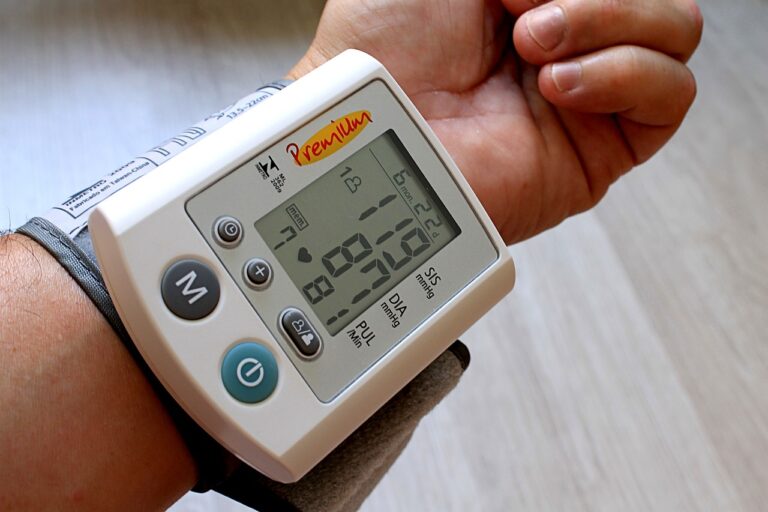
Monitor Blood Pressure at Home: Regular, accurate home monitoring empowers patients by providing real-time feedback on their readings and the efficacy of their treatment plan. This practice also helps diagnose “white coat hypertension” (elevated readings only in a clinical setting) or “masked hypertension” (normal readings in the clinic but high readings at home).
Manage Stress Through Mindfulness and Hobbies: Chronic stress maintains elevated levels of stress hormones, which contribute to high blood pressure. Techniques such as yoga, meditation, deep breathing exercises, and engaging in relaxing hobbies can mitigate this effect and contribute to overall cardiovascular well-being.
Pharmacological Treatments
For Stage 2 hypertension, or for Stage 1 hypertension in high-risk patients, medication is necessary to achieve and maintain target blood pressure goals. There are several classes of drugs, often used in combination, to target different physiological mechanisms:
- Diuretics: Often the first-line therapy, especially for patients with isolated systolic hypertension. These drugs help the body eliminate excess sodium and water, reducing blood volume and overall pressure. Thiazide diuretics (like hydrochlorothiazide) are the most commonly prescribed class.
- Angiotensin-Converting Enzyme (ACE) Inhibitors and Angiotensin II Receptor Blockers (ARBs): These medications interfere with the body’s renin-angiotensin-aldosterone system (RAAS), a hormonal system that constricts blood vessels. They work by relaxing the blood vessels, lowering blood pressure, and are particularly beneficial for patients with heart failure or chronic kidney disease.
- Calcium Channel Blockers (CCBs): These drugs prevent calcium from entering the muscle cells of the heart and arteries, allowing the blood vessels to relax and open. They are very effective for ISH and are often used when diuretics or RAAS inhibitors are insufficient or not tolerated.
- Beta-Blockers: These medications slow the heart rate and reduce the force of the heart’s contraction, thereby lowering blood pressure. They are most commonly used for patients who also have existing heart conditions, such as coronary artery disease or heart failure.
- Alpha-Blockers, Alpha-Beta Blockers, and Vasodilators: These are typically used as secondary or third-line agents when primary medications fail to control blood pressure. They work by affecting nerve signals or directly relaxing the muscle walls of the blood vessels to decrease peripheral resistance.
Finding the right combination of medications often requires a period of adjustment under the supervision of a healthcare provider. Consistent adherence to the prescribed regimen is vital for preventing the long-term, damaging effects of uncontrolled high blood pressure.
Pro Tips for Accurate Blood Pressure Monitoring
Measuring blood pressure accurately at home is a powerful tool for health management. Professional recommendations stress that consistent technique is just as important as the device itself. Follow these tips to ensure your readings are reliable:
Pro Tips
- Wait Before Measuring: Always rest quietly for at least five minutes before taking a measurement. Avoid coffee, tobacco, and exercise for at least 30 minutes prior to checking your pressure. These factors can temporarily raise your SBP and DBP, leading to an artificially high reading that does not reflect your true baseline.
Use the Correct Cuff Size: Using a cuff that is too small will result in a falsely high reading, while one that is too large can result in a falsely low reading. Ensure the inflatable part of the cuff covers about 80% of your upper arm circumference. Consult the monitor manual or your healthcare provider to confirm you have the right fit.
Sit Correctly and Be Still: Sit in a chair with your back supported and your feet flat on the floor, uncrossed. The arm being used should be resting on a flat surface, with the cuff at the level of your heart. Do not talk, text, or watch television during the measurement process, as muscle tension and movement can alter the results.
Take Multiple Readings: Take two or three readings one minute apart and average them. Your first reading is often higher due to the initial setup and anxiety. Recording the average over time provides a more accurate picture of your true blood pressure trend.
Measure at Consistent Times: Take your blood pressure at the same time every day, such as once in the morning before taking medication and again in the evening before dinner. Consistency reveals patterns and helps your doctor determine if the treatment plan is working optimally throughout a 24-hour cycle.
Keep an Organized Log: Record the date, time, systolic number, diastolic number, and heart rate for every measurement. Share this detailed log with your doctor at every appointment, as it is far more valuable than a single clinic reading.
Check Your Monitor’s Calibration: Even reliable devices can drift. Have your home device checked against a clinically validated monitor at your doctor’s office or pharmacy at least once a year to ensure its accuracy.
Use the Arm with the Highest Reading: If your initial readings taken in both arms show a difference, always use the arm with the consistently higher reading for all future measurements. This arm generally reflects the most accurate maximum pressure in your central circulation.
Frequently Asked Questions
What is the ideal blood pressure reading for an adult?
The ideal blood pressure reading for most adults is defined as less than 120 mmHg systolic and less than 80 mmHg diastolic (written as < 120/80 mmHg). Maintaining readings in this ‘Normal’ category minimizes the strain on the arteries and heart, significantly lowering the risk of long-term cardiovascular complications. It’s important to note that very low blood pressure (hypotension), such as below 90/60 mmHg, can also be problematic if it causes symptoms like dizziness or fainting, as it can indicate inadequate blood flow to the brain and other vital organs.
Which number is more important: systolic or diastolic?
Both numbers are crucial, but their relative importance often shifts with age. For individuals over the age of 50, the systolic pressure (the top number) is generally considered a more significant risk factor and the primary target for treatment. This is because, as arteries stiffen with age, the systolic pressure tends to climb dramatically. However, for younger adults (under 50), the diastolic pressure (the bottom number) often provides the earliest indication of hypertension driven by increased peripheral vascular resistance, making it highly important for risk stratification in this demographic. If one number is high, regardless of the other, the patient is still diagnosed and treated for hypertension.
Can high blood pressure be cured?
In most cases, primary (essential) hypertension, which accounts for about 90-95% of cases and has no identifiable cause, cannot be cured but can be highly managed and controlled through a combination of lifestyle changes and medication. When hypertension is caused by an underlying, treatable condition, such as a kidney problem or thyroid disorder—known as secondary hypertension—treating the root cause can sometimes lead to a complete normalization of blood pressure. Regardless of the type, achieving a “normal” blood pressure through intervention essentially eliminates the immediate health risks associated with the condition.
Why does my blood pressure fluctuate throughout the day?
Blood pressure is highly dynamic and designed to fluctuate constantly in response to the body’s needs. It is typically lowest while you sleep and rises sharply in the morning (the morning surge). It can temporarily increase due to physical activity, stress, caffeine consumption, strong emotions, or even a full bladder. These short-term spikes are normal physiological responses. However, consistent and extreme fluctuations or a lack of the natural nighttime dip (non-dipping pattern) can be a sign of underlying health issues and should be discussed with a doctor, as they may indicate a higher cardiovascular risk.
What is a hypertensive urgency vs. a hypertensive emergency?
Both refer to a severe elevation in blood pressure, typically when readings are 180/120 mmHg or higher. The distinction lies in the presence of acute, life-threatening organ damage. A hypertensive urgency involves very high blood pressure without signs of immediate or acute damage to vital organs (brain, heart, kidneys). It usually requires prompt, but not immediate, reduction of BP within hours using oral medication. A hypertensive emergency, however, is high blood pressure with evidence of acute organ damage (e.g., chest pain, stroke symptoms, kidney failure, acute heart failure). This requires immediate hospitalization and rapid, controlled blood pressure reduction using intravenous medications to prevent irreversible damage or death.
Conclusion
The concepts of systole and diastole are fundamental to understanding cardiovascular health. These two numbers—the top measuring the heart’s pumping force and the bottom measuring the arterial pressure at rest—provide a complete picture of the mechanical efficiency of the heart and the health of the blood vessels. The AHA/ACC guidelines provide clear thresholds, marking the progression from normal readings to severe hypertensive crisis, emphasizing the necessity of early detection and sustained management.
Whether dealing with elevated readings, isolated hypertension, or Stage 2 disease, controlling both systolic and diastolic pressure is paramount for mitigating the risk of devastating cardiovascular events. By integrating accurate home monitoring, adopting comprehensive lifestyle modifications focused on diet and exercise, and adhering to pharmacological treatment plans when necessary, individuals can effectively manage their blood pressure, reduce arterial strain, and secure a significantly healthier future.