

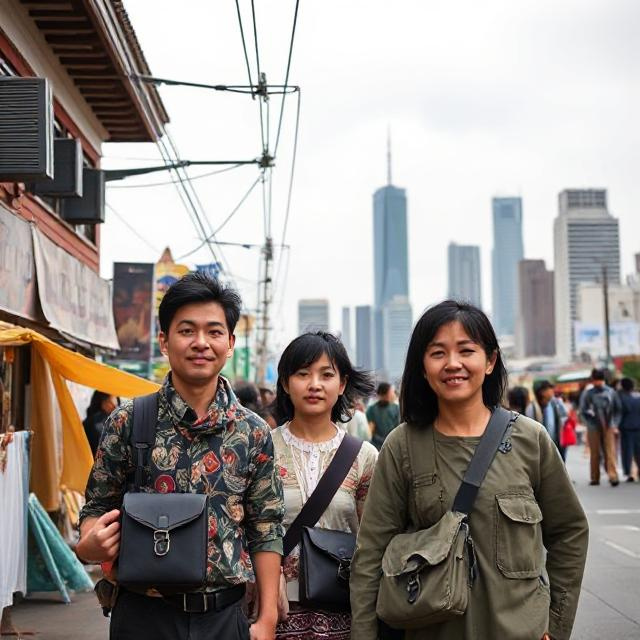
Understanding the Migration of International Communities to Djibouti
Recent international reports have brought attention to the unique phenomenon of various international communities, including those from Asia and Latin America, temporarily residing in Djibouti. While this small nation in the Horn of Africa may seem like an unconventional destination, its strategic and economic landscape has made it a significant hub for diverse immigrant populations. This article explores the reasons behind this migration pattern, its benefits for the host country, and the challenges faced by these immigrant groups.
The Dynamics of Djibouti’s Strategic and Economic Role
Djibouti’s primary asset is its strategic location at the entrance to the Red Sea, a vital choke point for global maritime trade. This geographical advantage has allowed the nation to transform itself into a major international transshipment and refueling center. Its economy is largely service-based, revolving around port activities, which generate a significant portion of its national revenue. The country’s political stability in a region often marked by conflict further enhances its appeal as a safe and reliable destination for both foreign businesses and individuals.
Factors Contributing to Djibouti’s Attractiveness:
- Trade and Business Opportunities: The country is home to the Djibouti International Free Trade Zone (DIFTZ), which is being developed to be the largest free trade zone in Africa. This provides substantial economic benefits and a welcoming environment for business ventures with incentives like tax exemptions and 100% foreign ownership.
- Strategic Military Presence: Djibouti hosts a number of international military bases, including major installations for the United States, China, France, Japan, and Italy. These bases not only provide stability but also create significant job opportunities for both locals and foreigners in logistics and support services.
- Political Stability: Despite being surrounded by regions experiencing turmoil, Djibouti has maintained a stable government, which is a powerful “pull” factor for immigrants seeking security.
Push and Pull Factors for Immigrants
For many international migrants, particularly from regions with economic or political challenges, Djibouti represents a gateway of opportunity. “Push” factors such as economic hardships, limited job prospects, and political unrest in their home countries drive individuals to seek better lives elsewhere. Conversely, “pull” factors unique to Djibouti capture their interest and provide a viable option for migration.
Push Factors:
- Economic Instability: Many Asian and Latino countries experience fluctuating economic conditions, leading to unemployment and financial insecurity.
- Political Turmoil: Political unrest and instability compel individuals to seek refuge in more stable regions.
Pull Factors:
- Employment Opportunities: Djibouti’s burgeoning logistics and trade economy offers a variety of job prospects in sectors like port services, construction, and retail.
- Cultural Exchange: With its own diverse population of Somali and Afar ethnic groups, along with a significant presence of Arabs, Ethiopians, and Europeans, Djibouti provides a welcoming and cosmopolitan environment for immigrants.
The Benefits of Immigrant Influx for Djibouti
The influx of immigrants can contribute significantly to the socioeconomic development of their host countries. In Djibouti, these communities bring a wealth of skills, knowledge, and cultural diversity that benefits the nation on multiple levels.
Economic Contributions:
- Labor Force Participation: The expanded labor pool fosters competition and increases productivity. Immigrants contribute to economic growth by engaging in various industries, helping to fill labor gaps in a nation with a high unemployment rate, which stands at over 47%.
- Entrepreneurial Ventures: Many immigrants establish small businesses, boosting the local economy and creating employment for locals. Their enterprises introduce new products and services, enhancing consumer choice and driving economic diversification.
Cultural Enrichment:
Djibouti benefits culturally from the vibrant mix of traditions and customs brought by its diverse communities. This cultural exchange helps foster understanding, tolerance, and cooperation. As a melting pot of cultures, Djibouti’s society is enriched by new culinary delights, art forms, and music, creating a more dynamic cultural landscape.
Challenges Faced by Immigrants in Djibouti
Despite their contributions, immigrants face challenges that can impede their successful integration. Addressing these issues is essential to ensure their well-being and equitable treatment in Djiboutian society.
Language Barriers:
Language can be a significant hurdle for immigrants striving to find employment and integrate socially. While French and Arabic are the official languages, many immigrants come from non-French and non-Arabic speaking countries. Improving access to language training programs can help immigrants overcome this challenge and improve their job prospects.
Access to Services:
Immigrants may encounter difficulties accessing essential services such as healthcare, education, and legal support. This is often due to bureaucratic obstacles or discrimination. Streamlining administrative procedures and promoting awareness campaigns about immigrant rights are crucial for improving access to services and fostering inclusivity.

Employment and Economic Challenges:
While Djibouti’s economy offers jobs, immigrants often face challenges related to job security, fair wages, and working conditions. Implementing labor regulations to protect immigrants from exploitation and providing skills training can empower them to secure better-paying jobs and advance in their careers. According to the World Bank, the country has made progress in poverty reduction, but significant challenges related to job creation remain.
The Impact on Their Home Countries
The migration of individuals to Djibouti also has implications for their countries of origin. While there are advantages, such as remittances, there are also potential challenges that need to be addressed.
Remittances and Economic Contributions:
Many immigrants send remittances back home, providing substantial economic support to their families and communities. These remittances can improve living standards, fund education, and provide access to healthcare. They often bolster local economies, contributing to stability and growth.
Brain Drain Concerns:
The emigration of skilled workers can lead to a brain drain, depriving their home nations of valuable human capital and potentially hindering development. Mitigating this requires policies that encourage return migration and facilitate knowledge transfer between home and host countries.
