
GMC Truck & SUV Lineup Review: 2024 Pricing, Expert Ratings, and Model Comparisons
Share this:

The landscape of the American automotive market is fiercely competitive, but one brand has consistently carved out a significant and loyal niche by blending rugged capability with a growing sense of refinement: GMC. As a pillar of General Motors, GMC has evolved from its commercial truck roots to become a premier manufacturer of premium trucks, SUVs, and vans. The brand’s philosophy, “We Are Professional Grade,” speaks to its commitment to durability, technology, and a higher standard of execution, targeting buyers who require both utility and a polished experience. This comprehensive analysis delves into the heart of the GMC lineup, examining the critical factors that define ownership today: pricing across the range, the driving experiences and reviews that shape public perception, and the design evolution captured in pictures and in-person presence. For any prospective buyer navigating the decision to invest in a new Sierra, Yukon, or any model in between, understanding this triad of elements is essential to making an informed choice that aligns with both practical needs and personal aspirations.

The pricing structure of GMC vehicles reflects a deliberate tiering strategy, offering a pathway from well-equipped workhorses to luxuriously appointed, technology-laden powerhouses. Unlike brands with a stark division between base and high-end models, GMC employs a gradient of trim levels—often starting with SLE or Elevation, progressing through SLT and AT4, and culminating in the Denali and new Denali Ultimate sub-brand. This allows buyers to precisely match capability and luxury to their budget. The entry point for a versatile midsize SUV like the Terrain begins in a competitive bracket, while the full-size Yukon XL Denali, a leviathan of capability and comfort, commands a premium that rivals European luxury SUVs. Crucially, understanding MSRP is just the beginning; the true cost of ownership involves factoring in incentives, often substantial on trucks, dealer-specific offers, and the strong residual values that GMC trucks and SUVs are known for, which positively impact leasing deals and long-term investment.

Beyond the window sticker, professional reviews from automotive journalists and, more importantly, long-term owner testimonials provide the most credible insights into a vehicle’s real-world performance. Reviews consistently highlight GMC’s strengths in areas like powertrain smoothness—exemplified by the segment-leading Duramax turbo-diesel and potent gas engines—and a quiet, composed ride quality that isolates occupants from road imperfections without disconnecting them from the road. The MultiPro tailgate on the Sierra is frequently lauded as a game-changer for utility. However, reviews also offer balanced perspectives, sometimes noting the complexity of the latest infotainment systems or comparing interior material quality against the most plush competitors in the elevated Denali trims. This feedback is invaluable, transforming specifications on a page into relatable experiences of daily commutes, family road trips, and demanding job sites.

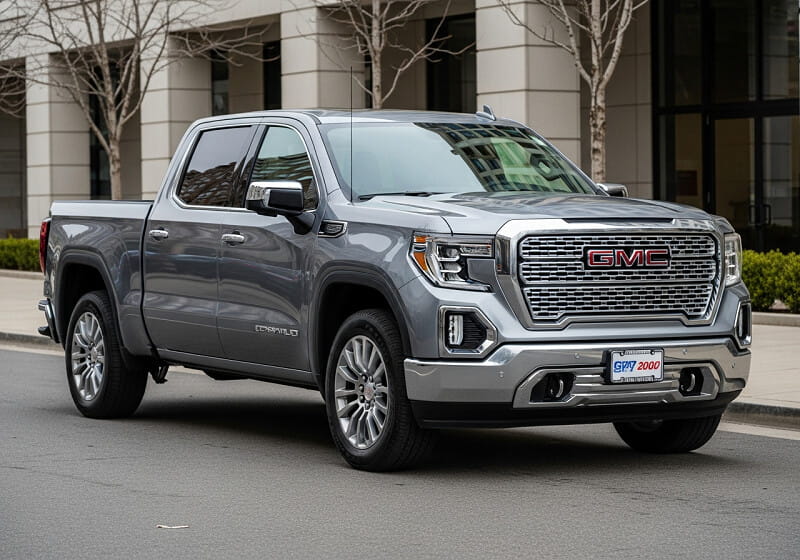
A picture may be worth a thousand words, but a detailed examination of a GMC’s design reveals the brand’s engineering philosophy. Externally, the evolution is clear: from bold, chrome-accented grilles that project authority to more sculpted, LED-lit front ends that blend tradition with modern aesthetics. The proportion of a Sierra HD, with its commanding presence, communicates capability before one even steps in. Inside, pictures tell a story of transition from utilitarian layouts to driver-centric cockpits with large, high-resolution screens, thoughtful storage solutions, and available materials like genuine wood and aluminum. The cabin of a Yukon Denali, with its expansive console and massage-equipped front seats, paints a picture of a mobile command center designed for comfort over long distances. These visual cues are not merely cosmetic; they are direct reflections of intended use, target audience, and technological integration.

The GMC Lineup: A Model-by-Model Breakdown

To truly grasp the scope of GMC, one must explore its individual models, each serving a distinct purpose within the “Professional Grade” umbrella. From the agile Terrain to the mighty Sierra HD, the portfolio is designed to cover a vast spectrum of consumer and commercial needs.

GMC Sierra 1500: The Flagship Pickup

The Sierra 1500 is the cornerstone of the GMC brand, competing directly in the lucrative full-size pickup segment. It distinguishes itself with a focus on refinement, innovative features, and a wide array of configurations. The cornerstone of its appeal is the powertrain lineup, which includes a standard turbocharged 2.7-liter four-cylinder, a muscular 5.3-liter V8, a potent 6.2-liter V8, and the fuel-efficient 3.0-liter Duramax turbo-diesel I6. The MultiPro tailgate, with its six functions and unique load-stop position, remains an industry-exclusive highlight that simplifies loading and access. Inside, higher trims feature a large central infotainment screen, a configurable digital driver display, and premium materials that elevate it above typical work-truck interiors.

  • Engine Options and Performance: The turbo-diesel engine is a standout, offering an impressive blend of substantial torque for towing and excellent highway fuel economy, often surpassing 30 mpg. The 6.2-liter V8, paired with the 10-speed automatic, delivers exhilarating acceleration, proving that a full-size truck can perform like a performance vehicle when properly equipped.
  • Towing and Payload Leadership: Properly configured, the Sierra 1500 can tow over 13,000 pounds and carry payloads exceeding 2,000 pounds. These figures are not just marketing points but are backed by robust frame construction, advanced trailering technology packages with integrated trailer brake controllers, and camera systems that provide multiple views for hitching and lane changing.
  • Trim Level Strategy: The Elevation trim offers a sporty, monochromatic appearance package. The AT4 is GMC’s off-road-oriented trim, featuring a two-inch factory lift, Rancho shocks, skid plates, and a locking rear differential. The Denali represents the peak of luxury, with unique exterior detailing, adaptive suspension, and a lavish interior. The new Denali Ultimate takes this a step further with even more exclusive materials and features.
  • Technology Integration: The latest Sierra features Super Cruise on certain trims, GM’s hands-free driver-assistance system for compatible highways. The infotainment system, while feature-rich, has received feedback on its learning curve, but its connectivity and functionality, including wireless Apple CarPlay and Android Auto, are top-tier.
  • Market Positioning and Competition: The Sierra positions itself as a more premium and feature-focused alternative to the Chevrolet Silverado, its corporate sibling. Its key rivals include the Ford F-150, Ram 1500, and Toyota Tundra. It competes by emphasizing specific innovations (like the tailgate) and a quieter, more refined cabin experience, particularly in Denali guise.

GMC Yukon & Yukon XL: Full-Size SUV Dominance

The GMC Yukon (and its longer-wheelbase sibling, the Yukon XL, formerly the Suburban) represents the pinnacle of full-size SUV luxury and capability. Built on GM’s independent rear suspension platform, it offers a game-changing combination of a smooth ride, immense interior space, and formidable towing power. It serves as a family hauler, luxury transport, and tow vehicle all in one, with the Denali trim level setting a very high bar for interior comfort and technology in the segment.

  • Unmatched Interior Space and Flexibility: The Yukon XL, in particular, offers cavernous cargo space behind the third row, making it the default choice for large families, outdoor enthusiasts with significant gear, or anyone requiring maximum utility. The power-folding second- and third-row seats create a perfectly flat load floor for bulky items.
  • Smooth Powertrain and Towing Prowess: Engine options mirror the Sierra, including the excellent Duramax diesel and the 6.2-liter V8. With the proper equipment, towing capacity exceeds 8,000 pounds for the standard Yukon and can reach nearly 8,500 pounds for the XL, allowing it to comfortably pull large travel trailers, boats, or horse trailers.
  • Denali Luxury Experience: The Yukon Denali is a sanctuary on wheels. It features unique exterior lighting, a bold grille, and an interior awash in premium leather, real wood trim, and metal accents. Available features like a rear-seat media system, panoramic sunroof, and advanced noise cancellation create an environment that rivals luxury sedans.
  • Advanced Chassis and Safety Features: The move to an independent rear suspension transformed the ride quality, absorbing bumps that would jostle occupants in the previous generation. Available four-corner air suspension with Adaptive Ride Control further enhances comfort and stability. A comprehensive suite of driver-assistance technologies is standard or available across the range.
  • Competitive Landscape: The Yukon’s primary competitors are the Chevrolet Tahoe/Suburban, Ford Expedition, and the luxury-focused Lincoln Navigator and Cadillac Escalade. The Yukon Denali strategically slots between the well-equipped Ford and the ultra-luxury Navigators and Escalades, offering a compelling balance of prestige, capability, and value.

GMC Terrain: The Compact SUV Contender

The GMC Terrain provides an entry point into the brand, offering the signature GMC styling and a premium feel in the fiercely competitive compact SUV segment. It is notably more upscale in its design language and intended demeanor than its Chevrolet Equinox cousin, targeting buyers who want utility without sacrificing style or a sense of occasion.

  • Efficient Powertrain and Driving Dynamics: The Terrain is powered by a turbocharged 1.5-liter four-cylinder engine, tuned for a balance of responsive power and good fuel efficiency. Its driving character is geared towards comfort and ease of use, with light steering and a compliant ride suitable for urban and suburban environments.
  • Upscale Interior and Technology: The cabin is a key selling point, featuring higher-quality soft-touch materials and a more driver-focused design than many rivals. The infotainment system is user-friendly, and available features like heated leather seats, a powered liftgate, and advanced safety tech make it a well-appointed daily driver.
  • Practicality and Cargo Space: While not the largest in its class, the Terrain offers a useful and configurable cargo area. The rear seats slide and recline, adding flexibility for passengers or cargo. Its overall dimensions make it easy to park and maneuver in tight spaces.
  • Target Audience and Positioning: The Terrain appeals to young professionals, small families, and empty-nesters who are attracted to the GMC brand’s aesthetic but do not require the size or capability of the larger models. It competes with vehicles like the Honda CR-V, Toyota RAV4, Ford Escape, and the more luxury-oriented Buick Envision.

Current Market Price and Deals

Navigating the purchase of a new GMC requires a clear understanding of the current market dynamics. As of late 2023 and into 2024, the automotive market is in a state of transition from the inventory shortages of recent years toward a more balanced environment, though incentives and pricing strategies remain model-specific. The Manufacturer’s Suggested Retail Price (MSRP) for GMC vehicles varies dramatically by model and trim. A front-wheel-drive GMC Terrain SLE starts in the low-$30,000 range, providing an accessible gateway. Moving up, a well-equipped GMC Sierra 1500 Elevation with the 5.3L V8 typically starts in the mid-$50,000s. The premium experience of a Yukon Denali often begins in the high-$70,000s, and a fully loaded Sierra 1500 Denali Ultimate or Yukon XL Denali with the Duramax diesel can easily surpass the $90,000 mark.

However, savvy buyers look beyond MSRP. GMC and its dealerships frequently offer a range of incentives to drive sales. These can include:

  • National Cash Allowances: Direct rebates from GM, often ranging from $1,000 to $5,000 or more on select models like the Sierra, especially on configurations with higher inventory levels.
  • Special Financing Rates: Promotional Annual Percentage Rates (APRs), such as 1.9% or 2.9% for qualified buyers, which can result in significant finance charge savings over the life of the loan compared to standard rates.
  • Lease Specials: Advertised lease deals with low monthly payments due to a combination of competitive residual values, which GMC trucks and SUVs traditionally hold well, and potential dealer cap cost reductions.
  • Loyalty and Conqueror Cash: Incentives for current GM vehicle owners or lessees, or offers targeted at owners of specific competitor brands to encourage switching.
  • Military and First Responder Discounts: Programs that offer additional savings to eligible service members, veterans, nurses, doctors, and other first responders.

The most aggressive deals are often found on pickup trucks, as this segment is perpetually competitive. It is crucial to research incentives on the GMC website, which are updated monthly, and then negotiate with the dealer from an informed position, considering the final transaction price that includes all applicable rebates and discounts.

Pros and Cons of GMC Ownership

Like any automotive brand, GMC presents a set of distinct advantages and potential drawbacks that vary by model and owner priorities.

Pros:

  • Strong Reputation for Durability and Capability: GMC’s “Professional Grade” motto is rooted in a history of building robust trucks. The Sierra and Yukon platforms are known for their long-term reliability and ability to handle demanding tasks, from heavy towing to off-road use in AT4 models.
  • Premium Interior Execution (Denali Models): In its top trims, particularly Denali, GMC offers interior quality, material selection, and quietness that legitimately challenge luxury brands. The attention to detail in stitching, panel alignment, and feature content is a major draw.
  • Innovative Utility Features: The MultiPro tailgate is the prime example, but GMC also incorporates thoughtful touches like under-seat storage in the Sierra, configurable cargo management systems, and exceptional towing technology that simplifies complex tasks.
  • Advanced Technology Availability: Features like Super Cruise, large digital displays, a head-up display, and a comprehensive camera suite keep GMC vehicles technologically competitive. The integration of these systems is generally intuitive.
  • Strong Resale Value: Particularly for body-on-frame vehicles like the Sierra and Yukon, GMC products tend to retain their value exceptionally well compared to industry averages. This reduces the cost of ownership over time and benefits lessees.

Cons:

  • Premium Pricing: GMC vehicles, especially when moving up the trim ladder, command a price premium over their mainstream competitors and often over their Chevrolet counterparts. The Denali luxury comes at a significant cost.
  • Fuel Economy: While the diesel engines are efficient for their class, the gasoline V8s, particularly the powerful 6.2L, can deliver thirsty fuel consumption, especially in city driving or when towing. This is a trade-off for the performance they offer.
  • Size and Maneuverability: The full-size models are, by nature, large vehicles. Parking, navigating tight urban streets, and garage fit can be challenges for some owners, though technologies like HD surround-view cameras mitigate this considerably.
  • Infotainment System Complexity: While powerful, the latest iterations of GM’s infotainment systems have been critiqued in some reviews for having multiple menu layers and a steeper learning curve than some competitors’ systems, though this is subjective.
  • Standard Feature Content on Base Trims: On lower trims, some desirable technology and comfort features common in the segment may be optional rather than standard, pushing buyers to higher trim levels to get the equipment they want.

Pro Tips for GMC Shoppers

Arming yourself with knowledge is the key to a successful vehicle purchase. These pro tips can help you navigate the process of buying a GMC, whether new or used.

  • Decipher the Trim Codes and Packages: Don’t just shop by model name. Understand what each trim level (SLE, SLT, AT4, Denali) includes as standard. More importantly, research the optional packages. A well-optioned SLT might offer better value than a base Denali for your needs. The “Max Tow Package,” “Technology Package,” and “Premium Package” are common bundles that add significant functionality.
  • Test Drive the Right Powertrain: If you plan to tow frequently or drive long highway distances, insist on testing the Duramax diesel engine. Experience its torque and cruising efficiency. Conversely, if performance is your priority, seek out a 6.2L V8 model. The difference in character between the four-cylinder, V8, and diesel is substantial and will directly impact your long-term satisfaction.
  • Investigate Certified Pre-Owned (CPO) Options: GMC’s CPO program offers late-model used vehicles with extended factory-backed warranties, rigorous inspections, and often lower financing rates. This can be a brilliant way to access a higher trim level (like a Denali) or a desirable powertrain (like the diesel) at a significantly lower price point than new, while still enjoying peace of mind.
  • Time Your Purchase Strategically: Dealerships and manufacturers have sales quotas. The end of the month, quarter, and calendar year are traditionally strong times to negotiate, as dealers are motivated to hit targets. Also, look for model-year clearance events when the next year’s models are arriving on lots; incentives on the outgoing year are often at their peak.
  • Get a Professional Pre-Purchase Inspection for Used Models: If you are considering a used GMC outside of the CPO program, always pay for an independent inspection by a trusted mechanic, preferably one familiar with GM trucks. They can identify potential issues with the transmission, suspension, electronics, or signs of prior accident damage that aren’t apparent on a test drive.

Frequently Asked Questions

What is the main difference between GMC and Chevrolet trucks?
While they share platforms, engines, and many components, GMC is positioned as the more premium, feature-focused, and design-oriented brand within General Motors. GMC vehicles typically have unique exterior and interior styling, more standard features at comparable price points, and a sales and service experience geared towards commercial and premium buyers. The Denali sub-brand has no direct Chevrolet equivalent.

Is the GMC Duramax diesel engine reliable?
The 3.0-liter Duramax turbo-diesel inline-six engine used in the Sierra 1500 and Yukon has established an excellent reputation for reliability and durability since its reintroduction. It is known for its smooth operation, strong torque output, and impressive fuel economy. Like all modern diesels, it requires specific maintenance (like diesel exhaust fluid), but it is widely regarded as one of the most dependable engines in the light-duty truck segment.

How does the GMC AT4 compare to the Ford F-150 Raptor or Ram 1500 TRX?
The GMC AT4 is an off-road capable package, but it is not an extreme, high-performance off-road truck like the Raptor or TRX. The AT4 focuses on providing a factory lift, all-terrain tires, skid plates, and a locking rear differential for enhanced traction in rough conditions. The Raptor and TRX are designed for high-speed desert running with specialized suspension, vastly more horsepower, and unique chassis tuning. The AT4 is better compared to the Ford F-150 Tremor or Ram 1500 Rebel.

What are the most common issues reported with newer GMC vehicles?
Commonly reported issues can vary by model year. Some areas to research for specific models include occasional electronic glitches with infotainment systems, concerns with the operation of advanced driver-assistance systems like automatic emergency braking in certain conditions, and, on some earlier models of the current-generation full-size trucks/SUVs, minor build quality quirks. Consulting model-specific forums and resources like Consumer Reports or NHTSA recall databases is recommended for the latest information.

Are GMC vehicles expensive to maintain and insure?
Maintenance costs for GMC trucks and SUVs are generally in line with other full-size vehicles from American manufacturers. Diesels may have slightly higher service costs due to specialized filters and fluids. Insurance costs are typically higher than for sedans or smaller SUVs due to the vehicles’ value, repair costs, and, in some cases, performance potential. However, the strong safety ratings and available safety features on newer models can help mitigate insurance premiums. Shopping around for insurance quotes before buying is always wise.

Conclusion

The journey through the world of GMC vehicles reveals a brand that has masterfully defined its own space in the automotive ecosystem. It successfully bridges the gap between unadulterated workhorse capability and genuine luxury, appealing to a buyer who refuses to compromise on either front. From the value-oriented but stylish Terrain to the innovative and powerful Sierra 1500, and up to the palatial and capable Yukon Denali, GMC offers a coherent and compelling portfolio unified by its “Professional Grade” ethos. The decision to purchase a GMC ultimately hinges on aligning one’s specific needs—be it towing capacity, passenger space, off-road ambition, or cabin luxury—with the right model and trim. By carefully considering the pricing landscape, weighing the balanced perspectives in professional and owner reviews, and appreciating the design philosophy evident in every picture and in-person encounter, consumers can confidently choose a vehicle that is not merely a mode of transport, but a capable partner for both work and life’s adventures. In a market overflowing with choice, GMC’s distinct identity and commitment to a higher standard continue to earn it a loyal and growing following.

Share this:

Leave a Reply

Your email address will not be published. Required fields are marked *