

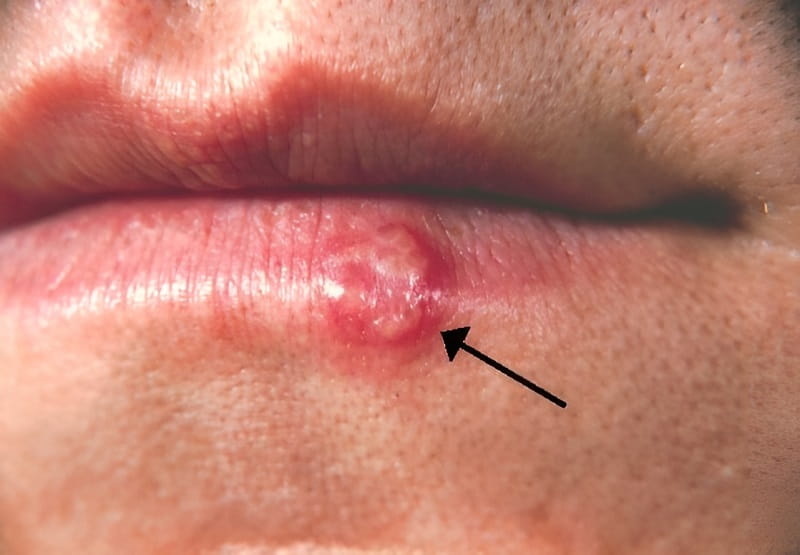
Cold sores are one of the most common viral skin conditions worldwide, affecting people of all ages and backgrounds. Despite their prevalence, misinformation and confusion often surround how they develop, how they spread, and how they should be treated. These small but often painful blisters typically appear around the lips or mouth, yet their impact can extend far beyond mild discomfort, influencing physical health, emotional wellbeing, and social confidence. Understanding the full scope of this condition is essential for managing outbreaks effectively and reducing the risk of recurrence.
The condition is caused by a lifelong viral infection that remains dormant in the body and can reactivate under certain circumstances. Many individuals carry the virus without visible symptoms, while others experience recurrent outbreaks triggered by stress, illness, or environmental factors. Advances in medical research have improved treatment options, but prevention and early intervention remain critical for minimizing severity and duration.
This comprehensive guide explores the biological causes behind cold sores, the early warning signs that signal an outbreak, modern treatment approaches, potential complications, and evidence-based prevention strategies. By gaining a clear, factual understanding of each aspect, readers can make informed decisions and take proactive steps to protect their health.
What Cold Sores Are and How They Develop
Cold sores are fluid-filled blisters that usually form on or around the lips, though they can also appear on the nose, cheeks, chin, or inside the mouth. They are caused by the herpes simplex virus, most commonly herpes simplex virus type 1. Once the virus enters the body, it travels along nerve pathways and remains inactive in nerve cells, sometimes for years, before reactivating.
The initial infection may occur in childhood or early adulthood, often through close personal contact such as kissing or sharing utensils. In many cases, the first exposure produces no noticeable symptoms, making it easy for the virus to spread unknowingly. After this initial phase, the immune system suppresses the virus, but it does not eliminate it.
Reactivation happens when the immune system is weakened or stressed, allowing the virus to travel back to the skin surface. This process leads to inflammation, blister formation, and eventual healing. Although cold sores are not usually dangerous, their recurring nature can be frustrating and uncomfortable.
Primary Causes and Risk Factors
Viral Transmission and Initial Infection
The primary cause of cold sores is direct exposure to the herpes simplex virus through skin-to-skin contact. This can occur even when the infected person has no visible sores. Saliva, oral secretions, and contact with affected skin are common transmission routes.
Triggers That Reactivate the Virus
Once infected, certain triggers can reactivate the virus and cause an outbreak. These triggers vary from person to person but are often linked to physical or emotional stressors.
- Emotional stress: High stress levels can suppress immune function, giving the virus an opportunity to reactivate. Chronic anxiety or sudden emotional distress are common contributing factors.
- Illness or fever: Common infections such as colds or flu temporarily weaken immune defenses, increasing outbreak risk.
- Fatigue and lack of sleep: Inadequate rest affects immune regulation, making viral reactivation more likely.
- Sun exposure: Ultraviolet radiation can irritate the skin and trigger cold sores, particularly on the lips.
- Hormonal changes: Menstrual cycles, pregnancy, or hormonal treatments can influence outbreak frequency in some individuals.
- Weakened immune system: Medical conditions or treatments that impair immunity can lead to more frequent or severe outbreaks.
Recognizing Early Symptoms and Stages
Cold sores typically follow a predictable pattern, progressing through several stages from initial tingling to complete healing. Recognizing early symptoms allows for faster intervention, which can significantly reduce severity and duration.
Prodromal Stage
The earliest stage often begins with a tingling, itching, or burning sensation around the lips or affected area. This phase can last several hours to a full day and serves as an important warning sign.
Blister Formation
Small, fluid-filled blisters cluster together and become increasingly painful. The surrounding skin may appear red and swollen, and discomfort is usually most intense during this stage.
Oozing and Crusting
The blisters eventually rupture, releasing clear or yellowish fluid. A scab then forms over the area as the body begins the healing process.
Healing and Resolution
The scab gradually falls off, leaving new skin underneath. Complete healing usually occurs within one to two weeks without scarring, provided the area is not disturbed.
Effective Treatment Options
While there is no cure that permanently eliminates the virus, several treatments can shorten outbreaks, reduce pain, and lower the risk of transmission. The most effective approach often combines medical treatment with supportive self-care.
Antiviral Medications
Prescription antiviral drugs are the cornerstone of cold sore treatment. These medications work by inhibiting viral replication, helping lesions heal faster and reducing symptom severity when taken early.
Over-the-Counter Remedies
Non-prescription creams and ointments can provide symptom relief and protect the affected area. Products designed to keep the skin moist may prevent cracking and secondary infection.
Home Care and Supportive Measures
Simple measures such as applying cold compresses, avoiding acidic foods, and keeping the area clean can ease discomfort and support healing.
- Cold compresses: Applying a clean, cold cloth can reduce inflammation and numb pain.
- Moisturizing balms: Lip balms with protective ingredients help prevent dryness and cracking.
- Pain relief: Mild pain relievers may help manage discomfort during severe outbreaks.
- Hygiene practices: Washing hands frequently prevents spreading the virus to other areas.
- Avoiding triggers: Identifying personal triggers helps reduce outbreak frequency.
Possible Complications to Be Aware Of
Although cold sores are usually mild, complications can occur, particularly in individuals with weakened immune systems or underlying health conditions. Understanding these risks highlights the importance of proper management.
Secondary Bacterial Infections
Open blisters can become infected with bacteria if scratched or improperly cared for, leading to increased redness, swelling, and delayed healing.
Eye Involvement
If the virus spreads to the eyes, it can cause a serious condition affecting the cornea. Prompt medical attention is essential to prevent vision damage.
Widespread Infection
In rare cases, the virus can spread to other parts of the body, especially in people with compromised immune systems, leading to more severe illness.
Prevention Strategies Backed by Evidence
Preventing cold sores focuses on reducing exposure, minimizing triggers, and strengthening the immune system. While it may not be possible to avoid infection entirely, consistent preventive measures can significantly reduce outbreak frequency.
Reducing Transmission Risk
Avoiding direct contact during active outbreaks is one of the most effective ways to prevent spread. This includes refraining from kissing and not sharing personal items.
Supporting Immune Health
A balanced lifestyle plays a crucial role in keeping the virus dormant. Proper nutrition, regular exercise, and adequate sleep all contribute to immune resilience.
- Stress management: Techniques such as meditation and deep breathing help regulate immune response.
- Sun protection: Using lip balm with sun protection reduces ultraviolet-triggered outbreaks.
- Healthy diet: Nutrient-rich foods support overall immune function.
- Consistent sleep: Adequate rest helps maintain viral suppression.
- Medical guidance: Preventive antiviral therapy may be recommended for frequent outbreaks.
Living With Recurrent Cold Sores
For individuals who experience frequent outbreaks, long-term management strategies can improve quality of life. This may involve working closely with healthcare professionals to tailor treatment and prevention plans.
Emotional wellbeing is also an important consideration. Cold sores can cause embarrassment or social anxiety, but understanding their common nature and taking proactive steps can help reduce stigma and stress.
Education, early intervention, and consistent self-care empower individuals to manage outbreaks confidently and minimize disruption to daily life.
Conclusion
Cold sores are a widespread viral condition rooted in a lifelong infection that can reactivate under certain circumstances. By understanding their causes, recognizing early symptoms, and using effective treatment options, individuals can significantly reduce the impact of outbreaks. Awareness of potential complications underscores the importance of proper care, while proven prevention strategies offer practical ways to limit recurrence and transmission. With informed management and healthy lifestyle choices, most people can successfully control cold sores and maintain overall wellbeing.
