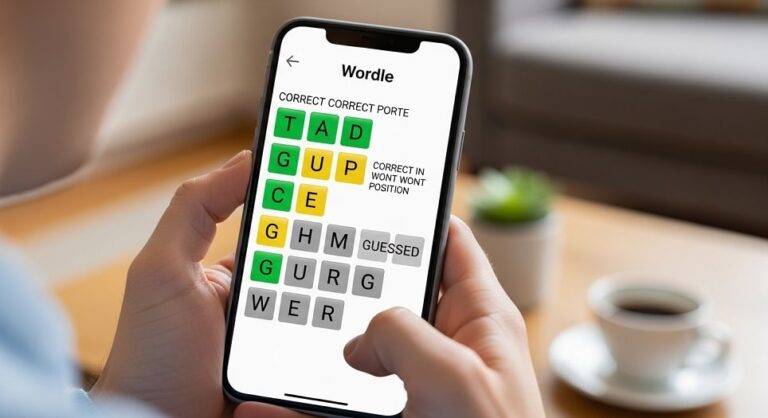
Wordle has taken the world by storm as a simple yet addictive daily puzzle that challenges players to guess a five-letter word within six attempts. This game combines elements of logic, vocabulary, and a bit of luck, making it appealing to puzzle enthusiasts of all ages. Whether you’re new to the game or looking to improve your skills, understanding the basics is essential for enjoying the experience fully.
The game presents a grid where each guess provides feedback through colored tiles, indicating which letters are correct and in the right position, which are correct but misplaced, and which are not in the word at all. This feedback system allows players to refine their guesses progressively. Many find the daily nature of the puzzle adds to its charm, as it limits playtime and builds anticipation for the next challenge.
Beyond the core mechanics, the game encourages strategic thinking from the very first guess. Players often debate the optimal approaches, drawing from letter frequency analysis and pattern recognition. As you delve deeper, you’ll discover that success in this puzzle isn’t just about knowing many words but about making informed choices based on available information.
Exploring the game’s origins can enhance appreciation for its design. Created by a software engineer as a gift for a loved one, it quickly gained popularity through social sharing. Today, it’s hosted on a major news platform, ensuring consistent access and updates to keep the experience fresh.
One of the appealing aspects is its accessibility; no downloads or subscriptions are required, just a web browser. This ease of entry has contributed to its widespread adoption across different demographics. Families play together, friends compete remotely, and even workplaces incorporate it into daily routines for a quick mental break.
While the puzzle is straightforward, mastering it involves learning from each attempt. Beginners might feel overwhelmed at first, but with practice, patterns emerge that make solving easier. The key is to approach each game methodically, avoiding random guesses that waste valuable turns.
Community discussions around the game often highlight creative strategies that go beyond basic play. For instance, some players maintain personal logs of past words to identify recurring themes or avoid repeats, even though the game itself doesn’t reuse solutions immediately. This personal touch adds a layer of engagement.
Understanding the Basics
To start, access the official site where the daily puzzle awaits. The interface is minimalistic, featuring a keyboard for input and a grid for guesses. Each day brings a new word, ensuring variety and preventing burnout from repetitive play.
The objective is clear: deduce the target word using the fewest guesses possible. Feedback comes instantly after each submission, guiding the next move. Green tiles signal a perfect match in letter and position, yellow indicate the letter is present but elsewhere, and gray mean the letter isn’t used.
Valid guesses must be real five-letter words, not proper nouns or obscure terms. This rule keeps the game fair and focused on common vocabulary. If a guess isn’t recognized, the system prompts for a valid entry, helping players stay on track.
Time isn’t a factor, so players can ponder each guess without pressure. This relaxed pace suits casual gamers who prefer thoughtful deliberation over speed. Many enjoy sipping coffee while contemplating possibilities, turning it into a morning ritual.
Step-by-Step Gameplay
Begin by entering your initial word. Choose something with a mix of vowels and consonants to gather broad information. After submission, review the colors carefully to inform your next choice.
Build on the feedback by rearranging yellow letters and locking in greens. Eliminate grays from future considerations to narrow options. This iterative process is the heart of the game, requiring adaptability.
As guesses progress, the pool of potential words shrinks. Use mental or written notes to list possibilities if needed. The goal is to solve within six tries, but even if not, the reveal provides learning for future games.
Sharing results on social media is optional but popular, using emoji grids to show progress without spoiling the word. This feature fosters community without direct competition, as everyone tackles the same puzzle.
Choosing the Best Starting Words
Selecting an effective opener is crucial for gathering maximum insights early. Words with common letters help identify key components quickly. Research shows certain combinations outperform others in revealing useful data.
Consider vowels first, as they form the backbone of most words. Including at least three in your starter maximizes chances of hitting yellows or greens. Consonants like R, S, and T are also frequent, making them strong additions.
Avoid rare letters like Q or Z in openers, as they seldom appear and waste a guess if absent. Instead, opt for versatile words that cover multiple positions effectively. Testing different starters over time helps find personal favorites.
Popular choices include terms that balance uniqueness and commonality. Experimentation reveals what works best for individual styles. Some prefer thematic starters, while others stick to statistically optimal ones.
Top Recommended Starters
- CRANE: This word incorporates common consonants and vowels, providing a solid foundation for feedback. It often reveals multiple hits due to its letter distribution. Players report fewer average guesses when using it as an opener.
- SLATE: Featuring S, L, A, T, E, it covers high-frequency letters efficiently. The mix allows for quick elimination of options. Many experts endorse it for consistent performance across puzzles.
- TRACE: With T, R, A, C, E, this starter tests essential sounds. It helps in identifying patterns early. Users find it particularly useful for words with repeated letters.
- SALET: Including S, A, L, E, T, it’s designed for optimal information gain. Studies show it reduces subsequent guesses effectively. Beginners appreciate its straightforward results.
- ROAST: This option uses R, O, A, S, T for broad coverage. It often yields valuable yellows. Experienced players use it to adapt quickly to feedback.
- ARISE: Featuring A, R, I, S, E, it balances vowels well. It aids in pinpointing positions. Many find it intuitive for daily play.
- SOARE: With S, O, A, R, E, this word maximizes vowel testing. It streamlines the solving process. Feedback from it is often highly informative.
- RAISE: Incorporating R, A, I, S, E, it’s a versatile choice. It helps in building momentum. Players note its reliability in various scenarios.
Developing Winning Strategies
Once past the opener, focus on logical progression. Use the process of elimination to discard impossible letters. This method sharpens focus on viable candidates.
Pay attention to letter positions; yellows indicate relocation needs. Experiment with placements in subsequent guesses. Avoid repeating known grays to maximize efficiency.
Consider word families or patterns, like endings in -ING or -ED. These can guide when partial information is available. Flexibility is key, as rigid thinking leads to dead ends.
Incorporate double letters when clues suggest them. Words like “BOOK” or “APPLE” require testing for repeats. Careful observation prevents missing these opportunities.
Common Mistakes to Avoid
New players often reuse gray letters inadvertently, wasting turns. Always cross them off mentally. Another pitfall is ignoring yellow positions, leading to suboptimal guesses.
Rushing guesses without full analysis increases errors. Take time to list options. Overreliance on one strategy limits adaptability; vary approaches as needed.
Forgetting the daily reset can cause confusion. Play fresh each day. Sharing spoilers accidentally ruins others’ fun; use emoji grids instead.
Advanced Techniques for Improvement
As skills grow, explore statistical analysis of letter frequencies. E is the most common vowel, followed by A and O. Consonants like T and N appear often.
Use external tools sparingly to maintain challenge, but word lists can inspire. Practice with variants to hone skills without spoiling the main game.
Track personal stats to identify weaknesses. If certain letter combos trip you up, focus practice there. Community forums offer insights without direct answers.
Experiment with hard mode for added difficulty, where revealed letters must be used subsequently. This sharpens precision. Transition gradually to avoid frustration.
Handling Tricky Puzzles
Some words have multiple similar options, like “STARE” vs. “STAKE.” Use differentiating guesses to resolve. Prioritize letters that distinguish between candidates.
When stuck with few clues, opt for exploratory words covering untried letters. This can unlock breakthroughs. Patience pays off in these scenarios.
Review past games to learn from successes and failures. Patterns emerge over time. Adjust strategies based on recurring challenges.
Exploring Wordle Variations
Beyond the standard game, numerous spin-offs exist. Some allow unlimited play, ideal for practice. Others introduce themes, like food or geography words.
Multi-word versions challenge with simultaneous puzzles. These build multitasking skills. Audio variants use sounds instead of letters for a twist.
Custom games let friends create puzzles. This personalizes the experience. Explore these to keep engagement high between daily challenges.
Language adaptations offer play in other tongues. This enhances vocabulary in foreign languages. Start with familiar ones to build confidence.
Benefits of Playing
Regular play boosts cognitive functions like memory and problem-solving. It’s a fun way to exercise the brain daily. Many report improved focus from consistent engagement.
Social aspects foster connections through shared experiences. Discussing strategies builds camaraderie. It’s a low-stakes way to bond over common interests.
The game’s brevity fits busy schedules, providing quick satisfaction. It encourages mindfulness by demanding present-moment attention. Overall, it’s a positive addition to routines.
Pro Tips
- Start with vowel-heavy words: This approach quickly identifies key letters. It reduces uncertainty early. Combine with common consonants for best results.
- Keep a mental elimination list: Track discarded letters rigorously. This prevents repetition errors. Update it after each guess for accuracy.
- Use position clues wisely: Yellow letters offer placement hints. Test different spots systematically. This maximizes their value.
- Avoid common pitfalls: Don’t guess words with known absent letters. Stay disciplined. Review rules if unsure.
- Practice daily: Consistency builds intuition. Over time, guesses become more instinctive. Track progress to motivate continued play.
- Explore hard mode: For challenge, enable it to refine skills. It forces strategic depth. Use sparingly at first.
- Share mindfully: Use non-spoiler methods. Respect others’ experiences. Build community positively.
Frequently Asked Questions
What if I can’t solve the puzzle? The game reveals the word after six tries, allowing learning for next time. No penalties exist; it’s all for fun.
Can words repeat letters? Yes, like in “MUMMY.” Test for doubles if clues suggest.
Is there a time limit? No, play at your pace. This suits reflective thinkers.
How do I access past puzzles? Official archives or variants provide them. Use for practice.
Are plurals allowed? Yes, but not always common. Consider them if fitting clues.
What about offensive words? The game avoids them, keeping it family-friendly.
Can I play offline? Some apps allow it, but official is online.
Conclusion
This guide covers everything from basics to advanced strategies, emphasizing thoughtful play and enjoyment. By choosing strong starters, avoiding mistakes, and practicing regularly, anyone can improve. The game’s simplicity belies its depth, offering endless engagement. Whether solo or shared, it provides mental stimulation and fun daily.