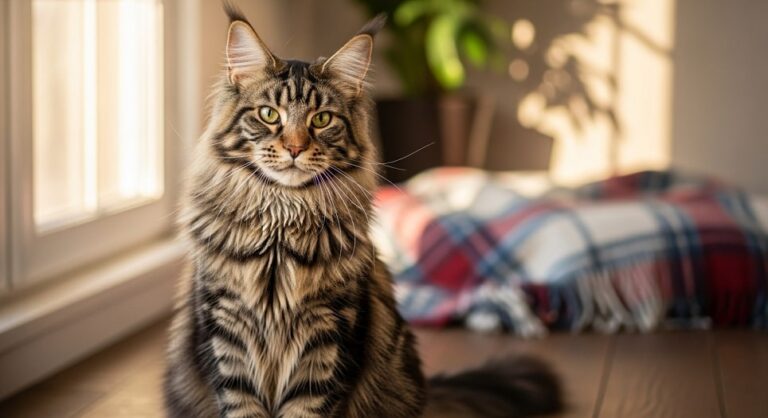
The Maine Coon cat stands out as one of the most captivating breeds in the feline world, drawing admiration for its impressive size and gentle demeanor. Originating from the rugged landscapes of New England, this breed has evolved into a beloved companion for families and individuals alike. With their luxurious fur and sociable nature, these cats offer a unique blend of companionship and independence that appeals to many pet enthusiasts.
Exploring the daily realities of life with this breed reveals a mix of joys and responsibilities. Their affectionate ways often lead to strong bonds with owners, making them feel like integral family members. However, potential owners should prepare for the specific needs that come with such a large and active cat.
Understanding the breed’s background provides insight into why they thrive in certain environments. These cats are well-adapted to colder climates, thanks to their dense coats and sturdy builds. This adaptation influences how they interact with their surroundings and what care they require to stay healthy and happy.
As you delve deeper into the world of these magnificent felines, you’ll discover the nuances of their behavior and the commitment involved in providing them with a fulfilling life. From playful antics to quiet moments of affection, the experience is rich and rewarding for those ready to embrace it.
History and Origins
The roots of this breed trace back to the early days of American settlement, where hardy cats were essential for controlling pests on farms and ships. Legends abound about their beginnings, including tales of seafaring cats mingling with local feral populations. While some stories suggest ties to European royalty or wild animals, scientific evidence points to natural selection in harsh winters shaping their traits.
By the late 19th century, these cats gained prominence in cat shows, captivating audiences with their size and charm. The first recorded show appearance highlighted their appeal, leading to early breed recognition. Despite a dip in popularity with the arrival of more exotic long-haired breeds, dedicated enthusiasts revived interest through clubs and exhibitions.
Today, the breed enjoys widespread acclaim, holding top spots in registration numbers among cat associations. This resurgence reflects their enduring qualities and the efforts of breeders to preserve their natural attributes. Their status as a state symbol underscores their cultural significance in their namesake region.
Evolution from working cats to cherished pets illustrates their adaptability. Early accounts describe them as skilled hunters with resilient spirits. Over time, selective breeding emphasized their friendly dispositions while maintaining their robust physiques.
Physical Characteristics
These cats are renowned for their substantial size, often dwarfing other domestic breeds with muscular bodies and broad chests. Males typically reach weights that emphasize their imposing presence, while females maintain a slightly more petite yet still formidable stature. Their rectangular frames support a powerful build suited for agility and strength.
The coat is a standout feature, with a dense underlayer providing insulation against cold and a longer outer layer that flows elegantly. Colors and patterns vary widely, from classic tabbies to solid shades, allowing for diverse appearances within the breed. Seasonal changes affect the coat’s thickness, requiring adjustments in grooming routines.
Large paws, sometimes with extra toes, act like natural snowshoes, enhancing stability on various surfaces. Tufted ears and long whiskers add to their expressive faces, while the bushy tail serves both as a balance aid and a warm wrap during rest. Eye colors complement their overall look, ranging in hues that captivate observers.
Growth occurs gradually, with full maturity taking several years, which means kittens retain playful energy longer than many breeds. This slow development contributes to their longevity in youthful behaviors. Owners often note how their size influences interactions with household items and spaces.
Personality and Temperament
Known for their gentle giant nickname, these cats exhibit a calm and affectionate nature that endears them to families. They form deep bonds with humans, often following owners around the home with curiosity and loyalty. Their sociable traits make them compatible with children and other animals, fostering harmonious households.
Intelligence shines through in their ability to learn tricks and respond to training, much like canine companions. They enjoy interactive play, such as fetching toys or exploring puzzle feeders. Vocalizations tend toward soft chirps and trills rather than loud meows, adding a unique communication style.
While independent, they crave companionship and may become vocal if left alone too long. Their playful side persists into adulthood, keeping homes lively with antics. Adaptability to new situations helps them settle into various living environments, from apartments to spacious houses.
Water fascination sets them apart, with many enjoying splashing in bowls or even joining baths. This trait stems from their historical adaptations and adds fun to daily routines. Overall, their balanced personality suits active yet relaxed lifestyles.
Care and Grooming Requirements
Maintaining the luxurious coat involves regular brushing to prevent mats and reduce shedding around the home. Sessions a few times weekly keep the fur smooth and distribute natural oils for shine. Professional grooming may be necessary for stubborn tangles or during heavy shedding periods.
Nail trimming every few weeks prevents overgrowth and protects furniture from scratches. Using appropriate clippers ensures safety and comfort during the process. Ear cleaning with vet-approved solutions wards off infections, especially after water play.
Dental hygiene plays a crucial role, with daily brushing using feline toothpaste combating plaque buildup. Introducing these routines early helps cats accept them as normal. Bathing occasionally, particularly if the coat becomes oily, can be a positive experience if started young.
Providing oversized litter boxes accommodates their size and promotes good hygiene habits. Regular vet check-ups monitor overall well-being and catch issues early. A clean environment minimizes health risks and enhances quality of life.
Feeding and Nutrition
A balanced diet rich in animal proteins supports their large frames and active lifestyles. High-quality commercial foods labeled for all life stages meet nutritional needs effectively. Portion control prevents obesity, a concern given their hearty appetites.
Kittens require formulas promoting growth, while adults benefit from maintenance diets. Senior cats may need joint-supporting ingredients to ease aging effects. Fresh water access, perhaps via fountains, encourages hydration and satisfies their water curiosity.
Treats should comprise a small part of intake, focusing on healthy options. Consulting veterinarians tailors plans to individual health and activity levels. Avoiding human foods prevents digestive upsets and maintains optimal weight.
Meal schedules, such as twice-daily feedings, help regulate eating habits. Monitoring body condition ensures adjustments as needed. Proper nutrition contributes to glossy coats and vibrant energy.
Health Concerns and Lifespan
Genetic predispositions include heart conditions that thicken muscle walls, potentially leading to complications if untreated. Regular screenings detect issues early, allowing for management through medication. Breeders testing parents reduce risks in offspring.
Joint problems like hip misalignment cause discomfort and mobility challenges over time. Weight management and supplements alleviate symptoms, with surgery an option in severe cases. Neurological disorders affecting muscle tone appear in kittens, requiring supportive care for quality life.
Kidney cysts, though rare, impact function and necessitate monitoring. Dental inflammation demands proactive oral care to prevent progression. Average lifespan reflects breed health, with many enjoying long, active years under proper care.
Preventive measures, including vaccinations and parasite control, safeguard against common ailments. Insurance covers unexpected veterinary costs, providing peace of mind. Attentive owners spot changes in behavior or appetite promptly.
Training and Exercise Needs
Positive reinforcement techniques work well, rewarding desired behaviors with treats or praise. Leash walking offers safe outdoor exploration and mental stimulation. Puzzle toys challenge their intellect, preventing boredom-related mischief.
Daily play sessions of short durations keep them physically fit without overexertion. Climbing structures satisfy natural instincts to perch high and survey surroundings. Social interactions with family members fulfill their need for engagement.
Consistency in rules establishes boundaries, such as discouraging counter surfing. Their curiosity makes them eager learners for tricks like high-fives. Enriched environments promote well-rounded development and happiness.
Adapting activities to age ensures sustained interest throughout life. Monitoring energy levels guides appropriate exercise amounts. A stimulated cat is less likely to develop unwanted habits.
Living with a Maine Coon
- Space Considerations: These cats thrive in homes with ample room to roam and climb, preventing feelings of confinement. Vertical spaces like tall shelves or cat trees allow them to express natural behaviors safely. Compact living arrangements work if supplemented with interactive elements to keep them engaged.
- Family Dynamics: Integration with children involves teaching gentle handling to avoid overwhelming the cat. Supervised interactions build trust and prevent accidents. Their patient nature makes them ideal for multi-generational households.
- Compatibility with Other Pets: Slow introductions facilitate peaceful coexistences with dogs or other cats. Shared playtimes strengthen bonds and reduce territorial issues. Monitoring initial meetings ensures positive outcomes.
- Daily Routines: Establishing feeding and play schedules creates predictability, reducing stress. Incorporating affection moments strengthens emotional connections. Flexibility accommodates their independent streaks.
- Travel and Boarding: Acclimating to carriers eases vet visits or trips. Reliable pet sitters familiar with breed needs provide care during absences. Planning ahead minimizes disruptions.
- Seasonal Adjustments: Winter coats require extra grooming, while summer heat demands cool resting spots. Hydration focus intensifies in warmer months. Weather awareness protects health year-round.
- Enrichment Ideas: Rotating toys maintains novelty and prevents disinterest. Window views offer passive entertainment. DIY activities like cardboard mazes spark creativity.
- Long-Term Commitment: Lifespan considerations involve preparing for senior care needs. Budgeting for ongoing expenses ensures sustained well-being. Dedication rewards with unwavering loyalty.
Current Market Price and Deals
Purchasing from breeders typically ranges from one thousand to two thousand five hundred dollars for pet-quality individuals, with higher amounts for those with exceptional lineages or colors. Factors influencing cost include location, breeder reputation, and included health screenings. Adoption from shelters or rescues offers more affordable options, often between one hundred and four hundred dollars, including initial veterinary services.
Current trends show slight increases due to demand, with some premium kittens reaching up to four thousand dollars. Deals may appear through rescue organizations or during adoption events, providing opportunities for lower fees. Researching reputable sources ensures ethical acquisitions and healthy starts.
Pros and Cons
Pros: Their affectionate and sociable nature fosters strong family bonds and compatibility with various household members. Intelligence allows for engaging training sessions and interactive play. Robust builds contribute to playful energy that entertains owners daily.
Cons: High grooming demands require consistent effort to manage shedding and matting. Potential health issues necessitate vigilant monitoring and possible veterinary expenses. Large sizes demand bigger accommodations and supplies, increasing overall costs.
Pro Tips
Invest in sturdy scratching posts to protect furniture and satisfy clawing instincts. Introduce water play early to channel their fascination safely. Schedule regular vet visits to catch breed-specific concerns promptly.
Use wide bowls to avoid whisker fatigue during meals. Provide high perches for observation, enhancing their sense of security. Incorporate joint supplements as they age to support mobility.
Frequently Asked Questions
How much space do they need? While adaptable, they appreciate room to move and vertical spaces for climbing. Apartments work with enrichments, but larger homes allow fuller expression of behaviors.
Are they good with kids? Yes, their gentle dispositions suit family life, but supervision ensures respectful interactions. Teaching children proper handling builds positive relationships.
What about allergies? They are not hypoallergenic, so those with sensitivities may experience issues. Regular grooming reduces dander, but alternatives might be better for severe cases.
How often do they need grooming? Brushing several times weekly prevents mats, with more during shedding seasons. Professional help addresses complex needs.
Can they be trained? Absolutely, responding well to positive methods for tricks and leash walking. Consistency yields impressive results.
Conclusion
Embracing life with this breed brings a blend of companionship, entertainment, and responsibility that enriches daily experiences. Their unique traits, from affectionate bonds to playful curiosities, create lasting memories for dedicated owners. By understanding their needs and committing to proper care, you ensure a harmonious and fulfilling relationship that highlights the best of feline companionship.