The introduction of innovative platforms aimed at reducing healthcare expenditures represents a significant advancement in addressing longstanding challenges within the American medical system. On February 5, 2026, President Donald Trump officially unveiled TrumpRx, a government-facilitated website designed to connect consumers with discounted prescription medications directly from manufacturers. This initiative emerges amid ongoing efforts to mitigate the financial burden of pharmaceuticals on individuals, particularly those without comprehensive insurance coverage.
TrumpRx operates as a centralized portal that directs users to pharmaceutical companies’ direct-to-consumer sales channels, where negotiated discounts are applied for cash purchases. The platform aligns with broader administrative policies focused on achieving parity in drug pricing relative to other developed nations. By leveraging agreements with major drug manufacturers, the site seeks to provide access to lower-cost medications for a range of chronic and acute conditions.
This development builds upon executive actions taken in 2025, including directives to implement most-favored-nation pricing models. The launch event, scheduled for 7:00 PM Eastern Time, featured key figures such as Centers for Medicare and Medicaid Services Administrator Dr. Mehmet Oz and National Design Studio Director Joe Gebbia, underscoring the collaborative nature of the project.
As healthcare costs continue to influence economic discussions, TrumpRx positions itself as a tool to enhance affordability without requiring insurance intermediaries. The following sections explore the historical context, operational details, and potential implications of this new resource.
Historical Context of Drug Pricing Reforms
Efforts to reform prescription drug pricing in the United States have evolved over decades, reflecting a complex interplay between innovation, market dynamics, and public policy. During President Trump’s first term, initiatives such as executive orders aimed at capping insulin costs and importing lower-priced drugs from abroad laid foundational groundwork. These measures sought to counteract the disparity where Americans often pay substantially more for medications compared to counterparts in other industrialized countries.
In May 2025, a pivotal executive order directed the Department of Health and Human Services to pursue most-favored-nation pricing, ensuring that U.S. prices for certain drugs do not exceed those in comparable nations. This policy framework facilitated negotiations with pharmaceutical manufacturers, resulting in agreements that commit companies to offer reduced rates for specific products. By September 2025, the first such deal with Pfizer marked the beginning of a series of partnerships, expanding to include over a dozen firms by early 2026.
The post-COVID economic landscape amplified the urgency of these reforms, as inflation impacted household budgets and heightened sensitivity to healthcare expenses. Data from various analyses indicate that prescription drug spending in the U.S. grew by approximately 11.4% in 2024, driven by specialty medications for conditions like obesity, oncology, and autoimmune diseases. TrumpRx emerges as a direct response to these trends, aiming to provide immediate relief through accessible discounts.
Previous attempts at similar platforms faced implementation challenges, including delays due to technical and regulatory hurdles. Initially targeted for a late 2025 rollout, the site’s launch was postponed multiple times, reflecting the complexities of coordinating with industry stakeholders and ensuring compliance with federal guidelines.
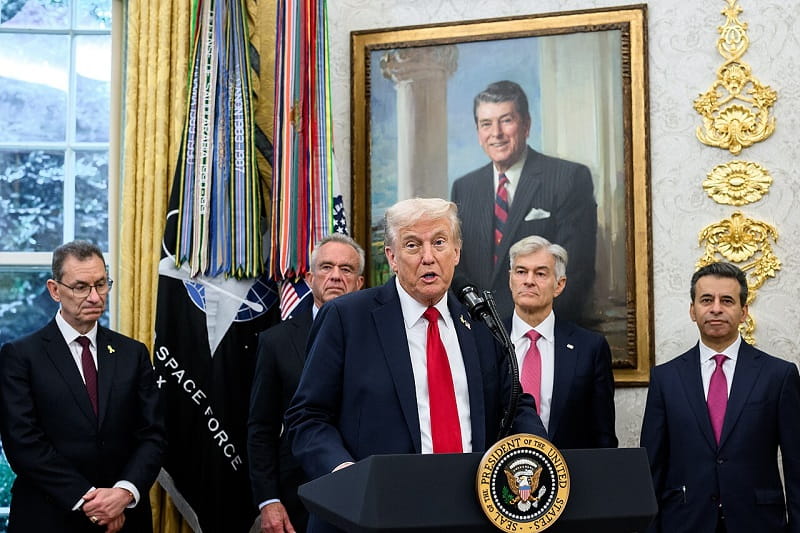
Details of the TrumpRx Launch Event
The official announcement of TrumpRx occurred during a high-profile event at the White House, emphasizing the administration’s commitment to healthcare affordability. President Trump highlighted the platform’s role in empowering consumers to bypass traditional supply chains, thereby accessing medications at negotiated rates. The presentation included demonstrations of the website’s interface, showcasing its user-friendly design intended to simplify the purchasing process.
Dr. Mehmet Oz, in his capacity as CMS Administrator, elaborated on the health benefits of improved access to affordable drugs, particularly for managing chronic illnesses. He noted that the initiative could impact millions of Americans by reducing out-of-pocket expenses for essential treatments. Joe Gebbia, drawing from his experience in digital innovation, discussed the technological aspects that ensure secure and efficient transactions through the portal.
White House Press Secretary Karoline Leavitt described the launch as a historic milestone, urging the public to tune in for real-time updates. The event was streamed across multiple platforms, allowing widespread participation and immediate feedback from viewers. This approach not only disseminated information but also fostered public engagement with the new resource.
Following the announcement, the trumprx.gov website transitioned from a placeholder page to a functional portal, displaying countdown timers and initial listings of available discounts. Users were encouraged to explore the site for eligibility details and participating medications, setting the stage for broader adoption.

Key Features of the TrumpRx Platform
TrumpRx functions primarily as a facilitator rather than a direct retailer, guiding users to manufacturers’ websites where purchases can be completed at discounted cash prices. This model eliminates intermediaries, potentially streamlining costs and enhancing transparency in pricing. The platform requires users to pay out-of-pocket, making it particularly suitable for individuals without insurance or those seeking alternatives to high copays.
Security measures are integral to the site, incorporating advanced encryption and verification processes to protect personal and financial information. Navigation is intuitive, with search tools allowing users to query specific medications and view available discounts. Educational resources, such as guides on understanding drug pricing and eligibility criteria, are embedded to assist informed decision-making.
Integration with mobile devices ensures accessibility on the go, with responsive design adapting to various screen sizes. Future updates may include personalized accounts for tracking purchases and receiving notifications about new discounts. These features collectively aim to demystify the drug acquisition process and promote cost-effective healthcare choices.
The platform’s emphasis on cash-based transactions aligns with efforts to reduce reliance on insurance-driven pricing models. By focusing on direct negotiations, TrumpRx seeks to deliver savings that reflect international benchmarks, potentially setting a precedent for future pricing strategies.
Participating Pharmaceutical Companies and Agreements
A cornerstone of TrumpRx is the series of agreements secured with leading pharmaceutical manufacturers under the most-favored-nation framework. Pfizer was the inaugural partner in September 2025, committing to offer select medications at reduced rates equivalent to those in other developed countries. This deal encompassed a broad portfolio, including treatments for cardiovascular diseases and infectious conditions.
Subsequent partnerships expanded the initiative’s scope. AstraZeneca joined in October 2025, pledging discounts on drugs for respiratory and oncology therapies. Eli Lilly and Novo Nordisk followed, focusing on diabetes and obesity management medications, with notable reductions for products like Zepbound and Wegovy. These agreements often include provisions for launching new drugs at parity pricing across markets.
Other participants include EMD Serono, Bristol Myers Squibb, Genentech, Gilead, GSK, Merck, Novartis, and Sanofi, each contributing specific products to the discount lineup. In exchange for these concessions, companies receive exemptions from potential tariffs and opportunities to expand domestic manufacturing. This quid pro quo arrangement incentivizes compliance while advancing economic objectives.
The cumulative effect of these partnerships is a diverse catalog of discounted medications, covering areas such as HIV treatment, hepatitis, and various cancers. As more companies engage, the platform’s offerings are expected to grow, enhancing its utility for a wider audience.

Potential Benefits for Consumers and the Healthcare System
For uninsured or underinsured individuals, TrumpRx offers a viable pathway to affordable medications, potentially reducing financial barriers to essential treatments. By enabling cash purchases at negotiated rates, the platform could lower overall out-of-pocket expenses, particularly for high-cost specialty drugs. This accessibility may improve adherence to prescribed regimens, leading to better health outcomes.
On a systemic level, the initiative promotes competition and transparency in drug pricing, challenging established models that contribute to elevated costs. Savings realized by consumers could translate into broader economic relief, alleviating pressure on household budgets amid persistent inflation. Furthermore, the focus on direct-to-consumer sales may encourage innovation in distribution channels.
Government projections estimate significant reductions in federal spending through these pricing mechanisms, with potential savings in the billions annually. For Medicare and Medicaid programs, aligned pricing could optimize resource allocation, allowing reinvestment in other healthcare priorities. Overall, TrumpRx represents a step toward equitable access in pharmaceutical markets.
Experts anticipate that widespread adoption could influence private sector practices, prompting insurers to revisit their pricing strategies. This ripple effect might foster a more competitive environment, ultimately benefiting all stakeholders in the healthcare ecosystem.
Advantages for Specific Patient Groups
- Uninsured Population: Individuals without health coverage stand to gain the most, as TrumpRx provides discounts unavailable through traditional channels. This group often faces the highest prices, and the platform’s cash model offers immediate relief. Enhanced access could prevent treatment delays, reducing long-term health complications.
- Chronic Disease Patients: Those managing ongoing conditions like diabetes or hypertension benefit from consistent discounts on maintenance medications. Lower costs encourage regular use, potentially decreasing hospitalizations. The inclusion of obesity treatments addresses a growing public health concern.
- Rural Residents: Limited pharmacy access in remote areas is mitigated by online purchasing options. Direct shipping from manufacturers ensures timely delivery. This feature bridges geographical gaps in healthcare equity.
- Seniors on Fixed Incomes: Elderly individuals, often reliant on multiple prescriptions, can stretch limited resources further. Alignment with Medicare initiatives may complement existing benefits. Reduced financial strain supports independent living.
- Low-Income Families: Households below certain income thresholds may find TrumpRx a cost-effective alternative to assistance programs. Family-wide applicability extends savings across generations. This inclusivity promotes preventive care.
- Patients with Rare Conditions: Specialty drugs for less common ailments are included in some agreements, offering rare affordability. Broader manufacturer participation could expand options. Improved access accelerates research feedback loops.
- Veterans and Military Families: While not directly targeted, overlaps with federal programs could enhance benefits. Discounted prices supplement existing coverage. This integration strengthens support networks.
- Immigrant Communities: Language barriers are addressed through multilingual site features in future updates. Cultural sensitivity in outreach builds trust. Equitable access fosters community health resilience.
Challenges and Criticisms of the Initiative
Despite its ambitions, TrumpRx faces scrutiny regarding its scope and effectiveness. Critics argue that the platform’s cash-only requirement excludes those reliant on insurance, potentially limiting its reach. Unclear comparisons between discounted prices and insured copays may confuse consumers, necessitating robust educational efforts.
Implementation delays have raised questions about operational readiness, with earlier timelines slipping due to unspecified reasons. Concerns persist over the sustainability of manufacturer agreements, as economic pressures could influence long-term commitments. Additionally, the exclusion of certain drugs from the program highlights gaps in coverage.
Industry stakeholders express apprehension that aggressive pricing could stifle innovation, reducing incentives for research and development. Balancing affordability with pharmaceutical advancement remains a contentious issue. Regulatory oversight is crucial to ensure fair practices and prevent unintended market distortions.
Public reception varies, with some praising the initiative’s intent while others call for broader reforms, including universal coverage expansions. Ongoing monitoring will be essential to assess real-world impacts and make necessary adjustments.
Reactions from Stakeholders and Experts
Pharmaceutical industry responses have been mixed, with participating companies endorsing the agreements as steps toward collaborative solutions. Pfizer’s early involvement set a positive tone, emphasizing shared goals of accessibility and innovation. However, non-participating firms caution against potential trade-offs in global pricing dynamics.
Healthcare advocacy groups welcome the discounts but advocate for inclusive measures that address insured populations. Organizations like AARP highlight benefits for seniors, while urging expansions to cover more medications. Policy analysts from think tanks such as the Heritage Foundation commend the market-oriented approach.
Congressional reactions reflect partisan divides, with supporters viewing TrumpRx as a fulfillment of campaign promises on cost reduction. Opponents question its comprehensiveness, proposing legislative enhancements to integrate with existing frameworks. Expert commentary from economists underscores the potential for long-term savings but warns of short-term disruptions.
Media coverage has amplified the launch, with outlets like The Washington Post and CNN providing in-depth analyses. Public polls indicate high interest, with many Americans expressing optimism about potential savings amid economic uncertainties.
Future Prospects and Expansions
Looking ahead, TrumpRx is poised for iterative improvements, including broader drug inclusions and enhanced user features. Planned integrations with telehealth services could streamline consultations and prescriptions. Expansion to additional manufacturers may diversify offerings, covering emerging therapeutic areas.
Policy evolutions, such as incorporating feedback from initial users, will shape the platform’s trajectory. Potential synergies with Medicare negotiations under the Inflation Reduction Act could amplify impacts. International benchmarking may evolve, influencing global drug pricing norms.
Economic forecasts suggest sustained growth in adoption, driven by awareness campaigns and demonstrated savings. Challenges like supply chain resilience will require proactive management. Ultimately, TrumpRx’s success hinges on adaptability and stakeholder collaboration.
Conclusion
The launch of TrumpRx marks a noteworthy progression in the pursuit of affordable prescription drugs, encapsulating key elements of recent policy directives. By facilitating access to discounted medications through direct manufacturer channels, the platform addresses critical gaps in healthcare affordability. Participating companies’ commitments underscore a collective effort to align U.S. prices with international standards, potentially yielding substantial savings for consumers and the government alike.
While challenges such as limited applicability to insured individuals and implementation hurdles persist, the initiative’s focus on transparency and competition holds promise for systemic improvements. Stakeholder reactions highlight both enthusiasm and calls for refinement, emphasizing the need for ongoing evaluation. As TrumpRx integrates into the healthcare landscape, its evolution will likely influence future strategies aimed at balancing cost control with innovation.