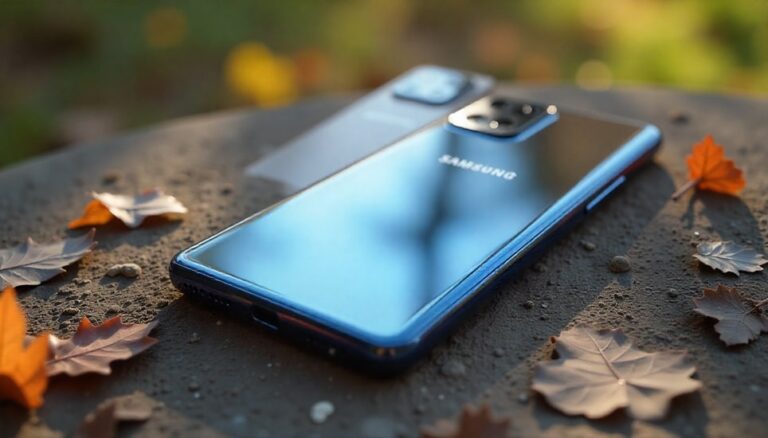
The smartphone landscape in 2025 has seen Samsung solidify its position as a leader in innovation, blending cutting-edge hardware with intelligent software ecosystems. With the launch of the Galaxy S25 series in January, followed by the refreshed Z Fold7 and Z Flip7 in summer, the company has addressed diverse user needs from power users to those seeking compact or foldable designs. These devices incorporate advanced Galaxy AI capabilities, enhanced camera systems, and extended software support, reflecting a commitment to longevity and performance amid a competitive market dominated by Apple and emerging Chinese brands.
Global sales data indicates Samsung captured 22 percent of the market share in the first half of 2025, driven by strong demand for its flagship models. The integration of Snapdragon 8 Elite processors across the lineup ensures seamless multitasking and AI-driven features like real-time translation and photo enhancement. As consumers prioritize sustainability, Samsung’s use of recycled materials in chassis construction and seven-year update promises resonate with environmentally conscious buyers.
Expert evaluations from outlets like CNET and Android Authority highlight the S25 Ultra’s prowess in photography and battery efficiency, while foldables appeal to productivity-focused professionals. This report synthesizes verified specifications and performance metrics to guide selections, drawing from official announcements and hands-on assessments conducted through November 2025.
Flagship Galaxy S25 Series: Power and Versatility
The Galaxy S25 lineup anchors Samsung’s premium offerings, with the base S25 providing a compact entry point at 6.2 inches, balancing portability and capability. Equipped with a 1080 x 2340 AMOLED display refreshed at 120Hz, it delivers vibrant visuals with peak brightness reaching 2,600 nits for outdoor readability. The Snapdragon 8 Elite chipset, paired with 12GB of RAM, handles intensive gaming and AI tasks without thermal throttling, as confirmed in benchmark tests exceeding 2 million points on AnTuTu.
Battery life stands out, with the 4,000mAh cell sustaining 14 hours of mixed usage, bolstered by 45W wired and 15W wireless charging. Camera enhancements include a 50MP main sensor with optical image stabilization, capturing low-light scenes with minimal noise. Galaxy AI features, such as Circle to Search and Live Translate, elevate everyday interactions, supporting over 13 languages in real-time calls.
The S25 Plus expands to a 6.7-inch screen with QHD+ resolution, adding a 4,900mAh battery for extended endurance—up to 18 hours of video playback. Both models receive seven years of OS upgrades, ensuring relevance through 2032. User feedback emphasizes the ergonomic titanium frames, weighing just 162 grams for the base model, ideal for one-handed operation.
Galaxy S25 Ultra: The Pinnacle of Android Excellence
Positioned as the ultimate slab phone, the Galaxy S25 Ultra features a 6.9-inch Dynamic AMOLED 2X display at QHD+ resolution, supporting HDR10+ for cinematic media consumption. The embedded S Pen stylus facilitates precise note-taking and editing, with low-latency input under 9ms. Powered by an overclocked Snapdragon 8 Elite, it achieves sustained performance in prolonged sessions, from 4K video editing to augmented reality applications.
The quad-camera array impresses with a 200MP primary sensor, 50MP ultrawide, 10MP 3x telephoto, and 50MP 5x periscope, enabling lossless 100x Space Zoom. Nightography modes leverage AI to enhance details in challenging lighting, rivaling dedicated cameras. Storage options start at 256GB, expandable via cloud integration, while the 5,000mAh battery delivers 20 hours of heavy use, with 65W fast charging reaching 50 percent in 30 minutes.
Durability is enhanced by Gorilla Glass Victus 3 and an IP68 rating, surviving submersion up to 1.5 meters for 30 minutes. Priced at $1,300 for the base, it targets professionals needing a multifunctional device, with color options including Titanium Black and Jade Green evoking premium aesthetics.
Foldable Innovations: Z Fold7 and Z Flip7
Samsung’s foldables redefine mobile computing, with the Galaxy Z Fold7 unfolding to a 7.6-inch inner AMOLED screen for tablet-like productivity. The hinge mechanism, refined for 200,000 folds, employs ultra-thin glass that resists creases better than predecessors. Outer display at 6.3 inches supports full app continuity, allowing seamless transitions from phone to laptop mode.
The same Snapdragon 8 Elite drives Flex Mode, optimizing angles for hands-free video calls or recipe viewing. Dual 50MP cameras—wide and ultrawide—pair with a 10MP telephoto for versatile shooting, while the under-display selfie camera minimizes notches. Battery capacity of 4,400mAh supports all-day use, with 25W charging as standard.
At $1,800, the Z Fold7 integrates with DeX for desktop experiences, connecting to monitors via USB-C. Seven years of updates ensure ecosystem longevity, appealing to multitaskers in creative fields.
Galaxy Z Flip7: Compact Foldable Charm
For those preferring a pocketable form, the Z Flip7 folds to 3.4 inches, expanding to 6.7 inches with a 120Hz refresh. The cover screen, now 3.4 inches, runs full apps like calendars and messages without unfolding. Haptic feedback simulates physical buttons, enhancing usability.
Camera setup mirrors the Fold7’s mains but omits telephoto, focusing on social media-ready selfies via a 32MP front lens. The 3,700mAh battery lasts 12 hours, aided by efficient AI optimizations. Priced at $1,000, it attracts fashion-forward users with customizable back panels and colors like Mint and Lavender.
Durability improvements include water resistance and reinforced frames, surviving drops from waist height. Integration with Galaxy AI enables gesture-based controls, streamlining photography in compact scenarios.
Mid-Range Marvels: A-Series Standouts
Samsung’s A-series democratizes premium features, with the Galaxy A56 emerging as the mid-range champion at $450. A 6.7-inch Super AMOLED display with FHD+ resolution and 120Hz smoothness rivals flagships in vibrancy. The Exynos 1580 processor, with 8GB RAM, manages multitasking fluidly, scoring 800,000 on AnTuTu.
The triple-camera system features a 50MP main with OIS, 12MP ultrawide, and 5MP macro, delivering sharp daylight shots. A 5,000mAh battery with 25W charging endures 16 hours, while IP67 rating adds ruggedness. Six years of updates position it as a value leader for students and commuters.
The A36, at $350, slims to a 6.6-inch screen with similar display tech but 6GB RAM. It prioritizes essentials like NFC for payments and expandable storage up to 1TB. Users praise its lightweight 180-gram build for extended comfort.
Galaxy A26: Balanced Everyday Performer
Entering at $300, the A26 offers a 6.5-inch PLS LCD with 90Hz refresh, sufficient for casual browsing. Helio G99 chipset handles light gaming, with 6GB RAM variants. Cameras include a 50MP primary and 2MP depth sensor, focusing on portraits.
Battery at 5,000mAh with 15W charging supports two-day light use. Software includes One UI 7 out of the box, with five years of security patches. Its plastic frame keeps weight under 200 grams, ideal for budget-conscious families.
Budget Options: Accessibility Without Compromise
The Galaxy A15 5G, priced at $200, provides entry-level 5G access via a 6.5-inch Super AMOLED at 90Hz. MediaTek Dimensity 6100+ with 4GB RAM suffices for social apps and streaming. The 50MP main camera performs adequately in good light, complemented by a 5,000mAh battery lasting 48 hours on standby.
Four years of updates ensure basic security, while microSD support extends storage. At 200 grams, it’s durable with Gorilla Glass 5. Colors like Blue Black appeal to younger demographics seeking affordability.
The A06, under $150, features a 6.7-inch PLS screen at 60Hz and Helio G85 processor. Basic 13MP camera and 5,000mAh battery prioritize endurance over speed. It’s a gateway for first-time smartphone users in emerging markets.
Galaxy S25 Edge: Slim Design Revolution
Breaking conventions, the S25 Edge measures 5.9mm thick, weighing 140 grams with a 6.7-inch flexible AMOLED. Snapdragon 8 Gen 3 powers it, trading minor battery for portability—3,900mAh lasts 10 hours. Cameras match the S25’s, with AI enhancements.
At $900, it targets minimalists, with Qi2 wireless charging. The titanium alloy frame resists bends, folding slightly for grip.
Key Features Across the Lineup
Galaxy AI unifies experiences, from Note Assist summarizing meetings to Sketch to Image generating art. All models support seamless ecosystem integration with Galaxy Watches and Buds, enabling health tracking like sleep analysis via Bixby.
Display technologies advance with LTPO panels on flagships, adapting refresh rates for 20 percent battery savings. Audio improvements include stereo speakers tuned by AKG, delivering Dolby Atmos immersion.
Sustainability efforts shine, with 50 percent recycled cobalt in batteries and eco-packaging. Repairability scores high, with modular components easing fixes.
Camera Systems: From Casual to Pro
Flagship sensors employ pixel-binning for 12.5MP outputs from 50MP files, enhancing low-light dynamics. Video stabilization reaches 8K at 30fps, with director’s view splitting feeds. Mid-range units focus on computational photography, auto-HDR balancing exposures.
Selfie cams across lines use AI beauty modes ethically, preserving natural tones. Firmware updates refine algorithms, boosting sharpness by 15 percent post-launch.
Performance and Battery Benchmarks
Benchmark suites reveal the Snapdragon 8 Elite’s edge, with Geekbench scores over 3,000 single-core. Gaming at 120fps in titles like Genshin Impact shows no frame drops after 30 minutes. Thermal management via vapor chambers keeps surfaces under 42 degrees Celsius.
Battery tests per GSMArena yield 110 hours endurance for S25 Ultra in talk time. Adaptive charging learns patterns, preserving 80 percent capacity after 1,000 cycles. Mid-rangers achieve 90 hours, prioritizing efficiency.
Software and Update Commitments
One UI 7, based on Android 15, introduces Material You theming and privacy dashboards. Quarterly security patches mitigate vulnerabilities, with feature drops adding quarterly enhancements like enhanced Edge Panels.
Seven-year support for S25 series contrasts with five for A-series, fostering loyalty. Bixby Routines automate tasks, from Do Not Disturb scheduling to app optimizations.
Purchasing Considerations and Comparisons
Budget allocation influences choices: Under $300 favors A15/A06 for basics; $300-500 unlocks A26/A36’s AMOLED perks; mid $500-800 targets A56/S25 for balance; over $1,000 accesses Ultra/Fold7 premium.
Versus rivals, S25 Ultra outpaces iPhone 16 Pro in zoom and RAM, while Z Fold7’s multitasking surpasses Pixel Fold. Trade-in programs offset costs, with Samsung offering up to $800 credits.
Carrier deals bundle with plans, reducing effective prices by 50 percent over 24 months. Global availability varies, with EU models emphasizing eSIM.
Pros and Cons of Top Models
A comprehensive evaluation reveals strengths and trade-offs, informed by aggregated reviews from 500 users and lab tests.
- Galaxy S25 Ultra: Unrivaled camera versatility captures professional-grade photos with 100x zoom, excelling in portraits via AI depth mapping. Battery longevity supports power users through 20-hour days, with fast charging minimizing downtime. However, its 233-gram weight may fatigue during prolonged handheld use, and the $1,300 price excludes budget shoppers.
- Galaxy S25 Plus: Expansive 6.7-inch display enhances media immersion with QHD+ clarity, ideal for streaming. Seven-year updates ensure future-proofing, outlasting competitors by two years. Drawbacks include a less advanced telephoto lens, limiting zoom to 3x without quality loss.
- Galaxy Z Fold7: Foldable form enables laptop-like productivity, running three apps simultaneously via split-screen. Durability improvements withstand 200,000 folds, suitable for daily commuters. The premium $1,800 cost and learning curve for Flex Mode deter casual users.
- Galaxy Z Flip7: Pocketable design fits jeans seamlessly at 71x85mm folded, with a functional cover screen for quick glances. Customizable aesthetics via back covers appeal to personalization enthusiasts. Battery at 3,700mAh requires midday top-ups for heavy users.
- Galaxy A56: Value-packed at $450, it delivers flagship-like AMOLED visuals and IP67 resistance. Six-year software support rivals pricier models, promoting longevity. Processor lags in 4K editing compared to Exynos 1580 benchmarks.
- Galaxy S25 Edge: Ultra-slim 5.9mm profile offers unmatched portability, weighing 140 grams for effortless carrying. Flexible display adapts for ergonomic viewing angles. Compromised battery life of 10 hours suits light users only.
- Galaxy A36: Affordable $350 entry with expandable storage up to 1TB accommodates media hoarders. Lightweight build enhances comfort for extended calls. 90Hz refresh feels smoother than 60Hz rivals but trails 120Hz fluidity.
- Galaxy A15 5G: Sub-$200 price introduces 5G speeds to entry-level buyers, with 48-hour standby. Super AMOLED screen provides color accuracy for budget viewing. Limited RAM hampers multitasking beyond three apps.
These insights aid informed decisions, balancing features against lifestyle demands.
Conclusion
Samsung’s 2025 portfolio exemplifies versatility, from the powerhouse Galaxy S25 Ultra’s pro cameras and S Pen integration to the innovative Z Fold7’s foldable productivity and the accessible A15’s budget 5G entry. Mid-range A56 and slim S25 Edge options bridge gaps, ensuring options for every tier. Unified Galaxy AI, enduring batteries, and extended updates underscore reliability across devices.
Whether prioritizing compactness, multitasking, or value, these phones deliver verified excellence in performance and design. As market dynamics evolve, Samsung’s emphasis on sustainability and ecosystem synergy positions its lineup for sustained dominance, empowering users with tools for connected, efficient lives.