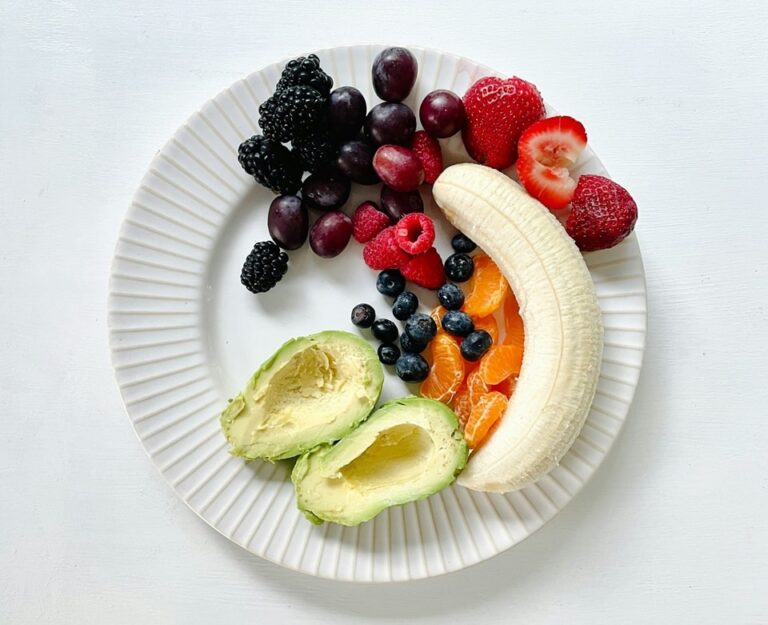
Achieving optimal health begins with the fundamental building blocks of our daily diet. In a world saturated with processed convenience foods, returning to whole, nutrient-dense ingredients is the most effective strategy for enhancing energy levels, supporting immune function, and reducing the risk of chronic diseases. This comprehensive guide explores fifty of the most powerful superfoods, categorized by their nutritional profiles and health benefits, to provide a definitive roadmap for anyone looking to transform their physical well-being through the power of nutrition.
The concept of a superfood is rooted in nutrient density—the ratio of beneficial nutrients to caloric content. Foods that rank high in vitamins, minerals, antioxidants, and phytochemicals provide the body with the necessary tools to repair cellular damage and maintain metabolic balance. By incorporating a diverse array of these foods into your weekly routine, you create a synergistic effect where different nutrients work together to optimize bodily functions, from cognitive performance to cardiovascular health.
Understanding how to select and prepare these foods is just as important as knowing what they are. Freshness, sourcing, and cooking methods all play a role in the eventual nutritional value that reaches your plate. This guide delves deep into the science behind these fifty nutritional powerhouses, offering practical advice on how to integrate them into a modern lifestyle without sacrificing flavor or convenience. Whether you are a seasoned health enthusiast or just beginning your wellness journey, these foods represent the gold standard of human nutrition.
The Foundation of Health: 50 Essential Superfoods
To provide a truly comprehensive look at nutrition, we must identify the specific items that offer the highest return on investment for your health. Below is the detailed breakdown of the 50 superfoods that should form the core of a longevity-focused diet:
- Blueberries: These berries are legendary for their high concentration of anthocyanins, antioxidants that have been shown to cross the blood-brain barrier to protect neurons and improve cognitive function. They are also low in calories and high in fiber, making them an ideal daily snack for weight management.
- Wild-Caught Salmon: As a primary source of long-chain omega-3 fatty acids (EPA and DHA), salmon is essential for cardiovascular health and reducing systemic inflammation. It also provides high-quality protein and a significant dose of vitamin D, which is often lacking in modern diets.
- Kale: This cruciferous green is one of the most nutrient-dense plants in existence, offering massive amounts of vitamins A, K, and C. It also contains bile acid sequestrants, which can help lower cholesterol levels by preventing the reabsorption of fat into the bloodstream.
- Avocados: Unique among fruits for their high fat content, avocados provide heart-healthy monounsaturated oleic acid. They are also incredibly high in potassium and fiber, supporting healthy blood pressure levels and digestive regularity.
- Quinoa: This ancient seed is a rare plant-based “complete protein,” meaning it contains all nine essential amino acids that the body cannot produce on its own. It is also rich in magnesium, B vitamins, and iron, providing sustained energy throughout the day.
- Walnuts: Among all nuts, walnuts stand out for their significantly higher levels of alpha-linolenic acid (ALA), the plant-based form of omega-3. Regular consumption has been linked to improved heart health and reduced markers of oxidative stress.
- Chia Seeds: These tiny seeds can absorb up to twelve times their weight in water, helping to maintain hydration and promote satiety. They are an incredible source of fiber and minerals like calcium and phosphorus, essential for bone density.
- Garlic: Beyond its culinary uses, garlic contains allicin, a potent compound with medicinal properties. It has been shown to boost the immune system, reduce blood pressure, and improve cholesterol profiles when consumed regularly.
Vibrant Fruits for Antioxidant Protection
Beyond the core list, we must include Strawberries, which are packed with vitamin C and manganese, and Apples, which provide pectin, a prebiotic fiber that feeds beneficial gut bacteria. Bananas remain a staple for their portable potassium and quick-digesting carbohydrates, while Oranges offer a massive dose of hesperidin, a flavonoid that supports vascular health. Kiwi is often overlooked but contains more vitamin C than an orange and unique enzymes that assist in protein digestion. Pomegranates bring potent punicalagins to the table, which are powerful antioxidants found in the juice and peel.
Continuing the fruit spectrum, Raspberries and Blackberries provide some of the highest fiber-to-calorie ratios of any food, essential for metabolic health. Grapefruit is highly regarded for its ability to improve insulin sensitivity and assist in weight loss protocols. Cherries, specifically tart cherries, contain melatonin and anthocyanins that can improve sleep quality and reduce muscle soreness after exercise. Papaya offers papain, an enzyme that breaks down tough protein fibers, making it an excellent digestive aid after heavy meals.
Rounding out the fruit selections, Grapes (especially dark-skinned varieties) contain resveratrol, the compound famous for its potential anti-aging effects on the heart and skin. Melons, such as cantaloupe and watermelon, provide high water content paired with vitamins A and C, essential for hydration and skin repair. Pears are another high-fiber fruit that helps regulate blood sugar. Finally, Tomatoes—botanically a fruit—are the world’s best source of lycopene, an antioxidant that becomes even more bioavailable when the fruit is cooked.
Powerhouse Vegetables and Leafy Greens
The vegetable kingdom is led by Spinach, a versatile green rich in iron, calcium, and lutein for eye health. Broccoli and Cauliflower are cruciferous staples that provide sulforaphane, a compound studied for its ability to neutralize toxins and protect DNA. Brussels Sprouts offer a concentrated dose of vitamin K, essential for bone mineralization and blood clotting. Asparagus is a premier source of folate and acts as a natural diuretic, helping the body flush out excess salt and fluid.
Root vegetables like Carrots and Sweet Potatoes provide high levels of beta-carotene, which the body converts into vitamin A for immune function and vision. Beets are unique for their nitrates, which the body converts into nitric oxide to relax blood vessels and improve athletic performance. Bell Peppers, available in multiple colors, are one of the richest sources of vitamin C available, often surpassing citrus fruits. Onions provide quercetin and sulfur compounds that support heart health and may reduce the risk of certain cancers.
Lesser-known but equally vital are Swiss Chard, which is loaded with minerals and unique flavonoids, and Cabbage, an affordable superfood that supports gut health through its high fiber and vitamin U content. Artichokes are among the most antioxidant-rich vegetables and are particularly beneficial for liver health. Zucchini and Cucumber provide low-calorie bulk and hydration to the diet, while Eggplant contains nasunin, a potent antioxidant found in its purple skin that protects brain cell membranes from damage.
High-Quality Proteins and Legumes
For protein, we look to Eggs, the “gold standard” for amino acid profiles, and Greek Yogurt, which provides double the protein of regular yogurt along with gut-friendly probiotics. Chicken Breast remains a lean staple for muscle maintenance, while Grass-fed Beef offers a superior ratio of omega-3 to omega-6 fats compared to grain-fed alternatives. Sardines are a nutritional powerhouse, offering calcium, vitamin D, and omega-3s in a small, low-mercury package. Turkey provides tryptophan, an amino acid essential for serotonin production and mood regulation.
Plant-based proteins are dominated by Lentils and Chickpeas, which offer a combination of protein and slow-digesting carbohydrates. Black Beans and Kidney Beans are rich in antioxidants and resistant starch, which improves gut health. Edamame (soybeans) provides all essential amino acids and is rich in isoflavones. Peas are a surprising source of plant-based protein and vitamin K. Tempeh, a fermented soy product, offers protein along with probiotics, making it easier to digest than unfermented soy.
Seafood variety is important, so we include Shrimp, which is high in iodine and the antioxidant astaxanthin, and Mackerel, another fatty fish that rivals salmon in its omega-3 content. Tuna (consumed in moderation) provides lean protein and selenium. For those seeking dairy-based protein, Cottage Cheese is an excellent source of casein protein, which digests slowly and provides a steady release of amino acids to the muscles, making it a popular choice for evening meals.
Nuts, Seeds, and Healthy Fats
Healthy fats are critical for brain function and hormone production. Extra Virgin Olive Oil is the cornerstone of the Mediterranean diet, rich in monounsaturated fats and polyphenols. Coconut Oil provides medium-chain triglycerides (MCTs) which can be used by the brain as an immediate energy source. Almonds are a top source of vitamin E, while Pistachios offer a unique profile of antioxidants including lutein and zeaxanthin. Brazil Nuts are the world’s best natural source of selenium, a mineral vital for thyroid function.
Seeds like Flaxseeds must be ground to unlock their high fiber and lignan content, which helps balance hormones. Pumpkin Seeds are exceptionally high in magnesium and zinc, essential for immune health and sleep. Hemp Seeds provide a perfect 3:1 ratio of omega-6 to omega-3 fatty acids. Cashews offer iron and zinc, while Pecans are among the highest in antioxidant content of all nuts. Sesame Seeds provide calcium and unique lignans like sesamin that may support cardiovascular health.
To round out the fat sources, Macadamia Nuts offer a high concentration of monounsaturated fats similar to olive oil. Nut Butters (when natural and without added sugar) provide a convenient way to consume these nutrients. Dark Chocolate (at least 70% cocoa) is a legitimate superfood, providing minerals and flavanols that improve blood flow and lower blood pressure. Lastly, Apple Cider Vinegar, while not a fat, is a key flavoring that helps stabilize blood sugar levels when consumed before carbohydrate-rich meals.
Grains, Spices, and Superfood Beverages
Whole grains provide the necessary fiber for heart health. Oats contain beta-glucan, which aggressively lowers “bad” LDL cholesterol. Brown Rice and Wild Rice provide magnesium and B vitamins, while Buckwheat (which is gluten-free) contains rutin, a compound that strengthens blood vessels. Barley is another high-fiber grain that promotes satiety and gut health. Millet is a highly alkaline grain that is easy on the digestive system and rich in protective phytochemicals.
The final pieces of the 50-food puzzle are the spices and beverages. Turmeric, containing curcumin, is perhaps the most powerful natural anti-inflammatory available. Ginger is essential for digestive health and reducing nausea. Cinnamon has been shown to improve insulin sensitivity and lower blood sugar. Green Tea is the ultimate health beverage, packed with catechins (EGCG) that boost metabolism and protect cells from damage. Coffee, in moderation, provides a significant portion of the antioxidants in the Western diet and supports liver health.
By incorporating these 50 foods—Blueberries, Salmon, Kale, Avocados, Quinoa, Walnuts, Chia Seeds, Garlic, Strawberries, Apples, Bananas, Oranges, Kiwi, Pomegranate, Raspberries, Blackberries, Grapefruit, Cherries, Papaya, Grapes, Melons, Pears, Tomatoes, Spinach, Broccoli, Cauliflower, Brussels Sprouts, Asparagus, Carrots, Sweet Potatoes, Beets, Bell Peppers, Onions, Swiss Chard, Cabbage, Artichokes, Zucchini, Cucumber, Eggplant, Eggs, Greek Yogurt, Chicken Breast, Grass-fed Beef, Sardines, Turkey, Lentils, Chickpeas, Black Beans, Kidney Beans, and Edamame—you cover the full spectrum of human nutritional needs.
Pro Tips for Maximizing Your Superfood Intake
To ensure you are getting the most out of this list of 50 superfoods, follow these expert guidelines for shopping, storage, and preparation:
- The “Fat-Soluble” Rule: Many of the nutrients in vegetables like kale, carrots, and tomatoes (Vitamins A, E, K, and Lycopene) require fat for absorption. Always pair your veggies with a healthy fat like olive oil or avocado to ensure the nutrients actually enter your bloodstream.
- Shop the Perimeter: The vast majority of the 50 foods on this list are found in the outer aisles of the grocery store (produce, meat, and dairy). Avoid the center aisles where processed foods dominate.
- Flash-Frozen is Fine: Don’t avoid the freezer section. Frozen berries, spinach, and wild-caught fish are often frozen at the source, preserving more nutrients than “fresh” items that have sat on a truck for a week.
- Herbs are “Mini” Superfoods: Don’t just stick to the 50. Adding fresh herbs like parsley, cilantro, and rosemary to your meals adds an extra layer of phytochemicals and antioxidants for almost zero calories.
- Rotate Your Choices: Don’t eat the same five superfoods every day. Aim to cycle through all 50 items over the course of a month to ensure your gut microbiome receives a diverse range of fibers and your body gets a wide spectrum of micronutrients.
Frequently Asked Questions
Can I get all my nutrients if I am a vegetarian?
Yes, by focusing on the plant-based proteins on this list like quinoa, lentils, chickpeas, edamame, and chia seeds, you can meet your protein needs. However, vegetarians should be mindful of Vitamin B12 and iron, which are most abundant in the animal-based superfoods like beef and eggs.
Is it expensive to eat this many superfoods?
It doesn’t have to be. Many of the most powerful items, such as onions, garlic, carrots, oats, and lentils, are among the cheapest foods in the grocery store. Buying in bulk and choosing frozen versions of berries and fish can also significantly lower the cost.
How much of these foods do I need to see a difference?
Consistency is key. You don’t need to eat all 50 every day. Aim for “The Rule of 5″—try to include at least five different items from this list in your meals every single day. Most people report increased energy and better digestion within the first two weeks of this shift.
Do I have to eat these foods raw?
Not necessarily. While some foods like berries and nuts are great raw, others like tomatoes and carrots actually become more nutritious when cooked. Steaming or sautéing is generally better than boiling, as it prevents vitamins from leaching into the cooking water.
What is the single most important food on the list?
There is no single “magic” food. The power of these superfoods comes from their variety. The antioxidants in blueberries work differently than the healthy fats in salmon. A balanced intake of all categories is the best approach for long-term health.
Conclusion
The journey toward optimal health is paved with the choices we make at the dinner table. By prioritizing these 50 superfoods—ranging from deep-sea salmon and leafy kale to vibrant berries and ancient grains—you provide your body with a comprehensive toolkit for longevity. Each of these ingredients offers a unique biological advantage, whether it is the anti-inflammatory power of turmeric, the heart-healthy fats of extra virgin olive oil, or the brain-boosting antioxidants in blueberries. Moving away from processed, empty-calorie foods and toward this nutrient-dense paradigm is the most effective way to sustain high energy levels, support a robust immune system, and protect against the ailments of aging. Remember that health is built over time through the cumulative effect of these small, powerful nutritional choices. By integrating a wide variety of these 50 foods into your lifestyle, you are not just eating for today; you are investing in a vibrant, healthy future.

Full-stack developer at Scylla Technologies (USA), working remotely from Bangladesh. Adobe Certified Magento Developer.