

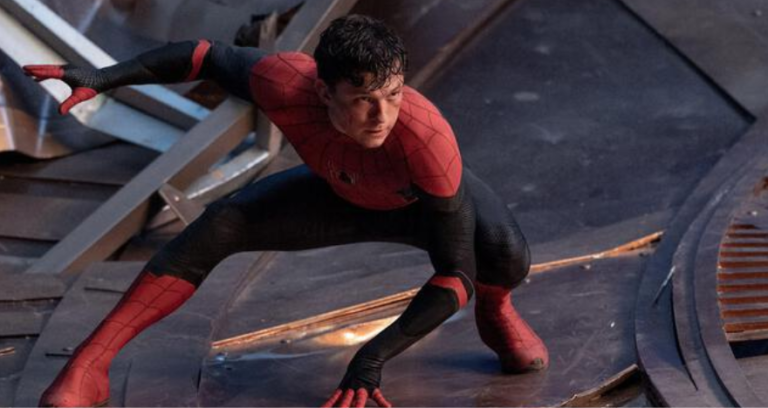
The release of Spider-Man: No Way Home marked a historic milestone in the Marvel Cinematic Universe, serving not only as the conclusion to the “Homecoming” trilogy but also as a monumental celebration of two decades of Spider-Man cinema. Directed by Jon Watts, the film explores the profound consequences of Peter Parker’s secret identity being revealed to the world. This narrative pivot shifts the franchise from a high school coming-of-age story into a high-stakes multiversal epic. The film effectively balances the personal growth of Tom Holland’s Peter Parker with the immense technical and narrative challenge of integrating characters from previous iterations of the franchise, specifically those directed by Sam Raimi and Marc Webb.
At its core, the story begins immediately after the events of Spider-Man: Far From Home, where the antagonist Mysterio frames Peter Parker for murder and exposes his identity. The resulting media circus led by J. Jonah Jameson creates a rift in Peter’s life, affecting not just his own future but the academic prospects of his closest friends, MJ and Ned Leeds. Driven by a sense of responsibility for his friends’ derailed lives, Peter seeks the assistance of Doctor Stephen Strange. He requests a spell to make the world forget he is Spider-Man, but his frequent interruptions during the casting process cause the spell to go awry, inadvertently tearing open the barriers of the multiverse and pulling in individuals who know Peter Parker is Spider-Man from other realities.
The arrival of iconic villains such as Green Goblin, Doctor Octopus, and Electro forces Peter to confront the ethical dilemma of his heroism. Rather than simply sending these villains back to their home universes—where many are destined to die at the hands of their respective Spider-Men—Peter chooses to attempt to “cure” them of the genetic or psychological burdens that drove them to villainy. This decision highlights the moral core of the character, emphasizing that being a hero is as much about compassion and redemption as it is about physical combat. This thematic depth is what elevates the film beyond a mere spectacle of fan service into a poignant exploration of sacrifice and the true meaning of the “Spider-Man” mantle.
The technical execution of the multiverse is one of the film’s most significant achievements. By bringing back Alfred Molina as Otto Octavius and Willem Dafoe as Norman Osborn, the production team had to blend visual styles from the early 2000s with modern digital effects. The “de-aging” technology used for Molina and Dafoe allowed them to appear as they did in their original appearances, maintaining visual continuity across twenty years of film history. Furthermore, the choreography of the fight sequences was designed to reflect the specific power sets and combat styles of these established villains, ensuring that their presence felt authentic to their original incarnations while still fitting within the aesthetic of the modern MCU.
The middle act of the film introduces the most significant surprise: the return of Tobey Maguire and Andrew Garfield as their respective versions of Peter Parker. This was not merely a cameo but a substantial narrative integration. Their presence serves as a mentorship role for Tom Holland’s Peter, who is reeling from the tragic loss of Aunt May. The interaction between the three Spider-Men allows the film to reflect on the shared trauma and specific characteristics of the character across different eras. It provides a sense of closure for Garfield’s “Amazing Spider-Man,” particularly through a redemptive moment where he saves MJ, echoing the loss of Gwen Stacy in his own timeline.
The final battle at the Statue of Liberty serves as a grand culmination of these storylines. The three Spider-Men work together to synthesize cures for their adversaries, emphasizing teamwork and scientific ingenuity over brute force. This sequence is notable for its complex visual effects, featuring multiple high-speed combatants against a variety of elemental and technological threats. The chemistry between Holland, Maguire, and Garfield provides the emotional anchor for the action, making the stakes feel personal even amidst the grand scale of a multiversal collapse. The resolution of this conflict requires Peter to make the ultimate sacrifice: allowing Doctor Strange to complete a new spell that erases all memory of his existence from the world, including his relationships with MJ and Ned.
Key Cinematic Milestones and Narrative Innovations
Spider-Man: No Way Home introduced several groundbreaking elements to the superhero genre that have redefined how shared universes are managed in Hollywood. The following list outlines the most critical innovations and milestones achieved by this production:
- Multiversal Legacy Integration: The film successfully merged three distinct cinematic eras into a single coherent narrative. Unlike previous crossover events that relied on new characters, this utilized established emotional connections that audiences had built over twenty years, creating a unique form of “meta-narrative” that rewarded long-term viewership while maintaining a clear path for new fans.
- Ethical Deconstruction of Villainy: Rather than following the traditional “hero kills the villain” trope, the film focuses on the concept of rehabilitation. Peter’s insistence on curing the villains instead of executing them shifts the focus from physical victory to moral triumph, providing a more complex look at the motivations of characters like Sandman and the Lizard.
- The Cost of Heroism: Most superhero films end with the protagonist gaining status or stability. In contrast, this film ends with Peter Parker losing everything—his family, his friends, and even his legal identity. This “hard reset” returns the character to his comic book roots as an underdog struggling to survive in New York City, which many critics praised as a bold creative choice.
- Collaborative Stunt Coordination: The coordination required to film three Spider-Men simultaneously involved a blend of practical wirework and digital doubles. Each actor had a distinct movement style—Maguire’s was more grounded and powerful, Garfield’s was lanky and agile, and Holland’s was acrobatic and tech-reliant—which the stunt team meticulously preserved.
- Box Office Resilience: Released during a period of global economic recovery and theatrical uncertainty, the film became one of the highest-grossing movies of all time. It demonstrated that massive, event-style cinema still holds significant cultural and financial power, influencing how studios plan their “tentpole” releases in the post-pandemic landscape.
- Narrative Continuity Management: The script had to navigate the complex licensing agreements between Sony Pictures and Marvel Studios. By centering the story on the multiverse, the creators found a logical way to share characters across corporate boundaries, setting a precedent for future collaborations in the entertainment industry.
The emotional weight of the film is largely carried by the performance of Marisa Tomei as Aunt May. In this version of the Spider-Man mythos, it is May, rather than Uncle Ben, who delivers the iconic “With great power, there must also come great responsibility” line. This change recontextualizes Peter’s moral compass, making his grief the catalyst for his final transformation into a mature hero. Her death at the hands of the Green Goblin serves as the darkest point in the film, pushing Holland’s Peter to the brink of lethal vengeance, which is only prevented by the intervention of the older Peter Parkers. This moment cements the film’s theme of the community of heroes helping one another overcome personal darkness.
Following the final spell, the film concludes with a somber but hopeful epilogue. Peter Parker is shown living in a small, run-down apartment, sewing his own costume from scratch without the aid of Stark Industries’ technology. He visits MJ at her job but decides not to reveal his identity to her, seeing that she is safe and happy in her new life. This ending signifies the birth of a more traditional Spider-Man: an anonymous protector who operates without the backing of the Avengers. It sets the stage for future installments that can explore Peter’s life as a college student and a street-level hero, unburdened by the global-scale threats he previously faced.
The impact of Spider-Man: No Way Home extends beyond its narrative. It sparked intense discussions regarding the future of the MCU and the potential for “legacy” characters to return in other franchises. The success of Willem Dafoe’s return, in particular, highlighted the audience’s appetite for high-caliber acting in superhero roles, as he brought a terrifying intensity to the Green Goblin that rivaled his original 2002 performance. The film also revitalized interest in Andrew Garfield’s portrayal, leading to widespread social media campaigns for a third “Amazing Spider-Man” film. This level of engagement illustrates the profound connection audiences have with these different iterations of the character.
The Cultural Legacy and Fan Reception
The reception of the film was overwhelmingly positive, with audiences praising the balance between humor, action, and tragedy. It currently holds high scores on various review aggregators, often cited as one of the best Spider-Man films ever made. The “leak” culture surrounding the film’s production—where photos of Maguire and Garfield on set were circulated months before release—created an unprecedented level of anticipation. Marvel and Sony’s marketing strategy, which officially denied these appearances until the film’s debut, actually helped build the “must-see” nature of the theatrical experience, as fans wanted to confirm the theories for themselves.
Beyond the fan service, the film is a technical marvel in terms of pacing. Despite a runtime of nearly two and a half hours, the story moves quickly, transitioning from the legal drama of the first act to the multiversal chaos of the second and the emotional resolution of the third. The score by Michael Giacchino also plays a vital role, cleverly weaving in musical motifs from Danny Elfman’s Spider-Man theme and James Horner’s Amazing Spider-Man score. This auditory nostalgia complements the visual returns, creating a holistic experience that honors the history of the character across all mediums.
The film’s exploration of “variants”—different versions of the same person from across the multiverse—also paved the way for subsequent MCU projects like Doctor Strange in the Multiverse of Madness and Loki. By establishing the rules of the multiverse in a popular, accessible film, Marvel Studios was able to expand its storytelling possibilities, allowing for “What If” scenarios to become part of the main cinematic canon. No Way Home serves as the anchor for this new era, proving that audiences are capable of following complex, non-linear storylines as long as the character work remains grounded and relatable.
Analysis of the Multiverse Villains
The selection of villains in No Way Home was strategic, representing the greatest threats each previous Spider-Man had faced. This provided a “Sinister Six” style dynamic, although the film focused on five main antagonists. Norman Osborn (Green Goblin) remains the primary psychological foil for Peter, representing the corruptive influence of power. Otto Octavius (Doctor Octopus) provides the redemptive arc, showing that even those who have fallen can be brought back to the light. Electro (Max Dillon) offers a commentary on the desire for recognition and power in a world that ignores the marginalized.
The inclusion of Sandman and the Lizard added to the physical threat but also highlighted the different motivations of these characters. Flint Marko (Sandman) simply wants to return to his daughter, emphasizing the human side of these “monsters.” Curt Connors (The Lizard) represents the danger of scientific hubris. By bringing these characters together, the film creates a microcosm of Spider-Man’s entire rogues’ gallery, forcing the three Peters to use their collective knowledge to solve problems that were once insurmountable for them individually. This collaborative problem-solving is a hallmark of the Spider-Man character, who has always been as much a scientist as he is a superhero.
The interactions between the villains also provided moments of levity and world-building. Watching Octavius and Osborn interact—two brilliant minds from the same universe who never met on screen—added layers to the history of the Raimi-verse. Similarly, the friction between Electro and the other villains highlighted the differing tones of the Webb and Raimi films. These small character beats helped the film feel like a lived-in expansion of established worlds rather than a collection of random cameos. The writers ensured that every returning character had a meaningful interaction that contributed to the overall theme of the film.
Critical Analysis of the ‘Soft Reboot’ Ending
Many film scholars and critics have analyzed the ending of No Way Home as a “soft reboot” of the MCU Spider-Man. For the first five years of his existence in the MCU, Tom Holland’s Peter Parker was often criticized for being too reliant on Tony Stark’s technology and mentorship. By removing these elements, the film addresses these criticisms directly. Peter is now truly alone, forced to rely on his own wits and meager resources. This brings the character closer to the “working-class hero” roots established by Stan Lee and Steve Ditko in 1962.
This narrative shift is significant for the future of the franchise. It allows for a more grounded, New York-centric series of stories. Future films can explore Peter’s relationship with characters like Daredevil (who made a brief appearance as Matt Murdock in this film) or Kingpin, without needing to involve the global threats of the Avengers. The “everyone forgets Peter Parker” spell also serves as a convenient way to reset the status quo, allowing the writers to introduce classic supporting characters like Gwen Stacy or Harry Osborn without the baggage of previous MCU continuity. This flexibility is essential for the long-term health of the Spider-Man brand.
Furthermore, the ending reinforces the theme of individual agency. Peter chooses to let MJ and Ned live their lives without the danger of knowing him. This selfless act is the ultimate proof of his growth. He accepts the burden of loneliness to ensure the safety of those he loves. This transition from a teenager looking for a father figure to a man making difficult adult choices is the primary arc of the trilogy. No Way Home successfully closes the door on Peter’s “origin story” and opens a new one on his life as a mature, independent superhero.
Production Insights and Behind-the-Scenes Facts
The production of Spider-Man: No Way Home was one of the most secretive in Marvel history. To prevent leaks, actors were often given partial scripts, and filming took place under the code name “Serenity Now.” Despite these efforts, the presence of Maguire and Garfield became the industry’s “worst-kept secret,” though the official confirmation was withheld until the film’s release. The cast and crew have since shared stories about the emotional experience of filming together, with Holland describing the older actors as “big brothers” who helped him navigate the pressures of leading such a massive production.
The costume design for the three Spider-Men was also a point of intense focus. While Holland’s suit was primarily CGI-enhanced, Maguire and Garfield wore practical suits that were slightly updated for modern high-definition cameras. The differences in the suits—from the raised webbing of the Raimi suit to the large, expressive eyes of the Amazing Spider-Man 2 suit—were intentionally preserved to maintain the distinct identity of each version. This attention to detail extended to the way each actor web-swung, with specific stunt rigs designed to mimic the physics of the original films.
The film also features numerous “Easter eggs” and references to the wider Marvel universe and Spider-Man history. From the inclusion of the “Spider-Man Pointing” meme to the return of Charlie Cox as Matt Murdock, the movie is a treasure trove for eagle-eyed fans. These inclusions never felt forced, however, as they were woven into the fabric of the story. Murdock’s presence, for instance, established the legal consequences of being a vigilante, while the interaction between the three Peters provided a meta-commentary on the evolution of the character over time.
Pro Tips for Understanding the Multiverse
For viewers looking to fully grasp the complexities of Spider-Man: No Way Home and the broader MCU multiverse, consider these expert insights:
- Watch the Predecessors: While the film explains the basics, watching the original Sam Raimi trilogy and the two Marc Webb films provides the emotional context needed to appreciate the villains’ arcs and the return of the legacy Spider-Men.
- Understand the Spell’s Mechanics: The final spell didn’t just make people forget Peter is Spider-Man; it erased Peter Parker from history. This means all digital records, physical photos, and personal memories are gone, explaining why he must start from scratch at the end.
- Note the Visual Cues: Pay attention to the colors and lighting during the villain introductions. Each villain is introduced using color palettes that match their original films, helping the audience subconsciously identify which “universe” they are from before they even speak.
- Monitor the Nexus Events: The film suggests that certain events are “fixed points” or inevitable. Understanding the concept of “Nexus Events” from the Loki series can help clarify why some characters were pulled through the multiverse while others were not.
- Look for Symbolism: The use of the Statue of Liberty (under renovation with Captain America’s shield) symbolizes the shifting identity of America and its heroes, reflecting Peter’s own identity crisis.
Frequently Asked Questions
- How did the other Spider-Men get to Tom Holland’s universe? They were pulled through the cracks in the multiverse created by Doctor Strange’s botched spell. Because they knew “Peter Parker is Spider-Man,” the spell’s failure acted as a beacon, drawing them into the reality where the spell was cast.
- Is Aunt May’s death permanent? Within the narrative of the MCU, yes. Her death is a pivotal turning point for Peter, serving the same role that Uncle Ben’s death serves in other versions of the story. It is the moment he truly understands the weight of his responsibility.
- Does MJ remember Peter at the end? No. The spell was absolute. While she feels a sense of “déjà vu” when talking to him in the coffee shop, she has no conscious memory of their relationship or his identity.
- Will there be a Spider-Man 4 with Tom Holland? Producer Amy Pascal and Marvel Studios head Kevin Feige have confirmed that a fourth film is in active development, which will explore Peter’s new status quo as a street-level hero.
- Why didn’t the other villains from the previous movies appear? The film focused on the most narratively significant villains to keep the story manageable. Adding more would have likely diluted the screen time and emotional impact of the primary antagonists like Green Goblin and Doc Ock.
Conclusion
Spider-Man: No Way Home is a landmark achievement in modern cinema that successfully navigates the complexities of corporate collaboration, multiversal storytelling, and deep-seated fan expectations. By weaving together three generations of Spider-Man films, it created a unique emotional experience that honored the past while radically reshaping the future of the character within the MCU. The film’s commitment to Peter Parker’s growth—moving from a tech-reliant teenager to a self-sacrificing man—ensures that it remains a character-driven story at heart, despite its massive scale. As a technical feat and a narrative milestone, it has set a new standard for what a crossover event can achieve, leaving Peter Parker in a position where he is once again the “friendly neighborhood Spider-Man” that audiences first fell in love with decades ago. Its legacy will likely be felt for years to come as the multiverse continues to expand across the cinematic landscape.

