

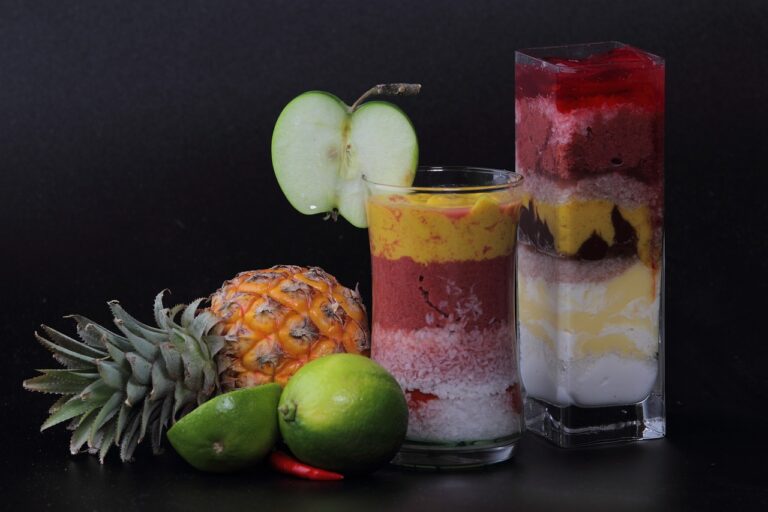
The modern approach to health and wellness has increasingly centered on efficiency and nutrient density, leading to the massive global popularity of the smoothie. Unlike traditional meals that require significant preparation and cleanup, a well-crafted smoothie provides a concentrated dose of vitamins, minerals, and antioxidants in a portable, liquid format. This comprehensive guide explores the multifaceted world of smoothie creation, moving beyond simple fruit blends to understand the physiological benefits of specific ingredients. By mastering the balance of macronutrients and micronutrients, individuals can transform a simple beverage into a powerful tool for weight management, energy optimization, and long-term metabolic health.
At its core, a smoothie is a blended beverage typically consisting of a liquid base, a variety of fruits or vegetables, and supplemental ingredients like proteins or healthy fats. The primary advantage of blending over juicing is the preservation of dietary fiber. Fiber is essential for maintaining gut health, regulating blood sugar levels, and promoting satiety. When we consume whole fruits and vegetables in a blended state, the mechanical process of the blender breaks down cellular walls, making certain nutrients more bioavailable while keeping the structural integrity of the fiber intact. This results in a slower release of glucose into the bloodstream compared to filtered juices, which can cause rapid insulin spikes.
Building a superior smoothie requires more than just throwing random ingredients into a jar. It requires an understanding of flavor profiles and nutritional synergy. For instance, pairing fat-soluble vitamins found in leafy greens with healthy fats like avocado or almond butter ensures that your body can actually absorb those nutrients. Similarly, adding a source of Vitamin C to a green smoothie can enhance the absorption of non-heme iron found in spinach and kale. Understanding these interactions allows you to maximize the biological value of every sip, ensuring that your morning routine supports your physical goals.
Consistency and texture are often the deciding factors in whether a smoothie habit becomes a long-term lifestyle choice or a fleeting experiment. Achieving a creamy, restaurant-quality texture at home involves specific techniques, such as the order in which ingredients are added to the blender. Professional chefs and nutritionists recommend placing liquids in the blender first, followed by powders, fresh produce, and finally, frozen items or ice. This sequence creates a vortex that pulls the solid ingredients down toward the blades, preventing air pockets and ensuring a smooth, uniform consistency every time.
The liquid base serves as the foundation of your smoothie and significantly impacts the overall calorie count and nutritional profile. Water is the most neutral option, providing hydration without extra calories, but it lacks the creaminess many people crave. For those seeking a richer texture, unsweetened almond milk, oat milk, or coconut milk offer excellent alternatives with varying degrees of healthy fats and carbohydrates. Dairy milk or soy milk can be used to boost the protein content, while coconut water is an exceptional choice for post-workout smoothies due to its naturally occurring electrolytes like potassium and magnesium.
Leafy greens are perhaps the most critical component for anyone looking to “sip their way to wellness.” Spinach is often the “gateway green” because it has a mild flavor that is easily masked by fruit. However, as your palate adapts, incorporating kale, Swiss chard, or even collard greens can significantly increase your intake of Vitamin K, Vitamin A, and various phytonutrients. To avoid the bitter taste sometimes associated with darker greens, it is helpful to remove the tough stems before blending or to pair them with acidic fruits like lemon, lime, or green apples, which cut through the earthiness and brighten the overall flavor profile.
Fruits provide the natural sweetness and a vast array of antioxidants that make smoothies enjoyable. Berries, such as blueberries, raspberries, and strawberries, are considered “superfoods” due to their high anthocyanin content, which helps fight oxidative stress and inflammation. Bananas are a staple for many because they provide a creamy texture and a healthy dose of potassium, though those monitoring their sugar intake may opt for lower-glycemic options like frozen cauliflower or zucchini. These vegetable alternatives mimic the texture of a banana without the high fructose content, making them ideal for ketogenic or low-sugar dietary protocols.
Healthy fats are often overlooked in smoothie recipes, yet they are essential for hormonal health and long-term satiety. Adding a tablespoon of chia seeds, flaxseeds, or hemp hearts introduces Omega-3 fatty acids, which are vital for brain function and cardiovascular health. Avocado is another excellent addition, contributing monounsaturated fats and a velvety texture that can replace yogurt or dairy. By including these fats, you slow down the digestion of the smoothie, which prevents the mid-morning energy crash often associated with high-sugar, fruit-only blends.
Protein is the final piece of the nutritional puzzle, especially for individuals using smoothies as meal replacements or recovery drinks. While whole food sources like Greek yogurt, cottage cheese, or silken tofu are excellent, many people prefer the convenience of protein powders. Whey protein is highly bioavailable and effective for muscle synthesis, while plant-based options like pea, rice, or hemp protein are better suited for those with dairy sensitivities. When choosing a powder, it is imperative to read the labels carefully to avoid added sugars, artificial sweeteners, and fillers that can undermine the health benefits of your smoothie.
The science of “superfood” boosters allows for further customization based on specific health needs. For example, adding a teaspoon of turmeric and a pinch of black pepper creates a potent anti-inflammatory blend. Spirulina or chlorella can be added for a concentrated dose of chlorophyll and minerals, though their strong “sea” flavor requires careful balancing with pineapple or citrus. Adaptogens like ashwagandha or maca powder are also popular additions for those looking to manage stress levels or hormone balance, though these should be used in moderation and based on individual health requirements.
Mastering the “Green Smoothie” is often the first step toward a healthier lifestyle. A classic green smoothie usually follows a specific ratio: two cups of leafy greens, two cups of liquid base, and three cups of ripe fruit. This 2:2:3 ratio ensures that the drink is nutrient-dense but still palatable for beginners. As you become more comfortable with the taste of greens, you can slowly decrease the fruit ratio and increase the vegetable content, eventually reaching a point where the drink is primarily savory or only lightly sweetened with a low-glycemic fruit like green apple or berries.
For those focused on fitness, the “Recovery Smoothie” is designed to replenish glycogen stores and provide the amino acids necessary for muscle repair. This blend should prioritize a 2:1 or 3:1 ratio of carbohydrates to protein. Ingredients like tart cherry juice, which has been shown to reduce muscle soreness, or ginger, which aids in digestion and reduces inflammation, are excellent additions to a post-gym blend. Including a fast-digesting carbohydrate like a banana or honey helps transport the protein to the muscles more efficiently, facilitating faster recovery times and better performance in subsequent workouts.
Essential Ingredients for a Balanced Wellness Smoothie:
- High-Quality Liquid Bases: Choosing the right liquid is essential for controlling the calorie density and nutrient profile of your drink. Options like unsweetened nut milks provide a creamy texture with minimal calories, while coconut water offers natural electrolytes for hydration. Avoiding pre-packaged fruit juices is critical, as they often contain added sugars and lack the fiber found in whole fruits.
- Fibrous Leafy Greens: Greens like spinach, kale, and arugula are the nutritional powerhouses of any wellness smoothie. They provide essential vitamins such as K and C, along with folate and iron, which are vital for energy production and immune function. Blending them thoroughly ensures that you consume the fiber without the gritty texture sometimes associated with raw salads.
- Antioxidant-Rich Berries: Blueberries, blackberries, and raspberries are low in sugar but exceptionally high in phytonutrients. These compounds help protect cells from damage and have been linked to improved cognitive function and heart health. Using frozen berries is often preferred as they act as a natural chilling agent, creating a thicker, frostier beverage.
- Clean Protein Sources: Protein is necessary to make a smoothie a complete meal and to keep you feeling full for longer periods. Whether using plant-based pea protein or dairy-based Greek yogurt, ensuring an adequate protein intake helps stabilize blood sugar levels. It also provides the building blocks for skin, hair, and muscle tissue repair.
- Strategic Healthy Fats: Ingredients like nut butters, seeds, or avocado are necessary for the absorption of fat-soluble vitamins (A, D, E, and K). These fats also contribute to the “mouthfeel” of the smoothie, making it more satisfying and preventing the hunger pangs that follow a liquid meal. Even a small amount, such as a teaspoon of chia seeds, can significantly improve the nutritional density.
- Natural Flavor Enhancers: Instead of using sugar or honey, use spices and aromatics to improve the taste of your blend. Cinnamon can help regulate blood sugar, while fresh mint or ginger adds a refreshing zing that masks the taste of earthier vegetables. These additions provide flavor complexity without increasing the glycemic load of the drink.
Metabolic health is another area where smoothies can play a significant role. By incorporating ingredients that have a low glycemic index and high fiber content, you can help manage insulin sensitivity. For instance, adding cinnamon has been shown in some studies to assist with glucose metabolism. Furthermore, the inclusion of “resistant starch” through slightly under-ripe bananas can promote the growth of beneficial gut bacteria. A healthy gut microbiome is increasingly linked to better metabolic outcomes, improved mood, and a stronger immune system, making the smoothie a vehicle for total body wellness.
Meal prepping is the secret to maintaining a consistent smoothie habit. “Smoothie packs” are a popular method where you portion out your greens, fruits, and seeds into individual silicone bags or glass jars and store them in the freezer. In the morning, you simply dump the contents of the pack into the blender, add your liquid base and protein powder, and blend. This eliminates the “decision fatigue” often associated with healthy eating and ensures that you have no excuses for skipping a nutritious breakfast, even on your busiest days.
Temperature and dilution are common issues that can ruin an otherwise perfect smoothie. Using frozen fruit instead of ice is the best way to achieve a thick, cold consistency without watering down the flavor. If you find your smoothie is too thick, resist the urge to add more juice or milk immediately; instead, let it blend for an extra 30 seconds to see if the friction from the blades loosens the mixture. Conversely, if it is too thin, adding a few pieces of frozen cauliflower or a spoonful of Greek yogurt can help build body without significantly altering the taste.
The role of seasonal eating should not be overlooked when designing your smoothie menu. In the summer, hydrating ingredients like cucumber, melon, and lime are refreshing and align with the body’s needs during warmer weather. In the winter, incorporating warming spices like nutmeg, cloves, and ginger, along with hearty vegetables like roasted sweet potato or pumpkin, can make the smoothie feel more appropriate for the season. Eating seasonally ensures a wider variety of nutrients throughout the year and often results in better-tasting produce that has been harvested at its nutritional peak.
While smoothies are generally healthy, there are pitfalls to avoid. The most common mistake is creating “sugar bombs” by using too much fruit and sweetened liquids. A smoothie containing two bananas, a cup of mango, and a base of orange juice can easily exceed 60 grams of sugar. While this is natural sugar, the body still processes it as a significant glucose load. To avoid this, always aim for a higher ratio of vegetables to fruit and stick to one serving of fruit per smoothie. This approach keeps the calories in check while still providing the sweet flavor profile most people enjoy.
Another consideration is the quality of your equipment. While a standard kitchen blender can handle soft fruits and liquids, a high-speed blender is necessary for processing tough greens, frozen solid ingredients, and fibrous seeds into a truly smooth liquid. High-speed blenders are an investment, but they often pay for themselves by allowing you to incorporate a wider range of healthy ingredients—like raw beets or carrots—that a weaker motor simply cannot pulverize. This results in a more pleasant drinking experience and ensures you aren’t “chewing” your smoothie.
Hydration is a key pillar of wellness that smoothies can help address. Many people struggle to drink enough plain water throughout the day. By using a base of coconut water or adding water-heavy vegetables like celery and cucumber to your blend, you are essentially “eating” your water. This cellular hydration is often more effective than drinking plain water alone, as the electrolytes and minerals present in the produce help the body retain and utilize the fluid more efficiently. This can lead to clearer skin, better digestion, and improved energy levels.
Customizing smoothies for children or picky eaters requires a bit of creativity. “Hiding” vegetables is a common tactic, but it is also an opportunity to educate younger family members about nutrition. Using colorful ingredients like pitaya (dragon fruit) or blueberries can turn a green smoothie into a vibrant purple or pink drink, making it more visually appealing. Adding a small amount of natural sweetness from dates or a touch of vanilla extract can also make the transition to vegetable-heavy smoothies easier for those accustomed to highly processed snacks.
For those interested in the “Detox” aspect of smoothies, it is important to clarify what that means. The human body has its own highly efficient detoxification systems—primarily the liver and kidneys. Smoothies do not “detox” the body in a literal sense; rather, they provide the specific nutrients these organs need to function optimally. Cruciferous vegetables like kale and cabbage contain sulforaphane, which supports liver phase II detoxification pathways. By consuming these nutrients regularly, you are supporting your body’s natural ability to process and eliminate toxins, rather than relying on a temporary “cleanse.”
The psychological impact of a morning smoothie routine should not be undervalued. Starting the day with a nutrient-dense meal sets a positive tone for subsequent food choices. There is a “halo effect” associated with healthy morning habits; when you begin your day by nourishing your body with vitamins and minerals, you are statistically more likely to make healthier choices for lunch and dinner. This “keystone habit” can be the catalyst for a broader transformation in your relationship with food and health, leading to sustainable long-term results.
Advanced smoothie enthusiasts often experiment with “smoothie bowls.” These are thicker versions of the traditional drink, served in a bowl and eaten with a spoon. The benefit of a smoothie bowl is the addition of toppings like granola, sliced fruit, or toasted nuts, which introduce texture and encourage chewing. Chewing triggers the release of digestive enzymes in the saliva, which begins the breakdown of carbohydrates and signals to the brain that a full meal is being consumed. This can lead to increased feelings of fullness and better digestion compared to drinking the same ingredients through a straw.
Expert Pro Tips for Better Blending:
- The Frozen Advantage: Always keep a variety of frozen vegetables like riced cauliflower, zucchini slices, and spinach nuggets in your freezer. These ingredients add significant volume and creaminess to a smoothie without altering the flavor, making it easy to hit your daily vegetable intake targets.
- Liquid First Rule: Always pour your liquid base into the blender before adding solids. This prevents the blades from getting stuck and ensures a consistent vortex, which is essential for a smooth texture, especially when using fibrous greens or frozen fruit.
- Prep Your Own Sweeteners: Instead of using processed syrups, soak a few Medjool dates in water and use the fruit or the soaking liquid to naturally sweeten your blends. Dates provide fiber and potassium along with their sweetness, making them a much healthier alternative to honey or agave.
- Don’t Fear the Fat: A smoothie without fat will leave you hungry within an hour. Always include a source of healthy lipids, such as a quarter of an avocado or a tablespoon of nut butter, to slow down digestion and ensure the absorption of essential vitamins.
- Clean Immediately: To avoid the “cement-like” residue that dried smoothie can leave behind, rinse your blender jar with warm water and a drop of dish soap immediately after pouring your drink. Blend the soapy water for 30 seconds for a self-cleaning effect that saves time and effort.
- Citrus Zest for Zing: If your smoothie tastes dull, add a teaspoon of lemon or lime zest. The essential oils in the peel provide a burst of fresh flavor and aroma that can revive a blend that feels too heavy or earthy.
Frequently Asked Questions:
Can I make a smoothie the night before?
Yes, you can make a smoothie in advance, though some nutrient degradation occurs over time due to oxidation. To minimize this, store the smoothie in an airtight glass jar (like a Mason jar) filled to the very top to reduce air exposure. Adding a squeeze of lemon juice can also help preserve the color and freshness. Most smoothies will stay good for up to 24 hours in the refrigerator, though they may require a quick shake or re-blend to restore the texture.
Are smoothies better than whole fruits and vegetables?
Smoothies are not necessarily “better” than whole foods, but they are a more convenient way to consume a large volume of nutrients. The blending process breaks down fiber but doesn’t remove it, which is a major advantage. However, because drinking is faster than chewing, it is easier to consume more calories in a shorter period. It is best to view smoothies as a supplement to, rather than a total replacement for, whole-food meals.
Do I need a high-speed blender to make healthy smoothies?
While a high-speed blender (like a Vitamix or Blendtec) provides a superior texture and can handle “tough” ingredients like raw ginger or frozen berries, you can still make great smoothies with a standard blender. The key is to blend your greens and liquid first until completely smooth, then add your other ingredients. This “two-step” blending process helps avoid chunks of kale or spinach in your drink.
Is it okay to have a smoothie every day?
Absolutely, provided the smoothie is balanced. A daily smoothie can be an excellent way to ensure you are meeting your daily requirements for fruits and vegetables. The key is variety; try to rotate your greens and fruits to ensure you are getting a broad spectrum of different phytonutrients and to avoid the potential buildup of oxalates found in certain greens like spinach.
Will smoothies help me lose weight?
Smoothies can be a powerful tool for weight loss if they are used as a controlled meal replacement and focus on high-fiber, high-protein ingredients. Because they are satiating and nutrient-dense, they can help reduce cravings for processed snacks. However, if a smoothie is added on top of your existing diet without adjusting other calories, it could lead to weight gain due to the extra caloric intake.
In conclusion, the journey to wellness through smoothies is one of experimentation, balance, and nutritional science. By understanding the foundational roles of liquid bases, leafy greens, proteins, and healthy fats, anyone can create a personalized beverage that supports their specific health goals. Whether you are looking for a quick breakfast solution, a post-workout recovery aid, or a way to increase your daily intake of micronutrients, the smoothie offers an unparalleled level of versatility. The key to long-term success lies in prioritizing high-quality, whole-food ingredients while avoiding the pitfalls of excess sugar and processed additives. With the right techniques and a commitment to variety, you can effectively use smoothies to fuel your body, sharpen your mind, and maintain a vibrant, healthy lifestyle for years to come.
