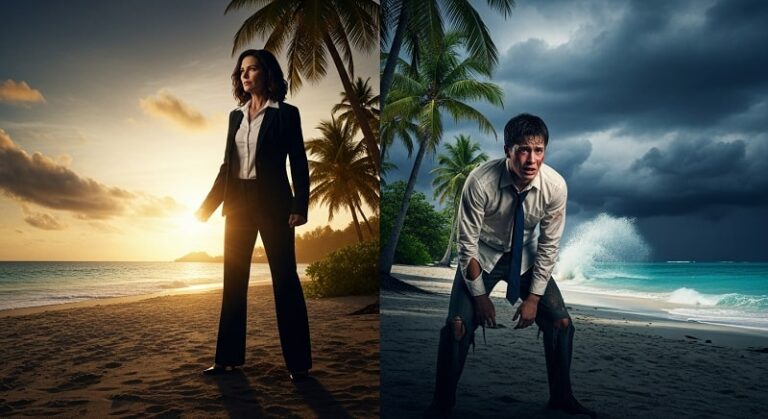
The highly anticipated survival horror thriller Send Help is set to arrive in theaters on January 30, 2026, marking legendary director Sam Raimi’s return to the genre that established his reputation. Distributed by 20th Century Studios, this darkly comedic psychological thriller brings together Oscar-nominated actress Rachel McAdams and rising star Dylan O’Brien in a gripping tale of survival, revenge, and psychological warfare on a deserted island. Following the release of multiple trailers and the announcement that tickets are now on sale, excitement has reached fever pitch among horror fans and moviegoers eager to witness Raimi’s signature visual style applied to this intense two-character survival scenario.
Send Help represents a departure from recent superhero fare for director Sam Raimi, who last helmed Doctor Strange in the Multiverse of Madness in 2022. The film promises to deliver the visceral thrills and innovative camera work that made Raimi a household name through his groundbreaking Evil Dead franchise while exploring contemporary themes of workplace dynamics, gender politics, and power structures through the lens of a survival horror narrative. With early screenings scheduled for January 24, 2026, and a theatrical release including 3D presentations just days later, Send Help is positioned as one of the most significant horror releases of early 2026.
Plot Synopsis and Premise of Send Help
The film centers on two colleagues, Linda Liddle and Bradley Preston, who find themselves as the sole survivors of a catastrophic plane crash that leaves them stranded on a remote deserted island. Linda, portrayed by Rachel McAdams, is a talented but underappreciated employee who has endured years of condescending treatment and sexist behavior from her boss, Bradley, played by Dylan O’Brien. The dynamic between these two characters undergoes a dramatic transformation when their corporate hierarchy collapses in the face of raw survival instincts and the brutal realities of island life.
According to the official synopsis released by 20th Century Studios, the survivors must overcome past grievances and work together to survive, but the situation quickly evolves into an unsettling and darkly humorous battle of wills and wits to make it out alive. The premise explores how the person you fear most becomes the only one who can keep you alive, creating a tense psychological thriller that subverts traditional survival narratives. The island becomes a testing ground where instinct overrides workplace etiquette, survival replaces corporate hierarchy, and long-buried resentments resurface between the two protagonists.
The trailers reveal that Linda’s unexpected opportunity for revenge creates a power shift that terrorizes Bradley, who begins to realize how much he needs his former subordinate to survive the wild. This role reversal forms the emotional and psychological core of the film, as Bradley’s dependence on Linda grows while she contemplates whether to help or hinder the man who denied her the promotion she deserved and treated her with disrespect in the workplace. The narrative promises to blend survival horror elements with sharp social commentary on workplace toxicity and gender dynamics.
Thematic Exploration and Social Commentary
Send Help tackles several contemporary issues through its survival horror framework. The film examines workplace harassment, gender inequality, and the abuse of power in professional settings, themes that resonate strongly with modern audiences. By stripping away the veneer of corporate professionalism and placing these characters in a life-or-death scenario, the screenplay by Damian Shannon and Mark Swift forces both protagonists to confront the true nature of their relationship and the consequences of Bradley’s past behavior.
The deserted island setting serves as both a physical and metaphorical space where societal norms and hierarchies break down completely. Without the structure of their office environment, Linda gains agency and power while Bradley loses the institutional advantages that previously protected him. This reversal creates opportunities for dark humor alongside genuine terror, as the film explores questions of justice, revenge, and whether past wrongs can ever truly be forgiven or forgotten when survival hangs in the balance.
Director Sam Raimi: A Horror Legend Returns to His Roots
Samuel M. Raimi, born October 23, 1959, stands as one of the most influential filmmakers in horror cinema history. His career began with the revolutionary low-budget horror film The Evil Dead in 1981, which showcased his innovative camera techniques, including the now-iconic “shaky cam” and Dutch angles that became signatures of his visual style. The film’s success launched a franchise that included Evil Dead II in 1987 and Army of Darkness in 1992, establishing Raimi as a master of blending horror with slapstick comedy and creating a unique tone that influenced generations of filmmakers.
Beyond horror, Raimi demonstrated remarkable versatility throughout his career. He directed the critically acclaimed crime thriller A Simple Plan in 1998, which earned two Academy Award nominations, and ventured into westerns with The Quick and the Dead in 1995. However, his most commercially successful work came with the Spider-Man trilogy starring Tobey Maguire, released between 2002 and 2007. These films grossed approximately 2.5 billion dollars worldwide and helped establish the modern superhero film genre, proving Raimi could handle massive budgets and studio franchises while maintaining his distinctive visual flair.
Raimi’s filmography also includes the supernatural horror Drag Me to Hell in 2009, widely considered his return to pure horror after the Spider-Man trilogy, and the big-budget fantasy adventure Oz the Great and Powerful in 2013. Most recently, he directed Doctor Strange in the Multiverse of Madness in 2022, bringing horror sensibilities to the Marvel Cinematic Universe and demonstrating that even within the constraints of a major franchise, his signature style remained intact. His films consistently feature highly dynamic visual storytelling inspired by comic books and slapstick comedy, along with inventive camera movements that create immersive viewing experiences.
Raimi’s Signature Visual Style and Techniques
What sets Sam Raimi apart from other directors is his distinctive approach to cinematography and editing. He frequently employs rapid camera movements, extreme angles, and point-of-view shots that place audiences directly into the action. His use of practical effects combined with creative camera work creates visceral horror moments that feel immediate and tangible rather than relying solely on computer-generated imagery. For Send Help, these techniques promise to transform the island setting into a character itself, with the natural environment becoming increasingly threatening and claustrophobic despite the open spaces.
Raimi also has a talent for finding humor in horrific situations, a skill that will serve Send Help particularly well given its darkly comedic tone. His ability to shift between genuine scares and unexpected laughs within single scenes creates emotional complexity that elevates his work beyond typical genre exercises. This tonal balance, perfected over decades of filmmaking, allows audiences to experience a full range of emotions while remaining engaged with the story’s psychological and physical stakes.
Rachel McAdams as Linda Liddle: A Powerful Lead Performance
Rachel Anne McAdams, born November 17, 1978, in London, Ontario, Canada, brings exceptional range and depth to the role of Linda Liddle. McAdams graduated with honors with a BFA in Theater from York University before breaking into Hollywood with memorable performances that showcased her versatility. She achieved iconic status in 2004 with two vastly different roles released within months of each other: the cruel and calculating Regina George in Mean Girls and the romantic, passionate Allie Hamilton in The Notebook. These performances, released just two months apart, demonstrated her remarkable ability to inhabit completely different characters and established her as one of Hollywood’s most talented actresses.
Throughout her career, McAdams has balanced commercial blockbusters with critically acclaimed independent films. She starred in Wedding Crashers and Red Eye in 2005, followed by The Time Traveler’s Wife and the Sherlock Holmes franchise opposite Robert Downey Jr. Her performance in the journalism drama Spotlight earned her an Academy Award nomination for Best Supporting Actress in 2016, cementing her reputation as a serious dramatic actress capable of handling complex, nuanced roles. More recently, she appeared in the Marvel Cinematic Universe as Dr. Christine Palmer in Doctor Strange and its sequel, and received praise for her work in Are You There God? It’s Me, Margaret.
For Send Help, McAdams takes on the challenging role of Linda, a character who transforms from victim to potential villain as circumstances shift on the island. The trailers show her portraying both vulnerability and menace, suggesting a layered performance that explores the psychological toll of workplace abuse and the temptation of revenge when power dynamics suddenly reverse. McAdams’ ability to convey intense emotions while maintaining sympathy for morally complex characters makes her perfect for this role, which requires audiences to understand Linda’s anger while questioning whether her actions cross ethical boundaries.
McAdams’ Preparation and Approach to the Role
Taking on a physically and emotionally demanding survival role represents new territory for McAdams, who has primarily worked in romantic dramas, comedies, and ensemble pieces throughout her career. The role required her to perform action sequences, endure challenging environmental conditions during filming in locations including Sydney, Los Angeles, and Thailand, and maintain the psychological intensity of a two-character psychological thriller. Her commitment to authentically portraying both Linda’s professional frustrations and her survival instincts adds weight to the film’s exploration of workplace dynamics and personal transformation under extreme pressure.
Dylan O’Brien as Bradley Preston: From Teen Wolf to Survival Horror
Dylan Rhodes O’Brien, born August 26, 1991, emerged as a major talent through his breakout role as Stiles Stilinski in the MTV supernatural series Teen Wolf, which ran from 2011 to 2017. His performance as the witty, loyal best friend to the show’s protagonist made him a fan favorite and launched his film career. O’Brien subsequently headlined the successful Maze Runner trilogy between 2014 and 2018, playing Thomas in the dystopian science fiction adventure series that grossed hundreds of millions worldwide and established him as a leading man capable of carrying major studio franchises.
During production of the final Maze Runner film, O’Brien suffered serious injuries while filming a stunt sequence in March 2016. The accident resulted in facial fractures, concussion, and brain trauma, requiring reconstructive facial surgery and extensive recovery time. His perseverance through this difficult period and eventual return to acting demonstrated remarkable resilience and commitment to his craft. Since recovering, O’Brien has diversified his roles, appearing in the disaster film Deepwater Horizon in 2016, the action thriller American Assassin in 2017, and voicing the title character in the Transformers film Bumblebee in 2018.
More recently, O’Brien starred in the post-apocalyptic adventure Love and Monsters in 2020 and the horror film Caddo Lake in 2024, gradually building a filmography that showcases his range beyond his teen-oriented breakthrough roles. His casting as Bradley Preston in Send Help represents a significant departure from his typical heroic or sympathetic characters. Playing a sexist boss who becomes increasingly desperate and dependent on the employee he previously mistreated requires O’Brien to embrace a less likeable character while maintaining enough complexity to keep audiences engaged in his survival struggle.
O’Brien’s Character Transformation and Performance Challenges
The role of Bradley Preston demands that O’Brien portray a character’s complete breakdown and transformation as his professional authority becomes meaningless in the wilderness. The trailers suggest a performance that begins with arrogance and entitlement before gradually revealing fear, desperation, and ultimately a reckoning with his past behavior. This arc provides O’Brien opportunities to demonstrate dramatic range beyond the action-hero roles that have defined much of his recent career. His chemistry with McAdams proves crucial to the film’s success, as their dynamic must convince audiences of both their pre-existing workplace tension and their evolving island relationship.
Supporting Cast and Crew
While Send Help primarily functions as a two-character thriller focusing on the dynamic between Linda and Bradley, the film features a supporting cast that includes Edyll Ismail from the television series La Brea, Dennis Haysbert known for his work in Far From Heaven and the television series 24, Xavier Samuel who appeared in Elvis, Chris Pang from Crazy Rich Asians, Thaneth Warakulnukroh from Thai Cave Rescue, and Emma Raimi, Sam Raimi’s daughter, in a supporting role. The trailers also reveal that horror icon and longtime Raimi collaborator Bruce Campbell appears in the film, though his role appears limited to a photograph showing him as Bradley’s father, serving as an Easter egg for fans of Raimi’s work.
Behind the camera, Send Help benefits from an experienced creative team. The screenplay comes from Damian Shannon and Mark Swift, the writing duo behind Freddy vs. Jason and the 2009 Friday the 13th remake, both successful horror films that demonstrated their understanding of genre conventions and ability to create tension-filled narratives. Cinematographer Bill Pope, known for his work on The Matrix trilogy and numerous Sam Raimi films, brings his distinctive visual style to capture both the beauty and menace of the island setting. Editor Bob Murawski, a frequent Raimi collaborator who won an Academy Award for his work on The Hurt Locker, ensures the film maintains proper pacing and rhythm.
Production Design and Visual Elements
Production designer Ian Gracie creates the film’s visual world, transforming the island location into a character that reflects the psychological states of the protagonists. The production filmed across multiple locations including Los Angeles, Sydney, Australia, and Thailand between February and April 2025, taking advantage of diverse tropical environments to create a visually stunning yet increasingly oppressive setting. Costume designer Anna Cahill’s work traces the characters’ physical and emotional deterioration through their changing appearances as their professional attire gives way to survival necessities.
The film’s original score comes from legendary composer Danny Elfman, marking his eighth collaboration with Sam Raimi. Elfman previously scored Raimi’s Darkman, Army of Darkness, the first two Spider-Man films, and Doctor Strange in the Multiverse of Madness, among others. His distinctive musical voice, which blends orchestral grandeur with quirky, off-kilter melodies, promises to enhance Send Help’s tonal shifts between horror, dark comedy, and psychological drama. Elfman’s ability to create memorable themes while supporting the emotional beats of Raimi’s visual storytelling makes him an invaluable creative partner for this production.
Marketing Campaign and Audience Reception
The marketing campaign for Send Help has strategically built anticipation through multiple trailer releases and targeted promotional efforts. The first official trailer dropped in early January 2026, immediately generating substantial buzz on social media platforms and horror film communities. A second trailer followed shortly after, offering additional footage and further emphasizing the film’s darkly comedic elements alongside its horror credentials. Both trailers have been praised for not revealing too much of the plot while effectively establishing the premise, tone, and visual style that audiences can expect.
Promotional materials have emphasized Raimi’s return to horror, McAdams’ dramatic transformation, and the film’s timely exploration of workplace power dynamics. The tagline “Meetings never end. Neither does the nightmare” cleverly connects the film’s corporate beginning to its survival horror premise. Marketing has also highlighted the film’s availability in both standard and 3D formats, with the 3D presentations promising to enhance Raimi’s immersive visual techniques and create more intense viewing experiences for audiences seeking maximum impact.
Early Screening Strategy and Ticket Sales
In a strategic move to build word-of-mouth momentum, 20th Century Studios scheduled early access screenings for January 24, 2026, six days before the official nationwide release. These screenings, taking place at 6pm local time across participating theaters, allow dedicated fans and horror enthusiasts to experience the film first and share their reactions on social media. This approach has proven successful for other horror releases, as positive early reviews from genuine moviegoers can significantly boost opening weekend box office performance and generate organic publicity.
Tickets went on sale in early January 2026 through major ticketing platforms including Fandango, where the film has been featured prominently with promotional tie-ins. Fandango has offered a sweepstakes opportunity where ticket purchasers can enter to win a Hawaii getaway for two, with buyers of multiple tickets receiving additional entries. This promotional strategy cleverly connects to the film’s island setting while incentivizing group attendance and repeat viewings. The combination of early ticket sales, advance screenings, and promotional partnerships demonstrates the studio’s confidence in the film’s commercial potential.
Production History and Development
The journey to bring Send Help to screens began in October 2019 when Columbia Pictures announced that Sam Raimi would direct an untitled horror film with a script from Damian Shannon and Mark Swift. The project generated immediate interest given Raimi’s reputation and the writing duo’s horror credentials, though details remained scarce for several years. The film later received its title and transitioned to 20th Century Studios for distribution, benefiting from the studio’s strong track record with horror content and their willingness to support original genre filmmaking.
Casting announcements came in waves throughout 2024 and early 2025. In October 2024, reports emerged that Rachel McAdams had entered negotiations to star in the film, marking a significant coup for the production given her star power and dramatic credibility. Dylan O’Brien’s casting followed, creating excitement about the pairing of these two talented actors in what promised to be an intense two-hander performance piece. The supporting cast filled out over subsequent months as production preparations advanced.
Principal photography commenced in February 2025 and wrapped in April 2025, maintaining a relatively compact three-month shooting schedule. The production traveled to multiple international locations to capture the necessary island environments, with filming taking place in Los Angeles for certain sequences, Sydney, Australia for additional locations, and Thailand for primary island photography. The use of practical locations rather than relying heavily on studio sets and green screen demonstrates Raimi’s commitment to creating authentic environments that enhance the film’s realism and allow actors to deliver more grounded performances.
Post-Production and Release Strategy
Following the completion of principal photography in April 2025, the film entered an extensive post-production period spanning approximately nine months before its January 2026 release date. This timeline allowed editor Bob Murawski to craft the film’s pacing and rhythm while visual effects teams enhanced practical effects work and created any necessary digital elements. Danny Elfman composed and recorded the musical score, which then underwent mixing and integration with the film’s sound design to create the complete audio experience.
The decision to release Send Help in late January 2026 reflects strategic positioning within the film release calendar. January has historically been considered a dumping ground for studio films, but recent years have seen successful horror releases during this period as studios recognize the genre’s consistent audience appeal regardless of release date. By avoiding the crowded summer blockbuster season and the awards-focused fall period, Send Help can dominate the horror conversation and attract audiences seeking counter-programming to Oscar contenders and family-friendly content.
Box Office Expectations and Industry Impact
Industry analysts have varied expectations for Send Help’s box office performance based on several factors. On the positive side, the film benefits from Sam Raimi’s name recognition, particularly among horror fans who fondly remember his Evil Dead work and appreciate his recent Doctor Strange film. Rachel McAdams’ star power brings mainstream appeal beyond core genre audiences, while Dylan O’Brien’s fanbase from Teen Wolf and the Maze Runner films could drive younger demographics to theaters. The film’s modest production budget, reportedly in the mid-range compared to major studio tentpoles, means it doesn’t require blockbuster numbers to achieve profitability.
However, the film also faces challenges in the current theatrical marketplace. The dominance of franchise content and superhero films has made it increasingly difficult for original properties, even genre films with strong creative pedigrees, to break through to mainstream audiences. The two-character setup and island setting might limit the film’s perceived scale compared to more action-heavy horror releases. Additionally, the film opens against 17 other releases on January 30, 2026, including other titles competing for similar audience segments, creating a crowded marketplace that could split potential viewership.
The 3D release strategy represents both an opportunity and a risk. While 3D presentations can command higher ticket prices and create more immersive experiences that justify theatrical viewing over home streaming, audience interest in 3D has waned considerably since its peak in the early 2010s. The format’s success will depend on whether Raimi’s visual style translates effectively to the technology and whether audiences perceive sufficient value in the upcharge for 3D tickets versus standard presentations.
Critical Reception Predictions and Awards Potential
Based on the creative team involved and the material’s ambitions, Send Help appears positioned to receive generally positive critical reception with particular praise expected for the lead performances, Raimi’s direction, and the film’s thematic depth. Critics who appreciate horror films with social commentary and psychological complexity will likely champion the film, while those preferring traditional genre scares might find the dark comedy and workplace satire elements less satisfying. The film’s tonal balance between horror and humor will prove crucial to critical consensus, as this combination can either elevate the material or create confusion about the film’s intentions.
Regarding awards consideration, Send Help faces the traditional challenge that horror films rarely receive recognition from major awards bodies outside genre-specific organizations. However, Rachel McAdams’ performance could potentially break through in supporting or lead actress categories if her work demonstrates sufficient range and emotional depth. The technical categories, including cinematography, editing, production design, and sound, represent more realistic awards opportunities given the caliber of the creative team. Genre awards from organizations like the Saturn Awards, Critics Choice Super Awards, and various horror film festivals seem probable, particularly for direction, performances, and screenwriting.
Thematic Resonance and Cultural Relevance
Send Help arrives at a moment when workplace dynamics, power imbalances, and gender equity dominate cultural conversations. The film’s premise, which centers on a woman who has endured professional mistreatment gaining the upper hand over her abusive boss in a survival scenario, resonates with broader societal discussions about accountability, justice, and the abuse of power in professional settings. By framing these issues within a horror-thriller narrative, the film allows audiences to explore serious themes through the safer distance of genre storytelling while still confronting uncomfortable truths about workplace culture.
The survival horror genre provides an ideal framework for examining how civilized behavior breaks down under extreme pressure and what this reveals about characters’ true natures. Linda and Bradley’s island ordeal strips away professional facades and social niceties, forcing both characters to confront who they really are when survival instincts override social conditioning. This exploration of human nature under duress gives the film philosophical weight beyond its genre trappings, inviting audiences to consider how they might behave in similar circumstances and whether past wrongs justify present actions.
The film also engages with questions about revenge, justice, and moral complexity that have long fascinated storytellers and audiences. Linda’s position, where she holds power over someone who previously held power over her, creates moral ambiguity that prevents simple hero-villain categorization. The film appears to resist easy answers about whether her actions constitute justified retribution or go too far, instead allowing viewers to wrestle with these ethical questions themselves. This moral complexity elevates Send Help above simple revenge fantasy, creating space for genuine moral reflection and debate.
Visual and Technical Achievements
From the released trailers and promotional materials, Send Help showcases Sam Raimi’s commitment to distinctive visual storytelling that sets his work apart from conventional horror films. The cinematography by Bill Pope captures the island’s natural beauty while gradually revealing its threatening aspects, using lighting, framing, and camera movement to transform paradise into prison. Aerial shots establish the isolation and scale of the characters’ predicament, while intimate close-ups capture subtle shifts in power dynamics and psychological states through facial expressions and body language.
Raimi’s signature camera techniques appear throughout the footage, including rapid tracking shots, Dutch angles that create visual unease, and point-of-view sequences that place audiences directly into characters’ perspectives. These stylistic choices serve the narrative by creating visceral connections to the protagonists’ experiences while maintaining the visual energy and dynamic compositions that make Raimi’s films immediately recognizable. The combination of practical effects, location photography, and selective use of digital enhancements creates a grounded visual aesthetic that emphasizes the reality of the characters’ physical and psychological struggles.
The sound design and musical score work in concert to enhance the film’s atmosphere and emotional impact. Danny Elfman’s compositions blend orchestral elements with unexpected instrumentation to create a soundscape that reflects the film’s tonal shifts and psychological complexity. The use of natural sounds from the island environment, combined with strategic silence and sudden audio shocks, builds tension and maintains audience engagement throughout the runtime. These technical elements combine to create a fully realized sensory experience that justifies theatrical viewing and demonstrates the continued viability of original horror filmmaking at the studio level.
Conclusion
Send Help represents a significant addition to Sam Raimi’s impressive filmography and a potentially important entry in contemporary horror cinema. By combining his proven directorial skills with a timely premise exploring workplace dynamics and power structures, the film offers both genre thrills and substantive thematic exploration. The pairing of Rachel McAdams and Dylan O’Brien in this intense two-character psychological thriller creates opportunities for powerful performances that could elevate the material beyond typical survival horror fare.
The film’s release on January 30, 2026, with early access screenings beginning January 24, positions it to dominate the horror conversation during a typically quiet period in the theatrical calendar. Whether it achieves blockbuster success or finds its audience as a cult favorite, Send Help demonstrates the continued viability of original horror storytelling backed by talented filmmakers and performers willing to take creative risks. For fans of Sam Raimi’s work, psychological horror, and films with social commentary woven into genre frameworks, Send Help promises a compelling theatrical experience that rewards both casual viewers and dedicated horror enthusiasts.
As tickets remain available through all major platforms and the marketing campaign continues building anticipation, Send Help stands poised to make a strong impact when it arrives in theaters nationwide. The combination of proven creative talent, timely themes, strong performances, and distinctive visual style creates a package that could resonate with audiences seeking intelligent, entertaining horror that offers more than simple scares. Whether experienced in standard format or immersive 3D, Sam Raimi’s latest directorial effort looks set to remind audiences why he remains one of horror cinema’s most important and influential voices.

Full-stack developer at Scylla Technologies (USA), working remotely from Bangladesh. Adobe Certified Magento Developer.