

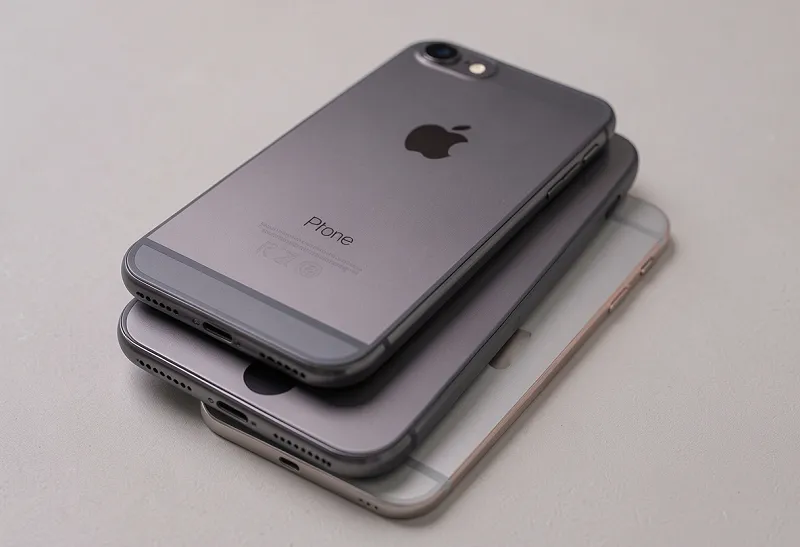
Restoring an iPhone, iPad, or iPod to factory settings is one of the most useful — and most misunderstood — procedures in Apple’s ecosystem. Whether the goal is selling the device, fixing a persistent software issue, recovering from a forgotten passcode, or simply starting fresh, knowing exactly how to do it without losing data accidentally or triggering Activation Lock problems saves significant frustration. This guide covers every method available, step by step, for every current device and scenario.
What Happens When You Restore to Factory Settings
A factory restore erases everything on the device — every app, photo, contact, message, setting, and account — and installs a clean copy of the latest version of iOS, iPadOS, or iPod software. The device returns to the exact state it was in when it first came out of the box. Nothing from the previous configuration survives unless it was backed up beforehand.
One important distinction applies to eSIM. Restoring an iPhone does not automatically erase the eSIM. If the device is being sold or transferred to a new owner, the eSIM must be erased separately. To erase an eSIM, go to Settings → Phone → SIM Applications, or contact the carrier directly. A physical SIM is unaffected by a factory restore and can be removed before the process begins.
Activation Lock is the other critical factor. If Find My is enabled on the device when it is erased, Activation Lock remains tied to the Apple ID. Anyone who sets up the device after the restore — including a new owner — will be prompted to sign in with the original Apple ID. Always sign out of iCloud and turn off Find My before restoring a device that will be given or sold to someone else.
Step 1 — Back Up Before Restoring
A factory restore is irreversible. Every piece of data not backed up before the restore is permanently gone. Apple provides two backup methods: iCloud backup and computer backup via Finder or iTunes.
Back Up to iCloud
Connect to Wi-Fi. Go to Settings → tap the name at the top → iCloud → iCloud Backup → Back Up Now. Wait for the backup to complete before proceeding. The backup progress and the date of the last successful backup are shown on this screen. Make sure the backup completes fully — a partial backup is almost as risky as no backup.
Back Up to a Computer
Connect the device to a Mac running macOS Catalina or later and open Finder. On macOS Mojave or earlier, or on a Windows PC, open iTunes or the Apple Devices app instead. Select the device when it appears. Click Back Up Now. For encrypted backups — which include passwords, Health data, and HomeKit configuration — check the box for “Encrypt local backup” and set a password before clicking Back Up Now. Encrypted backups contain more data than unencrypted ones and are worth using when a complete restore of all settings and data is planned.
Step 2 — Turn Off Find My
Find My must be turned off before restoring via a computer. If it is still enabled when attempting to click Restore in Finder or iTunes, the button will be greyed out or the restore will fail.
To turn off Find My: Go to Settings → tap the Apple ID name at the top → Find My → Find My iPhone (or Find My iPad) → toggle it off. The device passcode or Apple ID password will be required. Once Find My is off, the device can be restored using any method below.
If the device is lost, broken, or inaccessible, Find My can be turned off remotely. Go to iCloud.com/find on any browser, sign in with the Apple ID, select the device, and click Erase. After remote erasure completes, the device can be removed from the account, which removes Activation Lock. Alternatively, use the Find My app on another iPhone or iPad — tap Devices, select the device, and choose Erase This Device.
Method 1 — Restore Directly from Settings (No Computer Required)
This is the fastest and simplest method for any device that is functional, accessible, and running iOS 15 or later. No computer is needed.
Go to Settings → General → Transfer or Reset iPhone (or Transfer or Reset iPad). Tap Erase All Content and Settings. If a Screen Time passcode is active, it will be requested here. Enter the device passcode when prompted. If the device has an eSIM, choose whether to erase the eSIM or keep it — select based on whether the device is being transferred or kept. Tap Continue. The device will spend several minutes erasing all data and then restart to the initial setup screen.
This method triggers a fresh iOS installation from local resources and does not require a Wi-Fi or cellular connection, though a connection may be needed to complete the setup process afterward. Freeing up iPhone storage before restoring is worth doing if the device is being set up again rather than sold — a clean restore on a device with well-organized storage leads to a faster, smoother setup experience.
Method 2 — Restore Using a Mac (Finder)
This method applies to any Mac running macOS Catalina (10.15) or later. iTunes is not used on these systems — Finder handles device management directly.
Update the Mac to the latest available macOS version before starting. Connect the iPhone, iPad, or iPod to the Mac using a USB or USB-C cable. Open Finder. The device appears in the left sidebar under Locations. Select it. If a prompt appears on the device asking to enter a passcode or Trust This Computer, follow those steps on the device before proceeding.
In Finder, make sure the General tab is selected. Click Restore iPhone (or Restore iPad / Restore iPod). A confirmation dialog appears — click Restore again to confirm. Finder downloads the latest iOS or iPadOS firmware and installs it on the device. The download takes anywhere from a few minutes to over an hour depending on internet speed. The device will restart one or more times during the process. Keep the device connected until the restore is fully complete and the setup screen appears. Do not disconnect early.
Method 3 — Restore Using Windows PC (iTunes or Apple Devices App)
On Windows, the method depends on which software is installed. Windows 11 users who installed iOS support through the Microsoft Store will have the Apple Devices app. Users who installed the older iTunes from Apple’s website use iTunes instead. Both work identically for restoring devices.
Update iTunes or the Apple Devices app to the latest version first. Connect the device to the PC using a USB cable. Open iTunes or Apple Devices. Select the device when it appears. If prompted on the device to enter a passcode or Trust This Computer, complete that step first. Click Restore iPhone (or the equivalent for iPad or iPod). Confirm when prompted. The software downloads the latest firmware and restores the device. Keep the device connected throughout. The process mirrors the Mac/Finder method in every other respect.
Before restoring via computer, signing out of all linked services on the device — including Google accounts, social apps, and banking apps — is good practice. Knowing how to sign out of Google across all devices ensures no account conflicts after the device is wiped and transferred.
Method 4 — Restore from iCloud Backup After Reset
Restoring from an iCloud backup is done during the initial setup process that appears after the device is erased, not before. The erase must happen first using one of the methods above, and the backup is applied during setup.
After the factory restore completes and the setup screen appears, follow the onscreen steps until the Transfer Your Apps & Data screen appears. Select From iCloud Backup. Sign in with the Apple ID associated with the backup. A list of available backups appears, sorted by date and device. Select the most recent relevant backup. The device downloads and installs the backup over Wi-Fi. Apps restore first as placeholders, then download their full content from the App Store in the background. Keep the device connected to Wi-Fi and plugged into power throughout — the full restore can take one to several hours depending on backup size and connection speed.
Method 5 — Restore from Computer Backup After Reset
If a backup was made to a computer using Finder or iTunes, restore from it after the erase by connecting the device to the same computer. When the device appears in Finder or iTunes during the setup phase, the option to restore from a local backup appears automatically. Select Restore Backup, choose the relevant backup by date, click Restore, and enter the encryption password if the backup was encrypted. Keep the device connected until the sync completes after restart.
Method 6 — Restore Using Recovery Mode (Frozen or Inaccessible Device)
Recovery Mode is required when a device is frozen, stuck on the Apple logo, stuck on the setup screen, or completely unresponsive to normal interaction. It is also used when a device has been disabled due to too many wrong passcode attempts and cannot be unlocked normally.
Connect the device to a computer with Finder (Mac) or iTunes/Apple Devices (PC) open and ready. Then put the device into Recovery Mode using the button sequence for the specific model.
iPhone 8 or Later (Including All Face ID iPhones)
Press and quickly release the Volume Up button. Press and quickly release the Volume Down button. Press and hold the Side button. Keep holding even when the screen goes black and the Apple logo appears. Release only when the Recovery Mode screen appears — a cable icon pointing to a laptop or the iTunes logo. If the Apple logo appears and then the normal boot continues, the Side button was released too early. Repeat the sequence.
iPhone 7 and iPhone 7 Plus
Press and hold both the Volume Down button and the Side button simultaneously. Keep holding both until the Recovery Mode screen appears.
iPhone 6s or Earlier, iPod Touch
Press and hold both the Home button and the Top (or Side) button simultaneously. Keep holding both until the Recovery Mode screen appears.
iPad with Face ID (No Home Button)
Press and quickly release the Volume button closest to the Top button. Press and quickly release the Volume button farthest from the Top button. Press and hold the Top button. Keep holding until the Recovery Mode screen appears.
iPad with Home Button
Press and hold both the Home button and the Top button simultaneously until the device turns off. Release the Top button but keep holding the Home button until the Recovery Mode screen appears.
Once the device is in Recovery Mode and Finder or iTunes displays the device, a prompt appears offering Update or Restore. Update attempts to reinstall the operating system without erasing data — try this first. Restore performs a full factory reset. If the download takes longer than 15 minutes, the device may exit Recovery Mode automatically; let the download finish, then repeat the button sequence to re-enter Recovery Mode before clicking Restore.
Method 7 — DFU Mode (Last Resort for Deep System Issues)
Device Firmware Update (DFU) mode is deeper than Recovery Mode. It bypasses the iOS bootloader entirely and communicates directly with the device’s hardware, allowing the firmware and operating system to be reloaded from scratch. DFU mode is the appropriate tool for devices stuck in a boot loop, devices that Recovery Mode cannot fix, or devices experiencing firmware-level corruption.
DFU mode erases all data. It should be used only after Recovery Mode has failed and all other options are exhausted.
Enter DFU Mode on iPhone 8 or Later
Connect to a computer with Finder or iTunes open. Press and quickly release Volume Up. Press and quickly release Volume Down. Hold the Side button until the screen goes black. Then hold both the Side button and Volume Down button simultaneously for 5 seconds. Release the Side button but keep holding Volume Down for 10 more seconds. If the screen stays completely black and Finder or iTunes reports a device in Recovery Mode, DFU mode is active. If any logo appears, start over.
Enter DFU Mode on iPhone 7
Connect to a computer. Hold both the Side button and Volume Down button simultaneously for 8 seconds. Release the Side button but continue holding Volume Down for 10 more seconds. The screen should remain completely black.
Enter DFU Mode on iPhone 6s or Earlier
Connect to a computer. Hold both the Home button and the Lock button simultaneously. After 8 seconds, release the Lock button while continuing to hold the Home button. The screen should stay completely black. Finder or iTunes will indicate a device in recovery mode.
With the device in DFU mode detected by the computer, click Restore in Finder or iTunes. The firmware is downloaded and installed from scratch. The device restarts when complete and shows the initial setup screen.
Restoring to a Nearby Device (iPhone-to-iPhone)
Apple introduced the ability to restore a device in Recovery Mode using a nearby unlocked iPhone or iPad running the same Apple ID, available from iOS 17 and later. Connect the device in Recovery Mode to a power source. Place a nearby unlocked device signed into the same Apple ID close to it. Follow the prompts that appear on the unlocked device to initiate the restore. This method is particularly useful when a computer is not accessible.
What to Do After a Factory Restore
After the restore completes and the device restarts to the setup screen, several steps ensure the device is fully configured or safely transferred.
For personal use — restoring to the same device or a replacement — select the restore-from-backup option during setup and sign in with the Apple ID. All apps, settings, and data return from the backup. After setup completes, verify that all key apps are functioning, sign back into accounts, and check that iCloud sync is active. Close any apps that are not needed immediately to let background restoration complete efficiently — knowing how to properly close apps on iPhone matters here since force-closing apps during a restoration sync can interrupt background downloads.
For a device being sold or given away — do not restore from backup. Select Set Up as New iPhone during the onscreen setup and confirm that the device is not associated with the previous owner’s Apple ID. The buyer or recipient will complete their own setup using their own Apple ID.
For connected accessories like AirPods, a factory restore unpairs them from the device’s iCloud pairing list. They will need to be re-paired after setup completes. Understanding how to reset AirPods and AirPods Pro is useful at this stage if the pairing process behaves unexpectedly after a device restore.
Common Problems and Fixes
Restore button is greyed out in Finder or iTunes
Find My is still enabled. Go to Settings → Apple ID name → Find My → Find My iPhone and turn it off. If the device is inaccessible, remove it from Find My via iCloud.com/find using the same Apple ID. The Restore button becomes active once Find My is confirmed off.
Device not recognized by computer
Check the USB cable — use Apple’s official cable or a certified MFi cable. Try a different USB port. Restart both the computer and the device. On Windows, verify the Apple Devices app or iTunes is fully up to date. On Mac, check for system software updates. If the device is damaged or has a faulty Lightning or USB-C port, it may require service before a computer-based restore is possible.
Restore screen keeps appearing on the device
If the device shows a cable-and-computer icon on screen continuously, it is stuck in Recovery Mode. Force restart the device using the button sequence for the specific model — this exits Recovery Mode without erasing data. If the device re-enters Recovery Mode on its own after restart, a full restore via the computer is required, as the operating system files are corrupted.
Activation Lock appears after restore
If someone else’s Apple ID is prompting for credentials after a restore, the previous owner did not sign out before the device was erased. Contact the previous owner and ask them to remove the device from their iCloud account at icloud.com/find. Without the original Apple ID credentials, Apple will not unlock a device through any other method — proof of purchase is the only recourse at that point, and even then Apple has specific policies on a case-by-case basis.
FAQ: Restoring iPhone, iPad, and iPod
Can the factory restore be undone?
No. A factory restore permanently erases all data and settings on the device. The only way to recover that content is from a backup made before the restore. If no backup exists, the data is gone permanently. Always back up to iCloud or a computer before initiating any restore. This cannot be overstated — Apple provides no mechanism for recovering data from a wiped device after the fact.
Does restoring an iPhone fix software problems?
Yes, in most cases. A factory restore clears corrupted system files, broken app states, software conflicts, and configuration errors that accumulate over years of use. For devices experiencing persistent crashes, battery drain unrelated to hardware, apps that refuse to update or open, or accounts that are stuck in broken states, a clean restore followed by a fresh setup typically resolves the issue. Hardware problems — degraded battery, damaged sensors, screen defects — are not fixed by a software restore.
What is the difference between Reset All Settings and Erase All Content and Settings?
Reset All Settings returns all configuration options — Wi-Fi passwords, display settings, notification preferences, privacy settings — to their defaults without deleting any personal data like photos, apps, or contacts. Erase All Content and Settings removes everything and performs a full factory restore. Use Reset All Settings for minor behavioral issues. Use Erase All Content and Settings when selling the device, resolving serious software problems, or starting completely fresh.
Conclusion
Restoring an iPhone, iPad, or iPod to factory settings is straightforward when approached in the right order: back up first, turn off Find My, choose the method that matches the device’s current state, and keep it connected throughout. The Settings method covers the vast majority of situations and requires no computer. Finder and iTunes are the right tools when the device is inaccessible or needs a fresh firmware install. Recovery Mode handles frozen and disabled devices. DFU Mode is the last resort for deep firmware failures.
The single most common mistake is skipping the backup step. Every other complication — Activation Lock after a transfer, lost photos, needing to remember old passwords — is either preventable or manageable. But data lost to a restore without a backup is irretrievable. Back up, confirm it completed, then restore.
