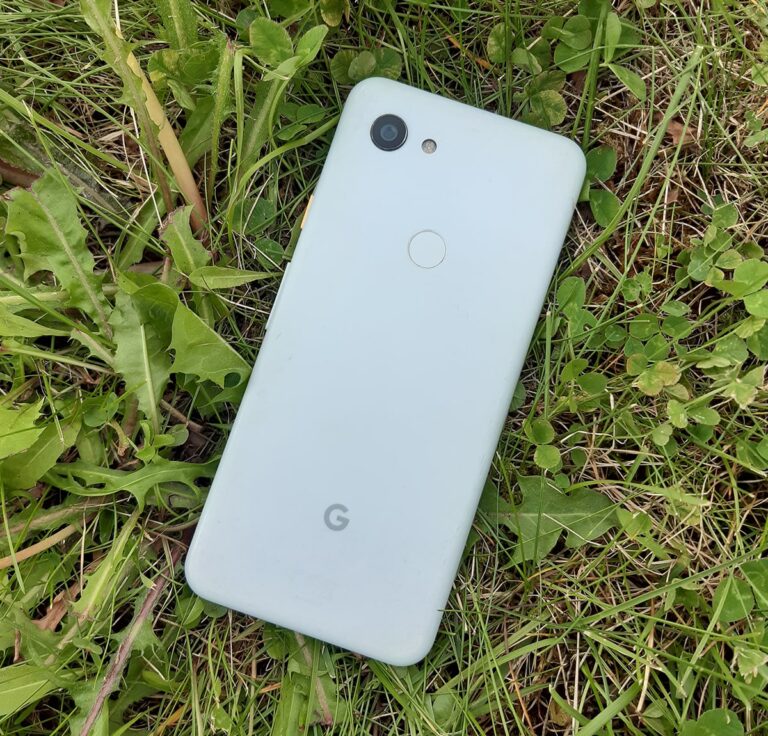
The Google Pixel 6 and Pixel 6 Pro arrived in late 2021 as a bold redesign for Google’s smartphone lineup. These devices introduced the company’s first custom Tensor processor, a distinctive camera bar design, and advanced computational photography features that set new standards for mobile imaging. At launch, they offered flagship-level experiences at more accessible prices than many competitors.
Four years later, in 2025, the smartphone market has evolved significantly with newer generations of Pixels and rival devices pushing boundaries in processing power, display technology, and AI capabilities. Yet the Pixel 6 series remains relevant, particularly in the used and refurbished market where prices have dropped considerably. Many users seek out these phones for their clean Android experience, reliable cameras, and ongoing software support from Google.
Google has extended software support for the Pixel 6 and Pixel 6 Pro beyond original promises. These devices continue to receive regular security patches and select feature updates in 2025, keeping them secure and functional for everyday use. This longevity, combined with their lowered cost, makes them appealing options for budget-conscious buyers who prioritize stock Android and strong photography over the latest hardware.
This review examines the Pixel 6 and Pixel 6 Pro from a 2025 perspective, evaluating their design, performance, camera quality, battery life, and overall value. Both models share many core strengths while differing in size, display refinement, and camera hardware.
Design and Build Quality
The Pixel 6 series stands out with its unique horizontal camera bar across the back, a design element that has influenced subsequent Pixel generations. The two-tone color scheme, with a contrasting visor section, gives the phones a premium and recognizable appearance. Available in vibrant colors like Sorta Seafoam, Kinda Coral, and Stormy Black, these devices still look modern and distinctive.
The standard Pixel 6 features a compact 6.4-inch form factor with flat sides and a matte glass back on higher storage variants. Its aluminum frame feels solid, and the IP68 water and dust resistance ensures durability for daily use. The Pixel 6 Pro, larger at 6.7 inches, uses a polished glass back and curved edges for a more luxurious feel, though it attracts fingerprints more easily.
Both models include stereo speakers, haptic feedback that remains responsive, and in-display fingerprint sensors. The optical scanner works reliably after software improvements over the years. Build quality holds up well on well-maintained used units, with Gorilla Glass Victus providing scratch resistance on front and back.
Ergonomically, the Pixel 6 offers better one-handed usability, while the Pro suits those who prefer larger screens for media consumption. Weight distribution feels balanced on both, avoiding the top-heavy issues seen in some competitors.
Display Quality
The displays represent one of the biggest differences between the two models. The Pixel 6 sports a 6.4-inch OLED panel with Full HD+ resolution and a 90Hz refresh rate. Colors appear vivid, blacks deep, and brightness sufficient for outdoor visibility. HDR content looks impressive, with strong contrast and accurate reproduction.
The Pixel 6 Pro upgrades to a 6.7-inch LTPO OLED display with QHD+ resolution and variable refresh rate up to 120Hz. This allows smoother scrolling and more efficient power usage by dropping to 10Hz for static content. Peak brightness reaches higher levels, making it better for direct sunlight, and the curved edges add immersion for videos and gaming.
In 2025, both screens remain competitive for most tasks. Streaming services, social media, and web browsing feel fluid and enjoyable. The Pro’s higher resolution shows in sharper text and finer details, particularly noticeable when viewing photos or reading.
Brightness and Color Accuracy
Google calibrated these panels for natural color tones rather than oversaturation. This approach ages well, avoiding the trendy looks that date quickly. Always-on display features provide useful at-a-glance information with minimal battery impact.
Performance and Software Experience
Google’s Tensor chip marked a shift toward machine learning optimization rather than raw benchmark scores. In daily use, both phones handle multitasking, app switching, and general navigation smoothly. Software updates over the years have refined performance, eliminating most early launch stutters.
Gaming performance suits casual titles well, with stable frame rates in popular games. More demanding 3D games run acceptably at medium settings, though newer flagships outperform them. The Tensor processor excels at on-device AI tasks like voice recognition, live translation, and photo processing.
The clean Android implementation remains a highlight. Free of bloatware, it delivers timely features through Pixel Feature Drops. Material You design adapts colors based on wallpaper, creating a personalized interface. Call screening, Hold for Me, and Now Playing continue to provide practical benefits.
As of late 2025, these devices run the latest available Android version with ongoing security support. Google extended update commitments ensure continued protection and select new capabilities, adding significant value for long-term ownership.
Camera Performance
The camera system stands as the enduring strength of the Pixel 6 series. Google’s computational photography produces consistently excellent results across lighting conditions. The 50MP primary sensor captures detailed images with natural colors and wide dynamic range.
Both models feature a 12MP ultrawide lens that performs reliably for landscapes and group shots. The Pixel 6 Pro adds a 48MP telephoto with 4x optical zoom, enabling sharp portraits and distant subjects. Optical image stabilization helps in low light and video recording.
Daytime and Low-Light Shooting
Night Sight mode transforms dark scenes with minimal noise and preserved details. Magic Eraser removes unwanted objects effectively, while Face Unblur ensures sharp expressions in group photos. Real Tone technology renders skin tones accurately across diverse complexions.
Video recording reaches 4K at 60fps with good stabilization. Cinematic Pan and Action Pan add creative options. In 2025, the camera quality still competes favorably with many mid-range devices, particularly for point-and-shoot reliability.
Selfies from the front cameras appear natural without excessive smoothing. Portrait mode creates pleasing background separation on both models.
Battery Life and Charging
The Pixel 6 houses a 4614mAh battery that typically lasts a full day with moderate use. Screen-on time averages 6-7 hours, depending on brightness and refresh rate settings. The larger 5003mAh cell in the Pro provides slightly better endurance, often stretching into a second day for lighter users.
Efficiency improvements through software updates have enhanced standby time. Adaptive Battery learns usage patterns to prioritize power allocation. Extreme Battery Saver mode extends runtime significantly when needed.
Charging speeds reach 30W wired on the Pixel 6 and 23W on the Pro, achieving 50% in about 30 minutes. Wireless charging supports 21W on the Pro and 12W on the standard model with compatible stands. Reverse wireless charging works for accessories like earbuds.
Current Market Price and Deals
In December 2025, the Pixel 6 series represents exceptional value in the secondary market. Used and refurbished units sell at fractions of original prices, making premium features accessible to budget buyers.
Pixel 6 Pricing
Well-maintained Pixel 6 devices range from $100 to $250, depending on storage capacity, condition, and color. Entry-level 128GB models in good condition often fall under $200 on major platforms.
Pixel 6 Pro Pricing
The Pro variant commands higher prices, starting around $180 for fair condition units and reaching $350 for excellent examples with 256GB or 512GB storage. Average prices hover in the $200-300 range for most listings.
Popular sources include Amazon Renewed, eBay, and specialized refurbishers like Back Market, which offer warranties and quality checks. Holiday deals and bundle offers frequently appear, further reducing costs.
Pros and Cons
Pros
- Outstanding camera system: The combination of hardware and computational processing delivers consistently impressive photos in various conditions. Features like Night Sight and Magic Eraser remain useful tools that produce results rivaling newer devices. The reliable point-and-shoot experience requires minimal user adjustment.
- Clean software experience: Stock Android without bloatware provides a smooth and intuitive interface. Regular updates and exclusive features keep the phones feeling current. Extended support ensures security and functionality for years ahead.
- Excellent value in 2025: Significantly reduced prices make flagship-level features affordable. Used units offer premium build quality and capabilities at budget phone costs. The performance-to-price ratio stands out strongly.
- Solid battery performance: Both models deliver reliable all-day usage with efficient power management. Adaptive charging and software optimizations extend real-world endurance. Quick charging options minimize downtime.
- Unique and durable design: The distinctive camera bar and premium materials maintain visual appeal. IP68 rating protects against water and dust exposure. Build quality holds up well over time.
- Strong display quality: Vibrant OLED panels with high refresh rates provide enjoyable viewing experiences. The Pro’s LTPO technology adds efficiency and smoothness. Color accuracy suits content consumption perfectly.
- Useful AI features: On-device processing enables practical tools like live translation and call screening. These integrations enhance daily productivity without privacy concerns. Voice typing accuracy remains class-leading.
Cons
- Aging processor performance: The first-generation Tensor chip lags behind current flagships in raw power. Demanding games or heavy multitasking may show limitations. Future apps might push hardware boundaries.
- No latest Android features: While supported, the phones miss some newest capabilities exclusive to recent hardware. Certain AI advancements require newer Tensor generations. Update timeline eventually ends.
- Moderate charging speeds: Wired and wireless rates trail behind many 2025 competitors. Full charges take longer than ultra-fast options available elsewhere. No charger included in box originally.
- Fingerprint sensor reliability: Though improved, the optical scanner occasionally requires multiple attempts. Face unlock absence reduces convenience compared to alternatives. Wet fingers affect performance.
- Limited telephoto on base model: The standard Pixel 6 lacks optical zoom capabilities. Digital cropping reduces quality at higher magnifications. Pro model required for versatile photography.
- Potential battery degradation: Used units may show reduced capacity over time. Checking health before purchase becomes important. Replacement options exist but add cost.
Pro Tips
- Check battery health using built-in settings or third-party apps before buying used units to ensure optimal performance.
- Opt for sellers offering return periods and warranties when purchasing refurbished devices for peace of mind.
- Enable Adaptive Connectivity to balance 5G usage and preserve battery life in areas with variable coverage.
- Use Photo Unblur and Magic Eraser features regularly to enhance older photos stored on the device.
- Customize Material You themes and always-on display options for a personalized experience that feels fresh.
- Take advantage of Call Screen and Hold for Me to manage unwanted calls efficiently.
- Consider official or high-quality cases to maintain the phone’s condition over extended use.
Frequently Asked Questions
Do the Pixel 6 and Pixel 6 Pro still receive software updates in 2025?
Yes, both models continue receiving regular security patches and select feature updates. Google extended support beyond original commitments, ensuring ongoing protection and functionality.
Is the camera quality still competitive?
Absolutely—the computational photography produces excellent results that hold up well against many current mid-range devices, especially for everyday shooting.
How does battery life hold up on used units?
Well-maintained examples deliver solid all-day performance, though checking battery health helps identify units with significant degradation.
Which model should I choose—the Pixel 6 or Pixel 6 Pro?
The standard Pixel 6 suits those wanting compactness and value, while the Pro offers superior display, additional camera lens, and more premium feel.
Are there heating issues during use?
Early concerns largely resolved through updates; moderate warmth occurs during intensive tasks but remains manageable.
Can these phones handle gaming?
Casual and mid-level games run smoothly, though demanding titles perform best at reduced settings compared to latest hardware.
Is 5G performance reliable?
Both support modern 5G bands with good connectivity where coverage exists, enhanced by software optimizations over time.
Should I buy new accessories?
Original cases and screen protectors remain available, and third-party options provide affordable protection and charging solutions.
Conclusion
The Google Pixel 6 and Pixel 6 Pro continue to offer compelling experiences in 2025, particularly at current used prices. Their outstanding cameras, clean software, solid displays, and extended support make them excellent choices for users seeking reliable performance without premium costs. While newer devices surpass them in raw power and charging speeds, the value proposition remains strong for photography enthusiasts, stock Android fans, and budget buyers. The combination of distinctive design, practical AI features, and ongoing updates ensures these phones deliver satisfying daily use. For those prioritizing camera quality and software purity over cutting-edge specifications, the Pixel 6 series represents one of the smartest purchases available in the current market.