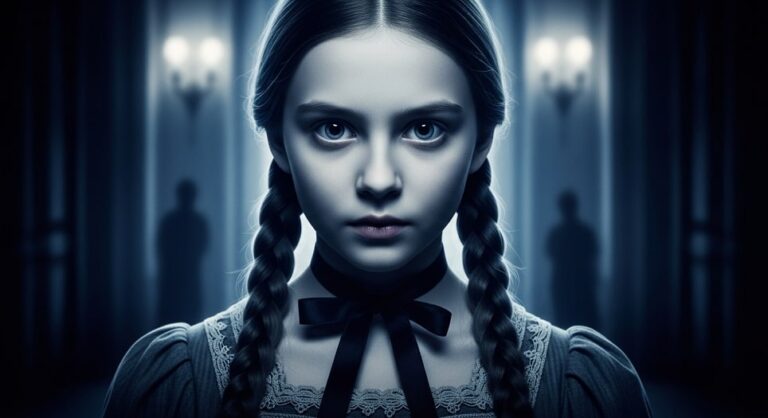
In the realm of horror cinema, few characters have left as lasting an impression as Esther from the 2009 film Orphan. Now, over a decade later, the chilling prequel Orphan: First Kill brings back the enigmatic figure in a story that delves into her dark beginnings. The official trailer, released by Paramount Pictures, offers a tantalizing glimpse into the psychological terror that awaits audiences. Directed by William Brent Bell, this film promises to expand on the twisted narrative that captivated viewers years ago.
The trailer opens with scenes of an Estonian psychiatric facility, setting a tense atmosphere from the outset. It follows Esther as she orchestrates a daring escape, showcasing her cunning and manipulative nature. As she assumes the identity of a missing child from a wealthy American family, the footage builds suspense through subtle hints of impending danger. Viewers are drawn into the family’s initial joy at the reunion, only to sense the underlying menace that Esther brings into their home.
Paramount’s decision to release the trailer generated immediate buzz among horror enthusiasts. Social media platforms lit up with reactions, as fans dissected every frame for clues about the plot. The prequel’s approach to revisiting Esther’s origins without relying on the original’s twist adds a fresh layer to the franchise. This strategic reveal positions the film as a must-watch for both longtime followers and newcomers to the series.
Building on the success of the first movie, which grossed over $78 million worldwide, Orphan: First Kill aims to recapture that magic. The trailer’s visuals emphasize psychological horror over jump scares, aligning with the genre’s evolution toward more character-driven stories. Industry analysts note that this release comes at a time when prequels are gaining traction, offering deeper insights into beloved villains.
The Legacy of the Original Orphan Film
The 2009 Orphan, directed by Jaume Collet-Serra, introduced audiences to a seemingly innocent child adopted by a grieving couple. Starring Vera Farmiga and Peter Sarsgaard, the film explored themes of trust, deception, and family dynamics. Its shocking revelation about Esther’s true identity became a hallmark of modern horror, influencing subsequent movies in the genre.
Critics praised the original for its suspenseful pacing and strong performances, particularly from young Isabelle Fuhrman. The movie’s box office performance demonstrated the appetite for intelligent thrillers that subvert expectations. Over the years, it has cultivated a dedicated fan base, with discussions about potential sequels persisting in online forums and conventions.
The cultural impact of Orphan extended beyond theaters, inspiring memes, fan theories, and even academic analyses on portrayals of mental illness in media. Its success paved the way for similar films that blend domestic drama with horror elements. As a result, the announcement of a prequel was met with excitement, as it promised to answer lingering questions about Esther’s past.
Paramount’s involvement in the franchise signals a commitment to quality horror content. The studio has a history of supporting films that push boundaries, and Orphan: First Kill fits neatly into that tradition. By focusing on Esther’s early exploits, the prequel enriches the overall narrative arc of the series.
Unveiling the Plot Through the Trailer
The trailer meticulously crafts a narrative of deception and danger. It begins with Esther’s escape from the psychiatric facility, highlighting her resourcefulness and lack of remorse. As she travels to America, the footage shows her adopting the persona of the missing Esther Albright, complete with period-appropriate clothing and mannerisms.
Interactions with the Albright family form the core of the trailer’s tension. Julia Stiles, portraying Tricia Albright, conveys a mix of relief and subtle unease upon reuniting with her “daughter.” Rossif Sutherland as Allen Albright adds emotional depth, showing a father’s unwavering belief in the miracle of her return. The trailer hints at fractures in the family unit, exacerbated by Esther’s presence.
Key moments include eerie close-ups of Esther’s face, underscoring her adult features hidden beneath a child’s facade. Subtle sound design amplifies the horror, with dissonant music punctuating scenes of potential violence. The trailer avoids major spoilers, instead teasing the conflict between Esther and a skeptical detective investigating her claims.
Audiences can expect a story that explores identity theft on a psychological level. The prequel’s setting in an earlier time period allows for exploration of societal attitudes toward mental health and adoption. This adds a layer of commentary to the thrills, making the film more than just a scare fest.
Key Scenes That Stand Out
- The escape sequence showcases Esther’s intelligence as she navigates locked doors and security measures. This scene establishes her as a formidable antagonist right from the start. It sets the tone for her calculated approach to survival and manipulation.
- The family reunion moment captures raw emotion, with hugs and tears masking the impending doom. Tricia’s hesitant touch on Esther’s shoulder hints at instinctive doubts. This interaction builds empathy for the victims while heightening suspense.
- A fencing duel between Esther and a family member reveals her physical prowess despite her appearance. The clash symbolizes the battle of wills within the household. It promises action-packed confrontations blended with horror elements.
- Detective Donnan’s investigation scenes introduce external pressure on Esther’s scheme. His skeptical glances and note-taking add a procedural aspect to the story. This subplot enriches the narrative by showing consequences beyond the family.
- Nighttime sequences with Esther lurking in shadows emphasize the film’s atmospheric horror. Dim lighting and creaking sounds create unease without relying on gore. These moments recall classic thrillers while updating them for modern viewers.
- The trailer’s climax teases a violent confrontation, with quick cuts to broken glass and screams. This builds anticipation for the film’s twists. It leaves audiences eager to see how Esther’s first “kill” unfolds.
- Flashbacks to Esther’s institutional life provide context for her behavior. Brief glimpses of therapy sessions and restraints humanize her slightly. Yet, they ultimately reinforce her dangerous nature.
- The final shot of Esther’s knowing smile directly engages the viewer. It serves as a chilling reminder of her deceptive charm. This ending hook ensures the trailer lingers in minds long after viewing.
Cast Spotlight: Returning and New Faces
Isabelle Fuhrman reprises her role as Esther, bringing maturity to the character she originated at age 12. Her performance in the trailer suggests a deeper exploration of Esther’s psyche. Fuhrman’s dedication to the part involved extensive preparation to recapture the physicality of a child-like figure.
Julia Stiles joins as Tricia Albright, the protective mother who senses something amiss. Known for roles in films like 10 Things I Hate About You and the Bourne series, Stiles brings gravitas to the family dynamic. Her portrayal in the trailer conveys quiet strength amid growing suspicion.
Rossif Sutherland portrays Allen Albright, the hopeful father blinded by love. As the son of legendary actor Donald Sutherland, he carries a legacy of nuanced performances. The trailer highlights his emotional vulnerability, contrasting with the horror unfolding around him.
Supporting cast members like Hiro Kanagawa as Detective Donnan add investigative intrigue. Matthew Finlan plays Gunnar Albright, the son whose interactions with Esther promise conflict. These roles round out the ensemble, ensuring a rich tapestry of characters.
Isabelle Fuhrman’s Remarkable Return
Fuhrman’s commitment to authenticity led to innovative filming techniques. Using body doubles and forced perspective, the production team made her appear younger. This approach avoided heavy reliance on CGI, preserving a natural look in the trailer.
In interviews, Fuhrman expressed excitement about revisiting Esther. She noted how the prequel allows for exploration of the character’s motivations. Her performance evolves the role from a shocking villain to a complex anti-heroine.
The actress’s career has flourished since the original, with roles in The Hunger Games and independent films. Returning to Orphan represents a full-circle moment. The trailer showcases her range, from innocent smiles to menacing glares.
Fans appreciate Fuhrman’s ownership of the character. Her involvement ensures continuity in the franchise. This dedication contributes to the trailer’s authentic feel and heightens anticipation for the full film.
Behind the Scenes: Production Insights
William Brent Bell directs Orphan: First Kill, bringing experience from horror films like The Boy and The Devil Inside. His vision for the prequel emphasizes psychological depth over supernatural elements. The trailer reflects this through intimate camera work and subtle builds in tension.
The screenplay by David Coggeshall, based on a story by David Leslie Johnson-McGoldrick and Alex Mace, crafts a narrative that stands alone while honoring the original. Production took place in Winnipeg, Canada, standing in for American and Estonian locations. This choice allowed for controlled environments to execute complex scenes.
Challenges included de-aging Fuhrman without digital effects dominating the film. Practical methods like elevated sets and child-sized props were employed. The trailer demonstrates the success of these techniques, maintaining immersion in the story.
Paramount’s distribution strategy combines theatrical release with streaming on Paramount+. This hybrid model caters to diverse audience preferences. The trailer’s online debut maximized reach, garnering millions of views within days.
Filming Techniques and Innovations
Forced perspective shots make Fuhrman appear smaller alongside adult actors. This classic technique, used in films like The Lord of the Rings, adds authenticity. The trailer features several such moments, enhancing the illusion of Esther’s youth.
Makeup and prosthetics play a crucial role in transforming Fuhrman. Subtle applications smooth features and alter proportions. Combined with wardrobe choices, these elements create a convincing child-like appearance in the footage.
Sound design in the trailer amplifies horror through layered effects. Whispered dialogues and echoing footsteps build dread. This auditory approach complements visual cues, creating a multisensory experience.
The production team’s focus on practical effects grounds the film in reality. Avoiding overreliance on CGI keeps costs down while preserving a gritty feel. The trailer’s raw intensity stems from this commitment to tangible horror.
Reception and Cultural Impact
Upon release, the trailer received positive feedback from critics and fans alike. Publications like Variety and Deadline highlighted its effective buildup of suspense. Social media trends showed widespread enthusiasm, with hashtags related to the film trending globally.
The prequel’s connection to the original has sparked renewed interest in Orphan. Streaming numbers for the 2009 film surged following the trailer’s debut. This demonstrates the enduring appeal of the franchise’s unique premise.
In the broader horror landscape, Orphan: First Kill contributes to the trend of villain origin stories. Similar to films like Joker or Cruella, it humanizes antagonists while maintaining their menace. The trailer positions Esther as a compelling figure worthy of deeper exploration.
The film’s release coincided with a resurgence in psychological thrillers. Audiences craving intelligent scares find appeal in its narrative. This timing enhances its potential for box office success and critical acclaim.
Connection to the Expanding Franchise
With Orphan: First Kill, the series establishes a timeline that allows for further installments. The prequel’s events set up the original film’s plot seamlessly. This continuity strengthens the overall mythology surrounding Esther.
Recent announcements of a third film, titled Orphans, indicate the franchise’s vitality. Directed again by William Brent Bell, it promises to continue Esther’s saga. The success of the First Kill trailer likely influenced this development.
Fans speculate on future directions, from sequels to spin-offs. The trailer’s open-ended teases fuel these discussions. As the series grows, it cements its place in horror history.
The evolution from a standalone film to a trilogy reflects audience demand. Paramount’s investment in the property underscores confidence in its longevity. This expansion enriches the narrative possibilities for Esther’s character.
Conclusion
The official trailer for Orphan: First Kill masterfully reignites interest in one of horror’s most intriguing villains. By exploring Esther’s origins with a talented cast and innovative techniques, the film promises a thrilling addition to the genre. Isabelle Fuhrman’s return, alongside strong performances from Julia Stiles and Rossif Sutherland, ensures emotional depth amid the scares. As the franchise expands with future installments, this prequel serves as a pivotal chapter. Ultimately, it reminds viewers of the enduring power of well-crafted psychological horror in captivating audiences worldwide.