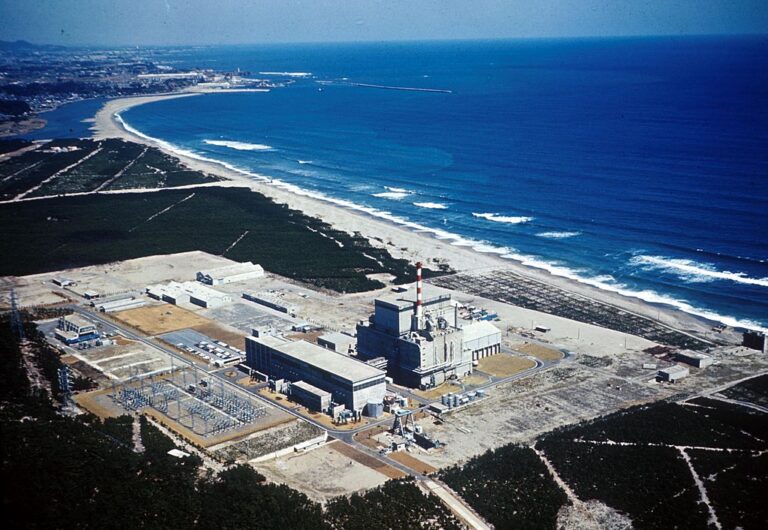
On a seemingly ordinary autumn morning in 1999, a routine procedure at a nuclear fuel processing facility in rural Japan spiraled into one of the most harrowing human tragedies in modern history. Three technicians, driven by the pressures of an understaffed operation, made a fatal shortcut that unleashed a torrent of radiation, forever altering their lives and exposing deep flaws in the nation’s nuclear safeguards. At the epicenter of this catastrophe stood Hisashi Ouchi, a 35-year-old father and former rugby player whose body became a battleground for science’s limits, enduring 83 days of unimaginable torment before his inevitable end.
The incident at the JCO plant in Tokaimura unfolded with chilling simplicity, a stark reminder of how human error in high-stakes environments can cascade into disaster. As Japan grappled with the immediate chaos—evacuations, radiation alerts, and a nation transfixed by live updates—the world watched a story of profound misfortune unfold. Ouchi’s plight, marked by relentless pain and futile medical interventions, came to symbolize not just individual suffering but systemic vulnerabilities in an industry powering much of the country’s energy needs.
Decades later, the echoes of that day resonate through discussions on nuclear safety, ethical boundaries in medicine, and the human cost of industrial ambition. This report chronicles the events, the agony, and the lasting repercussions, drawing from official investigations and firsthand accounts to illuminate a tale that defies comprehension.
The Spark of Catastrophe: Inside the Tokaimura Nuclear Plant
Nestled in the quiet Ibaraki Prefecture, about 80 miles northeast of Tokyo, the Tokaimura facility operated under the auspices of Japan Nuclear Fuel Conversion Co., a private entity tasked with preparing uranium for research reactors. Established in the 1970s amid Japan’s aggressive push toward nuclear energy independence, the plant processed uranyl nitrate into fuel rods, a process demanding precision to avoid criticality— the point where nuclear fission spirals uncontrollably. By 1999, with Japan deriving over 30 percent of its electricity from atomic sources, such sites were cornerstones of economic stability, yet plagued by cost-cutting and lax oversight.
Hisashi Ouchi arrived at work that Thursday, September 30, as he had for years, a dedicated technician supporting his young family. Alongside colleagues Masato Shinohara, 29, and supervisor Yutaka Yokokawa, 54, Ouchi faced an urgent deadline: converting a batch of enriched uranium for the Joyo experimental reactor, JCO’s first such job in three years. Undertrained and under pressure—the plant ran with half its needed staff due to budget constraints—the team opted for a manual method, bypassing automated systems designed to prevent mishaps.
The procedure called for dissolving uranium oxide in nitric acid to form uranyl nitrate, then transferring it through buffer tanks to a precipitation vessel. Regulations capped the fissile material at 2.4 kilograms per batch to avert chain reactions, but the trio, lacking proper certification, poured nearly 17 kilograms directly into the stainless-steel tank using buckets—a grave violation born of haste and inadequate protocols.
The Moment Criticality Ignited
At precisely 10:35 a.m., as Ouchi leaned over the tank to monitor the flow, the mixture hit critical mass. A blinding blue-white flash—Cherenkov radiation from accelerated particles—filled the room, accompanied by an earsplitting hum and the blare of gamma alarms. Neutrons and gamma rays surged outward, bombarding the workers in a sustained release that lasted 20 hours, far longer than initial fears suggested.
Ouchi, closest to the epicenter, absorbed the brunt: an estimated 17 sieverts of radiation, over three times the lethal threshold of 5 sieverts where death is certain within weeks. Shinohara, stirring nearby, took 10 sieverts; Yokokawa, four meters away, fared better at 3 sieverts. The men staggered out, collapsing amid nausea and burns, their cells already unraveling at the molecular level.
Emergency responders, arriving within minutes, evacuated the site and initiated a lockdown. Over the next hours, as the chain reaction persisted, authorities scrambled to insert boron rods and drain cooling water, finally quelling the fission by dawn. But for the technicians, salvation had come too late—their bodies were irrevocably poisoned.
Radiation’s Invisible Assault: The Onset of Acute Sickness
Radiation poisoning, or acute radiation syndrome, strikes in phases, each more merciless than the last. Within minutes of exposure, the prodromal stage hits: vomiting, diarrhea, and fatigue as the gastrointestinal tract rebels. For Ouchi and Shinohara, symptoms erupted violently en route to Mito Hospital—Ouchi fainted repeatedly, his skin reddening like a severe sunburn, while Shinohara clutched his abdomen in agony.
By evening, transferred to the National Institute of Radiological Sciences in Chiba, their conditions escalated. White blood cell counts plummeted to near zero, stripping away natural defenses and inviting rampant infections. Ouchi’s chromosomes, visible under microscopes, appeared shattered, a hallmark of doses exceeding 10 sieverts where DNA repair mechanisms fail entirely.
Yokokawa, though severely ill, stabilized with supportive care, his lower exposure allowing partial recovery. But for the others, the latent phase offered false hope—a brief respite masking the storm ahead. As news crews gathered outside, the public learned of the worst nuclear mishap on Japanese soil since World War II, eclipsing even Chernobyl in per-person radiation terms.
Evacuation and Public Panic
The accident’s ripple effects were immediate and widespread. Within hours, 161 residents within 350 meters were urged to evacuate, their homes screened for contamination. By midnight, precautionary measures expanded to 300,000 people across 20 square kilometers, with schools shuttered and water supplies halted. Dosimeters registered up to 15 millisieverts for locals—five times annual norms—and 23 millisieverts for plant staff, prompting nationwide scrutiny of nuclear protocols.
Prime Minister Keizo Obuchi addressed the nation, pledging transparency amid accusations of delayed alerts. The International Atomic Energy Agency dispatched experts, classifying the event as Level 4 on the International Nuclear Event Scale: a serious accident with local consequences, but one that exposed 667 individuals to elevated risks.
In the sterile confines of Chiba’s isolation wards, Ouchi awoke disoriented, his pleas for water drowned out by monitors. Little did he know, his ordeal was just beginning—a descent into a medical maelstrom that would test the boundaries of compassion and science.
The 83-Day Ordeal: Medicine’s Futile Fight Against Radiation
On October 3, Ouchi and Shinohara were airlifted to the University of Tokyo Hospital, pioneers in radiation therapy. Chief physician Kazuhiko Maekawa, with 30 years’ experience, confronted an unprecedented case: Ouchi’s body, ravaged beyond recognition, demanded interventions bordering on the experimental. Skin grafts from his sister temporarily shielded burns covering 90 percent of his frame, while granulocyte colony-stimulating factor injections spurred fleeting white cell production.
Yet progress was illusory. By mid-October, Ouchi’s digestive system collapsed, necessitating tube feeding and constant antibiotics against sepsis. His heart faltered repeatedly—first arrest at 70 minutes, revived by defibrillation—each revival prolonging a existence defined by screams echoing through the ward. Nurses, clad in hazmat suits, documented his fluid losses exceeding 10 liters daily, his veins too fragile for intravenous pain relief.
As November dawned, ethical fissures emerged. Ouchi, semi-lucid, begged to die, his words—”I can’t take it anymore”—recorded in logs. Family, torn between hope and horror, initially consented to aggressive care, but doubts mounted as his chromosomes refused replication, rendering him a living anomaly without viable DNA.
Treatments and Their Toll
The regimen was exhaustive: cultured epithelial autografts to regenerate skin, peripheral blood stem cell transplants from siblings, and broad-spectrum antimicrobials to combat opportunistic infections. Temporary gains—hair regrowth, stabilized vitals—crumbled under relapses, his lungs filling with fluid and kidneys shutting down. Maekawa later reflected in interviews that the efforts, while groundbreaking, bordered on cruelty, offering data at the expense of dignity.
Shinohara, in parallel isolation, endured similar torments but with marginally better resilience; his exposure allowed sporadic recoveries, though pneumonia and bleeding plagued him. Yokokawa, discharged after weeks, faced chronic health woes but survived, a poignant contrast underscoring radiation’s capricious grip.
By December, Ouchi’s form was unrecognizable—emaciated, bandaged, his eyes pleading through the haze. On the 19th, doctors urged a do-not-resuscitate order, which the family endorsed. Yet, when cardiac arrest struck again on the 21st, protocols demanded revival—until, at last, they relented.
Ethical Shadows: Prolonging Life in the Face of Inevitability
Ouchi’s prolonged treatment ignited fierce debates on medical ethics, pitting the Hippocratic oath against patient autonomy. In Japan, where family decisions often supersede individual wishes, his wife’s initial insistence on “doing everything” clashed with his vocal despair. Bioethicists, reviewing the case, highlighted the tension: was aggressive care a quest for miracles or an extension of suffering for research’s sake?
International observers drew parallels to Chernobyl’s liquidators, where heroic measures yielded scant survival. The University team, publishing anonymized findings, advanced knowledge on high-dose ARS—insights into cellular regeneration and immune modulation—but at what cost? Critics argued the 83 days served institutional curiosity more than compassion, fueling calls for clearer end-of-life guidelines in radiation emergencies.
Family anguish compounded the tragedy; Ouchi’s wife and son, shielded from visits, grappled with grief amplified by media frenzy. Post-mortem, autopsies revealed total organ liquefaction, chromosomes irreparably fragmented—a postmortem affirming the futility.
Broader Medical Ramifications
The ordeal spurred advancements: enhanced stem cell protocols and radiation countermeasures, now standard in global nuclear response plans. Yet, it underscored gaps—Japan’s lack of specialized ARS units pre-1999 left physicians improvising, their heroism laced with hindsight regret.
- Patient Autonomy vs. Familial Consent: Ouchi’s repeated pleas to end treatment raised questions about overriding patient directives in incapacitated states, prompting legal reforms in Japan emphasizing advance directives for high-risk professions. This shift empowered individuals in nuclear and medical fields, reducing family burdens during crises and aligning care with expressed wishes where possible.
- Resource Allocation in Rare Cases: The multimillion-yen interventions—grafts, transplants, round-the-clock monitoring—highlighted disparities, as funds diverted from preventive safety strained public health systems. Post-incident audits recommended dedicated ARS funds, ensuring equitable access without exhausting resources on improbable recoveries.
- Research Ethics in Terminal Illness: Anonymized data from Ouchi’s case informed studies on DNA repair, but consent ambiguities sparked IRB overhauls, mandating explicit permissions for experimental therapies in emergencies. This framework now safeguards vulnerable patients, balancing innovation with moral imperatives.
- Pain Management Challenges: Collapsed vasculature thwarted analgesics, forcing reliance on topical and systemic alternatives; the experience catalyzed non-invasive delivery research, improving palliative care for burn and radiation victims worldwide. Enhanced protocols now prioritize comfort, recognizing dignity over mere prolongation.
- Psychological Impact on Caregivers: Staff burnout from witnessing unrelenting agony led to mandatory debriefings and support networks, addressing secondary trauma in high-stakes medicine. These measures foster resilience, ensuring sustained empathy without emotional collapse under ethical duress.
- Public Trust in Nuclear Medicine: Revelations of prolonged suffering eroded confidence, prompting transparent reporting standards that integrate ethical reviews into accident disclosures. This transparency rebuilds faith, framing medicine as humane rather than mechanistic.
- Interdisciplinary Collaboration: The case necessitated hematologists, oncologists, and ethicists uniting, birthing integrated ARS teams in Japan and beyond. Such synergy accelerates responses, minimizing silos that exacerbate outcomes in multifaceted crises.
- Legacy in Education: Ouchi’s story now anchors curricula in bioethics and nuclear safety, training future professionals to navigate moral gray areas with foresight. This pedagogical evolution prevents recurrence, honoring his sacrifice through proactive prevention.
These dilemmas, dissected in parliamentary hearings, underscored a universal truth: medicine heals, but cannot always conquer fate’s cruel hand.
Aftermath and Accountability: Ripples Through Japan’s Nuclear Landscape
Hisashi Ouchi’s death at 11:21 p.m. on December 21, 1999, from multi-organ failure, marked the accident’s grim toll. Shinohara followed on April 27, 2000, succumbing to pneumonia and hemorrhage after 211 days. Yokokawa, scarred but enduring, retired amid ongoing health surveillance. JCO shuttered the plant until 2000, paying reparations exceeding 21 billion yen to affected parties.
Investigations by Japan’s Science and Technology Agency pinned blame on procedural shortcuts, insufficient training—only 35 hours for criticality risks versus mandated 200—and corporate corner-cutting. Corporate officers faced indictments for negligence, with fines totaling 5 million yen; the firm dissolved in 2003, absorbed by a state entity. Globally, the IAEA lauded Japan’s response but critiqued delayed criticality detection, urging boron injectors and automated safeguards.
Public outrage swelled anti-nuclear sentiment, accelerating phase-outs in prefectures like Ibaraki. The incident, though dwarfed by Fukushima’s scale, exposed complacency: over 50 prior near-misses at Tokaimura went unreported, eroding trust in regulators like the Nuclear and Industrial Safety Agency.
Systemic Reforms and Global Echoes
In response, Japan mandated annual drills, enriched training to 300 hours, and installed remote monitoring. The 2000 Nuclear Safety Commission formalized emergency tiers, while international accords tightened fissile material handling. Chernobyl’s 1986 shadow loomed, but Tokaimura’s intimacy—three lives for procedural lapses—galvanized change more viscerally.
Environmental fallout proved minimal: soil decontamination cleared hotspots, with cesium traces dissipating naturally. Yet, psychological scars lingered; residents reported anxiety spikes, birth rate dips in screened cohorts. Ouchi’s family, granted anonymity, channeled grief into advocacy, supporting radiation victims through quiet philanthropy.
The saga influenced pop culture—a 2023 miniseries, “The Days,” nodded to Tokaimura in Fukushima’s dramatization—keeping vigilance alive. As Japan eyes nuclear revival post-Fukushima, Ouchi’s legacy warns: progress demands vigilance, lest misfortune claim another.
Human Stories Amid the Horror: Families, Heroes, and Reflections
Beyond statistics, the accident wove a tapestry of personal devastation. Ouchi’s wife, barred from full visits by contamination fears, held vigil through glass partitions, her resolve fracturing under his muffled cries. Their son, too young to grasp, grew up with echoes of a father whose final words implored release—a void no policy could fill.
Caregivers emerged as unsung protagonists: nurses rotating shifts to shield psyches, technicians risking exposure for boron insertions. Maekawa’s post-incident memoir detailed the toll—sleepless nights debating resuscitation—humanizing a profession often viewed clinically. First responders, dosed at 20 millisieverts, formed support groups, their camaraderie forged in crisis.
Shinohara’s widow, raising their child alone, pursued education reforms, ensuring nuclear curricula included real-world perils. Yokokawa, in rare interviews, spoke of survivor’s guilt, his mild leukemia a perpetual reminder. These narratives, pieced from court testimonies and support networks, reveal resilience threading through ruin.
Lessons in Prevention: From Tragedy to Safeguard
Tokaimura catalyzed a safety renaissance. Plants worldwide adopted “criticality-proof” designs—geometric barriers thwarting mass accumulation—and AI-monitored processes. Japan’s 2001 Basic Nuclear Energy Act enshrined whistleblower protections, curbing silence on hazards.
Educational mandates now embed Ouchi’s case in engineering ethics, dissecting how haste eclipsed caution. Globally, the World Nuclear Association references it in risk matrices, quantifying human factors’ weight. These evolutions honor the fallen, transforming sorrow into sentinels against recurrence.
Yet, questions persist: Could earlier halts have spared the agony? In a field balancing energy imperatives with existential risks, the answer lies in perpetual scrutiny.
Conclusion
The Tokaimura disaster, through Hisashi Ouchi’s excruciating journey, lays bare the fragility of human endeavor in atomic realms—a confluence of error, endurance, and ethical reckoning that reshaped safeguards and souls alike. From the flashpoint of criticality to the quiet finality of organ failure, it chronicles not mere misfortune but a clarion call for accountability, where lives hinge on vigilance and compassion. As nuclear ambitions evolve, Ouchi’s unyielding legacy endures: a testament to suffering’s depths and humanity’s drive to rise above, ensuring no shadow falls unchecked in pursuit of power’s promise.