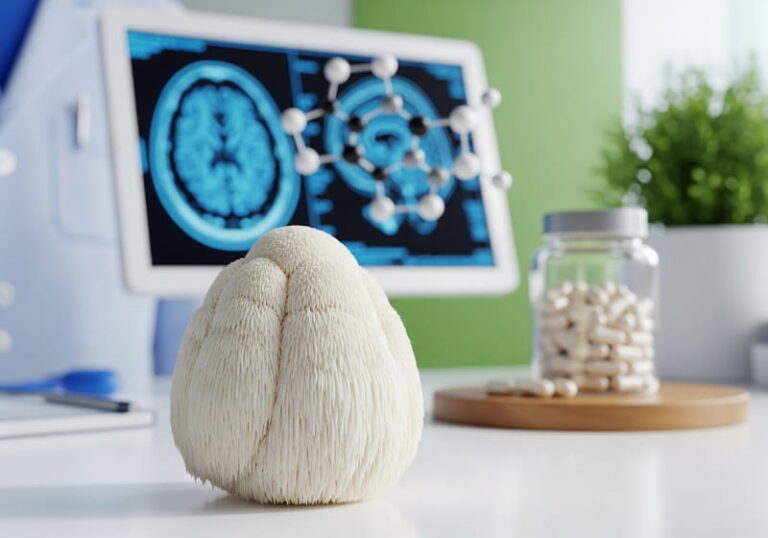
The natural world is a vast repository of compounds that have supported human health for millennia, and among the most intriguing of these are medicinal mushrooms. Rising to prominence in both traditional wellness practices and modern scientific research is Hericium erinaceus, commonly known as Lion’s Mane mushroom. This distinctive fungus, with its cascading, white, icicle-like spines, is more than a culinary curiosity. It is now the subject of intense study for its profound potential to support cognitive function, neurological health, and overall systemic well-being. This guide provides a detailed exploration of Lion’s Mane mushroom, examining its historical use, the compelling science behind its purported benefits, practical guidance on consumption, and important considerations for safe use.
For centuries, Lion’s Mane has held a revered place in Traditional Chinese Medicine and Japanese Buddhist monastic practices, where it was traditionally utilized to support spleen and digestive health, as well as to fortify the body’s natural resilience. It was often referred to as “Hou Tou Gu” or “Yamabushitake,” names that hint at its unique appearance. Modern scientific inquiry has begun to decode the mechanisms behind these traditional uses, focusing on the mushroom’s rich content of bioactive compounds, particularly two unique classes: hericenones and erinacines. These compounds are the primary actors believed to stimulate the synthesis of Nerve Growth Factor, a protein crucial for the growth, maintenance, and survival of neurons.
The Science of Cognitive and Neurological Support
The most celebrated and well-researched area of Lion’s Mane’s influence lies in its potential to support brain health. The central theory posits that its key compounds can cross the blood-brain barrier and promote the production of NGF. This action is fundamental to neurogenesis—the formation of new neurons—and neuroplasticity—the brain’s ability to reorganize and form new neural connections throughout life. This foundational mechanism is thought to underpin several observed benefits.
Enhancing Memory, Focus, and Mental Clarity
Clinical studies, particularly in individuals with mild cognitive impairment, have shown promising results. Participants supplementing with Lion’s Mane extract demonstrated significant improvements in cognitive function scores compared to placebo groups. Anecdotal reports from healthy individuals often describe a noticeable reduction in “brain fog,” an enhanced ability to concentrate on complex tasks, and a sharper, more agile memory recall. This makes it a subject of great interest not only for aging populations but also for students, professionals, and anyone seeking to optimize mental performance.
Potential Role in Nervous System Health
Beyond everyday cognition, the NGF-stimulating properties of Lion’s Mane suggest a broader role in nervous system support. Research in laboratory models indicates potential for supporting nerve regeneration after injury. This has spurred investigation into its possible supportive role in managing symptoms associated with peripheral neuropathy, a condition often linked to diabetes, where nerve damage causes pain, tingling, and numbness in the extremities. While human trials are needed, the preclinical data points to a unique capacity to support the nervous system’s intrinsic repair mechanisms.
Comprehensive Health Benefits Beyond the Brain
While its neurological effects are headline-grabbing, Lion’s Mane offers a symphony of benefits for the entire body, largely due to its potent anti-inflammatory and antioxidant properties, as well as its influence on the gut microbiome.
Mood and Emotional Well-being
A growing body of research links gut health directly to brain function and emotional state, often called the gut-brain axis. Lion’s Mane appears to positively influence this connection. Studies, including double-blind trials, have reported that supplementation can reduce feelings of anxiety and mild depressive symptoms. Researchers believe this effect may stem from the mushroom’s ability to reduce systemic inflammation, promote healthy gut bacteria, and potentially stimulate the growth of new neurons in the hippocampus, a brain region intimately involved in emotional regulation.
Immune System Modulation
Like many medicinal mushrooms, Lion’s Mane contains powerful polysaccharides, such as beta-glucans, which are known to modulate the immune system. This modulation does not simply “boost” immunity in a blunt way; rather, it helps to regulate and balance immune responses. It can enhance the activity of the intestinal immune system and has been shown in laboratory studies to increase the activity of certain immune cells, like natural killer cells and macrophages, which are crucial for the body’s first line of defense against pathogens and abnormal cells.
Digestive and Gut Health
The benefits for the digestive tract are twofold. First, Lion’s Mane has been shown to possess protective effects against gastric ulcers in animal studies, potentially by inhibiting the growth of H. pylori bacteria and promoting the healing of the stomach lining. Second, it acts as a prebiotic, providing nourishment for beneficial gut bacteria. A healthy, diverse gut microbiome is essential not only for digestion but also for immune function, inflammation control, and even the production of neurotransmitters like serotonin.
Antioxidant and Anti-inflammatory Powerhouse
Chronic inflammation and oxidative stress are underlying factors in nearly every modern chronic disease, from heart conditions to metabolic syndrome. Lion’s Mane is rich in antioxidants that help neutralize harmful free radicals. Furthermore, its extracts have demonstrated significant anti-inflammatory effects in scientific studies, inhibiting the production of pro-inflammatory cytokines. This systemic action helps explain its broad range of potential health applications.
Practical Guide: How to Incorporate Lion’s Mane
Understanding the benefits is one thing; effectively incorporating Lion’s Mane into your wellness routine is another. It is available in several forms, each with its own considerations.
- Fresh Mushrooms: The whole, fresh mushroom can be cooked and eaten. It has a delicate, seafood-like flavor, often compared to crab or lobster. Sautéing, stir-frying, or making a broth are excellent culinary methods. However, availability in grocery stores can be limited, and the concentration of active compounds is lower than in extracts.
- Powdered Extracts: This is one of the most popular and versatile forms. The mushroom is typically hot-water extracted to pull out the beneficial polysaccharides and other compounds, then dried into a powder. This powder can be mixed into coffee, tea, smoothies, soups, or even baked goods. Look for products that specify “extract” and ideally provide a ratio (e.g., 8:1 extract), indicating concentration.
- Capsules and Tinctures: For convenience and precise dosing, capsules containing dried powder or extract are widely available. Tinctures (alcohol or glycerin-based liquid extracts) offer another option, with the potential for faster absorption. The key is to check the label for the amount of beta-glucans and other active compounds to ensure potency.
Dosage and Safety Considerations
While generally considered safe for most people, responsible use is paramount. Most clinical studies have used doses ranging from 500mg to 3000mg of extract per day, often divided into two or three doses. It is always advisable to start at the lower end of this range to assess tolerance. Minor side effects can include mild digestive discomfort. Individuals with mushroom allergies should avoid it. Crucially, due to its potential effects on nerve growth and immune function, individuals with autoimmune diseases, those scheduled for surgery, or those who are pregnant or breastfeeding should consult a healthcare professional before use. Lion’s Mane may also interact with blood-thinning medications.
Pro Tips for Optimal Use
To maximize the potential benefits of Lion’s Mane, consider these expert recommendations.
- Prioritize Dual Extracts: Look for products that use both hot water AND alcohol in their extraction process. Water extracts the beneficial polysaccharides (like beta-glucans), while alcohol is better at pulling out the important terpenes and phenols (like hericenones). A dual extract ensures you get the full spectrum of bioactive compounds.
- Consistency is Key: Neurological and cognitive benefits are not typically instantaneous like caffeine. Lion’s Mane works by supporting underlying biological processes. Commit to consistent daily supplementation for at least 4-8 weeks to properly evaluate its effects on your focus, memory, or mood.
- Pair with a Brain-Healthy Lifestyle: Supplements are most effective as part of a holistic approach. Combine Lion’s Mane intake with other brain-supportive habits: regular aerobic exercise, a diet rich in omega-3s and antioxidants, quality sleep, and stress-management practices like meditation.
- Source from Reputable Suppliers: The supplement industry is not tightly regulated. Choose brands that practice third-party testing for purity (heavy metals, contaminants) and potency (verified beta-glucan content). Certifications from organizations like NSF International or USP are strong indicators of quality.
- Consider Cycling: Some long-term users advocate for “cycling” their intake—for example, taking Lion’s Mane daily for 8-12 weeks, then taking a 1-2 week break. While not strictly necessary, this may help prevent any potential habituation and allows you to reassess your baseline state.
Frequently Asked Questions
How long does it take to feel the effects of Lion’s Mane?
This varies significantly by individual and the benefit sought. Some people report a subtle increase in focus and mental clarity within a few days to a week. For more pronounced effects on memory, mood, or long-term neurological support, it may take consistent use for 4 to 12 weeks to notice significant changes, as the compounds work on a structural and cellular level.
Can I take Lion’s Mane with coffee?
Yes, many people combine Lion’s Mane powder with their morning coffee, creating a popular “brain-boosting” brew. There is no known negative interaction, and some find the combination enhances focus without the jitteriness sometimes associated with caffeine alone. The powder mixes easily and has a mild, slightly earthy flavor that blends well with coffee.
Are there any negative side effects?
For the vast majority, Lion’s Mane is very well-tolerated. The most commonly reported side effects are mild and digestive in nature, such as stomach discomfort or loose stools, which often subside as the body adjusts. Rarely, individuals may experience skin rashes if they have a mushroom allergy. The most important precautions involve specific populations, as noted in the safety section.
What’s the difference between Lion’s Mane and other cognitive supplements like Bacopa or Ginkgo?
While all are considered nootropics, they work through different primary mechanisms. Bacopa Monnieri is renowned for enhancing memory consolidation and recall, often with effects noticeable after several months. Ginkgo Biloba is primarily a vasodilator, improving blood flow to the brain. Lion’s Mane’s unique claim is its potential to stimulate Nerve Growth Factor, supporting the actual health and growth of neurons. They can be complementary, but it’s wise to introduce one new supplement at a time to gauge its individual effect.
Is Lion’s Mane a suitable substitute for medication for conditions like Alzheimer’s or anxiety?
Absolutely not. Lion’s Mane is a dietary supplement, not a medicine. While research is promising for its supportive role in cognitive decline and mood, it should never be used to replace prescribed medications or professional medical treatment for diagnosed conditions. It can be discussed with a doctor as a potential complementary part of a broader wellness plan.
Current Market Overview and Considerations
The market for Lion’s Mane has expanded rapidly, leading to a wide range in product quality and price. Understanding this landscape is key to making an informed purchase.
Prices vary dramatically based on form, potency, and brand reputation. A one-month supply of basic powdered Lion’s Mane (non-extract) can cost between $15 and $25. High-quality dual-extract powders or capsules from reputable brands typically range from $30 to $60 for a monthly supply. Tinctures can be similarly priced. It’s often more cost-effective to buy in larger quantities if you plan on long-term use. Watch for deals during major sales events or subscription discounts offered by many online retailers. However, be wary of prices that seem too good to be true, as they may indicate inferior sourcing, fillers, or lack of potency verification.
Pros of Lion’s Mane Supplementation:
- Supported by a growing body of scientific research for cognitive and neurological benefits.
- Offers a wide range of secondary health benefits for gut, immune, and inflammatory health.
- Generally safe with a low incidence of side effects for most healthy adults.
- Available in multiple convenient forms to suit different preferences.
- Acts through a unique, nerve-growth-factor-stimulating mechanism not found in many other supplements.
Cons and Cautions:
- Effects are subtle and build over time; not an immediate “nootropic” fix.
- The supplement industry lacks stringent regulation, leading to variable product quality.
- Not suitable for everyone, particularly those with autoimmune conditions, mushroom allergies, or on blood-thinning medication.
- High-quality extracts from reputable brands can be relatively expensive.
- More long-term human studies are needed to fully understand its efficacy and safety profile over decades of use.
Conclusion
Lion’s Mane mushroom stands at a fascinating intersection of ancient wisdom and modern science. Its potential to support cognitive function, foster neurological health, and provide broad systemic benefits through anti-inflammatory and immune-modulating actions makes it a remarkable natural supplement. While not a miracle cure, it represents a powerful tool for those looking to invest in their long-term brain health and overall wellness. Success with Lion’s Mane hinges on informed selection—choosing high-quality, dual-extract products from transparent suppliers—and consistent, patient use as part of a holistic healthy lifestyle. As research continues to evolve, this unique fungus solidifies its position as a premier natural ally for the mind and body, offering a gentle yet profound way to support our most complex organ and the intricate systems it governs.