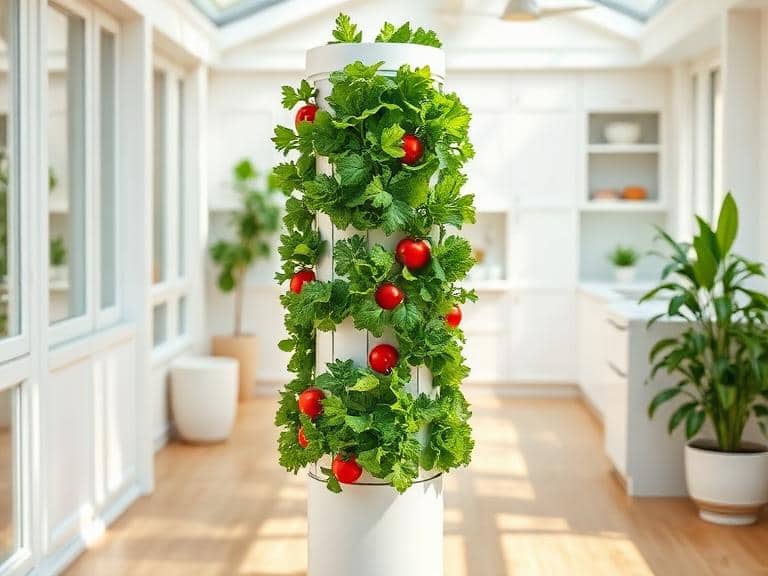
The rise of home gardening has transformed from a niche hobby into a mainstream lifestyle shift, driven by a desire for fresher produce and more sustainable living. Among the most recognizable solutions in this space is the Lettuce Grow Farmstand, a self-watering, self-fertilizing hydroponic system designed to make gardening accessible to those without traditional backyard space.
By utilizing a vertical design, the Farmstand promises to grow a wide variety of vegetables, fruits, and herbs using 95% less water than conventional soil-based methods. This modular system has gained significant traction for its aesthetic appeal and ease of use, but potential buyers often wonder if the harvest justifies the initial cost and ongoing maintenance requirements.
Hydroponic gardening eliminates the need for soil, instead delivering nutrients directly to plant roots via a water-based solution. The Lettuce Grow Farmstand simplifies this process further by automating the watering cycle, which is managed by a programmable timer. This approach effectively removes the guesswork often associated with overwatering or underwatering, two of the most common reasons for plant failure among beginners. Because the system is vertical, it maximizes the use of light and air circulation, allowing for high-density planting in a footprint of less than four square feet. Whether placed on a sunny balcony, a patio, or indoors with supplemental lighting, the system aims to provide a continuous “farm-to-table” experience year-round.
While the visual impact of a lush, green tower is undeniable, the practical realities of managing a Farmstand involve more than just plugging it in. Success requires a basic understanding of pH balancing, nutrient management, and the specific light requirements of different crops. In this comprehensive review, we examine the Lettuce Grow Farmstand alongside several leading competitors in the vertical gardening market to help you determine which system best aligns with your space, budget, and culinary goals. We will explore the nuances of the hardware, the quality of the proprietary seedlings, and the long-term value proposition for the average household.
Detailed Reviews of the Top Vertical Hydroponic Systems
To provide a clear picture of how the Lettuce Grow Farmstand stacks up against the competition, we have analyzed the most prominent systems currently available to consumers in the USA and Europe. Each of these products offers a unique take on the vertical garden, ranging from aeroponic towers to ebb-and-flow systems.
Lettuce Grow Farmstand
The Lettuce Grow Farmstand is a modular, BPA-free plastic tower that supports anywhere from 12 to 36 plants depending on the number of levels purchased. It is specifically designed to work with pre-started seedlings shipped directly to your door, which significantly reduces the time from setup to first harvest compared to starting from seed. The system is exceptionally user-friendly, featuring a sleek, circular aesthetic that fits well in modern outdoor or indoor spaces, provided you have the necessary Glow Rings for indoor use. Its primary strength lies in the robust ecosystem of pre-grown seedlings and the intuitive mobile app that guides users through every step of the growing cycle. While the initial investment is high, the build quality and customer support are top-tier. Some users may find the pump noise slightly disruptive if placed in a quiet indoor living area, and the cost of recurring seedling orders can add up over time. It is best suited for beginners who want a high success rate without the hassle of seed starting. The price for a 24-plant Farmstand is $548.00 as of March 2026.
Key Features:
- Modular design allowing for vertical expansion up to five levels.
- Automated water distribution system with a built-in submersible pump.
- Comprehensive mobile app for nutrient and pH maintenance tracking.
- Compatibility with specialized LED Glow Rings for indoor growing.
- Made from recycled ocean-bound plastic for improved sustainability.
Where to buy: Official Lettuce Grow website.
Gardyn Home Kit 4.0
The Gardyn Home Kit 4.0 is a sophisticated indoor hydroponic system that utilizes Hybriponic technology to grow 30 plants in a very small footprint. Unlike the Farmstand, the Gardyn includes integrated LED grow lights and built-in cameras that allow an AI assistant named Kelby to monitor plant health and provide real-time advice. It uses “yCubes,” which are small seed pods that plug directly into the tower, making the planting process extremely clean and simple. The integration of AI-driven sensors sets this system apart, as it can automatically adjust light and water schedules based on the specific needs of the plants currently growing. The aesthetic is very modern and minimalist, designed to look like a piece of living furniture rather than a piece of agricultural equipment. The main drawback is the reliance on a monthly subscription for the full suite of AI features, which may be a deterrent for some. The current price for the Gardyn Home Kit 4.0 is $899.00 as of March 2026.
Key Features:
- Dual high-spec LED grow lights integrated into the frame.
- AI-powered monitoring system with internal cameras and sensors.
- Plug-and-play seed pods for mess-free planting and harvesting.
- Large 6-gallon water reservoir for extended periods between refills.
- App-based control for remote management of lights and water.
Where to buy: Official Gardyn website or Amazon.
Juice Plus+ Tower Garden Home
The Tower Garden Home by Juice Plus+ is a veteran in the vertical gardening space, utilizing aeroponic technology to mist plant roots with a nutrient-rich solution. This system is slightly more industrial in its design compared to the Farmstand but offers incredible growth rates for leafy greens and herbs. It includes a built-in wheels base, making it easy to move the unit to follow the sun or clean the surrounding area. The aeroponic misting technology ensures that roots receive maximum oxygenation, which often results in faster growth cycles than traditional hydroponics. It is a highly durable system that can last for many years, but the assembly process is more involved than its competitors. It is an excellent choice for serious home gardeners who prioritize high yields and don’t mind a more utilitarian appearance. The price for the Tower Garden Home is $670.00 as of March 2026.
Key Features:
- Advanced aeroponic misting system for rapid plant maturation.
- Integrated wheels for easy mobility on flat surfaces.
- Large 13-gallon reservoir reduces the frequency of water top-offs.
- Includes a comprehensive starter kit with seeds and minerals.
- Highly durable, UV-stabilized, food-grade plastic construction.
Where to buy: Official Tower Garden website.
Rise Gardens Single Family Garden
Rise Gardens offers a furniture-grade indoor garden that looks like a high-end shelving unit, featuring a combination of metal and wood accents. This system is modular, allowing users to start with one level and add up to three, supporting a wide variety of plants from microgreens to large fruiting vegetables like tomatoes. The smart nutrient management system is a standout feature, as the app tells you exactly how much of each specific nutrient to add based on the growth stage of your plants. It provides a very “clean” gardening experience that blends seamlessly into a kitchen or dining room. While beautiful, it does require more regular cleaning of the trays to prevent algae growth compared to vertical towers. It is perfect for families who want a decorative yet highly productive indoor garden. The Rise Gardens Single Family Garden starts at $679.00 as of March 2026.
Key Features:
- Furniture-inspired design with high-quality wood and metal finishes.
- Self-contained LED lighting system optimized for all growth stages.
- App-controlled nutrient and water alerts for precision gardening.
- Nursery area for starting seeds before moving them to the main garden.
- Modular expansion options to increase growing capacity over time.
Where to buy: Official Rise Gardens website.
Nutritower
The Nutritower is a premium indoor vertical hydroponic system that features a central lighting column surrounded by a 24-pot gravity-fed watering system. Its design is striking, creating a 360-degree pillar of greenery that can serve as a focal point in any room. The centralized vertical lighting system ensures that every plant receives equal light intensity, which is often a challenge with side-mounted lights. This system is particularly effective for growing herbs and smaller greens, and its vertical orientation is extremely space-efficient. The Nutritower is built with a heavy-duty frame, making it one of the most stable and long-lasting units on the market. However, its height can make it difficult to manage in rooms with low ceilings. The Nutritower is currently priced at $1,295.00 as of March 2026.
Key Features:
- High-output T5 fluorescent or LED lighting integrated into the core.
- Gravity-fed hydration system that reduces pump workload and noise.
- Compact footprint of only 24 by 24 inches for tight spaces.
- Heavy-duty steel frame with a clean, powder-coated finish.
- Supports a wide variety of growing media, including clay pebbles.
Where to buy: Official Nutritower website.
AeroGarden Farm 24XL
The AeroGarden Farm 24XL is the largest offering from the well-known AeroGarden brand, featuring two separate 12-pod growing beds that can be adjusted independently. This allows you to grow tall plants like peppers or tomatoes on one side while keeping the lights low for herbs on the other. The electronically adjustable light panels provide up to 36 inches of growth height, which is significantly more than most countertop models. It features a large touchscreen control panel on the unit itself, providing quick access to light timers and nutrient reminders without needing a phone. It is a reliable, well-documented system with a massive community of users for troubleshooting and tips. The design is functional but more “appliance-like” than the furniture-inspired models. The AeroGarden Farm 24XL is priced at $799.00 as of March 2026.
Key Features:
- Dual 60W LED grow lights with independent height adjustment.
- Motorized light hoods for easy one-touch height changes.
- Integrated touchscreen control panel with Wi-Fi connectivity.
- Stackable design for those looking to create a vertical wall of gardens.
- Includes a trellis system to support heavy, fruiting plants.
Where to buy: Official AeroGarden website or major retailers like Target.
Click and Grow Wall Herb Garden
The Click and Grow Wall Herb Garden is designed for the “set it and forget it” enthusiast. It uses proprietary Smart Soil technology, which maintains the perfect balance of water, oxygen, and nutrients without the need for manual pH testing or nutrient mixing. This system is essentially a vertical stack of three of their popular Smart Garden 9 units, mounted on a sleek wooden frame. The Smart Soil technology is the main draw here, as it simplifies the complex chemistry of hydroponics into a simple pod replacement system. It is ideal for busy professionals or those who want the beauty of a green wall with the absolute minimum amount of maintenance. The yield is generally lower than the more active hydroponic systems, but the reliability is very high. The Wall Herb Garden is priced at $599.95 as of March 2026.
Key Features:
- No-maintenance Smart Soil pods that regulate their own nutrients.
- Professional-grade LED lights designed for fast growth and flavor.
- Sustainable birch wood frame that mounts securely to the wall.
- Low energy consumption and silent operation.
- Wide variety of over 75 different plant pods available.
Where to buy: Official Click and Grow website.
iHarvest by IGWorks
The iHarvest is an attractive, high-efficiency indoor garden that uses a “nutrient film technique” (NFT) to grow 30 plants at once. It is remarkably thin, designed to sit flush against a wall like a piece of art. The ultra-slim profile makes it one of the most space-efficient systems for apartments or narrow hallways. It includes high-quality full-spectrum LED lights that are designed to be aesthetically pleasing in a home environment, avoiding the harsh “blurple” light of some cheaper systems. The iHarvest is also very quiet, as the water flows in a thin film over the roots rather than splashing loudly. It is a very effective system for those who want to grow a significant amount of food without sacrificing floor space. The iHarvest is priced at $850.00 as of March 2026.
Key Features:
- Ultra-slim design with a depth of only 12 inches.
- High-performance LED lights with built-in timers.
- Supports a wide range of plants from leafy greens to cucumbers.
- Easy-to-clean design with accessible internal components.
- Energy-efficient pump and lighting system.
Where to buy: Official IGWorks website.
Farmstand Nook by Lettuce Grow
The Farmstand Nook is the smaller, indoor-specific sibling of the original Farmstand, designed to fit into tight corners and smaller apartments. It holds 20 plants and comes with integrated lighting, solving the problem of needing to buy separate Glow Rings for indoor use. The compact, all-in-one footprint is perfect for urban dwellers who want the Lettuce Grow experience but don’t have a balcony or a large living room. Like the original, it uses the company’s seedling subscription service, ensuring you always have a fresh rotation of crops. It maintains the same high-quality recycled plastic construction and intuitive app integration. For many, this is the most practical entry point into the Lettuce Grow ecosystem. The Farmstand Nook is priced at $649.00 as of March 2026.
Key Features:
- Built-in LED grow lights tailored for the Nook’s dimensions.
- Optimized for 20 plants, providing a significant harvest for its size.
- Small 2-foot diameter footprint fits in most corners.
- Quiet pump operation suitable for indoor environments.
- Easy assembly with no tools required.
Where to buy: Official Lettuce Grow website.
GreenStalk Vertical Planter (Soil-Based Alternative)
While not a hydroponic system, the GreenStalk Vertical Planter is the most popular soil-based competitor to the Farmstand and deserves a mention for those who prefer traditional gardening. It uses a patented internal watering system that distributes water from the top reservoir down to every tier simultaneously. This gravity-fed watering system ensures that plants at the bottom get just as much water as those at the top, preventing the uneven moisture levels common in vertical pots. It is significantly more affordable than hydroponic systems because it lacks pumps, lights, and electronics. However, it requires the purchase and hauling of potting soil, and the growth rates will be slower than hydroponic counterparts. It is an excellent choice for outdoor gardeners on a budget. The GreenStalk 5-Tier Leaf Planter is priced at $159.00 as of March 2026.
Key Features:
- Patented watering system for even moisture distribution.
- Holds up to 30 plants in a vertical column using potting soil.
- Made from high-quality, BPA-free, UV-resistant plastic.
- No electricity or plumbing required for operation.
- Available in multiple colors and tier configurations.
Where to buy: Official GreenStalk Garden website or Amazon.
Pricing Comparison and Value Analysis
When evaluating the cost of vertical gardening systems, it is essential to look beyond the initial purchase price and consider the long-term operational expenses. Systems like the Lettuce Grow Farmstand and the Gardyn Home Kit 4.0 fall into the mid-to-high price tier, ranging from $500 to $900. These systems provide a high level of automation and proprietary seedling or pod systems that ensure a high success rate for beginners. The value here lies in the “convenience fee”—you are paying for the engineering that prevents plant death and the logistics of having healthy seedlings delivered to your door. For many users, the time saved and the consistency of the harvest justify the premium.
On the higher end of the spectrum, units like the Nutritower and the iHarvest represent a more significant investment, often exceeding $800 to $1,200. These systems are typically constructed with more durable materials like steel or specialized plastics and offer more powerful, professional-grade lighting. They are designed for the “power user” who intends to grow a substantial portion of their own produce and wants a system that will last for a decade or more. While the upfront cost is daunting, the ability to use generic seeds and nutrients rather than proprietary pods can lead to lower operating costs over several years.
At the lower end, soil-based systems like the GreenStalk or smaller countertop hydroponics from AeroGarden offer an entry point for under $200. These are excellent for learning the basics, but they lack the yield capacity to significantly impact a household’s grocery bill. When comparing these products, consumers should also factor in electricity costs (for lights and pumps) and the price of nutrients and pH testing kits. Generally, a high-quality vertical system used year-round can pay for itself in produce savings within 18 to 24 months, depending on what you choose to grow—herbs and gourmet greens provide the fastest return on investment.
How to Choose the Right Vertical Garden
Selecting the best vertical garden requires an honest assessment of your available space and light. If you have a sunny balcony or patio that receives at least six hours of direct sunlight, an outdoor-optimized system like the original Lettuce Grow Farmstand or the Tower Garden is ideal. These units are built to withstand the elements and utilize the sun’s free energy. However, if you live in a climate with harsh winters or lack outdoor space, you must choose a system with integrated LED grow lights. Indoor gardening allows for year-round production but requires a dedicated corner with access to an electrical outlet.
Consider your level of gardening experience and how much time you want to spend on maintenance. Systems that use pre-started seedlings or “plug-and-play” pods are much easier for beginners because they skip the most difficult stage of a plant’s life: germination. If you enjoy the process of starting plants from seed and want to experiment with rare varieties, look for a system that allows you to use your own seeds and growing media. Furthermore, think about the specific types of plants you want to eat. Leafy greens, herbs, and strawberries thrive in almost any vertical system, but larger fruiting plants like tomatoes, peppers, and cucumbers require more “root space” and stronger light, which only the larger, more robust towers can provide.
Aesthetics play a surprisingly large role in the long-term enjoyment of an indoor garden. Since these units are often placed in living areas, they become a part of your home decor. A sleek, modern tower like the Gardyn or the wood-accented Rise Garden might be a better fit for a contemporary living room, while the more utilitarian look of a Tower Garden might be better suited for a sunroom or basement. Finally, check the noise levels of the pump. Most modern systems are designed to be quiet, but some aeroponic models have a noticeable “trickling” water sound that some people find relaxing and others find distracting.
Current Market Prices and Deals
As of early 2026, the market for home hydroponics remains competitive, with frequent promotions tied to seasonal gardening cycles. The Lettuce Grow Farmstand frequently offers “bundle deals” where purchasing a set of seedlings and nutrients alongside the hardware can save you between 10% and 15%. During major holiday sales like Black Friday or Earth Day, it is common to see discounts of up to $100 on the larger Farmstand models. It is also worth checking for “refurbished” or “open box” units on official websites, which can provide a significant discount while still carrying a full manufacturer’s warranty.
Other brands like Gardyn and AeroGarden often use subscription models to lower the initial entry price. For example, you might find a Gardyn unit at a lower upfront cost if you commit to a one-year membership for their AI service and monthly seed pod delivery. While this lowers the barrier to entry, be sure to calculate the total cost over the first year to ensure it fits your budget. For the best value, look for systems that include a “starter kit” with everything you need—nutrients, pH testing supplies, and initial seeds—so you don’t have to make multiple secondary purchases before you can even begin growing.
Pro Tips for Vertical Gardening Success
To maximize your harvest from a Lettuce Grow Farmstand or any vertical system, you must stay on top of your water chemistry. Even though these systems are automated, the pH level of your water will naturally drift over time as plants consume nutrients. Check your pH levels at least once a week and keep them between 5.5 and 6.5. If the pH is too high or too low, your plants will experience “nutrient lockout,” where they are unable to absorb the food they need even if the reservoir is full of nutrients.
Successive planting is the secret to a continuous harvest. Instead of planting every port in your tower at once, stagger your planting by a week or two. This ensures that you don’t end up with 24 heads of lettuce that all need to be eaten in the same five days. By the time you harvest the first few plants, the next ones will be almost ready, and you can immediately drop in new seedlings to keep the cycle going. This “rolling harvest” approach provides a steady supply of fresh greens throughout the month.
Airflow is your best friend when gardening indoors. Stagnant air can lead to problems like powdery mildew or pest infestations like spider mites. If your garden is in a corner or a confined space, set up a small oscillating fan to blow a gentle breeze over the plants for a few hours a day. This not only prevents disease but also strengthens the stems of your plants, making them sturdier and more productive. Additionally, always prune away yellowing or dead leaves immediately to keep the system clean and prevent the spread of pathogens.
Regular cleaning of the reservoir and pump is non-negotiable for long-term health. Every three to four months, you should do a “flush and reset” where you drain the entire system, wipe down the inside of the reservoir to remove any biofilm or algae, and refill it with fresh water and nutrients. This prevents the buildup of mineral salts that can clog the pump or cause nutrient imbalances. It might take an hour of work, but it will significantly extend the life of your hardware and improve the flavor of your produce.
Frequently Asked Questions
How much electricity does a Lettuce Grow Farmstand use?
The electricity consumption of a Farmstand is surprisingly low. The water pump typically runs for only a few minutes every hour and consumes about as much energy as a small aquarium pump. If you are using the system outdoors, the electricity cost is usually less than $2.00 per month. If you are growing indoors with the Glow Rings LED lights, the consumption increases significantly, adding approximately $10.00 to $15.00 to your monthly utility bill depending on your local rates and how many hours a day the lights are active.
Can I grow root vegetables like carrots or potatoes in a vertical garden?
Generally, vertical hydroponic systems like the Farmstand are not suitable for root vegetables. Carrots, potatoes, and onions require soil or a deep growing medium to develop their edible portions. These systems are optimized for plants that grow above the “soil” line, such as leafy greens, herbs, strawberries, peppers, and tomatoes. If you are determined to grow root crops vertically, a soil-based system like the GreenStalk is a much better choice because each tier provides enough depth for root development.
Is the water pump in the Farmstand loud?
The pump itself is very quiet, making a low hum that is barely audible from a few feet away. However, the sound of water trickling down through the levels can be heard. Most people find this sound pleasant, similar to a decorative water fountain. If you find it distracting, placing the system on a rubber mat can reduce vibration, and ensuring the reservoir is full will minimize the “splashing” sound as water returns to the base.
Do I have to use the Lettuce Grow seedlings, or can I grow from my own seeds?
While Lettuce Grow encourages using their pre-started seedlings for the best results, you are not strictly required to do so. You can grow your own seedlings in rockwool or coco coir plugs and then insert them into the Farmstand ports once they have established a healthy root system. This is a more cost-effective way to use the system and allows you to grow varieties that Lettuce Grow doesn’t offer, though it does require more effort and a separate nursery space to start the seeds.
How often do I need to add water and nutrients?
For a standard 24-plant Farmstand, you will typically need to “top off” the water once a week. In the height of summer or as your plants become very large and thirsty, you may need to do this twice a week. Nutrients are generally added every time you add a significant amount of water to maintain the correct concentration. Using the Lettuce Grow app helps you track exactly how much of their A and B nutrient formulas to add based on your current water level.
Is the plastic used in these systems safe for food?
Yes, reputable vertical gardening systems like the ones reviewed here use food-grade, BPA-free plastics. The Lettuce Grow Farmstand specifically uses BPA-free, FDA-food grade, and CA Prop 65 compliant recycled plastic. This ensures that no harmful chemicals leach into the water or the plants. Additionally, the plastics are UV-stabilized, meaning they won’t break down or become brittle when exposed to direct sunlight over several years of outdoor use.
What happens if the power goes out?
In a hydroponic system, the plants rely on the pump to deliver water to their roots. If the power goes out, the roots will eventually dry out. However, most vertical systems retain enough moisture in the growing medium (like rockwool) to keep plants healthy for 12 to 24 hours without power. If you anticipate a longer outage, you can manually pour water into the top of the tower a few times a day to keep the roots hydrated until the power is restored.
Conclusion
The Lettuce Grow Farmstand and its competitors represent a significant leap forward in making home food production a reality for urban and suburban dwellers. By automating the most difficult aspects of gardening—watering and feeding—these systems allow anyone to enjoy the taste and nutritional benefits of truly fresh produce. The Farmstand, in particular, excels at providing a seamless, beginner-friendly experience through its modular design and high-quality seedling service. It strikes a balance between aesthetic beauty and functional productivity that is hard to beat for those who want a garden that looks as good as it performs.
Ultimately, the “best” system depends on your specific environment and how much “hands-on” time you want to invest. If you crave a high-tech, indoor experience with AI monitoring, the Gardyn is a formidable choice. If you are looking for the fastest growth rates possible and have the space for a slightly more industrial unit, the Tower Garden remains a gold standard. For those on a budget or who prefer the tradition of soil, the GreenStalk offers an incredible amount of growing space for a fraction of the cost. Regardless of which system you choose, the shift toward growing your own food is a rewarding journey that offers benefits far beyond the harvest.
Investing in a vertical garden is more than just a purchase; it is a commitment to a more sustainable and health-conscious lifestyle. While the initial costs can be high, the reduction in food waste, the elimination of plastic packaging from store-bought greens, and the sheer joy of picking your own dinner make these systems a valuable addition to the modern home. As technology continues to improve and more people embrace home cultivation, the “living wall” may soon become as common in kitchens as the microwave or the refrigerator.