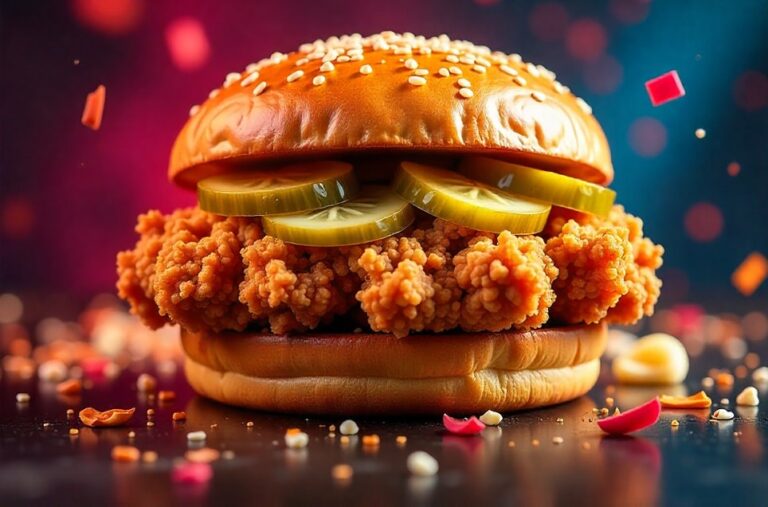
The culinary landscape of American fast food has been irrevocably altered by what journalists and consumers alike have dubbed the “Chicken Sandwich Wars.” This intense competitive surge began in earnest with the viral success of a Louisiana-based chain’s offering, forcing every major quick-service restaurant (QSR) brand to re-evaluate and often reinvent their poultry portfolio. For Jack in the Box, a chain known for its diverse and often irreverent menu, the response was the introduction of the Cluck Sandwich, a deliberate and strategic attempt to capture a share of this hyper-profitable market segment. Launched to compete directly with the industry leaders, the Cluck Sandwich was designed to signal Jack in the Box’s serious commitment to the crispy chicken craze, moving beyond their legacy offerings to present a contemporary, highly marketable product.
However, the launch of the Cluck Sandwich was not merely a standalone product introduction; it was a pivot that placed the brand directly into the highest-stakes QSR battleground. The core challenge for Jack in the Box was twofold: first, to produce a sandwich that was genuinely competitive in terms of size, crunch, and flavor against established giants; and second, to manage the complex consumer sentiment surrounding their existing and much-beloved chicken items, particularly the iconic Jack’s Spicy Chicken Sandwich. The subsequent years have seen the Cluck line expand, with temporary variations like the recent Midnight Chicken Sandwich, illustrating an ongoing commitment to innovation and seasonal relevance within the fiercely competitive category.
This comprehensive report delves into the execution and reception of Jack in the Box’s modern chicken offerings. It scrutinizes the Cluck Sandwich’s composition, analyzes its nutritional profile, compares its performance against market rivals, and explores the significant customer controversy generated by concurrent changes to the brand’s legacy spicy chicken formula. Understanding the ‘Cluck’ phenomenon requires dissecting not just the sandwich itself, but the broader operational and strategic decisions that have positioned Jack in the Box within this new era of fast-food chicken dominance.
The Cluck Sandwich: Anatomy of Jack’s Modern Contender
The Cluck Sandwich was conceived as Jack in the Box’s definitive answer to the call for a premium, crispy chicken sandwich that matched the elevated standards set by its competitors. The philosophy behind the Cluck was simple: combine high-quality components with a focus on texture and proprietary flavor. The star of the show is the 100% all-white meat crispy chicken fillet, distinguished by its thick cut and aggressive, flaky breading designed to maximize crunchiness. This attention to the chicken piece itself is critical, as consumers in the modern chicken wars prioritize the size and substance of the primary protein.
The supporting cast for the Cluck Sandwich is equally important to its identity. The chicken is nestled between a toasted signature brioche bun, a key indicator of the QSR industry’s shift towards more artisanal, softer bread vehicles. The use of brioche moves the sandwich away from the traditional sesame seed buns of yesteryear, aiming for a richer flavor and a pillowy texture that contrasts effectively with the crispiness of the fillet. The sandwich is completed with a layer of Jack’s Good Good Sauce and thick-cut crunchy pickles. The Good Good Sauce is a proprietary creamy dressing, often described as a slightly sweet and tangy mayonnaise-based spread, serving as the essential binding agent and flavor enhancer that cuts through the richness of the fried chicken.
Core Ingredients and Flavor Design
The flavor profile of the Cluck Sandwich is designed to hit several key points simultaneously: salinity, acidity, crunch, and richness. The crunchy pickles are not merely a garnish; their inclusion provides the necessary sharp acidity to balance the fatty richness of the fried chicken and the creamy sauce. This combination—a thick, crispy fillet, sweet brioche, tangy sauce, and sour pickles—creates a multi-dimensional eating experience that attempts to satisfy the modern chicken sandwich connoisseur. Its design is a clear reflection of the market’s current best practices, heavily influenced by the success of earlier entrants that perfected this exact balance.
The decision to use an all-white meat fillet is also a strategic choice focused on mass appeal and perceived quality, ensuring a tender bite throughout, though execution can vary. When prepared correctly, the Cluck offers a substantial bite that is both satisfyingly crispy on the exterior and moist on the interior, fulfilling the basic promise of the category. However, as noted in numerous consumer reviews, consistency in the frying process and fillet size remains a critical operational factor that often dictates the final quality of the sandwich received by the customer.
Nutritional Profile and Calorie Breakdown
As a fast-food staple in the highly competitive fried chicken category, the Cluck Sandwich carries a notable nutritional footprint, which is a key consideration for many health-conscious consumers. According to verified information released by Jack in the Box and reflected on independent nutritional tracking sites, the standard Cluck Sandwich contains approximately 700 to 740 calories. This places it squarely in the middle to upper end of fast-food sandwich offerings.
A closer look at the macronutrient breakdown reveals the following key data points for the standard Cluck Sandwich (approximately 229-248 grams):
- Total Fat: Around 37–40 grams. This high fat content, contributing over half of the total calories, is primarily driven by the deep-fried chicken fillet and the liberal application of Jack’s Good Good Sauce. This is a common characteristic of premium crispy chicken sandwiches across the QSR industry.
- Sodium: Approximately 1,610–1,770 milligrams. This is a significant portion of the recommended daily intake (typically 2,300 mg), driven by the seasoning in the chicken breading, the sauce, and the pickles. High sodium is a key factor in the sandwich’s savory flavor profile.
- Total Carbohydrates: Roughly 65–68 grams. The majority of the carbohydrates come from the signature brioche bun and the breading of the chicken fillet. The high carbohydrate count is typical for fast-food sandwiches utilizing premium, large buns.
- Protein: Around 28–32 grams. The all-white meat chicken fillet provides a substantial amount of protein, making it a satiating meal option. This protein count is competitive compared to other major fast-food chicken sandwiches.
- Saturated Fat and Cholesterol: Saturated fat typically rests around 6 grams, and cholesterol near 45–60 mg. These figures are important considerations for consumers monitoring cardiovascular health, though they are generally comparable to competing fried products.
The nutritional information clearly positions the Cluck Sandwich as an indulgent, high-calorie, and high-sodium choice, fitting the profile of the QSR industry’s response to the chicken sandwich wars where flavor and richness often take precedence over lean nutrition.
The Shadow of the Past: Dissecting the Jack’s Spicy Chicken Sandwich Controversy
While the Cluck Sandwich represented Jack in the Box’s future, its introduction coincided with changes to one of the chain’s most steadfast and beloved items: the Jack’s Spicy Chicken Sandwich. This legacy sandwich, which featured a spicy, rectangular patty and often appeared on a standard sesame seed bun, was a staple for loyal customers for decades. However, concurrent with the broader industry drive for “premiumization”—and likely to differentiate the new Cluck line—Jack in the Box appears to have adjusted the recipe and/or sourcing for their long-standing spicy offering.
The consumer reaction to these changes has been palpable, particularly across online forums and social media platforms where long-time fans expressed significant disappointment. The overwhelming sentiment, as evidenced in numerous reviews and public comments, is that the quality of the spicy chicken fillet has deteriorated. Reports cite the updated patty as being “tough,” “dry,” and possessing an “off taste,” with some loyalists even describing the experience as eating “leather.” The texture is frequently criticized as being stringy or inconsistent, a stark contrast to the juicy, well-seasoned chicken that customers remembered and cherished.
The Original Legacy vs. The Recipe Update
The original Jack’s Spicy Chicken Sandwich held a specific, almost cult-like status among QSR patrons. It was renowned for its reliable spiciness, affordability, and consistent quality. When the chain made moves to elevate their chicken offerings, the strategic decision seemed to prioritize the Cluck—with its brioche bun and thicker, whole-breast-like fillet—over maintaining the integrity of the legacy item. This led to speculation that the older patty was either downgraded in quality, changed in cooking procedure, or substituted with a lower-cost supplier to manage the complexity of running multiple chicken lines.
Furthermore, the accompanying elements often changed. Some fans noted that the use of a brioche-style bun was being subtly introduced to the older spicy chicken, replacing the classic sesame bun. While brioche is generally considered an upgrade, its use on the legacy sandwich alienated those who specifically preferred the straightforward, classic composition of the original. This shift illustrates a common peril in the fast-food industry: when chasing new market trends, established brands risk alienating the dedicated core customer base that built their success in the first place.
Customer Loyalty and Backlash
The resulting customer backlash underscores the importance of quality consistency and brand loyalty in the fast-food sector. For many patrons, the Jack’s Spicy Chicken Sandwich was a reliable, cheap “go-to” item, an anchor in the menu. When its quality was perceived to drop, customers felt betrayed, viewing the change as a cynical attempt to prioritize potential new customers—attracted by the premium Cluck—at the expense of loyal, long-time fans.
This situation is a text-book example of how product updates, even when part of a larger strategic shift, must be carefully managed. The vocal complaints centered on the perception that the brand was sacrificing quality on its existing items to fund or promote the new one. The irony for Jack in the Box is that many of the same customers who criticize the revised spicy sandwich often rank the Cluck line’s spicy variations highly, suggesting that the issue is not with the concept of a premium spicy sandwich, but specifically with the quality degradation of the traditional offering.
Into the Fray: The Cluck Sandwich vs. The Competition
The true measure of the Cluck Sandwich’s success is its ability to perform against the industry heavyweights: the Popeyes Chicken Sandwich and the Chick-fil-A Chicken Sandwich. These two products define the benchmarks for the crispy chicken category, representing the standards for size, flavor, and consistency that all contenders, including Jack in the Box, must strive to meet or exceed. The fast-food marketplace views this competition as a zero-sum game, where market share is won or lost on the marginal difference in customer satisfaction.
The search query analysis reveals that “Jack in the Box Cluck Sandwich vs Popeyes” is a highly active long-tail keyword, confirming that consumers actively use this competitive lens when making dining choices. This comparison is not just about taste; it encompasses everything from the physical dimensions of the sandwich to the perceived value for the price paid.
Showdown with Popeyes and Chick-fil-A
In a direct comparison, the Cluck Sandwich generally holds its own but faces specific criticisms in relation to its two primary rivals. Against the Popeyes Chicken Sandwich, which is widely regarded as the catalyst for the Chicken Wars, the battle often comes down to texture and sauce. Popeyes is famous for its thick, craggy, hand-battered appearance and spicy mayonnaise. Reviewers often find the Cluck’s chicken fillet to be slightly more uniform and less overtly “hand-battered” than Popeyes’, though its brioche bun is often praised for being softer. The Good Good Sauce, while flavorful, is usually considered less distinctive than the proprietary sauces offered by competitors.
Against the Chick-fil-A Chicken Sandwich, the comparison is starker due to Chick-fil-A’s dedication to a pressure-cooked, briny chicken breast fillet and their signature bun. The Cluck, being fried, is inherently richer and crispier, offering a fundamentally different experience. Where Chick-fil-A focuses on simplicity and quality ingredients (often just chicken, bun, and pickles), the Cluck goes for complexity (sauce, brioche, heavy breading). The key difference, however, often lies in consistency. Chick-fil-A is renowned for its operational excellence, delivering a near-identical product every time, while Jack in the Box locations often suffer from inconsistency, leading to reviews where the Cluck is sometimes hailed as superior, and sometimes dismissed as dry or small.
Value Proposition: Price, Size, and Market Positioning
Pricing is a crucial battleground. The search results indicated that the Cluck Sandwich, when initially launched, was priced competitively, often around the $6.00 to $7.00 mark, placing it at or slightly above the prices of its key rivals in some markets. This pricing strategy reflects Jack in the Box’s decision to position the Cluck as a premium offering, moving away from the lower-cost model of their older sandwiches.
However, consumer sentiment suggests that for a higher price, the product needs to consistently justify the premium. When reviews label the Cluck as “tiny compared to Popeyes or Chick-fil-A,” or when the chicken is dry, the value proposition crumbles. Customers are willing to pay more for a superior product, but they are unforgiving of inconsistency. Jack in the Box must use its extensive operating hours and diverse menu as its unique advantage, appealing to customers looking for a high-quality chicken sandwich at non-traditional hours, though even this advantage is often undercut by the perceived variability in quality.
The Limited-Time Strategy: Innovation and the Midnight Chicken Sandwich
Beyond the permanent Cluck line, Jack in the Box actively engages in the strategy of introducing Limited-Time Offerings (LTOs), a common tactic in the QSR sector to drive short-term traffic and generate buzz. These temporary additions allow the brand to experiment with unique flavor profiles, capitalize on seasonal or cultural trends, and gauge consumer interest without permanently altering the core menu.
A recent and highly publicized example is the Midnight Chicken Sandwich, which appeared in late 2025. This LTO was strategically tied to a popular movie promotion, designed to appeal to both nostalgia and the chain’s late-night customer demographic. The Midnight Sandwich featured a Crispy 100% All-White Meat Spicy Chicken Fillet, thick-cut crunchy pickles, and a proprietary Midnight Sauce, all served on a toasted brioche bun. At around 680 calories, it offered a slightly spicier and more unique flavor alternative to the standard Cluck.
Analyzing the Midnight Sauce and Promotional Strategy
The primary draw of the Midnight Chicken Sandwich was the mysterious and heavily promoted Midnight Sauce. This dark, often black or deep-purple hued sauce was the defining element, intended to evoke a sense of late-night indulgence and thematic connection to the promotion. Flavor-wise, these types of sauces are typically savory, smoky, and slightly sweet, designed to create a complex and memorable taste that stands out from standard mayonnaise or BBQ sauces. The use of a spicy chicken fillet as the base—rather than the regular Cluck fillet—shows a responsiveness to the ongoing consumer desire for spicy options.
The LTO strategy works by creating artificial scarcity and novelty. Customers feel compelled to try the product before it disappears, generating immediate sales spikes. For Jack in the Box, the Midnight Sandwich serves two purposes: it reinforces their commitment to the premium chicken category, and it leverages their identity as a late-night destination, linking the new product directly to their operational advantage.
The Role of LTOs in the Fast-Food Landscape
LTOs are more than just marketing gimmicks; they are essential tools for maintaining brand relevance and testing innovation. In the context of the Chicken Sandwich Wars, LTOs allow Jack in the Box to continually iterate on the successful Cluck platform. By introducing new sauces, toppings (like the Midnight Sauce), or different preparations (like the past Grilled Chicken Sandwich LTO), the brand keeps the overall chicken conversation fresh and dynamic. This prevents menu fatigue and allows them to respond quickly to new flavor trends adopted by competitors.
However, the rapid cycle of LTOs also contributes to the operational challenges. Each new product requires staff training, ingredient sourcing, and inventory management, all of which can strain kitchen operations and potentially affect the quality and consistency of the core menu items, including the permanent Cluck and the legacy spicy chicken. Managing this operational complexity while maintaining quality across all menu boards is perhaps the single biggest challenge facing Jack in the Box in its pursuit of chicken sandwich excellence.
Business and Market Impact: What the Cluck Means for Jack in the Box
The introduction of the Cluck Sandwich was a necessity for Jack in the Box, representing a crucial competitive response rather than a speculative venture. The Chicken Sandwich Wars have fundamentally changed the QSR market, making a high-quality fried chicken sandwich a prerequisite for serious players. Failing to offer a competitive product risked making the entire Jack in the Box menu feel outdated and irrelevant in a landscape increasingly defined by crispy chicken.
For the company’s bottom line, success in this category translates directly into increased market share and higher average ticket prices, as the Cluck is positioned as a higher-priced, premium item compared to budget options like the two tacos or the standard junior chicken sandwich. The long-term business strategy relies on the Cluck line’s ability to drive new customer visits, convincing consumers who might otherwise choose Popeyes or Chick-fil-A to pull into a Jack in the Box drive-thru. While specific, recent sales figures for the Cluck Sandwich are proprietary, industry analysis suggests that the overall QSR fried chicken category continues to grow, and Jack in the Box’s participation ensures they are benefiting from this rising tide.
Operational Challenges: Consistency and Quality Control
As noted extensively in customer feedback, the Achilles’ heel for Jack in the Box’s chicken strategy is quality consistency. The fast-food dining experience is predicated on the expectation of receiving the same product regardless of location or time of day. When reviews frequently cite sandwiches being “dry,” “small,” or simply “trash,” it points to systemic issues within the operational structure, particularly concerning cooking times, holding temperatures, and portion control.
For a fried product like the Cluck, the freshness of the oil and the precise timing of the frying process are paramount to achieving the desired crispy exterior and juicy interior. In high-volume or late-night operations, deviations from these standards are common, leading to the highly variable customer experience described in the search results. Addressing this challenge requires significant investment in staff training, better quality control measures at the franchise level, and possibly more advanced cooking technology to minimize human error. Without rock-solid consistency, even a brilliantly designed sandwich cannot sustain a long-term premium market position.
The impact of this inconsistency extends beyond the Cluck itself. The negative perception surrounding the quality decline of the legacy Jack’s Spicy Chicken Sandwich demonstrates a clear breakdown in maintaining standards for all chicken products. The message is clear: consumers hold Jack in the Box to the same high quality standards as they do its competitors, and operational flaws in one menu segment can damage brand perception across the board.
The Future of the Jack in the Box Chicken Portfolio
The immediate future for Jack in the Box in the Chicken Sandwich Wars likely involves further differentiation and aggressive LTO scheduling. We can expect to see new flavors of the Cluck—perhaps leveraging regional tastes or bold, non-traditional condiments—to continue generating media coverage and customer interest. Furthermore, given the highly polarized reaction to the Cluck and the changes to the Jack’s Spicy Chicken Sandwich, the company may eventually be forced to address the dual nature of its chicken menu. This could involve a complete redesign or retirement of the older spicy chicken, or conversely, a renewed effort to restore its original quality to appease the highly vocal contingent of loyal customers.
The key metric for long-term success will not be the initial hype of a new LTO, but the sustained, organic sales growth of the core Cluck Sandwich line. This depends entirely on the brand’s ability to resolve the pervasive issues of inconsistency and quality control, ensuring that the 700-calorie indulgence promised in the marketing meets the expectation of a premium, juicy, and crispy sandwich every time, at every location.
The Chicken Sandwich Wars have permanently raised the baseline expectation for all fast-food offerings, and Jack in the Box has responded with a competitive, albeit complex, strategy centered on the Cluck Sandwich and its variations. This pivot was essential for survival in the current market and demonstrates a willingness to innovate and invest in the premium category. The Cluck itself, featuring a thick, white-meat fillet, brioche bun, and proprietary sauce, is a strong contender, capable of achieving peak performance when executed flawlessly. However, the dual challenges of resolving significant quality inconsistency across the franchise system and managing the backlash from loyal customers over the perceived decline of the legacy Jack’s Spicy Chicken Sandwich are critical obstacles.
To truly establish dominance, Jack in the Box must transition from relying on LTO novelty to ensuring reliable, exceptional quality in its core Cluck offering, matching the operational excellence demonstrated by its rivals. The brand’s identity as a diverse, late-night favorite is a powerful asset, but it can only be leveraged successfully if the food itself—particularly the high-stakes, high-visibility chicken sandwich—delivers a consistently premium experience. The Cluck Sandwich is the company’s vehicle into the modern QSR landscape, but its ultimate success depends on the brand’s ability to address internal quality control issues that currently undermine the product’s maximum potential.