Colon Cleansing and Natural Detox
In the expansive world of wellness and alternative health, few practices are as persistently popular or as fiercely debated as colon cleansing and internal “detoxification.” Promoters of these regimens claim they can remove accumulated toxins, revitalize energy, aid in significant weight loss, and even boost the immune system by washing away purported years of waste buildup in the large intestine. The procedures and products range from simple over-the-counter herbal teas and supplements to more invasive, practitioner-administered treatments like colonic irrigation, or hydrotherapy. Despite the widespread marketing, the core claims behind colon cleansing—that the body is perpetually poisoned by its own retained waste and needs external purging—are rooted in the debunked 19th-century theory of “autointoxication.” This comprehensive report aims to examine the historical context, dissect the current methodologies, and, most importantly, scrutinize the scientific literature regarding the alleged benefits against the verifiable, medically documented risks.
The quest for internal purification is far from a modern trend. Historical accounts trace practices akin to colon cleansing back thousands of years. The ancient Egyptians, as documented in the Ebers Papyrus around 1500 B.C., used enemas and laxatives to address various health conditions. The Greeks, including Hippocrates, also referred to using enemas for health maintenance, believing that certain diseases originated in the gut. By the 17th century in Europe, particularly in France, the practice of clysters (enemas) had reached a fever pitch, becoming an almost daily routine for some royalty and wealthy citizens. This enthusiasm, however, eventually waned as modern medicine advanced, until a resurgence in the early 20th century, largely championed by figures like Dr. John Harvey Kellogg, who used diet, exercise, and colon therapy extensively on his patients. While the historical context confirms the practice’s longevity, it does not confirm its efficacy. The true test lies in contemporary, peer-reviewed medical and scientific analysis.
The Body’s Natural Detoxification System: An Internal Framework
The foundational premise of colon cleansing—that the colon is prone to toxic buildup that poisons the rest of the body—misrepresents the sophisticated and highly efficient natural detoxification systems already in place within the human body. The liver, kidneys, lungs, skin, and the gastrointestinal tract itself are the primary organs responsible for neutralizing and eliminating waste and toxins.
- The Liver: This organ is the body’s primary chemical processing plant. It takes metabolic byproducts (endotoxins) and foreign substances (exotoxins) and neutralizes or converts them into less harmful, water-soluble compounds. These compounds are then either sent back into the bloodstream to be filtered by the kidneys or excreted with bile into the small intestine. The liver is an incredibly resilient organ, designed to handle virtually all toxins the body encounters, as long as it is healthy.
- The Kidneys: As the master filters, the kidneys continuously filter the blood, removing water-soluble waste products, which the liver has prepared, along with excess fluids. This waste is concentrated and expelled as urine. A healthy kidney function is critical for maintaining fluid and electrolyte balance, a balance that can be severely disrupted by aggressive cleansing.
- The Colon (Large Intestine): The colon’s main roles are to absorb remaining water and electrolytes and to compact and store stool before elimination. It is lined with mucus to protect its walls and is home to a vast, complex ecosystem of trillions of bacteria known as the gut microbiome. This microbiome is essential for proper digestion, producing important vitamins (like Vitamin K), and training the immune system. The healthy colon is not a repository for decades of decaying sludge; it is an active, self-regulating organ that sheds its lining every few days and propels waste through regular muscular contractions (peristalsis).
There is no medical or scientific evidence to support the notion that a healthy colon fails to eliminate waste or that toxins are reabsorbed back into the body from retained fecal matter. The only instance when a medical professional intentionally cleanses the colon is during bowel preparation for a colonoscopy or surgery, a procedure done with prescription-grade solutions under medical supervision for diagnostic or surgical necessity, not for “detoxification.”
Types of Colon Cleansing Methods and Their Mechanisms
Colon cleansing is generally achieved through one of two main approaches, each utilizing different mechanisms to flush the large intestine.
Oral Cleansing Supplements and Protocols
This category includes a vast array of over-the-counter products marketed as “natural detox kits” or “internal cleansers.” They typically rely on the following components:
- Herbal Stimulants and Laxatives: Many cleanses contain ingredients like cascara sagrada, senna, or aloe vera, which are stimulant laxatives. These work by irritating the lining of the colon, forcing a contraction (peristalsis) that leads to a bowel movement. While effective at producing an evacuation, regular or long-term use can lead to dependency, known as “lazy bowel syndrome,” where the colon becomes reliant on the stimulant to function.
- Fiber Supplements: Products containing psyllium husk, bentonite clay, or other soluble and insoluble fibers are used to “bulk up” the stool. Proponents claim this bulk sweeps away toxins and “sludge” from the colon walls. While fiber is a crucial component of a healthy diet, necessary for regular bowel movements and feeding beneficial gut bacteria, using concentrated fiber supplements alone without adequate hydration can cause blockage or severe constipation.
- Saltwater Flushes and Juices: Some popular protocols, such as saltwater flushes or extended juice fasts, rely on high liquid and mineral content to induce rapid bowel movements. For instance, a saltwater flush uses unrefined salt mixed with water, leveraging the principle of osmosis to draw large amounts of water into the colon, forcing a near-immediate, watery evacuation. Juice cleanses, meanwhile, are extremely restrictive and are often promoted to rest the digestive system, though they often lack the necessary fiber for actual gut health.
Colonic Hydrotherapy (Colonic Irrigation)
Colonic hydrotherapy, or a “colonic,” is a more invasive procedure performed by a non-medical practitioner, often called a colon hygienist or hydrotherapist, typically in a spa or alternative health clinic setting. The process is similar to a high-volume enema but involves significantly more fluid.
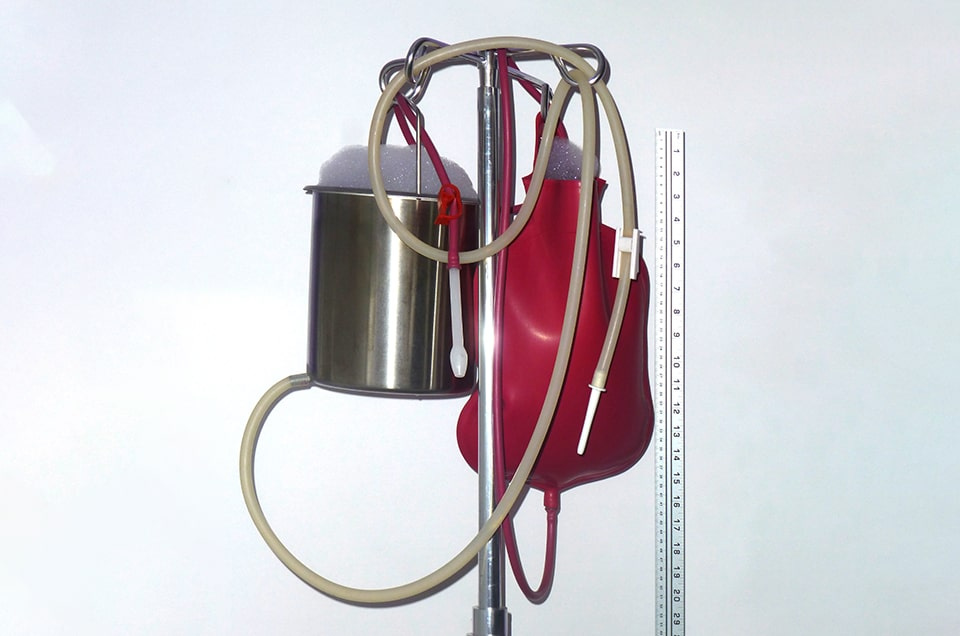
During the procedure, the patient lies on a table while a tube is inserted into the rectum. A low-pressure pump or a gravity-fed system delivers a large volume of water—sometimes up to 16 gallons—into the colon. The water may sometimes be mixed with additives like coffee, enzymes, or herbs, which are claimed to enhance the cleansing effect. The fluid is then expelled, along with fecal matter, through a separate tube. The practitioner may perform abdominal massage during the process to facilitate the movement of the fluid and waste. The fundamental mechanism is simply a mechanical flushing, which temporarily removes the contents of the large intestine.
The Health Claims Versus Scientific Scrutiny
The popularity of colon cleansing is built on a series of anecdotal claims that, when subjected to rigorous medical scrutiny, consistently fail to hold up. Major health organizations, including the National Institute of Diabetes and Digestive and Kidney Diseases (NIDDK) and the Mayo Clinic, have repeatedly stated there is no reliable scientific evidence to support the use of colon cleansing for general health improvement or “detoxification.”
Claim: Removal of Toxins and Waste
This is the central pillar of the detox claim. Proponents assert that waste and mucus adhere to the colon walls for years, allowing toxins to be reabsorbed and cause systemic illness. The scientific fact is that the colon’s mucosal lining is protective and constantly being shed, preventing the long-term adherence of waste. Any substance the body identifies as toxic is managed and neutralized by the liver and kidneys, not trapped in the colon waiting for a flush. When a colonic is performed, the eliminated material is simply recent fecal matter and the contents of the large intestine, not ancient, petrified “sludge” as often visually implied by practitioners.
Claim: Weight Loss and Metabolism Boost
Initial weight loss reported after a colon cleanse is nearly always due to the expulsion of large volumes of water, stool, and fluid, as the procedure can eliminate several pounds of intestinal contents. This is a temporary, non-fat-related loss, and the weight will be regained as soon as the patient eats and drinks normally. There is no evidence that colon cleansing fundamentally alters or “boosts” a person’s long-term metabolism or leads to sustainable weight reduction.
Claim: Increased Energy and Immune System Enhancement
The subjective feeling of increased energy often reported after a cleanse can be attributed to the placebo effect, the short-term impact of extreme dietary changes (like eliminating processed foods and sugar), or the temporary lightness felt from the fluid evacuation. From an immunological standpoint, colon cleansing can actually be detrimental. The vast majority of the body’s immune cells reside in the gut-associated lymphoid tissue, and the beneficial bacteria (probiotics) in the colon play a critical role in training and supporting the immune system. Flushing the colon aggressively removes both beneficial and non-beneficial bacteria, severely disrupting the delicate balance of the gut microbiome, which can impair overall immune function rather than enhance it.
Documented Health Risks and Side Effects
While the benefits of colon cleansing are unproven, the risks and potential harms are well-documented by medical professionals and public health agencies. These risks range from moderate side effects to severe, life-threatening complications, especially when procedures are performed in unregulated settings or by unqualified personnel.
Acute and Common Risks
The immediate and most frequent side effects are gastrointestinal distress and fluid-related imbalances:
- Dehydration and Electrolyte Imbalance: This is arguably the most dangerous common risk. The colon’s primary role is water and electrolyte absorption. Flushing the colon with large volumes of fluid, especially repeatedly, rapidly eliminates essential minerals like sodium and potassium. Electrolyte imbalance can lead to symptoms ranging from dizziness, vomiting, and lightheadedness to severe, life-threatening conditions like cardiac arrhythmia, kidney failure, and acute renal impairment. This risk is amplified for individuals with existing heart or kidney conditions, or those taking medications that affect electrolyte levels.
- Disruption of the Gut Microbiome: The procedure indiscriminately washes away the complex, beneficial microbial community of the colon, which is crucial for nutrient absorption, immune system function, and overall gut health. This disruption can lead to an overgrowth of harmful bacteria, causing long-term digestive issues, weakened immunity, and an imbalance that is difficult to restore quickly.
- Gastrointestinal Distress: Symptoms like nausea, vomiting, abdominal cramping, bloating, and severe diarrhea are common during and after colon cleansing. The chemical irritation from herbal laxatives can also lead to long-term dependency and functional damage to the colon’s muscular walls.
Severe and Life-Threatening Complications
Invasive colonic hydrotherapy, particularly when administered incorrectly or with non-sterile equipment, carries serious risks:
- Bowel Perforation: The forceful insertion of a rectal tube or the use of excessive water pressure can cause a tear or rupture (perforation) in the wall of the rectum or colon. This is a medical emergency that requires immediate surgery and can be fatal if not treated quickly, as it allows fecal matter and bacteria to leak into the abdominal cavity, causing peritonitis and sepsis.
- Infection and Contamination: Cases of serious bacterial infections have been linked to improperly sterilized hydrotherapy equipment. The use of contaminated tap water or unsterile additives in the irrigation fluid poses a significant risk of transmitting infectious agents, including amebiasis and other dangerous pathogens.
- Adverse Reactions to Additives: When substances like coffee, herbs (e.g., chaparral, aloe, senna), or essential oils are added to the irrigation fluid or taken orally as part of a cleanse, they introduce the risk of severe side effects. Coffee enemas, for instance, have been linked to multiple cases of proctocolitis, septicemia, and even death due to cardiac complications from absorbing high levels of caffeine and other compounds directly into the bloodstream. Certain herbal components have been associated with liver toxicity and aplastic anemia.
The U.S. Food and Drug Administration (FDA) has specifically acted against manufacturers of colonic irrigation devices marketed for general wellness, asserting that these devices are only cleared for use when ordered by a licensed physician for specific medical indications, such as preparing the colon for a procedure.
Safer Alternatives for Optimal Colon Health
Instead of resorting to unproven and risky cleansing procedures, medical professionals advocate for proven, sustainable lifestyle adjustments that naturally support the colon and the body’s own detoxification mechanisms. The key to colon health is not aggressive flushing, but consistent support for the digestive system’s regular function.
Dietary Fiber: The True Colon Cleanser
A diet rich in both soluble and insoluble fiber is the most effective “cleanse.” Fiber adds bulk to the stool, ensuring efficient and regular bowel movements, which is how the body naturally eliminates waste. Furthermore, fiber acts as a prebiotic, serving as food for the beneficial bacteria in the gut.
- Insoluble Fiber: Found in whole grains, wheat bran, and vegetables, this type of fiber adds bulk to stool and helps waste pass more quickly through the colon, preventing constipation. Consuming enough insoluble fiber daily assists the colon’s natural peristaltic action.
- Soluble Fiber: Found in oats, beans, apples, and citrus fruits, soluble fiber dissolves in water to form a gel-like material, helping to soften the stool and regulate blood sugar. This fiber is fermented by gut bacteria, producing beneficial short-chain fatty acids (SCFAs) that nourish the colon cells and support gut barrier integrity.
- Recommended Intake: Health guidelines recommend that adults consume between 25 and 38 grams of fiber per day, a target most people in industrialized countries fail to meet. Gradually increasing fiber intake, accompanied by sufficient water, is the medically supported path to a healthy colon.
Hydration and Exercise
Water is essential for the colon to function correctly. Without enough water, stool becomes hard and difficult to pass, leading to constipation. Medical guidance suggests drinking plenty of fluids—primarily water—throughout the day to facilitate easy stool passage and ensure the kidneys can effectively filter waste. Regular physical activity is also a powerful natural stimulant for bowel function. Exercise helps stimulate the intestinal muscles, reducing the transit time of food through the colon and helping to prevent stagnation of waste. Even moderate activity, such as a brisk daily walk, can significantly contribute to bowel regularity.
Furthermore, maintaining a healthy gut microbiome through the consumption of probiotic-rich foods is a vital strategy. Foods such as yogurt with live active cultures, kefir, sauerkraut, kimchi, and other fermented products introduce beneficial bacteria directly into the digestive tract, reinforcing the healthy balance that can be harmed by cleansing regimens. These natural sources are generally preferred over supplements, as they also contain other nutrients and food matrices that support the bacteria.
Addressing Chronic Digestive Issues
It is important to emphasize that chronic digestive issues—such as persistent constipation, chronic bloating, severe gas, or unexplained changes in bowel habits—are not conditions to be treated with at-home or spa-based colon cleanses. These symptoms can be indicators of underlying medical conditions, some of which are serious, including irritable bowel syndrome (IBS), inflammatory bowel disease (IBD) like Crohn’s disease or ulcerative colitis, or even colorectal cancer. Relying on unproven detox protocols for relief can mask these symptoms, delay a correct diagnosis, and potentially worsen the condition.
Any individual experiencing persistent gastrointestinal symptoms should seek consultation with a licensed healthcare professional, such as a gastroenterologist. A doctor can conduct appropriate diagnostic tests, such as blood work, stool analysis, or a colonoscopy, to determine the root cause and recommend an evidence-based, safe treatment plan. For chronic constipation, treatment typically involves increased dietary fiber, sufficient fluid intake, regular exercise, and, if necessary, medically approved laxatives or prescription medications—not an aggressive flush that risks dehydration and electrolyte disturbance.
Conclusion
The practice of colon cleansing, whether through oral supplements or colonic hydrotherapy, is a highly effective marketing phenomenon built upon ancient, disproven medical theories rather than contemporary scientific evidence. The human body is equipped with highly efficient, self-cleaning mechanisms, primarily the liver and kidneys, that neutralize and eliminate toxins without assistance. Claims of boosted energy, permanent weight loss, or enhanced immunity through artificial colon flushing lack scientific validation. Conversely, the procedures introduce verifiable risks, including severe dehydration, dangerous electrolyte imbalance, disruption of the essential gut microbiome, and the potential for life-threatening complications such as bowel perforation and systemic infection, particularly in individuals with pre-existing health conditions. Optimal colon health is achieved not through aggressive purging, but through sustainable, medically recommended lifestyle habits: a high-fiber diet rich in whole foods, consistent hydration, and regular physical activity, all of which naturally support the colon’s normal function and promote a healthy gut flora.