

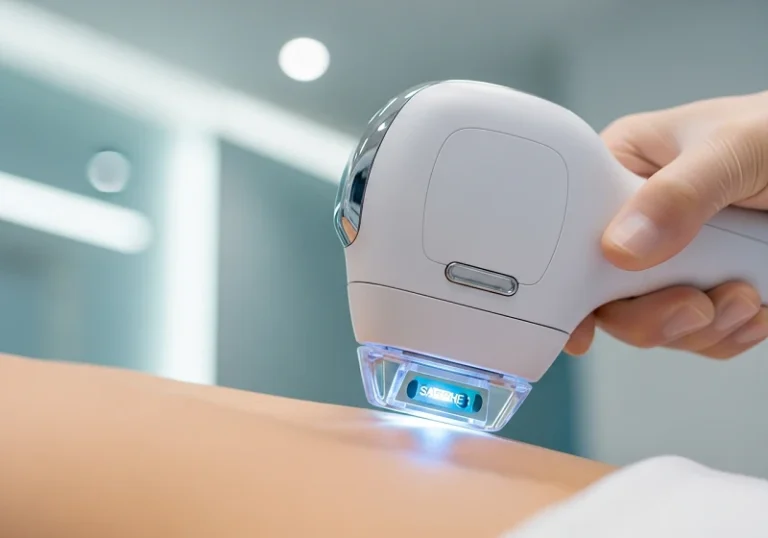
Intense Pulsed Light therapy has become one of the most widely discussed non-invasive cosmetic and dermatological treatments worldwide. It is commonly used for skin rejuvenation, hair reduction, pigmentation correction, and vascular lesion management. Its popularity is driven by its versatility, relatively short recovery time, and the growing demand for minimally invasive aesthetic solutions. Understanding how this technology works, who it benefits, and what results can realistically be expected is essential for anyone considering treatment.
Unlike single-wavelength laser treatments, this approach uses a broad spectrum of light energy delivered in controlled pulses. These pulses penetrate the skin at varying depths, allowing the therapy to target multiple skin concerns simultaneously. The adaptability of the technology has led to its widespread adoption in dermatology clinics, medical spas, and licensed aesthetic practices.
As interest continues to grow, so does the need for accurate, medically grounded information. Many misconceptions exist regarding safety, effectiveness, and suitability for different skin types. A comprehensive understanding helps patients make informed decisions while setting realistic expectations about outcomes and maintenance requirements.
What Intense Pulsed Light Therapy Is and How It Works
This treatment is based on the principle of selective photothermolysis, where light energy is absorbed by specific chromophores in the skin such as melanin or hemoglobin. Once absorbed, the light converts to heat, selectively damaging targeted cells while leaving surrounding tissue largely unharmed.
The device emits high-intensity light in short bursts across multiple wavelengths. Filters are used to tailor the spectrum based on the condition being treated. This flexibility allows practitioners to address redness, uneven pigmentation, acne-related inflammation, and unwanted hair using the same core technology.
Cooling mechanisms are often integrated into modern systems to protect the skin surface and increase patient comfort. Treatment parameters such as pulse duration, energy level, and wavelength range are adjusted according to skin tone, treatment area, and clinical goals.
Primary Medical and Cosmetic Uses
The versatility of this therapy is one of its defining characteristics. It is used across both medical dermatology and cosmetic aesthetics, often as part of a broader skin management plan.
- Hair Reduction: Light energy targets melanin in hair follicles, damaging their ability to regrow hair. Multiple sessions are required due to hair growth cycles, and results are best for darker hair on lighter skin.
- Sun Damage and Pigmentation: Brown spots, freckles, and uneven tone caused by UV exposure can be lightened as pigmented cells absorb light and gradually break down.
- Vascular Lesions: Redness, rosacea, broken capillaries, and spider veins respond well as hemoglobin absorbs the light, causing vessels to collapse and fade.
- Acne Management: Certain wavelengths reduce acne-causing bacteria and inflammation, helping control breakouts and oil production.
- Skin Rejuvenation: Heat stimulation promotes collagen production, improving texture, fine lines, and overall skin clarity over time.
Who Is an Ideal Candidate
Patient selection plays a critical role in treatment success. While the technology is adaptable, it is not universally suitable for all skin tones or conditions.
Individuals with fair to medium skin tones generally experience the best outcomes, particularly for pigmentation and hair reduction. Higher melanin levels in darker skin increase the risk of burns or discoloration, although newer devices with advanced settings can treat a wider range of skin types when operated by experienced professionals.
Those with active infections, open wounds, recent tanning, or certain photosensitive conditions may need to postpone or avoid treatment. A thorough consultation and skin assessment are essential to determine suitability and customize parameters safely.
Preparation Before Treatment
Proper preparation minimizes side effects and improves results. Patients are usually advised to avoid sun exposure, tanning beds, and self-tanners for several weeks before sessions.
Skincare products containing retinoids, exfoliating acids, or photosensitizing ingredients are typically discontinued prior to treatment. Shaving may be recommended for hair reduction sessions, while waxing or plucking is avoided because follicles must remain intact.
Medical history, current medications, and prior cosmetic procedures should be disclosed to the practitioner to ensure safe treatment planning.
What Happens During the Procedure
Treatment sessions typically last between 20 and 45 minutes depending on the size of the area being treated. Protective eyewear is worn, and a cooling gel may be applied to enhance light transmission and comfort.
Patients often describe the sensation as a quick snap or rubber band flick against the skin. Discomfort is generally mild and short-lived. The practitioner delivers pulses systematically across the treatment area while monitoring skin response.
Post-treatment redness or warmth is common but usually subsides within hours. Pigmented spots may darken temporarily before flaking off naturally over the following days.
Expected Results and Treatment Timeline
Results are cumulative and depend on the condition being treated. Most protocols involve a series of sessions spaced several weeks apart.
Hair reduction typically requires six to eight treatments, while pigmentation and vascular concerns often improve within three to five sessions. Collagen stimulation for rejuvenation continues gradually, with improvements becoming more noticeable over several months.
Maintenance treatments may be recommended annually or semi-annually to sustain results, particularly for sun-related damage.
Potential Risks and Side Effects
When performed correctly, this therapy has a strong safety profile. However, as with any light-based procedure, risks exist.
- Temporary Redness and Swelling: Mild inflammation is common and usually resolves quickly.
- Blistering or Burns: Rare but possible if incorrect settings are used or skin is recently tanned.
- Hyperpigmentation or Hypopigmentation: Changes in skin color may occur, particularly in darker skin tones or with sun exposure after treatment.
- Crusting or Flaking: Treated pigmented areas may form small crusts before healing.
- Eye Injury: Proper eye protection is critical to prevent damage.
Cost Considerations and Accessibility
Pricing varies based on geographic location, provider expertise, and treatment area size. Single sessions may range from moderate to premium pricing, while package deals often reduce overall costs.
Because the procedure is considered cosmetic in most cases, insurance coverage is uncommon. Some medically necessary vascular treatments may be exceptions when prescribed by a dermatologist.
Pro Tips for Maximizing Results
Consistent sun protection is one of the most important factors in maintaining outcomes. Daily use of broad-spectrum sunscreen helps prevent recurrence of pigmentation and redness.
Following post-treatment skincare instructions reduces complications and enhances healing. Gentle cleansers, moisturizers, and avoidance of heat or friction are commonly advised.
Choosing an experienced, licensed provider significantly impacts safety and effectiveness. Device quality and practitioner training matter more than the number of sessions offered.
Frequently Asked Questions
Is this treatment permanent? Results can be long-lasting but are not always permanent. Hair reduction and pigment clearance may require maintenance sessions due to natural biological processes.
How does it differ from laser therapy? Lasers use a single wavelength, while this method uses multiple wavelengths, making it more versatile but sometimes less targeted.
Can it be combined with other treatments? Yes, it is often paired with chemical peels, microneedling, or topical therapies as part of a comprehensive skin plan.
Is downtime required? Most patients return to normal activities immediately, with minimal visible side effects.
Conclusion
Intense Pulsed Light therapy remains a cornerstone of modern dermatology and aesthetic medicine due to its adaptability, safety, and proven effectiveness. When performed with proper patient selection, preparation, and professional expertise, it offers meaningful improvements across a wide range of skin concerns. Understanding its capabilities, limitations, and maintenance needs allows individuals to approach treatment with confidence and realistic expectations, making it a valuable option for long-term skin health and appearance.
