

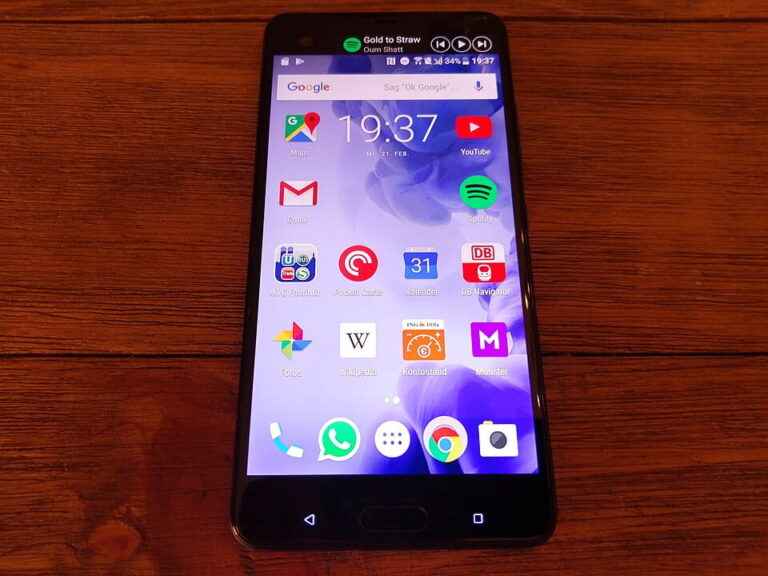
The HTC U24 Pro represents a significant milestone in the smartphone manufacturer’s journey to reclaim its position in the competitive mobile device market. Launched in June 2024 and made available to consumers in July 2024, this mid-range powerhouse combines cutting-edge technology with thoughtful design choices that harken back to HTC’s glory days. The device stands as a testament to HTC’s commitment to delivering premium features without the flagship price tag, targeting users who demand exceptional camera capabilities, robust performance, and modern connectivity options.
After years of operating in the background of the smartphone industry, HTC has emerged with a device that challenges established players in the mid-range segment. The U24 Pro brings together a sophisticated triple-camera system featuring three 50-megapixel sensors, a vibrant 120Hz OLED display spanning 6.8 inches, and the capable Qualcomm Snapdragon 7 Gen 3 processor. These specifications position the device competitively against rivals from OnePlus, Samsung, and Google, while maintaining a price point that appeals to budget-conscious consumers seeking flagship-level features.
Design and Build Quality
The HTC U24 Pro showcases a refined design philosophy that balances aesthetics with ergonomics. Measuring 167.1 x 74.9 x 9 millimeters and weighing 198.7 grams, the device feels substantial without being cumbersome. The construction employs a multi-material approach featuring a glass front protected by Corning Gorilla Glass, an aluminum frame that provides structural integrity, and a plastic back panel that reduces overall weight while maintaining durability.
The rear panel deserves special attention for its manufacturing process. HTC employs a proprietary blend of optical grating, heat compression, and sandblasting techniques to create a unique luster that distinguishes the device from competitors. This treatment not only enhances visual appeal but also provides practical benefits including improved impact resistance and reduced fingerprint visibility. The finish maintains its pristine appearance through daily use, addressing a common concern with glossy smartphone backs.
Available in two sophisticated color options, Space Blue and Twilight White, the U24 Pro caters to different aesthetic preferences. The Space Blue variant projects professionalism and timelessness, while the Twilight White offers a fresh, contemporary appearance. Both colorways feature the same attention to detail in their finishing processes, ensuring consistent quality regardless of user preference.
The display design incorporates 3D curved glass that seamlessly integrates into the device edges, creating an edge-to-edge visual experience. This curved design serves multiple purposes: it enhances the premium feel when holding the device, provides wider viewing angles for media consumption, and contributes to the overall modern aesthetic. However, some users may find that the curved edges occasionally lead to unintentional touch inputs, particularly when gaming or using applications with interface elements near the screen borders.
Durability receives significant emphasis in the U24 Pro’s construction. The device carries an IP67 rating for dust and water resistance, meaning it can withstand submersion in up to one meter of fresh water for thirty minutes. This protection level provides peace of mind for users who need their devices to survive accidental spills, rain exposure, or dusty environments. The rating positions the U24 Pro competitively within its price bracket, matching or exceeding the protection offered by many similarly priced alternatives.
Physical Features and Port Selection
The frame layout demonstrates HTC’s attention to user convenience and nostalgia for traditional smartphone features. Along the edges, users will find a USB Type-C 3.0 port supporting both charging and data transfer, a dual Nano-SIM tray that also accommodates microSD cards for storage expansion, tactile power and volume buttons positioned for easy one-handed operation, and notably, a 3.5mm headphone jack. The inclusion of the headphone jack represents a deliberate choice by HTC to cater to audiophiles and users who prefer wired audio connections, a feature that has become increasingly rare in modern smartphone designs.
The speaker configuration employs a hybrid stereo setup combining a dedicated bottom-firing speaker with the earpiece speaker for stereo audio output. While this arrangement provides directional sound separation for media consumption, reviewers have noted that at maximum volume, the audio can occasionally sound strained, particularly with complex orchestral compositions or bass-heavy content. For everyday use including video calls, music playback, and gaming, the speaker performance proves adequate for the price range, though it doesn’t achieve the excellence that characterized HTC’s BoomSound speakers from years past.
An often-overlooked detail that demonstrates HTC’s attention to user experience is the inclusion of a two-color notification LED on the front of the device. This throwback feature provides visual alerts for notifications, charging status, and missed calls without requiring users to constantly check their screens. In an era where always-on displays have largely replaced notification LEDs, this inclusion speaks to HTC’s willingness to preserve useful features that enhance usability.
Display Technology and Visual Experience
The display stands as one of the HTC U24 Pro’s most compelling features. The 6.8-inch OLED panel delivers a resolution of 1080 x 2436 pixels, resulting in a pixel density of approximately 392 pixels per inch. This density ensures sharp text rendering, crisp image display, and clear video playback across all usage scenarios. The OLED technology provides the characteristic advantages of the display type including true blacks, excellent contrast ratios, and vibrant color reproduction that makes media consumption particularly enjoyable.
Refresh rate performance receives a significant boost with the 120Hz capability. This high refresh rate translates to noticeably smoother scrolling through web pages and social media feeds, more responsive touch inputs that feel immediate and precise, fluid animations in the user interface that enhance the premium feel, and improved gaming performance in supported titles. The device intelligently adjusts the refresh rate based on content and usage patterns to balance smoothness with power efficiency, extending battery life during less demanding tasks.
The screen-to-body ratio reaches approximately 88.3 percent, maximizing the display area while maintaining practical bezels for grip and gesture navigation. The full-screen rectangle measures 6.8 inches diagonally, though the curved corner design and front camera cutout slightly reduce the total viewable area. Despite this minor reduction, users benefit from an immersive viewing experience that makes the device excellent for streaming video content, mobile gaming, and productivity tasks.
Brightness and Outdoor Visibility
Peak brightness testing reveals the display achieves approximately 601 nits in automatic brightness mode. While this brightness level proves sufficient for most indoor environments and moderate outdoor conditions, it falls short of the peak brightness levels offered by premium flagship devices that can exceed 1000 nits. Users may occasionally find themselves seeking shade or adjusting viewing angles when using the device in direct sunlight. However, for typical daily usage patterns including indoor work, commuting, and evening entertainment, the brightness proves entirely adequate.
The Corning Gorilla Glass protection adds an essential layer of defense against scratches and impacts. While HTC hasn’t specified the exact Gorilla Glass version used, the inclusion of any Gorilla Glass variant provides significant scratch resistance compared to unprotected displays. Users should still consider a screen protector for maximum protection, particularly given the curved nature of the glass which can make edge protection challenging.
Performance and Processing Power
At the heart of the HTC U24 Pro lies the Qualcomm Snapdragon 7 Gen 3 chipset, manufactured using a 4-nanometer process. This processor represents Qualcomm’s mid-range offering for 2024, delivering a balanced combination of performance and power efficiency. The chip architecture employs an octa-core CPU configuration consisting of one high-performance Cortex-A715 core clocked at 2.63 GHz for demanding single-threaded tasks, four Cortex-A715 cores running at 2.4 GHz for balanced multi-threaded performance, and three efficiency-focused Cortex-A510 cores operating at 1.8 GHz for background tasks and power conservation.
This heterogeneous computing approach allows the device to dynamically allocate processing resources based on workload demands. Light tasks like messaging, web browsing, and music playback utilize the efficiency cores, preserving battery life. More demanding applications including photo editing, gaming, and video rendering engage the higher-performance cores, ensuring smooth operation without unnecessary power consumption during simpler tasks.
Graphics processing falls under the responsibility of the Adreno 720 GPU. This graphics processor delivers solid performance for mobile gaming and multimedia applications. HTC claims the Snapdragon 7 Gen 3 provides a 50 percent increase in graphical rendering capability and 20 percent better power efficiency compared to the previous generation Snapdragon 7 Gen 1 used in the U23 Pro. These improvements manifest as smoother frame rates in games, faster photo and video processing, and more responsive user interface animations.
Real-World Performance Metrics
Benchmark testing provides quantifiable performance measurements. In Geekbench 6, the device achieves approximately 1158 points in single-core tests and 3380 points in multi-core scenarios. The AnTuTu Benchmark 10 score reaches around 829,093 points, placing the device firmly in the upper mid-range performance category. These scores indicate the U24 Pro handles everyday tasks with ease while remaining capable for more demanding applications, though it naturally falls behind flagship devices equipped with Snapdragon 8 series processors.
Gaming performance proves satisfactory for most mobile titles. Popular games including Call of Duty Mobile, FC 25, and Genshin Impact run smoothly at medium to high settings. The device manages heat dissipation effectively during extended gaming sessions, becoming warm but not uncomfortably hot. Users report consistent frame rates without significant thermal throttling, suggesting HTC has implemented adequate cooling solutions within the device’s form factor.
Memory configuration provides generous headroom for multitasking. The device ships with 12GB of DDR5 RAM, significantly exceeding the average RAM capacity for devices released in 2024. This abundant memory allows users to maintain multiple applications in memory simultaneously without aggressive background process termination, switch between apps seamlessly without reloading, run memory-intensive applications like photo editors and games without performance degradation, and enjoy future-proofing as software demands increase over time.
Storage Options and Expandability
Storage configurations include two options: 256GB of UFS 3.1 storage for the base model, and 512GB of UFS 3.1 storage for users requiring additional space. The UFS 3.1 specification ensures fast read and write speeds for application launches, file transfers, and media loading. The 256GB variant provides ample space for most users’ applications, photos, videos, and music, while the 512GB option caters to power users, content creators, and those who prefer keeping extensive offline media libraries.
Critically, the U24 Pro includes a microSD card slot that supports cards up to 2TB in capacity. This expandability feature has become increasingly rare in modern smartphones, making the U24 Pro particularly appealing to users who prioritize local storage over cloud-based solutions. The shared SIM/microSD tray means users must choose between dual SIM functionality and expanded storage, a common compromise in devices offering both features.
Camera System and Photography Capabilities
The camera system represents one of the HTC U24 Pro’s standout features, employing a versatile triple-camera array that demonstrates HTC’s renewed focus on mobile photography. The rear camera setup comprises a 50-megapixel primary wide-angle camera with an f/1.9 aperture, phase detection autofocus, and optical image stabilization for steady shots in various conditions; a 50-megapixel telephoto camera with an f/2.0 aperture, phase detection autofocus, and 2x optical zoom capability for closer subject framing without quality loss; and an 8-megapixel ultra-wide camera with an f/2.2 aperture and 120-degree field of view for expansive landscape and group photography.
This configuration differs from the previous generation U23 Pro, which featured a quad-camera setup including a dedicated macro lens. HTC’s decision to eliminate the macro camera in favor of enhanced main and telephoto sensors reflects current industry trends prioritizing quality over quantity in camera arrays. The three-camera approach provides genuine versatility for different shooting scenarios while maintaining excellent image quality across all focal lengths.
Main Camera Performance
The 50-megapixel primary sensor serves as the workhorse for most photography needs. The large pixel count allows for flexible post-processing including significant cropping while maintaining detail, high-resolution prints suitable for display, and advanced digital zoom when optical zoom proves insufficient. The f/1.9 aperture enables substantial light gathering, particularly beneficial in challenging lighting conditions.
Optical image stabilization provides significant advantages for both photography and videography. The OIS system compensates for hand shake and minor movements, resulting in sharper images at slower shutter speeds, particularly valuable in low-light situations where longer exposures become necessary; steadier handheld video recording without the jello effect common in electronically stabilized footage; and more consistent autofocus performance as the sensor remains stable during focusing operations.
HTC claims the main camera achieves up to 130 percent increased photo brightness in extremely dark environments compared to the U23 Pro. This improvement manifests as more detailed night photography, better color retention in low light, reduced noise in shadow areas, and more natural-looking night mode results. The high-sensitivity light sensor combined with optimized pixel merging technology enables the camera to capture usable images in conditions where previous generation devices struggled.
Telephoto and Ultra-Wide Capabilities
The 50-megapixel telephoto camera breaks from the typical mid-range approach of using lower-resolution telephoto sensors. The high megapixel count ensures that 2x optical zoom images maintain excellent detail and clarity. This focal length proves useful for portrait photography, product shots, and situations where the subject cannot be approached closely. The telephoto camera also features phase detection autofocus, ensuring quick and accurate focus acquisition.
The 8-megapixel ultra-wide camera with its 120-degree field of view enables creative composition possibilities. This camera excels at capturing expansive landscapes, architectural photography showcasing entire buildings, group photos including everyone without backing away significantly, and creative perspective shots emphasizing foreground elements. While the megapixel count is lower than the other cameras, the sensor size and optical quality prove adequate for its intended purposes.
Front-Facing Camera and Selfie Features
The front-facing camera impresses with its 50-megapixel sensor, a significant upgrade from typical selfie cameras in this price range. The high resolution enables detailed selfie captures, effective digital zoom for framing adjustments, high-quality video calling with excellent clarity, and future-proofing as social media platforms increasingly support higher resolution uploads. The camera includes autofocus capability, ensuring sharp focus whether taking individual portraits or group selfies at varying distances.
HTC has incorporated an advanced portrait mode with an aura effect for the selfie camera. This feature creates professional-looking portraits with controlled background blur and edge lighting effects that enhance subject separation. While some reviewers noted that the portrait mode performance can be inconsistent, particularly with edge detection accuracy and focus point selection, when working correctly it produces impressive results comparable to devices in higher price brackets.
AI-Powered Photography Features
Artificial intelligence features prominently in the U24 Pro’s camera capabilities. The AI implementation includes several practical tools such as AI Group Photo functionality, similar to Google’s Best Take feature, which captures multiple shots and allows users to select the best facial expression for each person, creating the perfect group photo where everyone looks their best; AI Gesture GIFs that enable creative photo capture using simple hand gestures, eliminating the need for self-timer delays or remote triggers; AI night portrait restoration that enhances clarity and detail in low-light and blurry photos, salvaging images that would otherwise be discarded; and automatic AI scene detection that recognizes different subjects and environments, adjusting camera settings for optimal results.
These AI features represent more than marketing buzzwords, providing genuine utility in common photography scenarios. The group photo feature particularly shines for family gatherings and social events where coordinating perfect simultaneous smiles challenges even professional photographers. The gesture-based capture adds fun and convenience to solo photography and video creation.
Video Recording Capabilities
Video recording specifications meet modern content creation standards. The main camera supports 4K resolution recording at 30 frames per second with HDR capability for enhanced dynamic range, 1080p Full HD recording at 30 frames per second for smaller file sizes, gyroscopic electronic image stabilization combined with optical stabilization for smooth footage, and panoramic video mode for creative cinematic shots. The front camera handles 1080p video recording at 30 frames per second, sufficient for vlogging and video calls.
The combination of OIS and electronic image stabilization delivers notably stable handheld footage. Users can walk while recording without excessive shake, pan smoothly to follow action, and create professional-looking video content without gimbal accessories. However, the 30fps limitation for 4K recording means users prioritizing ultra-smooth motion should note that 60fps 4K recording, increasingly common in competitor devices, is not available.
Camera App and User Experience
The camera application provides comprehensive controls for photography enthusiasts. A Pro mode grants manual control over shutter speed, ISO sensitivity, white balance, focus distance, and exposure compensation, enabling creative expression and optimal results in challenging conditions. Additional shooting modes include timelapse for creative time-compressed videos, beauty mode with adjustable intensity, portrait mode with depth effect preview, night mode for dedicated low-light photography, motion photo capturing brief video clips with each image, and panorama mode for wide-angle scene capture.
However, some reviewers encountered software issues affecting usability. Problems included unresponsive touch focus requiring multiple attempts, accidental Google Assistant triggering due to palm rejection sensitivity, inconsistent autofocus performance in portrait mode, and occasional lag when switching between cameras. These issues suggest firmware optimization opportunities that HTC could address through software updates.
Battery Life and Charging Technology
The HTC U24 Pro incorporates a 4,600 mAh lithium-polymer battery, positioned in the average range for mid-range smartphones in 2024. Battery capacity alone doesn’t determine longevity; efficiency factors including processor optimization, display power consumption, and software management significantly influence real-world endurance. The Snapdragon 7 Gen 3’s 4-nanometer architecture contributes to improved power efficiency compared to previous generations.
Battery life testing reveals practical performance expectations. In PCMark battery tests, the device achieves approximately 10 hours and 20 minutes of continuous mixed usage. Real-world usage patterns typically deliver 12 to 15 hours of operation with moderate use including web browsing, social media, video streaming, and gaming. Heavy users engaging in extended gaming sessions or extensive video recording may require midday charging, while light users can comfortably achieve full-day usage with charge remaining for the evening.
The battery management benefits from the 120Hz display’s adaptive refresh rate and the processor’s efficiency cores. During static content viewing or simple tasks, the device automatically reduces power consumption, extending overall battery life. The OLED display technology also contributes to efficiency by completely shutting off pixels displaying true black, reducing power draw compared to LCD alternatives.
Fast Charging and Wireless Options
Charging versatility represents a significant advantage for the U24 Pro. The device supports multiple charging methods including 60W wired fast charging via USB Power Delivery 3.0 and Quick Charge 4 protocols, 15W wireless charging compatible with Qi standard wireless chargers, and 5W reverse wireless charging allowing the device to charge other Qi-compatible devices like wireless earbuds and smartwatches.
Wired charging performance proves impressive for the price category. Using an appropriate 60W charger, the battery charges from zero to 23 percent in approximately 15 minutes, providing quick top-ups during short breaks; reaches 44 percent capacity within 30 minutes, sufficient for several hours of usage; and achieves full charge in about 80 minutes from completely depleted. These charging speeds compete favorably with many competitors, though they fall short of devices offering 100W or higher charging rates.
Notably, HTC does not include a fast charger in the box. Users must purchase a compatible USB Power Delivery 3.0 charger separately to achieve maximum charging speeds. This omission aligns with industry trends toward reducing electronic waste and package costs but may frustrate users expecting a complete out-of-box experience. Standard USB chargers will charge the device but at significantly slower rates.
The wireless charging capability adds convenience for users with compatible charging pads at home or office. While 15W wireless charging is slower than wired alternatives, it provides effortless charging by simply placing the device on a charging surface. The reverse wireless charging feature, though limited to 5W output, proves useful for emergency top-ups of accessories like wireless earbuds when away from traditional charging sources.
Software Experience and User Interface
The HTC U24 Pro ships with Android 14, Google’s latest operating system at the time of release. HTC has opted for a near-stock Android experience with minimal modifications to Google’s interface design. This approach offers several advantages including intuitive navigation familiar to Android users, streamlined menus and settings without manufacturer bloatware, regular Google security updates for the underlying operating system, and consistent behavior with other Android devices.
The minimal bloatware presence stands out as a significant positive. Upon first boot, users encounter predominantly Google’s default applications with very few HTC-specific additions. The main HTC applications focus on VR integration with the VIVERSE platform and camera enhancements, features that provide actual utility rather than promotional content. This restraint in pre-installed applications leaves more storage available and provides a cleaner user experience.
Software Updates and Long-Term Support
Unfortunately, software support represents the U24 Pro’s most significant weakness. HTC commits to only two years of security updates from the July 2024 release date, with no guarantee of major Android version updates. This limited support window means the device will cease receiving security patches by July 2026, at which point it becomes increasingly vulnerable to newly discovered security threats. In contrast, competitors like Google’s Pixel 8a offers seven years of both Android and security updates, Samsung provides five years of security updates on mid-range devices, and even some budget brands now guarantee three or more years of support.
The implications of this limited support window are serious for users concerned about device longevity and security. After support ends, users face difficult choices including continuing to use a device with potential security vulnerabilities, purchasing a new device earlier than hardware condition would otherwise necessitate, or accepting reduced functionality if applications require newer Android versions. This short support period significantly diminishes the device’s value proposition despite its strong hardware specifications.
Additional Software Features
Beyond the base Android experience, HTC includes features leveraging the device’s hardware capabilities. The VIVERSE integration enables users to explore 3D virtual environments, create personalized digital avatars using AI motion capture technology, stream content to HTC’s VIVE XR Elite headset for immersive viewing experiences, and participate in social VR interactions. These features appeal primarily to users already invested in HTC’s VR ecosystem or interested in exploring virtual reality applications.
The in-display fingerprint sensor provides secure and convenient device unlocking. The optical sensor responds quickly to finger placement, reliably recognizing registered fingerprints in various lighting conditions. Users can register multiple fingerprints for different fingers or share device access with trusted individuals. While facial recognition would provide additional unlocking options, the fingerprint sensor alone proves sufficiently fast and reliable for most users.
Connectivity and Network Support
The HTC U24 Pro provides comprehensive connectivity options suitable for global usage. Network support spans multiple generations including GSM for basic voice calls in regions with older infrastructure, HSPA for 3G data connectivity, LTE supporting numerous bands for 4G coverage across different countries and carriers, and 5G NR with support for bands n1, n3, n5, n7, n8, n20, n28, n38, n40, n41, n77, and n78, ensuring compatibility with 5G networks in most regions.
The extensive 5G band support positions the device well for international travelers and users in markets with varied carrier implementations. However, potential buyers should verify their specific carrier’s 5G bands match the device’s supported bands, particularly for newer 5G deployments that may use less common frequency allocations.
Wireless Connectivity Features
Beyond cellular connectivity, the device offers robust wireless capabilities. Wi-Fi support includes 802.11 a/b/g/n/ac/6e standards with tri-band operation, enabling connection to 2.4GHz, 5GHz, and 6GHz networks where available. The Wi-Fi 6E capability provides future-proofing as more routers support the latest standard, offering improved speeds and reduced congestion in dense wireless environments.
Bluetooth 5.3 provides reliable wireless connectivity for accessories. The device supports advanced Bluetooth audio codecs including SBC and AAC for universal compatibility, Qualcomm aptX and aptX HD for enhanced audio quality with compatible headphones, LDAC for high-resolution audio streaming, LC3 for efficient transmission with newer Bluetooth LE Audio devices, Opus for voice and music streaming, aptX Adaptive Audio for intelligent quality and latency optimization, and aptX TWS+ for improved true wireless earphone performance.
This comprehensive codec support ensures excellent wireless audio quality regardless of headphone choice, a particular advantage given the device’s inclusion of a headphone jack that allows direct comparison between wired and wireless audio experiences. NFC functionality enables contactless payments through Google Pay, quick device pairing with NFC-enabled accessories, and data sharing with other NFC-capable devices.
Navigation and Location Services
Positioning capabilities utilize multiple satellite navigation systems including GPS for widespread global coverage, GLONASS for improved accuracy particularly in northern latitudes, Galileo for precise European positioning, and BeiDou for enhanced Asian coverage. The multi-system approach ensures reliable location accuracy for navigation, location-based services, and photography geotagging across different regions and conditions.
Current Market Price and Availability
Pricing and availability vary significantly by region and retailer. In the European Union, the HTC U24 Pro launched at approximately €549 to €564 for the 256GB model, positioning it competitively within the mid-range segment. United Kingdom pricing settled around £479 for the base configuration. The device is not officially available in the United States market, though import retailers and online marketplaces offer international versions with varying warranty coverage.
As of January 2026, prices have stabilized with various retailers offering the device. Online marketplaces feature pricing ranging from approximately $430 to $650 depending on configuration, condition, and seller. The 512GB variant commands a premium of $50 to $100 over the 256GB model. Users should verify seller reputation, warranty terms, and regional compatibility before purchasing, particularly when considering import options for regions without official HTC distribution.
Several retailers and platforms stock the device including Amazon with both new and renewed options, eBay featuring various sellers and configurations, specialized mobile phone retailers focusing on unlocked international devices, and HTC’s official regional websites where available. Potential buyers should compare prices across multiple sources while considering factors like shipping costs, import duties where applicable, warranty coverage, and return policies.
Value Proposition and Competition
At its current price point, the HTC U24 Pro competes with several strong alternatives. The OnePlus Nord 4 starting at £429 offers a larger 5500 mAh battery, faster 100W charging, and a more powerful processor, though it lacks wireless charging. Google’s Pixel 8a from £499 provides superior camera performance, seven years of software updates, and Google’s exclusive AI features. Samsung’s Galaxy A55 at £439 delivers Samsung’s build quality, five years of security updates, and a mature software ecosystem.
The U24 Pro differentiates itself through unique features including the 3.5mm headphone jack absent from many competitors, wireless charging capability not universally offered in this price range, the nostalgic notification LED, and microSD card expandability increasingly rare in modern devices. These features appeal to specific user preferences, potentially outweighing specification advantages of competing devices depending on individual priorities.
Pros and Cons Analysis
Advantages of the HTC U24 Pro
The device offers numerous strengths that justify consideration. The versatile triple 50MP camera system with genuine telephoto and ultra-wide options provides photographic flexibility exceeding many competitors in the price range. The large 6.8-inch 120Hz OLED display delivers smooth, vibrant visuals for media consumption and gaming. Generous 12GB RAM ensures smooth multitasking and future-proofs the device against increasingly demanding applications.
Additional advantages include the comprehensive 256GB or 512GB storage with microSD expansion supporting up to 2TB additional capacity, IP67 water and dust resistance providing protection against environmental hazards, 60W fast wired charging complemented by 15W wireless and 5W reverse wireless charging options, the increasingly rare 3.5mm headphone jack appreciated by audio enthusiasts, and notification LED and microSD support representing thoughtful inclusions of traditionally useful features.
Disadvantages and Limitations
Despite its strengths, several weaknesses require consideration. The severely limited software support with only two years of security updates and no guaranteed major Android updates represents the most significant drawback, particularly compared to competitors offering much longer support periods. The display brightness at approximately 601 nits proves adequate but falls short of flagship-level visibility in direct sunlight.
Additional limitations include the Snapdragon 7 Gen 3 processor providing solid but not exceptional performance, trailing flagship processors and some competing mid-range chips; camera software issues including unreliable touch focus and occasional autofocus inconsistencies that diminish the otherwise capable hardware; the moderate 4600 mAh battery capacity proving smaller than some competitors offering 5000+ mAh cells; no charger included in the box despite support for 60W fast charging; and curved display edges that some users find prone to accidental touches and difficult to protect with screen protectors.
Pro Tips for HTC U24 Pro Users
Maximizing the HTC U24 Pro experience requires understanding its capabilities and limitations. Camera performance significantly improves when users take time to clean the camera lenses regularly, experiment with Pro mode for challenging lighting situations, use the 2x telephoto for portrait photography rather than digital zoom on the main camera, enable gridlines in camera settings for better composition, and tap to focus deliberately to avoid autofocus issues.
Battery life optimization strategies include enabling adaptive brightness to reduce screen power consumption, limiting always-on display usage if not essential, closing unused background applications periodically, using dark mode for interface and applications to leverage OLED power savings, and disabling 5G when not needed, as 4G LTE often provides adequate speeds with better efficiency.
Storage management becomes important over time. Users should regularly review and remove unused applications, utilize the microSD card for media files like photos and videos, enable Google Photos backup to safely archive images before deleting them locally, clear application caches periodically through settings, and consider moving compatible applications to SD card storage.
Protection and maintenance recommendations include investing in a quality case to protect the curved display edges and camera bump, applying a tempered glass screen protector despite the curved edges, avoiding exposure to saltwater despite IP67 rating, as the certification covers fresh water only, updating installed applications regularly for security and performance improvements, and considering third-party launchers if stock Android feels limiting.
Wireless charging optimization involves ensuring charging pad compatibility with 15W output for fastest wireless charging, removing thick cases during wireless charging for better heat dissipation and charging efficiency, positioning the device centrally on charging pads for optimal alignment, and monitoring temperatures during wireless charging, stopping if the device becomes excessively hot.
Frequently Asked Questions
Does the HTC U24 Pro support dual SIM functionality? Yes, the device includes a dual Nano-SIM tray supporting two SIM cards simultaneously. However, users must choose between using two SIM cards or one SIM card plus a microSD card for storage expansion, as the tray shares the second SIM slot with the microSD slot.
Is the HTC U24 Pro compatible with 5G networks in North America? The device supports several 5G bands including those used in North America, but potential buyers should verify specific carrier compatibility. The device is not officially sold in the United States, and imported units may not support all carrier-specific features like VoLTE or Wi-Fi calling.
Can the device record video in 60fps at any resolution? The main camera records 1080p video at 30fps and 4K video at 30fps. The device does not support 60fps video recording in any resolution, which may disappoint users prioritizing smooth motion capture for sports or action content.
How does the in-display fingerprint sensor perform with screen protectors? The optical fingerprint sensor generally works with thin tempered glass screen protectors, though users may need to re-register fingerprints after protector installation. Thick plastic protectors or those with textured surfaces may reduce sensor accuracy or prevent recognition entirely.
Will the device receive Android 15 or Android 16 updates? HTC has not committed to major Android version updates beyond the pre-installed Android 14. The company promises only two years of security updates ending in July 2026, making major OS updates unlikely unless HTC changes its support policy.
Does reverse wireless charging work with all Qi-compatible devices? The 5W reverse wireless charging works with most Qi-compatible devices including wireless earbuds, smartwatches, and other smartphones. However, the low 5W output means charging will be slow and may not maintain charge on devices with large batteries if they’re actively being used.
Can the telephoto camera be used for macro photography? While the HTC U24 Pro lacks a dedicated macro camera, the telephoto camera can capture close-up shots when combined with appropriate distance from the subject. Results won’t match dedicated macro lenses, but the 50MP sensor provides enough detail for moderate magnification.
Is the device suitable for heavy mobile gaming? The Snapdragon 7 Gen 3 processor handles most mobile games at medium to high settings with good frame rates. However, the most demanding titles at maximum graphics settings may experience occasional frame drops. The device also becomes warm during extended gaming sessions, though not uncomfortably hot.
What accessories are included in the retail package? The HTC U24 Pro package typically includes the device itself, a USB Type-C to Type-C cable, a SIM ejection tool, and documentation including quick start guide and warranty information. Notably, the package does not include a charging adapter, earphones, or protective case.
Conclusion
The HTC U24 Pro represents a commendable effort from a manufacturer working to reclaim relevance in an intensely competitive smartphone market. The device succeeds in delivering genuine value through its versatile triple-camera system featuring three high-resolution sensors, generous memory and storage configurations with expansion options, smooth 120Hz OLED display suitable for media consumption, and thoughtful retention of features like the headphone jack and microSD slot that many competitors have abandoned. These strengths position the U24 Pro as a compelling option for users prioritizing photography capabilities, expandability, and traditional connectivity options.
However, the device cannot escape criticism for its most glaring weakness: the shockingly brief software support commitment. In 2024 and beyond, offering only two years of security updates without guaranteed major OS updates falls dramatically short of industry standards established by Google, Samsung, and even budget-focused brands. This limitation fundamentally undermines the device’s long-term value proposition, forcing potential buyers to weigh impressive hardware against an artificially shortened lifespan before security vulnerabilities make continued use inadvisable.
The HTC U24 Pro appeals most strongly to specific user profiles. Photography enthusiasts seeking versatile camera options without flagship pricing will appreciate the triple 50MP camera array and numerous AI-powered features. Audiophiles valuing wired audio connections benefit from the increasingly rare headphone jack combined with extensive Bluetooth codec support. Users requiring expandable storage find the microSD card slot essential in an era of sealed devices. Fans of HTC’s legacy may embrace the device as a nostalgic connection to the brand’s past innovations while recognizing its current market position.
Conversely, the device struggles to justify its price for users prioritizing software longevity, maximum processing performance, or class-leading battery capacity. The competitive mid-range segment offers alternatives with longer support commitments, more powerful processors, or larger batteries at similar or lower prices. The U24 Pro occupies a niche market position where its unique feature combination resonates with select users while failing to achieve broad appeal across the wider smartphone-buying public.
Looking toward the future, HTC faces significant challenges in building momentum from the U24 Pro’s foundation. The company must address software support shortcomings to compete seriously with manufacturers offering multi-year update commitments. Continued innovation in camera technology, where the U24 Pro shows genuine competence, could differentiate future releases. Competitive pricing strategies that acknowledge HTC’s reduced market presence compared to dominant brands will prove essential for attracting price-conscious consumers.
For those considering the HTC U24 Pro in January 2026, the purchase decision requires careful weighing of priorities. If camera versatility, storage expandability, and traditional features outweigh concerns about software support duration, the device delivers substantial value at its current market pricing. However, users expecting their smartphones to remain secure and functional beyond July 2026 should seriously consider alternatives offering extended support commitments. The HTC U24 Pro stands as a capable, feature-rich device hampered by policy decisions that compromise its long-term viability in an evolving smartphone landscape.

