

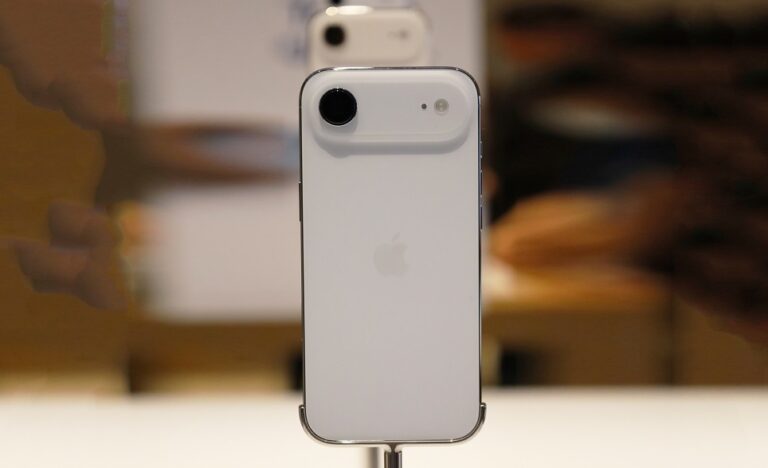
In an emergency, every second counts. Setting up emergency contacts on your iPhone ensures that first responders, family, or friends can quickly access your critical information—even if your phone is locked. This comprehensive guide will walk you through the process of adding, editing, and managing emergency contacts on your iPhone, including how to use the Medical ID and Emergency SOS features. Whether you’re setting this up for yourself or a loved one, these steps will help you stay prepared for the unexpected.
Why You Need Emergency Contacts on Your iPhone
Your iPhone’s emergency features are designed to provide quick access to vital information and notify your trusted contacts when you need help. Here’s why setting them up is essential:
- Accessible from the Lock Screen: Emergency contacts and medical information can be viewed without unlocking your iPhone, making it easier for first responders to assist you.
- Automatic Notifications: When you use Emergency SOS, your iPhone can automatically alert your emergency contacts with your location, ensuring they know where you are.
- Medical ID Integration: Your Medical ID can include allergies, medications, blood type, and other critical health details, which can be lifesaving in a medical emergency.
- Multiple Contact Support: You can add more than one emergency contact, so you’re not limited to a single point of contact.
- Works with Apple Watch: If you own an Apple Watch, your emergency contacts sync across devices, providing an extra layer of safety.
- Location Sharing: Your iPhone can share your real-time location with emergency contacts during an SOS call, helping them or emergency services find you faster.
- Crash and Fall Detection: On supported models, your iPhone can automatically call for help and notify your contacts if it detects a severe car crash or fall.
- Satellite Connectivity: iPhone 14 and newer models can use Emergency SOS via satellite to call for help even when you’re outside cellular or Wi-Fi coverage.
How to Add Emergency Contacts Using the Health App
The most straightforward way to add emergency contacts is through the Health app. Follow these steps:
- Open the Health App: Tap the Health app icon on your iPhone’s home screen.
- Access Your Medical ID: Tap your profile picture in the top-right corner, then select Medical ID.
- Edit Your Medical ID: Tap Edit in the top-right corner. If you haven’t set up a Medical ID before, tap Get Started.
- Fill in Your Personal Information: Enter details like your name, birthdate, medical conditions, allergies, and medications. If you don’t have any allergies or medications, enter “None” to avoid confusion.
- Add an Emergency Contact: Scroll down to the Emergency Contacts section and tap Add Emergency Contact.
- Select a Contact: Choose a contact from your list. You can add multiple contacts by repeating this step.
- Specify the Relationship: Select the relationship (e.g., spouse, parent, friend) to help first responders identify who they’re contacting.
- Save Your Changes: Tap Done to save the contact. Make sure to toggle on Show When Locked and Share During Emergency Call to ensure your information is accessible from the lock screen.
Once added, your emergency contacts will appear in your Medical ID and can be accessed from the lock screen by tapping Emergency and then Medical ID.
How to Add Emergency Contacts from the Contacts App
You can also add emergency contacts directly from the Contacts app:
- Open the Contacts App: Tap the Contacts app on your iPhone.
- Select a Contact: Choose the contact you want to add as an emergency contact.
- Add to Emergency Contacts: Scroll down and tap Add to Emergency Contacts.
- Specify the Relationship: Select the relationship (e.g., mother, father, partner).
- Confirm: Tap Done to save. The contact will now appear in your Medical ID.
This method is useful if you want to quickly add a contact without navigating through the Health app.
How to Use Emergency SOS on iPhone
Emergency SOS is a powerful feature that lets you quickly call for help and alert your emergency contacts. Here’s how to use it:
Activating Emergency SOS
- Press and Hold: On iPhone 8 or later, press and hold the Side button and one of the Volume buttons simultaneously until the Emergency SOS slider appears.
- Drag the Slider: Drag the Emergency SOS slider to call emergency services immediately.
- Auto-Call (Optional): If you enable Call with Hold and Release in Settings, your iPhone will automatically call emergency services after a countdown.
- Notify Contacts: After the call ends, your iPhone will send a text message to your emergency contacts with your location, unless you choose to cancel.
Customizing Emergency SOS Settings
- Open Settings: Go to Settings > Emergency SOS.
- Enable Auto Call: Toggle on Call with Hold and Release if you want your iPhone to call emergency services automatically after holding the buttons.
- Enable Call with 5 Presses: Turn on Call with 5 Presses to trigger Emergency SOS by rapidly pressing the Side button five times.
- Enable Location Sharing: Ensure Share Location During Emergency Call is turned on to share your location with emergency services and contacts.
How to Access Emergency Contacts from the Lock Screen
If you or someone else needs to access your emergency contacts from a locked iPhone, follow these steps:
- Wake Your iPhone: Press the Side button or tap the screen to wake your iPhone.
- Tap Emergency: On the passcode screen, tap Emergency in the bottom-left corner.
- View Medical ID: Tap Medical ID to see your emergency contacts and medical information.
- Call a Contact: Tap a contact’s phone number to call them directly.
This feature is especially useful if you’re unconscious or unable to unlock your phone.
How to Edit or Remove Emergency Contacts
Keeping your emergency contacts up to date is crucial. Here’s how to edit or remove them:
- Open the Health App: Tap the Health app, then your profile picture, and select Medical ID.
- Edit Your Medical ID: Tap Edit in the top-right corner.
- Update Contacts: Scroll to the Emergency Contacts section. To edit a contact, tap the red delete button next to their name, then tap Delete. To add a new contact, tap Add Emergency Contact.
- Save Changes: Tap Done to confirm your updates.
Regularly review your emergency contacts to ensure they’re current and accurate.
Pro Tips for Managing Emergency Contacts
- Add a Profile Photo: Including a recent photo in your Medical ID helps first responders confirm they’re viewing your information.
- Use Multiple Contacts: Add at least two emergency contacts in case one is unavailable.
- Test Emergency SOS: Familiarize yourself with the Emergency SOS feature by practicing the button presses (without completing the call).
- Enable Fall Detection: If you have an Apple Watch, enable Fall Detection in the Watch app to automatically call for help if a hard fall is detected.
- Check Cellular Coverage: If you’re in an area with poor cellular service, ensure your iPhone is set up for Emergency SOS via satellite (available on iPhone 14 and newer).
- Update Medical Information: Keep your Medical ID updated with any changes to your health, such as new allergies or medications.
- Use a Passcode: Always use a passcode on your iPhone to protect your personal information while still allowing access to your Medical ID.
- Educate Family Members: Make sure your emergency contacts know how to access your Medical ID and what to do in an emergency.
Frequently Asked Questions
Can I add an emergency contact who doesn’t have an iPhone?
Yes, your emergency contacts do not need to have an iPhone. They will receive a text message with your location if you use Emergency SOS.
Will my emergency contacts be notified if I accidentally trigger Emergency SOS?
Yes, unless you cancel the notification before the countdown ends. Be cautious when handling your iPhone to avoid accidental triggers.
Can I use Emergency SOS if my iPhone is offline?
On iPhone 14 and newer, you can use Emergency SOS via satellite to call for help even without cellular or Wi-Fi coverage.
How do I stop my iPhone from calling emergency services accidentally?
Disable Call with Hold and Release or Call with 5 Presses in Settings if you find yourself triggering Emergency SOS unintentionally.
Can I add international phone numbers as emergency contacts?
Yes, you can add any phone number, including international numbers, as an emergency contact.
What happens if I don’t have a Medical ID set up?
Without a Medical ID, first responders won’t have access to your emergency contacts or medical information from the lock screen.
Does Emergency SOS work if my iPhone is turned off?
No, your iPhone must be powered on to use Emergency SOS. However, you can still make emergency calls on some models even if the battery is critically low.
Can I customize the message sent to my emergency contacts?
No, the message is standardized and includes your name and location. You cannot customize it.
Will my location be shared if I don’t complete an emergency call?
No, your location is only shared if you complete an emergency call or manually trigger Emergency SOS.
Conclusion
Setting up emergency contacts on your iPhone is a simple yet powerful way to ensure your safety and the safety of your loved ones. By following the steps in this guide, you can quickly add, edit, and manage your emergency contacts, customize your Emergency SOS settings, and make sure your critical information is always accessible. Take a few minutes today to update your Medical ID and emergency contacts—it could make all the difference in an emergency.


