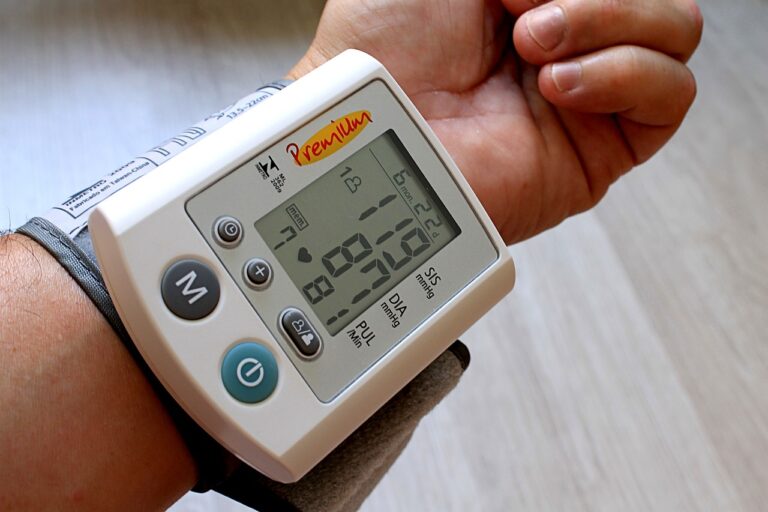
High blood pressure, or hypertension, stands as the single most significant preventable risk factor for death and disability worldwide. An estimated 1.4 billion adults globally live with this condition, a staggering figure that represents about one-third of the adult population aged 30-79. The situation in the United States mirrors this global burden, with nearly half of all adults having high blood pressure, defined as a reading of 130/80 mm Hg or higher. More alarmingly, a significant portion of those affected are unaware of their condition, earning hypertension its reputation as the “silent killer“. This widespread and often hidden prevalence underscores a critical public health challenge with profound implications for heart health, brain health, and longevity.
Despite its stealthy nature, the consequences of uncontrolled hypertension are loud and clear. It is a primary driver of cardiovascular disease (CVD), including heart attack, stroke, and heart failure, as well as kidney disease and dementia. The force of blood pushing too persistently against artery walls damages these vital conduits over time, leading to a cascade of potential failures throughout the body’s systems. Recent data indicates a shifting landscape in related health risks; while better management has reduced some traditional factors like very high blood pressure in heart failure patients, the concurrent rise in obesity, diabetes, and chronic kidney disease presents a new, complex challenge known as cardiovascular-kidney-metabolic (CKM) syndrome. This evolution makes comprehensive, informed management more crucial than ever.
Decoding the Numbers: What Your Blood Pressure Reading Really Means
Blood pressure is recorded as two numbers, expressed in millimeters of mercury (mm Hg). The top number, systolic blood pressure, measures the pressure in your arteries when your heart beats. The bottom number, diastolic blood pressure, measures the pressure when your heart is at rest between beats. For decades, a reading of 120/80 mm Hg was considered the gold standard for normal blood pressure. However, medical understanding has evolved, leading to more nuanced categorizations designed to prompt earlier intervention.
According to the latest guidelines from the American Heart Association and American College of Cardiology, blood pressure is now classified into four key categories:
- Normal: Systolic below 120 mm Hg and diastolic below 80 mm Hg.
- Elevated: Systolic between 120-129 mm Hg and diastolic below 80 mm Hg.
- Stage 1 Hypertension: Systolic between 130-139 mm Hg or diastolic between 80-89 mm Hg.
- Stage 2 Hypertension: Systolic at least 140 mm Hg or diastolic at least 90 mm Hg.
It is critical to note a hypertensive crisis, defined by a reading exceeding 180/120 mm Hg. This is a medical emergency that requires immediate attention, especially if accompanied by symptoms like chest pain, shortness of breath, back pain, numbness, weakness, change in vision, or difficulty speaking. It is also important to understand that diagnostic thresholds can vary. While U.S. guidelines define hypertension starting at 130/80 mm Hg, European guidelines typically use a threshold of 140/90 mm Hg. This difference highlights the importance of working with your healthcare provider to understand your personal risk profile and treatment goals.
Unmasking the Causes: From Essential Hypertension to Underlying Conditions
For the vast majority of adults—about 90-95%—there is no single, identifiable cause for high blood pressure. This type is known as primary (or essential) hypertension. It tends to develop gradually over many years as a complex result of genetics, age, and lifestyle factors. Plaque buildup in the arteries (atherosclerosis) can both result from and contribute to this process. The interplay of inherited risk and environmental influences makes primary hypertension a lifelong focus of management.
In contrast, secondary hypertension is caused by an underlying, identifiable condition. It often appears suddenly and causes higher blood pressure than primary hypertension. Recognizing these causes is vital, as treating the root problem can sometimes resolve the high blood pressure. Common causes of secondary hypertension include:
- Kidney disease: Impaired kidney function disrupts fluid and salt balance.
- Obstructive Sleep Apnea: Repeated interruptions in breathing during sleep increase stress hormones.
- Thyroid or Adrenal Gland Problems: Hormonal imbalances can directly affect blood pressure regulation.
- Certain Medications: These include some pain relievers, decongestants, birth control pills, and antidepressants.
- Congenital Blood Vessel Defects: Narrowing of the aorta or kidney arteries present from birth.
Furthermore, measurement context matters. White coat hypertension occurs when blood pressure is high in a clinical setting but normal elsewhere, while masked hypertension is the opposite—normal at the doctor’s office but high at home. These phenomena underscore why home blood pressure monitoring is a critical tool for accurate diagnosis and management.
Lifestyle as Medicine: The First and Most Powerful Line of Defense
The foundation of both preventing and treating high blood pressure is a healthy lifestyle. For many individuals with elevated or Stage 1 hypertension, lifestyle modifications alone can be powerful enough to lower blood pressure to a safe range, potentially delaying or eliminating the need for medication. These changes are not a short-term fix but a long-term commitment to health. Major medical guidelines universally agree that lifestyle intervention is recommended for everyone with elevated blood pressure and above.
The most effective evidence-based strategies form a comprehensive approach to daily living. Key modifications include:
- Adopting a Heart-Healthy Diet: Emphasize fruits, vegetables, whole grains, and lean proteins. The DASH (Dietary Approaches to Stop Hypertension) and Mediterranean diets are specifically proven to lower blood pressure.
- Reducing Sodium Intake: Limit sodium to less than 2,300 mg daily, aiming for an ideal target of 1,500 mg for most adults, especially those with hypertension.
- Increasing Physical Activity: Aim for at least 150 minutes per week of moderate-intensity aerobic exercise (like brisk walking) combined with muscle-strengthening activities.
- Maintaining a Healthy Weight: Losing even a small amount of weight (5-10% of body weight) if you are overweight can have a significant impact on blood pressure.
- Limiting Alcohol and Quitting Tobacco: Restrict alcohol to no more than one drink per day for women and two for men. Eliminate all forms of tobacco and nicotine.
These lifestyle pillars work synergistically. For example, a healthy diet and regular exercise promote weight loss, which further reduces blood pressure. Similarly, reducing sodium intake enhances the effects of a nutritious diet rich in potassium.
Navigating Treatment: From Natural Aids to Prescribed Medications
When lifestyle changes are insufficient to control blood pressure, or when an individual presents with Stage 2 hypertension or high cardiovascular risk, medication becomes an essential component of treatment. The decision to start medication is highly personalized, based on your blood pressure level, overall cardiovascular risk, and any coexisting conditions like diabetes or kidney disease. The 2025 AHA/ACC guidelines recommend initiating medication immediately for all individuals with blood pressure at or above 140/90 mm Hg, and for those with Stage 1 hypertension (130-139/80-89 mm Hg) who are at high risk for cardiovascular events.
For those interested in complementary approaches, some dietary supplements have shown evidence of benefit in lowering blood pressure, though they are not substitutes for prescribed treatment. According to a scientific review, supplements with some evidence of benefit (demonstrating reductions of at least 9 mm Hg systolic or 5 mm Hg diastolic) include coenzyme Q10, fish oil, garlic, vitamin C, and L-arginine. It is crucially important to consult a doctor before starting any supplement, as they can interact with medications and are not as rigorously regulated as pharmaceuticals.
The mainstay of pharmacologic treatment includes several classes of safe and effective prescription medications. First-line options typically include:
- ACE inhibitors and ARBs: Relax blood vessels and prevent kidney damage.
- Calcium channel blockers: Relax the muscles of blood vessels.
- Thiazide or thiazide-like diuretics: Help the kidneys eliminate excess sodium and water.
For many patients, especially those with Stage 2 hypertension, starting treatment with two medications (often in a single combination pill) is recommended to achieve control faster. Beta-blockers are also used, particularly when there is a compelling coexisting condition like heart failure. The choice of medication is tailored to the individual, and finding the right regimen may require patience and adjustment.
Special Considerations: Pregnancy, Age, and Global Disparities
Hypertension does not affect all populations equally, and tailored approaches are necessary for specific groups. Hypertension in pregnancy is a serious condition that requires careful management to protect both mother and baby. It can lead to complications like preeclampsia, eclampsia, stroke, and premature delivery. The latest guidelines recommend treating chronic hypertension during pregnancy when systolic pressure reaches 140 mm Hg or diastolic reaches 90 mm Hg, a change reflecting evidence that tighter control can reduce risks. Management continues to be important postpartum, as high blood pressure can persist or begin after delivery.
For older adults, treatment decisions are individualized. While blood pressure tends to rise with age, aggressive treatment must be balanced against factors like frailty, orthostatic hypotension (a drop in blood pressure upon standing), and overall life expectancy. General targets may be slightly relaxed for the very elderly or frail to avoid side effects like dizziness and falls.
Globally, stark disparities exist. Two-thirds of all adults with hypertension live in low- and middle-income countries. Furthermore, only about 23% of people with hypertension worldwide have it under control. In the United States, disparities persist along racial and ethnic lines; Black Americans develop high blood pressure more often and at an earlier age than White Americans. Addressing these inequities requires focused public health initiatives, improved access to care, and culturally competent treatment strategies.
Proactive Prevention and the Path Forward
The most powerful message in modern cardiology is that hypertension and its devastating consequences are largely preventable. Prevention starts with the same healthy lifestyle behaviors that treat the condition: a balanced diet, regular activity, maintaining a healthy weight, avoiding tobacco, and managing stress. Public health efforts are increasingly focused on early detection through regular screening. The World Health Organization has set a global target to reduce the prevalence of uncontrolled hypertension by 25% between 2010 and 2025.
Key to this effort is the normalization of blood pressure monitoring. Adults should have their blood pressure checked at least every two years, and annually if over 40 or at increased risk. For those diagnosed with hypertension, home monitoring is a cornerstone of management, providing a more complete picture of blood pressure patterns outside the clinical setting. When checking at home, ensure you are seated comfortably with your arm supported at heart level, have rested for a few minutes, and use a validated cuff on your upper arm.
The future of hypertension management lies in personalization and early intervention. Tools like the AHA’s PREVENT™ risk calculator help clinicians estimate an individual’s 10- and 30-year risk of cardiovascular events, allowing for treatment plans tailored to personal risk profiles. Furthermore, growing evidence solidifies the link between blood pressure control and brain health, making early treatment a key strategy for preserving cognitive function and preventing dementia. By combining widespread education, proactive screening, personalized treatment, and a societal commitment to healthy environments, the tide can be turned against the silent epidemic of high blood pressure.
Conclusion
High blood pressure remains a pervasive and potent threat to global health, but it is a threat that can be effectively countered. Its silent nature makes proactive screening and education non-negotiable first steps. Understanding the modern blood pressure categories—from elevated to Stage 2 hypertension—empowers individuals to take action early. While primary hypertension involves a complex mix of genetic and lifestyle factors, the treatment path is clear: sustained lifestyle modification forms the indispensable foundation, with safe and effective medications available when needed. Special attention must be paid to high-risk groups, including pregnant women and older adults, and to addressing the stark disparities in prevalence and control seen worldwide. Ultimately, through a combination of personal vigilance, clinical innovation, and public health commitment, the goal of reducing the immense burden of heart disease, stroke, and kidney failure caused by hypertension is within reach. Controlling this silent killer is one of the most significant actions you can take for your long-term health and longevity.