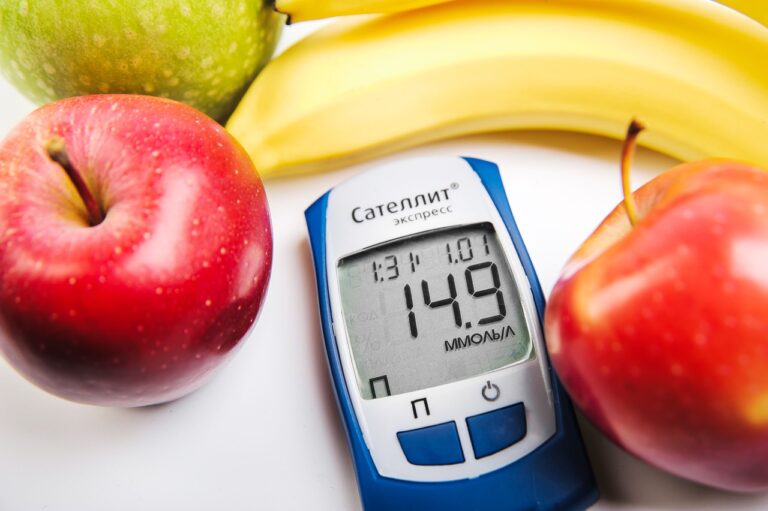
Fasting during Ramadan brings spiritual focus and physical changes that affect daily routines. For people living with diabetes, continuing an exercise routine while fasting can be safe and beneficial when approached thoughtfully. This comprehensive guide explains how to plan exercise around fasting hours, choose appropriate types and intensities of activity, manage blood glucose, adjust medication and food timing, and reduce the risk of hypoglycemia and dehydration. The goal is to help readers maintain fitness and metabolic health while honoring religious practice in a medically safe way.
Before beginning any exercise program while observing fasts, individuals should consult their healthcare provider to review medical history, current medications, and recent glucose control. Risk levels differ between people with type 1 and type 2 diabetes, those using insulin or sulfonylureas, and those with complications such as autonomic neuropathy or cardiovascular disease. With medical clearance, careful planning and monitoring make it possible to continue safe, effective activity during Ramadan.
This guide is organized to help you decide when to exercise, what kinds of workouts are safest, how to monitor and respond to blood glucose changes, and practical tips on hydration, nutrition, and medication timing. It also includes a detailed exercise schedule template, a checklist for safe fasting workouts, and a frequently asked questions section addressing common concerns.
Understanding the Physiological Changes During Ramadan Fasting
Fasting from dawn to sunset alters meal timing, fluid intake, and sleep patterns. These changes affect blood glucose regulation, insulin sensitivity, and hydration status. During fasting hours, glucose supply from food is absent, and the body increasingly relies on stored glycogen and fat for energy. For people taking glucose-lowering medications, this shift can raise the risk of low blood sugar if medication dose and timing are not adjusted.
Physical activity during fasting shifts energy demand. Moderate exercise primarily uses stored glycogen and fat; however, prolonged or high-intensity sessions increase the risk of hypoglycemia, particularly for individuals on insulin or insulin-secretagogues. Dehydration risk also rises when vigorous activity is performed close to the end of the fasting period, especially in hot climates.
Understanding these physiological dynamics helps guide safe choices around exercise intensity, duration, and timing so energy balance and blood glucose remain stable while maintaining fasting discipline.
Assessing Personal Risk and Preparing Your Care Team
Before changing your activity pattern, assess individual risk factors with your healthcare team. Important considerations include the type of diabetes, recent episodes of severe hypoglycemia, presence of cardiovascular disease, impaired hypoglycemia awareness, kidney disease, and current medication regimen. People with frequent hypoglycemia or uncontrolled blood glucose should consider avoiding fasting or limiting exercise intensity until risks are reduced.
Share your Ramadan plan with your diabetes care team and obtain written advice on medication adjustments, glucose targets, and when to break the fast. A clear, individualized plan reduces uncertainty and empowers safer decisions during unexpected glucose changes or symptoms.
Carry medical identification and a fast-breaking plan if glucose falls outside safe ranges. Inform family members or friends about signs of hypoglycemia and how to respond. This preparation is a key safety net for anyone exercising while fasting.
Best Times to Exercise While Fasting
Choosing the optimal time for activity is one of the most important decisions. There are three commonly recommended windows: before dawn (pre-suhur), after the evening meal (post-iftar), and shortly before iftar. Each has pros and cons.
Early morning (before suhur): Light to moderate exercise performed just before the pre-dawn meal can be manageable because food and fluids will soon follow. This timing is suitable for brisk walking, yoga, stretching, or light resistance work. Avoid long or intense sessions that could trigger hypoglycemia during the remaining fast hours.
After iftar (post-evening meal): This is generally the safest time for more intense workouts because energy and hydration are restored. Moderate to vigorous exercise, longer cardio sessions, and resistance training can be completed without fasting-related glucose risks. Ensure adequate digestion time—waiting 60–90 minutes after a well-balanced iftar before intense activity helps prevent gastrointestinal discomfort.
Late afternoon (shortly before iftar): A short, low-intensity session can be done within an hour or two of breaking the fast but carries higher dehydration and hypoglycemia risk if prolonged. If choosing this window, keep sessions brief and moderate, and be ready to end the workout at the first sign of dizziness, sweating, or weakness.
Recommended Types and Intensities of Exercise
When fasting, favor activities that provide cardiovascular and metabolic benefits while minimizing hypoglycemia and dehydration risk. The following options work well when properly timed and monitored.
- Walking and brisk walking: Low to moderate intensity, easy to control, and effective for glucose management. Aim for 20–45 minutes per session, especially after iftar or before suhur when energy intake is planned.
- Low-impact cardio (cycling, elliptical): Moderate sessions are safe post-iftar. Keep session length to under 60 minutes and monitor hydration and glucose closely.
- Resistance training: Shorter resistance workouts (30–45 minutes) using bodyweight, bands, or moderate weights are effective for insulin sensitivity. Schedule these after iftar for best energy and recovery.
- Yoga and Pilates: Gentle to moderate intensity practices support flexibility, stress reduction, and balance. These are appropriate at any fasting window, particularly pre-suhur or late afternoon when intensity is low.
- Interval training: High-intensity interval training (HIIT) can be beneficial but carries higher hypoglycemia risk and should generally be scheduled post-iftar and used sparingly during the fasting month.
Sample Exercise Schedule Template
Below is a flexible weekly template to help you plan workouts around fasting. Modify duration and intensity based on your fitness level, diabetes type, and medical advice.
Day 1: Post-iftar moderate cardio 30–45 minutes (brisk walking or cycling). Focus on comfortable intensity and steady pacing.
Day 2: Resistance training 30–40 minutes after iftar, including major muscle groups with rest between sets.
Day 3: Light yoga or mobility session 20–30 minutes before suhur to promote flexibility and stress reduction.
Day 4: Post-iftar moderate cardio plus short core routine, keeping total time under 60 minutes.
Blood Glucose Monitoring and Targets
Regular glucose monitoring is crucial when combining fasting with exercise. Frequent checks before, during (if feasible), and after exercise help identify trends and prevent dangerous lows or highs. Use a fingerstick glucometer or continuous glucose monitor if available.
Suggested testing cadence: before exercise, immediately after, and 1–2 hours post-exercise during the first week of any new routine. If exercise is longer than 45 minutes, check mid-session if possible. Record readings, symptoms, and activity type to refine the plan with your clinician.
Target ranges will vary by individual; discuss personalized targets with your healthcare team. In general, avoid exercise when pre-exercise glucose is below 100 mg/dL (5.6 mmol/L) or above 300 mg/dL (16.7 mmol/L) without medical guidance. If glucose is low, break the fast and treat hypoglycemia per your plan.
Managing Medication and Meal Timing
Medication adjustments are often necessary to reduce hypoglycemia risk. Those on insulin may require dose reductions or timing changes; people taking sulfonylureas should consult their prescriber about dose adjustments. For many, taking larger medication doses at iftar and smaller or delayed doses at suhur can help balance daytime fasting needs, but individualized plans are essential.
Coordinate medication timing with meals and exercise. When exercising after iftar, ensure the insulin or oral agent timing aligns with meal carbohydrate absorption to avoid late hypoglycemia. Maintain consistent carbohydrate content at suhur and iftar as advised by your nutritionist to stabilize glucose across fasting windows.
Always have a clear plan to break the fast if glucose falls to dangerously low levels or if symptoms of severe hypoglycemia or dehydration appear. Religious allowances exist for medical necessity; safety is paramount.
Nutrition and Hydration Strategies
Optimizing food choices at suhur (pre-dawn meal) and iftar (post-sunset meal) supports energy for exercise and stabilizes blood glucose. Focus on balanced meals that combine complex carbohydrates, lean protein, healthy fats, fiber, and adequate fluids.
- For suhur: Choose slow-digesting carbohydrates such as whole grains, oats, and legumes paired with protein and healthy fat to extend satiety and provide steady glucose release. Examples include oatmeal with nuts and Greek yogurt, whole-grain toast with avocado and eggs, or lentil soup with whole-grain flatbread.
- For iftar: Break the fast with a small portion of fast-acting carbohydrate—such as dates or juice—if culturally customary, then follow with a balanced meal containing vegetables, lean protein, whole grains, and healthy fats to replenish energy and rehydrate gradually.
- Hydration: Drink fluids consistently between iftar and suhur. Aim for multiple glasses of water, include soups and water-rich fruits, and limit caffeinated drinks that increase urine output. Avoid overconsuming sugary beverages which can destabilize blood sugar.
- Snacking: If your care team permits, include a small, balanced snack between iftar and bedtime to support recovery after evening exercise and prevent nocturnal hypoglycemia.
Warning Signs and When to Stop Exercising
Know the warning signs that require immediate action. Stop exercising and break your fast if you experience symptoms of low blood sugar such as shakiness, sweating, palpitations, confusion, or loss of coordination. Also cease activity for severe lightheadedness, chest pain, severe shortness of breath, or fainting.
If glucose readings show severe hypoglycemia (<70 mg/dL / 3.9 mmol/L) or significantly elevated levels with ketones, discontinue the fast and seek medical attention. It is safer to prioritize health and resume fasting only when medically advised.
Keep fast-breaking items, glucose tablets, or a quick carbohydrate source close by when exercising near iftar or during non-post-iftar sessions. Inform a training partner or family member about your condition and emergency steps.
Practical Checklist for Safe Fasting Workouts
Use this checklist before beginning any exercise session while fasting:
- Obtain medical clearance and individualized medication advice from your healthcare provider.
- Check blood glucose before starting; ensure it is within a safe range as agreed with your clinician.
- Plan exercise timing to align with feeding windows—prefer post-iftar for higher intensity.
- Hydrate well between iftar and suhur and avoid caffeine that can dehydrate.
- Carry identification and fast-breaking carbohydrate sources for emergencies.
- Keep workouts shorter and monitor symptoms more frequently than usual.
- Adjust intensity or duration down if you feel unwell, dizzy, or weak.
Special Considerations: Type 1 vs Type 2 Diabetes
People with type 1 diabetes have higher hypoglycemia risk during fasting and exercise because of insulin dependency. Continuous glucose monitoring, frequent testing, and conservative insulin dose adjustments are often necessary. Those with impaired hypoglycemia awareness require extra caution and may be advised against prolonged fasting or high-intensity exercise.
For many people with type 2 diabetes, fasting combined with lower-intensity activity can be safe and sometimes beneficial for weight and glucose control, especially when not taking high-risk medications. Nonetheless, individual factors like medication class and cardiovascular risk determine safe practice.
Adapting Exercise Intensity and Volume
During the first week of Ramadan, reduce exercise volume and intensity to allow the body to adjust to new meal and sleep patterns. Gradually increase duration and intensity if glucose monitoring remains stable and no adverse symptoms occur. Use perceived exertion (moderate = you can talk but not sing) to self-regulate intensity when monitoring devices are not available.
Strength training loads can be reduced by 20–30% while fasting, with more rest between sets. For cardio, aim for steady-state moderate intensity rather than prolonged high-intensity intervals unless done after iftar and under supervision.
Sleep, Recovery, and Stress Management
Altered sleep during Ramadan can impede recovery and glucose control. Prioritize sleep hygiene by scheduling naps, maintaining regular sleep times when possible, and avoiding stimulating activities close to suhur. Stress and poor sleep increase counter-regulatory hormones that raise blood glucose; incorporate relaxation practices like breathing exercises or gentle yoga to support metabolic balance.
Common Myths and Misconceptions
Some believe any exercise while fasting will automatically cause hypoglycemia; however, light-to-moderate activity is often safe with proper monitoring and timing. Another misconception is that all people with diabetes must avoid fasting—many can fast safely with medical guidance, medication adjustments, and close monitoring. Conversely, others mistakenly attempt high-intensity workouts during prolonged fasts; such practices carry clear risks and should be avoided unless supervised and appropriately timed.
Pro Tips
Plan training sessions after iftar to take advantage of restored energy and hydration whenever possible. Start each session with a short warm-up and end with a cool-down to stabilize circulation and glucose.
Carry a small emergency kit including glucose tablets, a glucometer, and a printed action plan. If you use continuous glucose monitoring, set alerts for low and high glucose ranges and familiarize yourself with trend arrows to make timely decisions.
When exercising before suhur, eat a nutrient-dense pre-dawn meal that includes both complex carbohydrates and protein to prolong energy availability. If you experience nocturnal hypoglycemia, discuss nocturnal snacks and medication timing adjustments with your clinician.
Frequently Asked Questions
Can I do high-intensity interval training (HIIT) during Ramadan? High-intensity workouts increase hypoglycemia risk and dehydration; they are safest after iftar when energy and fluids are restored. If you choose to do HIIT, keep sessions short, monitor glucose closely, and avoid performing them during the first days of fasting.
Is it safe to take insulin around exercise while fasting? Insulin timing and dosing require adjustment to reduce hypoglycemia risk. Do not change doses without clinician guidance. Many people benefit from reducing rapid-acting insulin doses around meals that precede exercise and adjusting basal insulin under medical supervision.
What should I do if I feel faint or dizzy during exercise? Stop immediately, sit or lie down, check your glucose, and break the fast if glucose is low or symptoms are severe. Seek medical help if symptoms persist or if you suspect heart-related issues.
How often should I test my blood sugar during exercise? Test before exercise, and after the session, and consider a mid-session check for sessions longer than 45 minutes. If using a continuous glucose monitor, follow alerts and trends to guide decisions.
Conclusion
Exercising while fasting during Ramadan can be safe and beneficial for many people with diabetes when guided by careful planning, medical consultation, and vigilant self-monitoring. Prioritize scheduling workouts after iftar for higher intensity, maintain adequate hydration between sunset and dawn, and adjust medication and meal timing under clinical guidance. Use conservative intensity and shorter durations at the beginning of Ramadan, carry emergency fast-breaking options, and stop activity immediately if warning signs arise. With preparation, communication with healthcare providers, and attentive glucose monitoring, people with diabetes can maintain physical activity and enjoy the spiritual benefits of fasting safely.