

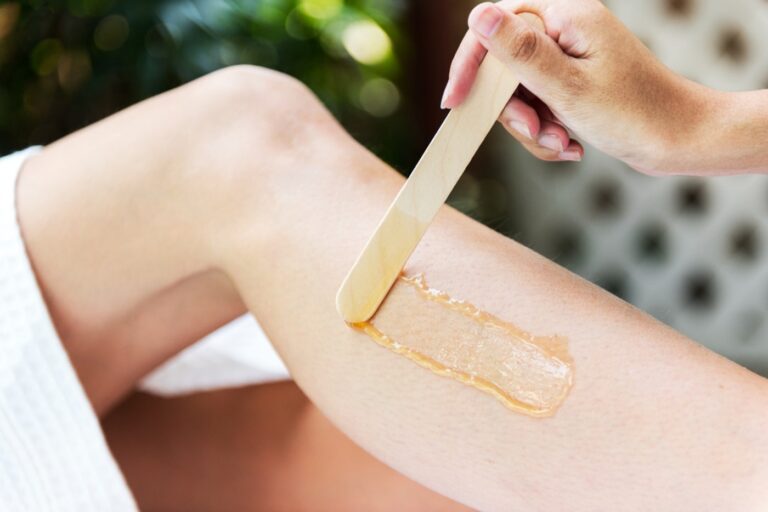
Exploring hair removal options can lead to discovering methods that offer long-lasting smoothness and confidence. Among these, a popular choice involves targeting the pubic region for a clean, bare look that many find empowering and convenient. This approach has gained traction for its ability to provide weeks of hair-free skin, reducing the need for daily maintenance like shaving.
The technique traces its roots to practices that emphasize thorough removal, ensuring coverage from front to back. It’s suitable for various preferences, whether opting for complete bareness or leaving a small design. Understanding the basics helps in deciding if it aligns with personal grooming goals.
Many choose this method for its exfoliating effects, which can leave the skin feeling refreshed. Regular sessions may result in finer regrowth over time, making subsequent experiences more manageable. It’s essential to approach it with realistic expectations regarding comfort and results.
Embarking on this journey requires knowledge of what the service entails. Salons specializing in waxing often provide tailored experiences, focusing on hygiene and client comfort. Selecting a reputable provider ensures a positive outcome.
Understanding the Basics
A Brazilian wax removes hair from the pubic area, including the front, sides, back, and between the thighs. It can be customized to leave a strip, triangle, or go fully bare. This differs from a standard bikini wax, which only addresses hair along the edges visible outside underwear.
The wax used is typically hard or soft, with hard wax being gentler on sensitive skin as it adheres mainly to hair. Sessions last about 30 to 60 minutes, depending on hair density and the esthetician’s efficiency. Results can persist for three to six weeks.
Benefits include smoother skin due to root-level removal, potentially leading to thinner hair growth. It also exfoliates, removing dead cells for a polished feel. However, initial discomfort is common, though it often lessens with consistency.
Individuals with varying skin types can benefit, but those with sensitivities should consult professionals. It’s available for all genders, with adaptations for specific needs. Knowing these fundamentals sets the stage for a well-informed decision.
Differences from Other Waxing Types
Bikini line waxing focuses solely on tidying the sides and top, ideal for minimal coverage. In contrast, a full bikini extends to the front pubic bone, allowing shapes like rectangles. The Brazilian goes further, encompassing the entire region for comprehensive removal.
Hollywood waxing is similar but ensures absolute bareness without any remaining hair. Choices depend on desired aesthetics and comfort levels. Each type varies in pain and time, with more extensive options requiring additional care.
Selecting the right variant involves considering lifestyle and preferences. For beach-ready looks, fuller removals are popular. Understanding these distinctions aids in communicating effectively with the esthetician.
Preparing for Your Appointment
Preparation begins weeks in advance to optimize results. Allow hair to grow to at least a quarter-inch length, roughly the size of a grain of rice. This ensures the wax grips effectively without excessive pulling.
Avoid shaving for two to three weeks prior, as it disrupts the growth cycle. If hair exceeds half an inch, trim gently with scissors or an electric trimmer. Proper length minimizes discomfort and maximizes efficiency.
Exfoliate the area one to two days before using a gentle scrub or mitt. This removes dead skin, preventing ingrown hairs post-wax. Opt for mild products to avoid irritation.
On the day, shower thoroughly but skip lotions or oils, which hinder wax adhesion. Wear loose, breathable clothing like cotton underwear to reduce friction afterward. Arrive hydrated and relaxed.
Pain Management Strategies
Take an over-the-counter pain reliever like ibuprofen 30 minutes before to dull sensitivity. Avoid caffeine and alcohol, as they tighten pores and amplify discomfort. Breathing techniques, such as deep inhales during pulls, can help.
Schedule outside menstrual cycles if possible, as hormones heighten sensitivity. For first-timers, starting with a less extensive wax builds tolerance. Communicate with the esthetician about concerns for adjustments.
Post-prep, mental readiness plays a role. Knowing the sensation is brief eases anxiety. Regular sessions often reduce perceived pain as hair weakens.
Health Considerations Before Waxing
Disclose medications like retinoids or antibiotics, which thin skin. Avoid if on isotretinoin within six months, risking scars. Pregnant individuals should consult doctors, especially in later trimesters.
Skin conditions like eczema warrant professional advice. Recent sun exposure increases sensitivity, so skip tanning. Ensuring health compatibility prevents complications.
Hygiene is paramount; choose salons with strict protocols. Gloves and single-use tools minimize risks. Personal health checks ensure a safe experience.
The Waxing Procedure Step by Step
Upon arrival, fill out forms detailing preferences and history. Undress from the waist down in a private room, often with disposable coverings. The esthetician discusses desired outcomes, like full removal or designs.
The area is cleansed to remove residues for better adhesion. A pre-wax oil or powder protects skin while allowing wax to stick to hair. Hard wax is applied in sections, hardening before removal.
For soft wax, a thin layer is spread, topped with a strip, then pulled against growth direction. Skin is held taut to lessen pull. The process covers front, labia, perineum, and back.
Stray hairs are tweezed for precision. The esthetician works efficiently, minimizing exposure time. Sessions conclude with soothing applications to calm skin.
What to Expect During the Session
Positions vary, including lying flat or bending knees. Communication ensures comfort. Discomfort peaks in sensitive spots but subsides quickly. Professionals maintain professionalism, easing awkwardness.
First sessions may take longer due to denser hair. Subsequent visits are quicker. Tipping 20 percent acknowledges service quality.
Hygiene standards include fresh tools per client. Relaxing music or conversation can distract. Knowing the flow reduces surprises.
Types of Wax Used
Hard wax suits coarse hair, peeling off without strips for less pain. Soft wax uses muslin strips, effective for finer hairs. Natural options like sugar wax appeal to sensitive skin.
Salon choices depend on expertise. Hard wax is preferred for intimate areas. Understanding types helps in selecting services.
Quality wax minimizes residue and irritation. Professionals use formulated products for optimal results. Personal preferences guide selections.
Aftercare Essentials
Immediately after, avoid touching the area to prevent bacteria introduction. Wear loose clothing to avoid friction. Redness and bumps are normal, fading within hours to days.
Skip hot baths, saunas, or pools for 24 to 48 hours. Showers are fine with mild soap. Apply aloe vera or calming serums to soothe.
Refrain from exercise or activities causing sweat for a day. Sexual activity should wait 24 hours for healing. Moisturize daily with fragrance-free lotions.
Exfoliate gently two to three times weekly starting 48 hours post-wax. This prevents ingrown hairs. Consistent care extends smoothness.
Dealing with Common Side Effects
For itchiness, use hydrocortisone cream sparingly. Avoid scratching to prevent breaks. Bumps resolve naturally; cold compresses help.
Ingrown hairs can be treated with exfoliation and targeted serums. Persistent issues may need professional advice. Monitoring skin aids early intervention.
Sensitivity lessens over time. Hydration supports recovery. Proper aftercare minimizes occurrences.
Long-Term Maintenance
Schedule follow-ups every three to four weeks. Consistency aligns growth cycles for better results. Avoid shaving between sessions to maintain benefits.
Over time, hair may thin, extending intervals. Daily moisturizing keeps skin supple. Routine care enhances overall experience.
Incorporating exfoliation routines prevents buildup. Tracking regrowth helps timing. Long-term commitment yields optimal smoothness.
Common Mistakes to Avoid
- Not growing hair long enough: Hair shorter than a quarter inch won’t adhere properly, leading to incomplete removal and more sessions. This can cause unnecessary irritation and uneven results. Always check length a few days before to ensure readiness.
- Skipping exfoliation: Neglecting to exfoliate beforehand increases ingrown hair risk, as dead skin traps hairs. Regular gentle scrubbing promotes smooth regrowth and reduces post-wax bumps. Incorporate it into your routine for better skin health.
- Ignoring pain management: Forgetting pain relievers heightens discomfort, making the experience unpleasant. Timing medication correctly dulls sensations effectively. Combine with relaxation techniques for optimal comfort.
- Engaging in restricted activities too soon: Sweating or soaking immediately after can irritate open follicles, leading to infections. Waiting 24 to 48 hours allows proper healing. Plan your schedule accordingly to avoid setbacks.
- Using wrong products post-wax: Harsh lotions or scented items can inflame skin, prolonging recovery. Opt for soothing, fragrance-free options. This choice supports gentle healing and prevents adverse reactions.
- Shaving between waxes: This resets the growth cycle, causing thicker regrowth and more pain next time. Sticking to waxing maintains finer hair. Patience during regrowth phases pays off long-term.
- Not communicating preferences: Failing to specify desires results in unsatisfactory outcomes. Clear discussions ensure customization. Building rapport with your esthetician enhances future visits.
- Overlooking health disclosures: Hiding medication use risks complications like scarring. Full transparency allows safe adjustments. Prioritizing health ensures positive experiences.
These pitfalls can detract from the benefits. Awareness and correction lead to smoother processes. Learning from others’ experiences refines your approach.
Addressing Concerns for First-Timers
Newcomers often worry about awkwardness, but professionals handle sessions discreetly. Focus on breathing to manage unease. Sessions are quick, reducing exposure.
Pain varies; initial pulls surprise, but tolerance builds. Choosing experienced providers minimizes issues. Post-wax relief is immediate.
Privacy is prioritized with private rooms. Estheticians maintain neutrality. Preparation eases mental barriers.
Results motivate repeats. Smoother skin boosts confidence. Community stories normalize the process.
Myths Debunked
Contrary to belief, pain doesn’t worsen with age; technique matters. Hair doesn’t grow thicker; it thins. Safe during periods with precautions.
Not just for women; inclusive for all. Home kits work but professionals excel. Debunking myths encourages informed choices.
Regularity reduces discomfort. Skin adapts over time. Facts dispel fears.
Pro Tips
- Time your appointment wisely: Book mid-cycle to avoid hormonal sensitivity spikes. Afternoons may suit better if mornings heighten pain. Aligning with your body’s rhythm optimizes comfort.
- Invest in quality aftercare: Use serums with glycolic acid for exfoliation without harshness. Aloe-based products cool effectively. Consistent application prevents common issues.
- Build a routine: Wax every four weeks initially to sync cycles. Track progress in a journal. This habit maximizes longevity and minimizes regrowth density.
- Communicate openly: Share pain thresholds for technique adjustments. Request breaks if needed. Strong rapport enhances personalization.
- Prevent ingrowns proactively: Dry brush weekly for circulation. Avoid tight clothes post-wax. These steps maintain smoothness longer.
- Explore variations: Try designs for fun. Switch wax types seasonally. Experimentation refines preferences.
- Stay hydrated: Drink water before and after for skin resilience. Hydration aids recovery. It also softens hair for easier removal.
These insights from seasoned users elevate experiences. Implementing them transforms routines. Expertise accumulates with practice.
Frequently Asked Questions
How long does the smoothness last?
Typically three to six weeks, varying by individual growth rates. Initial sessions may see quicker regrowth. Consistency extends duration.
Is it safe during pregnancy?
Generally yes, but consult a doctor in later stages. Increased blood flow may heighten sensitivity. Professionals accommodate with care.
What if I’m on my period?
Possible with a tampon; expect more discomfort. Rescheduling is ideal. Hygiene remains priority.
Can I wax with piercings?
Remove if possible; otherwise, hairs nearby may remain. No damage to jewelry. Inform the esthetician.
How to handle ingrown hairs?
Exfoliate gently; use targeted treatments. Avoid picking. Prevention is key through routine care.
What’s the cost range?
Averages 50 to 100 dollars, plus tip. Varies by location and salon. Packages offer savings.
DIY vs. professional?
Professionals ensure safety and thoroughness. DIY suits budgets but risks unevenness. Start with pros for learning.
Does it affect tattoos?
No harm; may brighten by exfoliating. Wax avoids ink areas carefully. Safe for decorated skin.
These queries address common curiosities. Answers empower decisions. Further questions merit professional consultation.
Conclusion
Summarizing the journey, preparation and aftercare are pivotal for optimal results. The procedure, while initially daunting, offers lasting benefits like smoother skin and reduced maintenance. Addressing concerns through knowledge dispels fears, making it accessible.
Pro tips and FAQs provide additional guidance, enhancing experiences. Consistency yields finer regrowth and less discomfort. Embracing this method can elevate personal grooming routines effectively.


