Los Angeles is a city defined by its car culture, where the average resident spends a significant portion of their life behind the wheel. Whether you are navigating the intricate interchanges of the 405, cruising along the Pacific Coast Highway, or searching for a rare parking spot in West Hollywood, your vehicle is more than just transportation; it is a mobile sanctuary. In 2026, the landscape of automotive upgrades has shifted toward a blend of high-tech safety, sustainable climate control, and hyper-personalized interior aesthetics. Modern drivers in Southern California are increasingly looking for ways to mitigate the intense sun, manage long-haul fatigue, and protect their investments from the unique environmental stressors of the Southland.
The evolution of the automotive aftermarket has reached a point where functionality and luxury are no longer mutually exclusive. With the rise of electric vehicles and the integration of artificial intelligence into daily commutes, the “best” accessories are those that solve specific regional problems. For an Angeleno, those problems typically include triple-digit summer temperatures, some of the nation’s most congested traffic corridors, and a high density of commuters. Consequently, the most sought-after enhancements for 2026 focus on thermal management and digital connectivity, ensuring that the time spent in gridlock is as productive and comfortable as possible. This guide explores the verified essentials that are currently setting trends across the Los Angeles metropolitan area.
Safety has also taken a front seat in the 2026 market, with advanced recording and monitoring systems becoming standard for defensive driving. Given the litigious nature of traffic incidents in California and the rising cost of insurance, high-definition dash cameras and smart sensors are no longer optional “extras” but critical tools for legal and financial protection. From AI-powered collision warnings to cloud-integrated security systems that monitor your car while it’s parked at the Grove or Santa Monica Pier, technology is providing a new layer of security for the modern driver. Understanding which of these tools provide the most value requires a deep dive into current market offerings and the specific needs of the California driver.
Beyond utility, the aesthetic movement in 2026 leans heavily into “lifestyle integration.” Car owners are treating their cabins like extensions of their home offices or living rooms. This means an increase in modular storage solutions, premium materials that resist UV degradation, and smart lighting that can be adjusted to match one’s mood or the time of day. As we transition into a more tech-centric driving era, the demand for seamless wireless ecosystems has peaked, making cable management and fast-charging capabilities a top priority for everyone from rideshare professionals to daily corporate commuters. The following sections outline the must-have items to elevate your Los Angeles driving experience.
Essential Thermal Management and Interior Protection
The Southern California sun is a relentless force that can wreak havoc on a vehicle’s interior. In 2026, thermal management has moved beyond the basic cardboard sunshade into the realm of advanced material science. High-performance ceramic window films and custom-fit windshield reflectors are now the gold standard. These accessories do more than just keep the steering wheel touchable; they significantly reduce the load on your vehicle’s HVAC system, which is particularly vital for maintaining the battery range of electric vehicles during a heatwave in the San Fernando Valley. By blocking up to 99% of infrared heat and UV rays, these tools prevent the premature cracking of leather dashboards and the fading of upholstery.
Furthermore, the 2026 trend for interior protection includes the widespread adoption of TPE (Thermoplastic Elastomer) all-weather floor liners and specialized seat covers. Unlike traditional rubber mats, modern TPE liners are laser-scanned to fit the exact contours of specific vehicle models, providing edge-to-edge protection against the sand from Malibu beaches or the occasional winter mud. For those with leather seating, ventilated cooling cushions have become a high-demand item. These devices use integrated fans or gel-injection technology to circulate air between the driver and the seat, eliminating the discomfort of “sticky” seats during a mid-afternoon commute through Downtown Los Angeles.
Must-Have Interior Upgrades for 2026
- Custom-Fit UV Windshield Sunshades: Unlike universal shades that leave gaps, custom-fit versions are engineered for specific makes and models to provide 100% coverage. They utilize multiple layers of reflective material and foam insulation to lower cabin temperatures by as much as 40 degrees Fahrenheit during peak sun hours.
- Ceramic Infused Window Tints: Modern ceramic tints provide the ultimate heat rejection without interfering with electronic signals like traditional metallic tints. They are essential for Los Angeles drivers who need to maintain visibility while blocking the intense glare and heat associated with the 101 and 110 freeways.
- Ventilated Cooling Seat Cushions: These portable units plug into a 12V outlet and use high-powered, quiet fans to push ambient air through a breathable mesh layer. They are particularly effective for older luxury vehicles that lack factory-installed ventilated seats, providing instant relief during the summer months.
- Precision-Engineered Floor Liners: Made from eco-friendly TPE materials, these liners are odorless and resistant to extreme temperature fluctuations. They feature high ridges to trap liquid and debris, ensuring that the original carpeting remains in pristine condition for better resale value.
- Solar-Powered Active Fragrance Diffusers: Moving away from chemical-heavy hanging trees, 2026 drivers prefer solar-powered units that use essential oils. These devices rotate under sunlight to evenly distribute scents, maintaining a fresh cabin environment even during long periods of idling in traffic.
- Anti-Glare Dashboard Covers: For vehicles with large glass areas, a suede or carpeted dash cover reduces the “ghosting” effect on the windshield. This improves visibility during the high-contrast lighting of a California sunset and protects the dashboard from the inevitable UV-induced cracking.
Advanced Tech and Connectivity for the Urban Commute
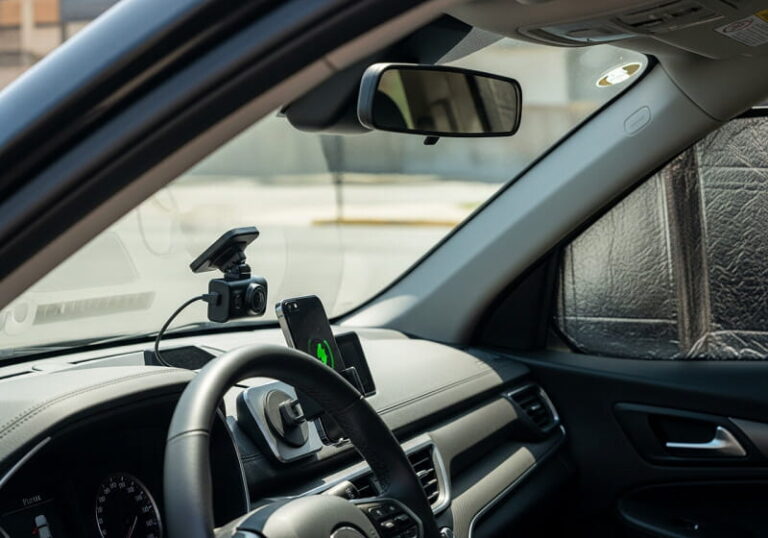
In a city where “The 10” and “The 5” are household names, staying connected and powered up is essential. The tech landscape for car accessories in 2026 is dominated by 4K dash cameras and high-speed wireless charging ecosystems. As smartphones become the primary hub for navigation and entertainment, the “messy cable” era has officially ended. Magnetic wireless charging mounts that offer 15W or higher speeds are now standard, allowing drivers to simply tap their phone onto a mount and have it secure and charging instantly. These mounts often feature active cooling fans to prevent the phone from overheating while running GPS and music apps simultaneously under the California sun.
Safety tech has also become more accessible and sophisticated. AI-integrated dash cameras can now identify lane departures, forward collision risks, and even recognize stop signs, providing an extra set of eyes for tired commuters. Many of these units are 4K resolution, which is necessary for capturing license plate details in the high-speed environment of LA’s multi-lane freeways. Additionally, portable jump starters have evolved into multi-functional power banks. These compact lithium-ion devices can jump-start a V8 engine multiple times on a single charge while also providing USB-C Power Delivery (PD) to charge laptops or tablets during a roadside emergency.
Current Market Price and Deals
The market for car accessories in early 2026 reflects a stabilized supply chain but higher demand for premium “smart” features. Prices for high-end 4K dash cams with AI capabilities currently range from $250 to $450, depending on whether they include a rear-facing camera. Premium TPE floor liners for a standard sedan or SUV typically retail between $130 and $220 for a full set. For those looking for deals, major automotive retailers and online platforms frequently offer “bundle and save” packages on interior protection kits, which can reduce the total cost by 15-20% when purchasing floor mats, sunshades, and seat covers together.
In the Los Angeles area, many local tint shops and customization boutiques offer seasonal promotions during the spring to prepare for the summer heat. It is common to find discounts on ceramic window tinting packages ranging from $300 to $600 for a full vehicle. Subscription-based deals for cloud-connected dash cameras are also trending, where the hardware cost is subsidized in exchange for a monthly data plan that provides real-time “Sentry Mode” style monitoring. Buyers are encouraged to look for “Certified Refurbished” options from reputable brands like Nextbase or Garmin, which can offer up to 30% savings on top-tier tech while maintaining a full manufacturer’s warranty.
Pros and Cons of Popular 2026 Accessories
High-Resolution Dash Cameras
Pros: Provides indisputable evidence for insurance claims; AI features assist with defensive driving; 24/7 parking monitoring reduces hit-and-run anxiety.
Cons: Can be expensive to install professionally; high-resolution video requires large, fast microSD cards; potential privacy concerns in certain jurisdictions.
Ceramic Window Tinting
Pros: Superior heat rejection compared to standard film; enhances privacy and aesthetics; blocks 99% of harmful UV rays.
Cons: Higher upfront cost; must be installed by a professional to avoid bubbling; strict California laws regarding the darkness of front-side window tints.
Wireless Charging Mounts
Pros: Eliminates cable clutter; provides easy one-handed operation; keeps battery topped off during heavy GPS use.
Cons: May not work with very thick phone cases; can cause phone overheating if not equipped with a cooling fan; requires a high-wattage 12V adapter to reach full charging speeds.
Pro Tips for Los Angeles Car Owners
To maximize the lifespan of your accessories, always opt for custom-fit over universal-fit products. In a climate like Los Angeles, a sunshade that doesn’t reach the edges of the windshield allows “hot spots” to develop, which can still damage the dashboard over time. Additionally, when installing electronic gadgets like dash cams or radar detectors, consider “hardwiring” them to your vehicle’s fuse box. This not only hides unsightly wires but also enables features like “Parking Mode,” which allows the camera to record even when the engine is off, providing critical security in crowded public parking structures.
Another expert tip for 2026 is to prioritize eco-friendly materials. With California’s strict environmental regulations and the local culture’s move toward sustainability, accessories made from recycled plastics or bio-based TPE are becoming more popular and often have better long-term durability in UV-heavy environments. Lastly, for those driving EVs, look for accessories that are “low-draw.” While most chargers are fine, some high-powered portable fridges or specialized lighting kits can impact your range if left running while parked for extended periods. Always check the wattage requirements before adding multiple high-drain devices to your vehicle’s electrical system.
Frequently Asked Questions
Is window tinting legal in Los Angeles, California?
Yes, but California law is specific. You can have any darkness on the rear side and back windows. However, the front side windows must allow at least 70% of light to pass through (aftermarket tint plus factory glass). A clear “UV-only” film is often a popular choice for the front windows to block heat without violating transparency laws.
Will a dash cam drain my car battery?
If hardwired correctly with a “low-voltage cutoff” kit, a dash cam will not drain your battery. These kits are designed to monitor the battery level and shut off the camera if the voltage drops below a certain threshold, ensuring you always have enough power to start your vehicle.
Are solar-powered car fans effective for the LA heat?
Solar-powered fans that clip onto windows are generally less effective than a high-quality sunshade and ceramic tint. While they can help circulate air, they often lack the CFM (cubic feet per minute) capacity to significantly lower the temperature of a cabin that has been sitting in 100-degree heat for several hours.
Can I install TPE floor mats myself?
Absolutely. One of the main benefits of custom-fit TPE mats is their “drop-in” installation. They are designed to use the factory retention hooks already present in your vehicle’s floor, making them a simple and effective DIY upgrade.
Do wireless chargers work with all smartphones?
Most modern smartphones (post-2020) support Qi wireless charging. However, for the best experience in 2026, ensure your phone and mount are compatible with the latest MagSafe or Qi2 standards, which use magnets to align the charging coils for maximum efficiency and speed.
Conclusion
Navigating the streets of Los Angeles in 2026 requires a vehicle that is prepared for both the environmental extremes of the California climate and the digital demands of a modern commute. By prioritizing high-performance thermal management, such as ceramic tints and custom sunshades, drivers can protect their vehicle’s interior while enhancing comfort. Simultaneously, the integration of advanced safety technology like 4K dash cameras and high-speed wireless charging ensures that every trip is secure and connected. Whether you are looking for practical protection or high-tech convenience, the right accessories transform your car from a mere tool into a sophisticated mobile environment tailored for the unique challenges of the City of Angels. Investing in quality, verified products today not only improves your daily driving experience but also preserves the long-term value and safety of your vehicle in one of the world’s most demanding driving markets.