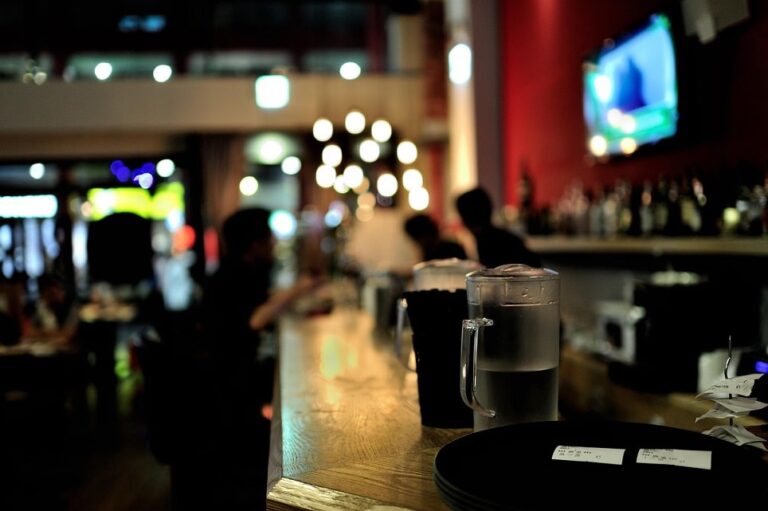
Immerse yourself in the vibrant culinary heartbeat of Spain’s capital, where time-honored traditions meet innovative flavors in every corner. This guide unlocks the secrets of savoring meals that reflect the city’s diverse soul, from steaming stews simmered for hours to crisp bites shared over lively conversations. Designed for those seeking genuine encounters beyond crowded tourist haunts, it navigates the rhythms of daily dining while highlighting spots cherished by residents.
Picture starting your day with a simple yet profound ritual: a crusty slice of bread rubbed with ripe tomato and drizzled with olive oil, paired with a thimble-sized espresso. As the sun climbs, transition to leisurely lunches that anchor the afternoon, followed by evening wanderings through narrow alleys alive with the clink of glasses and sizzle of griddles. These moments capture Madrid’s essence—a place where food serves as both sustenance and social glue.
With neighborhoods bursting at the seams with family-run tabernas and bustling markets offering seasonal treasures, opportunities abound for discovery. Whether you’re a first-time visitor or a returning aficionado, this roadmap emphasizes authenticity, encouraging you to linger at counters, engage with servers in animated exchanges, and let serendipity guide your plate. Embrace the unhurried pace that defines madrileño life, turning each bite into a story.
Grasping Madrid’s Dining Rhythm: Times and Traditions
The structure of a day in Madrid revolves around five distinct eating windows, each with its own customs and offerings. Mornings kick off lightly around 8 a.m. with a quick café con leche and perhaps a buttery croissant grabbed on the go, fueling the commute to work or school. By 11 a.m., a more substantial second breakfast emerges, often featuring a pincho de tortilla—a golden wedge of potato omelet skewered on bread—for that mid-morning lift.
Lunch, the undisputed highlight, unfolds between 2 and 4 p.m., transforming into a multi-course affair known as the menú del día. This fixed-price option typically includes a choice of soup or salad, a hearty main of meat or fish, dessert, bread, and a drink, all for 12 to 17 euros. Families and colleagues gather here, extending the meal into relaxed chats that stretch the afternoon.
Afternoon merienda around 6 p.m. bridges to dinner with sweet indulgences like churros dunked in thick hot chocolate or fresh pastries from neighborhood bakeries. Evenings ignite after 9 p.m., when tapas hopping takes center stage—small plates savored standing at bars, progressing from one spot to the next in a convivial crawl. This late timing reflects the city’s nocturnal pulse, where nightlife blends seamlessly with noshing.
Essential Etiquette for Seamless Integration
Assertiveness at the bar proves key: catch the server’s eye with a polite wave rather than waiting passively, as efficiency reigns in bustling spots. Sharing reigns supreme—order raciones, larger portions meant for the table, and pass plates family-style to foster that communal vibe. Bread arrives automatically but incurs a small charge, so specify “sin pan por favor” if opting out to keep tabs light.
No tipping culture dominates; a simple “gracias” or rounding up the bill suffices for exceptional service. Menus often skip English translations, so pointing or using basic phrases like “una caña, por favor” for a small beer unlocks doors. Patience pays off—kitchens operate on tight schedules, prioritizing quality over speed.
Signature Dishes: Flavors That Define the City
At the core of Madrid’s gastronomy lie dishes passed down generations, each telling a tale of resourcefulness and regional bounty. Cocido madrileño, the ultimate winter warmer, layers chickpeas, cabbage, carrots, and an array of meats like chorizo and morcilla in a slow-simmered broth, served in stages: clear soup first, then vegetables and finally the meats. This hearty ensemble, best on Thursdays or weekends, embodies homey comfort.
Tapas, the bite-sized stars, range from bravas—crispy potatoes slicked in a fiery tomato-aioli sauce—to gambas al ajillo, shrimp sautéed in olive oil fragrant with garlic and chili, arriving sizzling in earthenware cazuelas. For a lighter touch, boquerones en vinagre offer silky anchovies marinated in vinegar, their tang cut by sweet onions and a drizzle of oil. These classics, often gratis with drinks at old-school bars, invite endless sampling.
Sweets seal the deal with torrijas, thick bread slices soaked in milk and egg, fried golden and glazed with honey or syrup, evoking Easter festivities. Churros con chocolate, meanwhile, feature ridged doughnut-like pastries plunged into velvety, pudding-thick cocoa, a merienda must for crisp mornings or late-night cravings.
Seasonal Specialties to Seek Out
Winter calls for callos a la madrileña, tender tripe stewed with chorizo, blood sausage, and paprika for a spicy, soul-satisfying depth. Spring heralds caracoles, snails simmered in a garlicky broth, slurped from tiny bowls amid outdoor terrazas. Summer spotlights gazpacho, chilled tomato soup blended with cucumber, peppers, and bread for refreshing vibrancy.
Fall treasures setas, wild mushrooms grilled simply or stuffed with jamón, their earthy notes shining in rustic preparations. These rotations align with market hauls, ensuring freshness and variety in every season’s table.
Neighborhood Deep Dives: Local Haunts by District
La Latina pulses with tapas energy, its cobblestone streets thrumming from noon to midnight. Dive into Casa Toni on Calle de la Cruz, 14, where offal shines: try the callos or oreja a la plancha, pig’s ear crisped to chewy perfection. Nearby, Taberna Tempranillo at Calle Cava Baja, 38, pairs robust Riojas with platters of jamón ibérico, the acorn-fed ham sliced paper-thin for melt-away indulgence.
Malasaña’s bohemian edge favors unpretentious gems like La Tasquita de Enfrente on Calle de la Ballesta, 6, dishing daily specials from ensaladilla rusa—creamy potato salad studded with tuna—to huevos rotos, fried eggs cascading over fries and serrano ham. For a modern twist, El Cogollo de la Descarga in Calle Hileras, 6, reimagines northern fare with pulpo a la gallega, tender octopus drizzled in paprika oil.
Chueca’s vibrant scene spotlights Celso y Manolo at Calle Libertad, 1, a no-frills spot for chuletón de tomate—massive beefsteak tomatoes grilled rare—and carabineros, ruby-red prawns grilled whole. Venture to Angelita in the same hood for vermouth-fueled evenings, its wine list sprawling across 300 labels to complement croquetas de jamón.
Salamanca’s Refined Retreats
This upscale enclave balances elegance with approachability at Mercado de la Paz, where Casa Dani crafts Madrid’s premier tortilla española—runny-centered and potato-perfumed. Nearby, Jurucha on Calle Claudio Coello, 24, keeps it casual with pinchos gratinados, cheesy béchamel-topped toasts, and cañas for under 20 euros total.
For deeper dives, La Sanabresa in Calle Amor de Dios, 12, rolls out cocido on Tuesdays, a three-course steal including sopa de fideos and the full meat medley. These spots draw discerning locals who prize quality over flash.
Lavapiés’ Eclectic Edges
The multicultural mosaic here thrives at Mercado de San Fernando, where El Colmado stalls hawk empanadas stuffed with chorizo and bacon, their flaky pastry yielding to savory bursts. Taberna del Chato on Calle Andrés Mellado, 88 (nearby influence), mirrors this with paté de perdiz in tiny glasses, evoking Asturian simplicity.
La Berenjena at Calle del Marqués de Toca, 7, elevates burrata with local tomatoes, a creamy counterpoint in this diverse quarter. Wander for fusion finds, but anchor in these anchors of authenticity.
Markets as Culinary Crossroads
Mercado de San Miguel near Plaza Mayor dazzles with its iron-laced grandeur, a whirlwind of jamón carvers, oyster shuckers, and paella pans. Sample boquerones or patatas bravas at standing counters, where the buzz of haggling meets harmonious bites. Though busier than some, its variety—from Galician seafood to Riojan wines—mirrors the city’s breadth.
Mercado de Antón Martín in the center blends old-world charm with contemporary flair, its stands brimming with Asian spices alongside Castilian cheeses. Grab a stool for huevos rotos or fresh olives, chatting with vendors who share harvest tales. This spot embodies Madrid’s evolving palate, bridging traditions with global threads.
Vallehermoso, slightly off-center, charms with its mix of retro and revamped: Tripea inside offers Peruvian ceviches amid Asturian fabadas. It’s a locals’ haven for midday menús, where produce piles high and prices stay grounded.
Insider Market Strategies
Arrive early for the best picks—around 10 a.m.—to snag seasonal gems like spring artichokes or autumn chestnuts. Chat with purveyors for tips on pairings, like matching manchego with membrillo for sweet-savory balance. These hubs aren’t just shops; they’re living classrooms for flavor education.
Mostoles market near Gran Vía pulses with Latin American influences, from Venezuelan arepas to Mexican tacos, adding layers to the Spanish base. Budget 10 to 15 euros for a picnic haul, perfect for Retiro Park picnics.
Sipping Like a Madrileño: Beverages Beyond the Obvious
Vermouth, the ruby-hued aperitivo, anchors “la hora del vermut” from noon to 2 p.m., poured from taps at bars like Casa Labra on Calle Tetuán, 12. Garnished with orange twist and green olives, its herbal bitterness whets appetites for lunch, often accompanied by complimentary croquetas de bacalao. This ritual, revived in recent years, evokes grandparents’ gatherings with its bittersweet nostalgia.
Gin tonics elevate evenings, Madrid’s obsession yielding elaborate builds: Hendrick’s with cucumber and rosemary at speakeasies, or Beefeater with fever-tree tonic and juniper berries. Salterres, the local twist, layers gin, vermouth, and soda for effervescent refreshment. Seek them at Angelita, where mixologists craft 50 variations.
Caña, the modest 200ml draft beer, quenches casually—clara adds lemon for spritz-like fizz. For depth, explore sherries at Sanlúcar on Calle San Isidro Labrador, 14: fino’s nutty crispness pairs with Iberian pork, while amontillado’s oxidation brings caramel notes to stews.
Seasonal Sips and Pairings
Summer demands tinto de verano, red wine lightened with lemonade and orange slices, its chill cutting humid heat. Winter warms with ponche, rum-spiked hot chocolate shared post-churro raids. Always match drinks to dishes: caña with bravas’ spice, vermouth with salty jamón for harmony.
Non-alcoholic options abound—horchata, tiger nut milk, refreshes markets; granizado de limón, slushy lemon, cools terrazas. These choices keep hydration flavorful amid marathon meals.
Tapas Trails: Curated Crawls for Flavor Journeys
Launch in La Latina with a Sunday morning ramble: start at Casa Revuelta for soldaditos de bacalao, cod fritters dunked in garlicky alioli, then pivot to Mesón del Champiñón for chorizo-laced mushrooms. Weave to La Casa del Abuelo for gambas, their garlic steam perfuming the air, totaling under 30 euros for four. This route captures the quarter’s gregarious spirit.
Chueca’s evening path favors diversity: Celso y Manolo’s tomato chuletón leads to Lambuzo’s salmorejo, chilled gazpacho thickened with bread. End at Taberna Almería for tostas morcilla, blood sausage on grilled toast, with vermuts flowing. Pace yourselves—three to four stops prevent overload.
For off-path adventures, Delicias district hides Taberna Martín on Calle de las Delicias, 21, with huevos rotos and bull tail stew, far from Plaza Mayor crowds. Pair with Vinoteca Borboleta nearby for Riojan reds, extending the night economically.
2025 Twists: Emerging Hotspots
Fresh trends infuse classics: smash burgers at pop-ups in Malasaña, their juicy patties nodding to American imports but topped with jamón. Tuna crudo at coastal-inspired bars like Estimar Madrid slices ruby loins sashimi-style, drizzled in soy-lime. Vegetable-forward spots like El Invernadero in Chamberí grill heirloom tomatoes with herb emulsions, earning green accolades.
Basque bistros such as Haramboure in Salamanca reinterpret pintxos with grilled artichokes and txakoli wines. These evolutions keep the scene dynamic, blending heritage with horizon-expanding novelty.
Pro Tips for Authentic Immersion
- Master the Art of Bar Navigation: Position yourself at the counter for quickest service and freshest plates, as standing fosters that insider flow. Observe locals ordering one tapa at a time to gauge portions, then replicate to avoid waste. This tactic not only saves euros but immerses you in the bar’s theatrical rhythm.
- Leverage Menú del Día for Value: Hunt these lunch specials midweek at neighborhood comedores, where house wines flow freely with multi-course spreads. Inquire about daily rotations to snag seasonal gems like fresh percebes, goose barnacles. It’s the smartest way to sample broadly without breaking budgets.
- Embrace Vermouth Hour Rituals: Time arrivals for noon pours at historic tabernas, pairing with anchovy olives for perfect synergy. Request “de grifo” for tap-fresh authenticity, and linger for stories from barkeeps. This practice unlocks Madrid’s social undercurrents effortlessly.
- Explore Markets Mid-Morning: Venture before crowds peak to haggle gently for cheeses or figs, building rapport with vendors for future tips. Sample proffered bites like jamón shavings to inform purchases, turning shopping into education. Early visits yield the ripest finds and serene atmospheres.
- Adapt to Late Nights Gracefully: Pack light for evening crawls, focusing on fluid progressions from light bites to heartier raciones as hunger builds. Hydrate with claras between stops to sustain stamina, ensuring joy over fatigue. This pacing mirrors madrileño endurance.
- Seek Family-Run Gems: Prioritize centenary spots like Botín for cochinillo, where recipes endure unchanged for authenticity’s sake. Chat with multi-generational staff for off-menu rarities, deepening connections. These anchors preserve the city’s flavorful lineage.
- Incorporate Walks Between Bites: Stroll Retiro or paseos along Gran Vía post-meal to digest and discover serendipitous stands. Use these interludes for people-watching, absorbing the blend of old and new. Movement enhances appreciation, weaving food into the urban tapestry.
Frequently Asked Questions
What’s the best way to avoid tourist traps?
Steer toward residential neighborhoods like Chamberí or Usera, where locals dominate unassuming tabernas. Cross-reference apps with on-foot intuition—bustling with Spanish chatter signals genuineness. Prioritize weekday visits to sidestep weekend influxes.
How much should I budget per person for a tapas crawl?
Plan 25 to 40 euros, covering four to six raciones and drinks across three bars. Opt for standing to minimize costs, and share plates liberally. Factor in rounding up for service without obligatory tips.
Are vegetarian options plentiful in traditional spots?
Yes, from patatas bravas to grilled pimientos de padrón, many classics adapt easily. Seek setas or espinacas con garbanzos at markets for hearty alternatives. Communicative ordering yields creative tweaks like jamón-free croquetas.
When is the ideal time for market visits?
Mid-mornings from 10 to 11:30 a.m. balance selection and serenity, before lunch rushes. Weekends amplify energy for special stalls, but weekdays offer haggling leeway. Align with personal energy for unhurried explorations.
How do I order drinks confidently?
Start with “una caña” for beer or “vermut con sifón” for spritzy vermouth, gesturing sizes if unsure. Practice phrases like “más hielo, por favor” for customizations. Servers appreciate enthusiasm over perfection.
Conclusion
Navigating Madrid’s edible landscape reveals a tapestry woven from communal tables, aromatic alleys, and unyielding traditions, where every forkful fosters belonging. From dawn’s tostadas to dusk’s vermuts, these experiences transcend mere meals, etching the city’s vivacity into memory. As 2025 unfolds with its fusion flares and steadfast staples, carry this blueprint to savor not just the food, but the fellowship it ignites—proving Madrid’s true feast lies in its heartfelt hospitality.