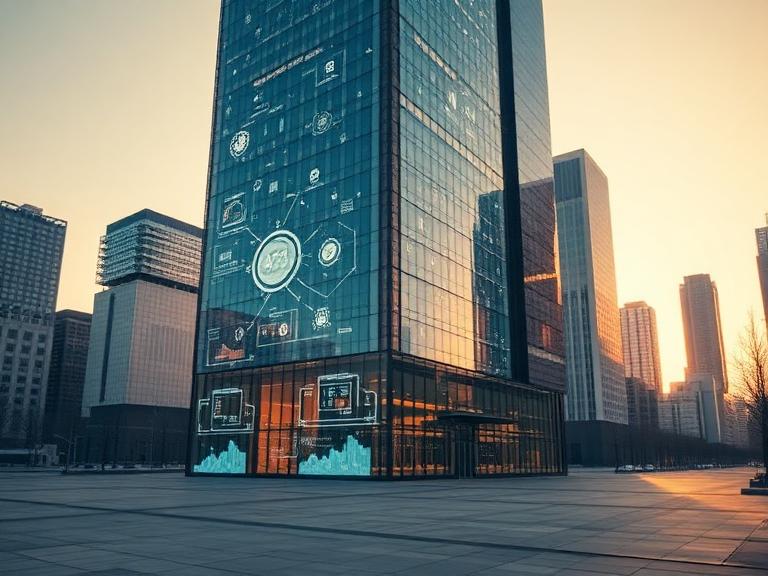
The commercial real estate (CRE) industry is undergoing a seismic shift, driven by the rapid adoption of digital twin technology. No longer just a futuristic concept, digital twins are now a cornerstone of smart building management, portfolio optimization, and data-driven decision-making. By creating dynamic, real-time virtual replicas of physical assets, digital twins enable property owners, investors, and facility managers to monitor performance, predict maintenance needs, optimize space utilization, and enhance sustainability—all while significantly reducing costs and maximizing asset value.
In 2026, the global market for digital twin technology in real estate is projected to exceed $74 billion, with a compound annual growth rate (CAGR) of over 34% through 2033. This explosive growth is fueled by the increasing integration of IoT sensors, AI-driven analytics, and cloud-based platforms, which allow for continuous data collection, real-time simulations, and predictive insights that were previously unimaginable.
This guide explores how digital twin technology is revolutionizing commercial real estate, offering a step-by-step breakdown of its leading use cases, implementation strategies, and measurable benefits. Whether you’re a property developer, asset manager, or investor, this article will equip you with the knowledge to leverage digital twins for competitive advantage, operational excellence, and long-term portfolio growth.
What is a Digital Twin in Commercial Real Estate?
A digital twin is a virtual, data-rich replica of a physical asset—such as a building, campus, or entire portfolio—that updates in real time based on inputs from IoT sensors, BMS (Building Management Systems), and other connected devices. Unlike static 3D models, digital twins are dynamic, interactive, and predictive, enabling stakeholders to:
- Simulate scenarios (e.g., energy efficiency upgrades, lease optimizations, or disaster response).
- Monitor asset health (e.g., HVAC performance, structural integrity, or occupancy patterns).
- Automate decision-making (e.g., predictive maintenance, space reconfiguration, or sustainability compliance).
In commercial real estate, digital twins are transforming every phase of the asset lifecycle, from design and construction to operations and divestment. By 2026, 85% of institutional investors expect AI and digital twin tools to become standard in due diligence, risk assessment, and portfolio management, according to CBRE’s 2024 Global Investor Survey.
Why Digital Twins Are a Game-Changer for CRE Portfolios
The adoption of digital twins in commercial real estate is accelerating due to three core drivers:
- Operational Efficiency: Digital twins reduce maintenance costs by up to 30% and energy consumption by 20–30% through predictive analytics and automated system adjustments (Honeywell Forge, 2025).
- Data-Driven Decision Making: By aggregating data from IoT devices, tenant feedback, and market trends, digital twins provide actionable insights for lease optimization, capital expenditure planning, and risk mitigation.
- Sustainability and Compliance: With global net-zero targets looming, digital twins help buildings achieve SmartScore certifications, reduce carbon footprints, and comply with ESG regulations—all while lowering insurance premiums and attracting eco-conscious tenants.
Key Benefits of Digital Twins in CRE
- Predictive Maintenance: AI-powered digital twins analyze equipment performance data to forecast failures before they occur, reducing downtime and repair costs.
- Space Optimization: Real-time occupancy tracking identifies underutilized areas, enabling flexible workspace designs and higher rental yields.
- Energy Management: Digital twins automate HVAC, lighting, and renewable energy systems, cutting utility bills by 15–25% (Siemens Advanta, 2025).
- Tenant Experience: Interactive 3D models and AR-powered virtual tours enhance leasing conversions and tenant satisfaction.
- Portfolio-Level Insights: Unified digital twin platforms allow cross-asset benchmarking, helping investors prioritize high-performing properties and divest underperforming ones.
Top 5 Use Cases of Digital Twins in Commercial Real Estate (2026)
Digital twins are being deployed across the CRE spectrum, from single buildings to city-wide portfolios. Here are the five most impactful applications in 2026:
1. Smart Building Management
Digital twins integrate with BMS, IoT sensors, and AI to automate climate control, security, and maintenance.
Example: Singapore’s Smart City initiative uses digital twins to reduce energy use by 30% and cut manpower needs by 50% in commercial buildings.
2. Predictive Maintenance and Asset Longevity
By analyzing vibration, temperature, and usage data, digital twins predict equipment failures and extend asset lifecycles.
Case Study: A London-based CRE firm used digital twins to reduce maintenance costs by 28% and increase HVAC efficiency by 22%.
3. ESG and Sustainability Optimization
Digital twins simulate energy-saving scenarios, such as solar panel placement, LED retrofits, or water recycling systems, to meet net-zero goals.
Stat: 68% of CRE investors now require digital twin-driven ESG reporting before acquisition (Deloitte, 2025).
4. Virtual Leasing and Tenant Engagement
AR/VR-powered digital twins enable remote property tours, interactive floor plans, and customizable lease simulations.
Trend: 72% of commercial tenants prefer virtual walkthroughs over in-person visits (JLL, 2025).
5. Portfolio-Level Risk and Valuation Analysis
Digital twins aggregate data across multiple properties to assess flood risks, tenant credit scores, and market volatility.
Insight: Buildings with digital twins sell 12% faster and at 8% higher valuations due to transparency and reduced due diligence risks (Realcomm, 2025).
How to Implement Digital Twin Technology in Your CRE Portfolio
Adopting digital twins requires a strategic, phased approach. Here’s a step-by-step roadmap for 2026:
1. Define Your Objectives
Are you focusing on energy efficiency, tenant experience, or portfolio valuation? Align your digital twin strategy with measurable KPIs.
2. Select the Right Technology Partners
Leading digital twin platforms for CRE include:
- Siemens Advanta (predictive maintenance)
- Honeywell Forge (energy optimization)
- Archilogic (space planning and AR tours)
- Twinview (portfolio-level analytics)
3. Integrate IoT and Data Sources
Deploy smart sensors for HVAC, lighting, occupancy, and structural health.
Connect your digital twin to BMS, ERP, and tenant feedback systems for real-time updates.
4. Pilot with a Single Asset
Start with a high-value property (e.g., a Class A office tower) to test ROI before scaling.
5. Scale Across Your Portfolio
Use cloud-based digital twin platforms to unify data from multiple buildings and enable cross-asset analytics.
Pro Tips for Maximizing Digital Twin ROI
- Start Small, Think Big: Begin with a pilot project, then expand to your entire portfolio as you refine your strategy.
- Prioritize Data Quality: Ensure your IoT sensors and BMS systems provide accurate, real-time data for reliable insights.
- Train Your Team: Invest in digital twin literacy for your facility managers, leasing agents, and analysts.
- Leverage AI and Machine Learning: Use predictive analytics to turn data into actionable recommendations.
- Monitor KPIs Continuously: Track energy savings, maintenance cost reductions, and tenant satisfaction scores to measure success.
Frequently Asked Questions (FAQs)
What is the average cost of implementing a digital twin in a commercial building?
The cost varies based on building size and complexity, but most CRE firms report an initial investment of $50,000–$200,000 for a single asset, with ROI achieved within 12–24 months through energy and maintenance savings.
Can digital twins integrate with existing BMS and ERP systems?
Yes, modern digital twin platforms are designed to seamlessly integrate with popular BMS (e.g., Siemens, Honeywell) and ERP systems (e.g., Yardi, MRI Software).
How do digital twins improve tenant retention?
By enabling personalized space configurations, real-time issue resolution, and interactive leasing experiences, digital twins enhance tenant satisfaction and reduce turnover.
Are digital twins only for large portfolios?
No, digital twins are scalable and can be deployed for single buildings, small portfolios, or city-wide campuses. Cloud-based solutions make them accessible for firms of all sizes.
What are the biggest challenges in adopting digital twins?
The main hurdles include data silos, upfront costs, and resistance to change. However, partnering with experienced vendors and starting with a pilot project can mitigate these risks.
Conclusion
Digital twin technology is no longer a luxury—it’s a necessity for competitive commercial real estate portfolios. By providing real-time insights, predictive analytics, and automated efficiency gains, digital twins empower CRE professionals to maximize asset value, reduce operational costs, and future-proof their investments.
As the industry continues to evolve, early adopters of digital twins will gain a significant competitive edge, attracting higher-quality tenants, achieving superior ESG ratings, and commanding premium valuations. Whether you’re just beginning your digital transformation journey or looking to scale existing initiatives, now is the time to harness the power of digital twins and unlock the full potential of your commercial real estate portfolio.