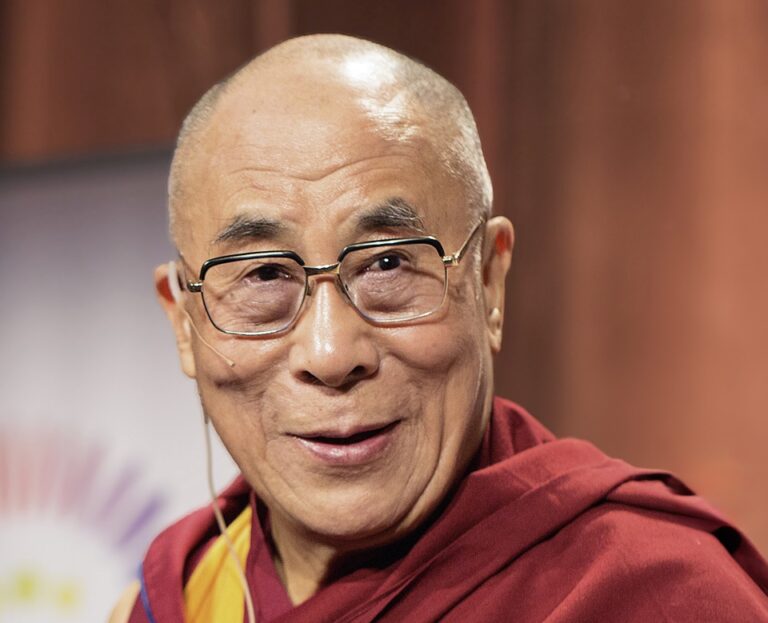
The spiritual lineage of the Dalai Lama, revered as the embodiment of compassion in Tibetan Buddhism, has long intertwined with the political fortunes of the Himalayan region. In early July 2025, as the 14th Dalai Lama approached his 90th birthday, he issued a pivotal statement clarifying the path forward for his institution, emphasizing reincarnation in a free world and entrusting the selection process solely to a dedicated trust. This declaration, delivered from his exile home in Dharamshala, India, directly challenged Beijing’s longstanding assertions of authority over Tibetan religious affairs, reigniting a decades-old standoff that underscores the fragility of cultural preservation amid geopolitical maneuvering.
Beijing’s swift dismissal of the announcement, labeling it a violation of historical conventions and national law, has amplified fears of a schism within Tibetan Buddhism. The Chinese government’s insistence on approving any successor through mechanisms like the Golden Urn lottery system evokes painful memories of past interventions, such as the 1995 disappearance of the Panchen Lama recognized by the Dalai Lama. As winter sets in across the Tibetan plateau by late November 2025, the dispute’s chill extends beyond the mountains, straining diplomatic ties with nations hosting Tibetan exiles and prompting calls from human rights advocates for non-interference in sacred traditions.
This escalation occurs against a backdrop of simmering autonomy aspirations in Tibet, where state policies on language, religion, and education continue to draw international scrutiny. The Dalai Lama’s Middle Way approach—seeking genuine autonomy within China rather than full independence—has garnered global sympathy, yet Beijing views it as veiled separatism. With the spiritual leader’s health remaining a private matter, the succession question looms as a potential flashpoint, capable of mobilizing diaspora communities and influencing bilateral relations from Washington to New Delhi.
Historical Roots of the Succession Conflict
The institution of the Dalai Lama traces its origins to the 15th century, evolving into a dual role of spiritual guide and temporal ruler for Tibetans. Recognized at age two as the 14th incarnation, Tenzin Gyatso assumed full responsibilities in 1950, just as Chinese forces consolidated control over the region following the People’s Liberation Army’s entry. The subsequent annexation formalized Beijing’s claim, but resistance culminated in the 1959 Lhasa uprising, forcing the young leader into exile with thousands of followers. This exodus not only preserved Tibetan Buddhism’s continuity abroad but also transformed the Dalai Lama into an international symbol of nonviolent advocacy for cultural rights.
Over the ensuing decades, tensions have periodically flared through self-immolations, monastic crackdowns, and restrictions on religious practice. Beijing’s narrative frames these as internal matters of sovereignty, promoting a vision of harmonious integration under the region’s “liberation.” Yet, reports from within Tibet highlight enforced Sinicization, including mandatory boarding schools that separate children from traditional teachings and surveillance of pilgrimage sites. The succession issue, dormant yet ever-present, gained urgency as the Dalai Lama entered his ninth decade, prompting preemptive clarifications to safeguard the lineage from state co-optation.
The Golden Urn Legacy and Precedents of Interference
Central to China’s position is the 18th-century Golden Urn system, introduced during the Qing Dynasty to legitimize imperial oversight of reincarnations among high lamas. Beijing revives this as a tool for continuity, arguing it ensures stability and prevents factionalism. However, Tibetan scholars contend the method was inconsistently applied and often bypassed for politically expedient choices, serving more as a mechanism of control than religious purity. The 11th Panchen Lama’s death in 1989 exemplified this clash: the Dalai Lama identified a six-year-old boy in eastern Tibet, only for Chinese authorities to abduct him days later, installing a state-approved alternative who now holds official positions in Beijing.
This precedent haunts current deliberations, with the missing Panchen Lama—Gedhun Choekyi Nyima—remaining unseen for three decades, his fate a stark emblem of religious suppression. Advocacy groups document over 150 similar cases of enforced disappearances tied to spiritual leadership, underscoring a pattern where faith intersects with security imperatives. As the Dalai Lama’s statement invoked protections against such overreach, it resonated deeply with practitioners wary of diluted authenticity in any government-vetted successor.
The historical friction extends to broader cultural erosions, where monastic libraries face censorship and nomadic lifestyles yield to resettlement programs. These policies, justified as poverty alleviation, have displaced communities and eroded oral traditions vital to reincarnation searches. International observers note that while economic development has lifted metrics in urban centers, rural Tibetans grapple with identity loss, fueling quiet dissent channeled through exile networks.
The Pivotal July 2025 Statement
On July 2, 2025, four days before his milestone birthday, the Dalai Lama released a concise yet resolute message via social media and official channels, affirming the persistence of his office beyond his lifetime. He delineated that reincarnation would occur naturally, with the successor’s identification falling exclusively to the Gaden Phodrang Trust, an entity he established to oversee such matters. This body, comprising trusted advisors and monastic representatives, would consult protective deities and adhere to Gelugpa traditions without external imposition.
Emphasizing universality, the leader clarified that the next incarnation could be of any gender, born in a “free country” to evade territorial constraints. This nod to flexibility addressed earlier speculations of abolishing the institution or lifetime empowerment transfers, opting instead for continuity amid adaptation. Celebrations in Dharamshala drew thousands, blending prayer wheels with calls for solidarity, as monks chanted mantras echoing the resolve to protect Tibetan dharma from politicization.
The announcement’s timing, amid birthday festivities, amplified its symbolic weight, coinciding with global tributes from Nobel laureates and faith leaders. It built on a 2011 declaration rejecting premature searches or state approvals, reinforcing that only high lamas and the trust hold legitimacy. For followers, this clarity dispelled uncertainties, fostering hope that the lineage’s essence—compassionate leadership—would endure unscathed by authoritarian designs.
Beijing’s Firm Rebuttal and Escalatory Rhetoric
Within hours, China’s Foreign Ministry spokesperson Mao Ning countered that reincarnations must align with national regulations and historical rites, underscoring central government approval as non-negotiable. This stance, reiterated in state media, portrayed the Dalai Lama’s plan as disruptive to social harmony, accusing exile elements of foreign meddling. Tibetan officials in Beijing echoed this, warning that deviations could incite unrest and undermine ethnic unity policies.
By mid-July, the Chinese embassy in New Delhi labeled the succession a “thorn” in bilateral ties, urging India to refrain from involvement. Ambassador Xu Feihong detailed the Golden Urn’s purported sanctity, framing it as a safeguard against chaos. This diplomatic salvo, amid border negotiations, hinted at leverage points where religious disputes could derail economic dialogues or military disengagements.
August Developments and the ‘Final Say’ Assertion
In August 2025, a senior Tibetan official in Lhasa declared Beijing’s “final say” on reincarnations, citing precedents from imperial eras and modern statutes. This pronouncement, covered extensively in domestic outlets, aimed to normalize state oversight as benevolent guardianship. Yet, it provoked underground murmurs in monasteries, where novices whispered of boycotting any imposed figure, preserving allegiance to the exile lineage.
October saw further hardening, with policy think tanks in Beijing publishing analyses decrying the trust’s extraterritorial claims as separatist ploys. These documents advocated enhanced vetting of monastic candidates and digital surveillance of reincarnation lore dissemination. Such measures, while framed as counter-extremism, have chilled religious discourse, with reports of increased patrols around sacred lakes traditionally consulted for omens.
The rhetoric’s intensity reflects deeper anxieties: a successor beyond Beijing’s purview could galvanize global Buddhist networks, amplifying calls for accountability on human rights. State responses have included amplified propaganda on “harmonious” Tibetan life, showcasing restored temples under party guidance, though critics highlight aesthetic overhauls that strip indigenous iconography.
Implications for Autonomy and Cultural Survival
The unfolding crisis imperils the Middle Way’s viability, as a contested successor might fracture unified advocacy for self-rule. Tibetan exiles fear that Beijing’s parallel appointment could delegitimize the movement, portraying it as elitist while co-opting popular devotion. Within Tibet, where devotion persists covertly, this duality risks sowing confusion among the faithful, potentially eroding morale in autonomy pursuits.
Economically, the dispute intersects with resource extraction debates, where mining concessions clash with environmental stewardship rooted in Buddhist ethics. A unified spiritual voice has historically mobilized opposition to such ventures; fragmentation could mute these, advancing Han migration and infrastructure that dilute demographic balances. Linguistically, Mandarin’s primacy in schools compounds identity threats, with succession turmoil possibly accelerating assimilation drives.
Potential ramifications of this impasse include:
- Dual Lineages and Schism Risks: Emergence of two claimants could mirror the Panchen precedent, dividing practitioners and weakening collective bargaining for reforms. This fragmentation might embolden authorities to favor the state version in official capacities, marginalizing the exile-recognized figure among international adherents. Ultimately, it threatens the cohesive narrative of Tibetan resilience that has sustained resistance for generations.
- Heightened Surveillance in Sacred Sites: Increased monitoring of oracles and pilgrimage routes may stifle traditional divinations, replacing them with scripted ceremonies. Such intrusions not only violate sanctity but also deter participation, fostering isolation from communal rites essential for cultural transmission. Over time, this could accelerate the erosion of esoteric knowledge passed orally through lineages.
- Diplomatic Ripples in Asia: Strains with India, host to the largest diaspora, might stall border pacts, reviving territorial frictions. Neighboring nations like Nepal could face pressure to extradite activists, complicating refugee flows and regional stability. The broader Indo-Pacific balance tilts if religious freedom becomes a proxy for great-power contestation.
- Global Buddhist Community Fractures: With millions of followers worldwide, a legitimacy contest could polarize sanghas, from Thai temples to American centers, debating recognition. This discord might dilute the Dalai Lama’s unifying influence on interfaith dialogues, diminishing advocacy for nonviolence amid rising authoritarianism. Philanthropic support for preservation efforts could waver in the ensuing confusion.
- Human Rights Escalations: Anticipatory crackdowns, including detentions of vocal monks, signal preemptive suppression, drawing UN scrutiny. Documented cases of torture in reeducation facilities underscore the human cost, galvanizing campaigns that link spiritual autonomy to broader freedoms. International pressure might yield sanctions, though enforcement remains uneven.
- Economic Leverage Plays: Beijing could tie trade incentives to non-recognition of the exile successor, pressuring economically vulnerable hosts. This tactic, seen in African infrastructure deals, extends to cultural spheres, where funding for heritage sites comes conditioned on compliance. It exemplifies soft power’s coercive underbelly in religious domains.
- Youth Disengagement Fears: Among diaspora youth, confusion over authenticity might foster apathy toward heritage, accelerating assimilation in host societies. Preservation programs, reliant on elder guidance, face succession voids that hinder engagement, perpetuating a cycle of cultural dilution. Revitalization hinges on clear leadership to inspire continuity.
- Environmental Advocacy Setbacks: The Dalai Lama’s ecology teachings, integral to Tibetan worldview, lose potency if spiritual authority splinters. Campaigns against glacial melt and river damming, vital for downstream Asia, depend on moral suasion; division could sideline these, exacerbating climate vulnerabilities in the world’s highest plateau.
These dynamics illustrate how a spiritual transition morphs into a fulcrum for existential stakes, where faith’s purity contends with power’s pragmatism. Preservationists advocate archiving rituals digitally, yet analog traditions resist such dilutions, highlighting the chasm between adaptation and authenticity.
International Community’s Measured Responses
The United States has consistently urged cessation of interference, with State Department spokespersons in July 2025 reaffirming religious freedom as a bilateral priority. Congressional resolutions echoed this, linking Tibet policy to trade reviews, though executive caution tempers escalation amid economic interdependencies. Visits by lawmakers to Dharamshala underscore symbolic solidarity, amplifying voices from the Central Tibetan Administration.
European Parliament members, numbering 34 in a July letter, implored Beijing to honor the trust’s autonomy, framing it as a litmus for EU-China human rights dialogues. The United Kingdom, post-Brexit, has hosted forums on reincarnation rights, integrating them into broader Uyghur-Tibetan advocacy. These overtures, while vocal, navigate commercial realities, with rare earth dependencies curbing confrontational postures.
India’s Delicate Balancing Act
As sanctuary to over 100,000 exiles, India treads a razor edge, enhancing security around the Dalai Lama without formal endorsements that provoke retaliation. Border skirmishes in Ladakh linger as reminders of flashpoint potential, yet cultural affinities—shared Himalayan heritage—bolster unofficial support. New Delhi’s silence on the announcement preserves deniability, allowing quiet facilitation of trust operations.
Domestic voices, from Bollywood to academia, rally around the figure, with petitions urging constitutional protections for minority faiths. This grassroots fervor contrasts official reticence, highlighting federalism’s role in sheltering dissent. As monsoon floods recede into autumn, joint environmental initiatives with Tibetans subtly advance soft diplomacy, weaving autonomy narratives into climate cooperation.
Australia and Canada, with burgeoning diasporas, have convened parliamentary hearings, dissecting interference’s precedents. These platforms foster transnational networks, where Australian Aboriginal parallels enrich discussions on indigenous spiritual sovereignty. Such analogies broaden appeal, positioning the cause within decolonization discourses.
The Gaden Phodrang Trust’s Pivotal Mandate
Established in 2011, the trust embodies forward-thinking stewardship, comprising jurists, monastics, and lay experts versed in canon law. Its charter mandates consultations with oracles like Nechung, dream interpretations, and lake divinations—hallmarks of Gelugpa verification. Headquartered in Dharamshala, it operates discreetly, archiving precedents to guide post-mortem searches spanning years if needed.
Challenges abound: funding relies on global donations, vulnerable to geopolitical winds, while talent pools shrink with elder passings. Training programs for young geshes emphasize ethical discernment, preparing for scrutiny that may greet any child candidate. The trust’s neutrality—eschewing political activism—lends credibility, yet Beijing’s designations of affiliates as threats complicate travel and communications.
In November 2025, preliminary workshops reviewed 18th-century texts, refining protocols against modern forgeries. Participants, drawn from Sera and Drepung monasteries, stressed inclusivity, debating female candidacy’s logistics. This preparatory rigor signals commitment to resilience, transforming potential vulnerability into fortified tradition.
Geopolitical Shadows and Exile Perspectives
The succession’s ripples extend to Indo-Pacific strategies, where Tibet’s rivers feed billions downstream, linking water security to spiritual guardianship. Beijing’s dam cascades, critiqued for seismic risks, underscore ecological stakes; a contested Dalai Lama might mute transboundary advocacy, favoring unilateral developments. U.S. Indo-Pacific frameworks increasingly reference religious pluralism, tying aid to non-interference benchmarks.
Exile parliamentarians in Bodh Gaya decry the impasse as cultural erasure’s zenith, with MPs like Youdon Aukatsang asserting Beijing’s failures in hearts despite coercive apparatuses. Youth forums blend hip-hop with thangka art, innovating outreach to counter apathy. These efforts, from podcast series on reincarnation lore to VR temple tours, democratize heritage, ensuring vibrancy amid transience.
Expert Analyses and On-the-Ground Realities
Scholars like Dibyesh Anand at Westminster University predict a protracted dualism, where resource asymmetry favors imposition yet moral authority endures with the free-world heir. On the plateau, herders report whispered networks sustaining devotion, evading apps that flag Dalai imagery. Such ingenuity—smuggled amulets, coded songs—embodies quiet defiance, sustaining flames against assimilation’s gales.
Amnesty International’s July call to end meddling highlighted secrecy’s toll, from Panchen’s void to monastic purges. UN experts in Geneva condemned patterns of control, urging special rapporteur probes. These indictments, though symbolic, bolster legal arsenals for future reckonings, framing succession as emblematic of covenantal breaches.
The horizon holds contingencies: health vicissitudes could accelerate timelines, prompting trust mobilizations or Beijing pre-emptions. Diaspora remittances, funding schools in Nepal, hinge on inspirational continuity; fractures could strain these lifelines, imperiling education’s role in identity forging.
Conclusion
As November 2025 wanes, the Dalai Lama succession dispute encapsulates the perennial tussle between sacred autonomy and secular dominion, with the 14th leader’s July clarifications fortifying a legacy against encroachments while Beijing’s rebuttals entrench divides. From Golden Urn invocations to trust mandates, historical precedents clash with contemporary safeguards, portending dual paths fraught with schisms, diplomatic frictions, and cultural perils. International entreaties for restraint underscore shared stakes in pluralism, yet resolutions demand dialogues bridging exile enclaves and plateau enclaves. In this crucible, Tibetan Buddhism’s endurance—rooted in compassion’s unyielding light—illuminates prospects for reconciliation, where reverence for tradition tempers power’s ambitions, ensuring the dharma’s whisper persists across divides.