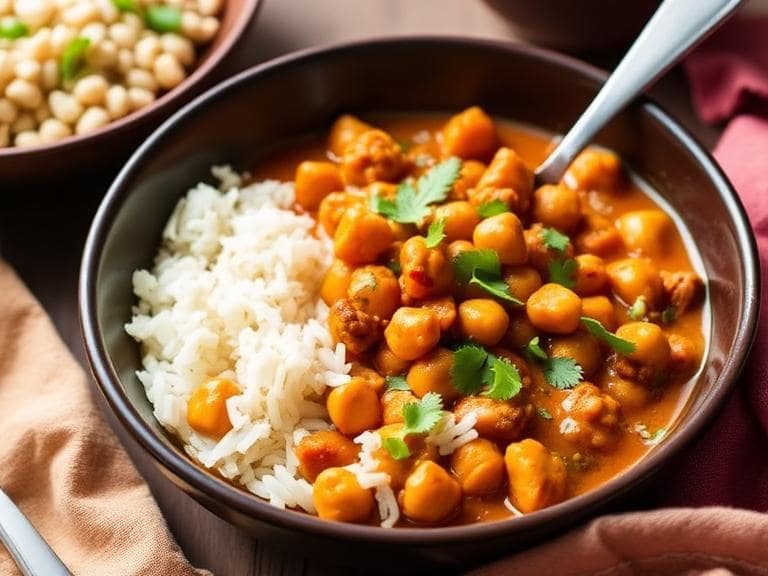
Embarking on the culinary journey of making chickpea curry is to explore a world of rich flavors, comforting textures, and nourishing ingredients. This beloved dish, known in many cultures but perhaps most famously as Chana Masala in Indian cuisine, represents more than just a meal; it’s a versatile staple that can be tailored to any palate. Whether you are a seasoned home cook looking to perfect your technique or a beginner seeking a reliable, one-pot wonder, mastering chickpea curry unlocks a cornerstone of plant-based cooking. It’s a symphony of spices, where cumin, coriander, turmeric, and garam masala come together to create a deeply aromatic sauce that perfectly coats the tender, protein-packed chickpeas. This guide will walk you through every detail, from selecting the right ingredients to achieving the perfect consistency, ensuring your homemade curry rivals any you’ve tasted in a restaurant.
Beyond its irresistible taste, chickpea curry stands as a nutritional powerhouse. It is inherently vegan and gluten-free, making it an inclusive option for various dietary needs. Chickpeas themselves are an excellent source of plant-based protein, fiber, and essential minerals like iron and folate. When combined with tomatoes, onions, garlic, and ginger, the dish becomes a robust source of antioxidants and anti-inflammatory compounds. This combination of flavor and health is precisely why it has become a global favorite for quick weeknight dinners, meal-prepped lunches, and even celebratory feasts. Understanding the balance of spices and the cooking process is key to transforming simple pantry items into an extraordinary dish.
Our comprehensive guide is designed to demystify the process. We will delve into the core components, explore crucial preparation techniques like blooming spices, and provide clear, actionable steps. We’ll also cover essential pro tips for customization and troubleshooting common issues, ensuring your curry is successful every single time. By the end of this tutorial, you will not only have a delicious pot of curry but also the confidence and knowledge to make it your own, adjusting heat levels, ingredients, and cooking methods to suit your preferences. Let’s begin by gathering the foundational elements needed to build the complex flavor profile that defines an exceptional chickpea curry.
Essential Ingredients and Their Roles
Creating an authentic and flavorful chickpea curry requires a thoughtful assembly of ingredients. Each component plays a specific role in building the dish’s depth, from providing a hearty base to layering intricate spices. Using high-quality, fresh ingredients will significantly elevate the final result. Below is a detailed breakdown of what you’ll need, categorized for clarity, along with explanations of why each item is important.
Core Ingredients
The foundation of the curry consists of a few key items that provide its body, protein, and primary texture.
- Chickpeas (Garbanzo Beans): You can use either canned chickpeas for convenience or dried chickpeas that you soak and cook yourself. Dried chickpeas, while requiring more planning, often yield a slightly better texture and allow you to control the salt content. Canned chickpeas should be thoroughly rinsed and drained to remove the excess sodium and the starchy liquid they are packed in. They are the star of the dish, offering a creamy, nutty base that absorbs the surrounding flavors beautifully.
- Onions: Finely diced yellow or white onions are crucial. They form the aromatic base (along with garlic and ginger) that is sautéed until soft and golden. This process, known as making a “sofrito” or “bhuna,” caramelizes the natural sugars in the onions, creating a foundational sweetness and depth that balances the spices. Take your time with this step; rushing it can result in a less complex flavor profile.
- Tomatoes: Crushed tomatoes, tomato puree, or freshly grated ripe tomatoes provide the liquid base and a vital tangy acidity. This acidity helps cut through the richness of the spices and coconut milk (if used). Using good-quality canned crushed tomatoes is perfectly acceptable and often more consistent than out-of-season fresh tomatoes. The tomatoes simmer down to create a thick, cohesive sauce that binds the curry together.
- Fresh Aromatics: Garlic and ginger are non-negotiable. Freshly minced garlic and grated ginger offer a pungent, sharp, and warm base note that ground powders cannot replicate. They are typically added to the cooked onions and cooked briefly to mellow their raw bite before the spices join the pan. Some recipes also include a fresh green chili for an additional layer of heat.
The Spice Cabinet
This is where the magic happens. The combination and treatment of spices define the curry’s character. Whole spices are often toasted in oil at the beginning to release their essential oils, while ground spices are added later to infuse the sauce.
- Whole Spices: Cumin seeds and black mustard seeds are common starters. When heated in oil, they crackle and pop, releasing a nutty, smoky aroma that permeates the entire dish. A bay leaf or two might also be added at this stage for a subtle herbal note.
- Ground Spices: The quintessential blend includes ground coriander, turmeric, and garam masala. Coriander offers a citrusy, floral note. Turmeric provides earthy warmth and the classic golden hue. Garam masala, a blend of warming spices like cardamom, cloves, and cinnamon, is usually added towards the end of cooking to preserve its delicate fragrance. Red chili powder or cayenne pepper controls the heat level.
- Finishing Touches: Kasuri methi (dried fenugreek leaves) is a secret weapon for authenticity. Crushed between your palms and stirred in at the end, it adds a subtle, bitter-celery-like aroma that is unmistakable. Fresh cilantro (coriander leaves) is used as a garnish for a burst of color and freshness.
Cooking Fat and Liquids
The choice of fat and liquid influences the curry’s richness and dietary profile.
- Cooking Fat: A neutral oil with a high smoke point, like avocado or vegetable oil, is standard. For a traditional flavor, ghee (clarified butter) is unparalleled, offering a rich, nutty depth. Vegan butter or coconut oil are excellent plant-based alternatives that also carry flavor well.
- Liquid: Water or vegetable broth is used to achieve the desired consistency. For a creamier, richer curry, full-fat coconut milk or coconut cream can be stirred in during the final simmer. This is a popular variation that adds a slight sweetness and luxurious texture, beautifully complementing the warm spices.
Step-by-Step Cooking Instructions
Now that the ingredients are assembled, we move to the practical execution. This process is methodical, and each step builds upon the last to develop layers of flavor. Follow these instructions closely for a foolproof result.
Step 1: Preparation is Key
Before you turn on the stove, ensure all your ingredients are prepped and within reach—a practice chefs call “mise en place.” Drain and rinse your chickpeas if using canned. Finely dice the onions, mince the garlic, grate the ginger, and measure out all your spices. Having everything ready prevents scrambling mid-cook and ensures you can focus on the timing, especially when dealing with toasting spices which can burn in seconds.
Step 2: Bloom the Whole Spices
Heat your chosen fat in a large, heavy-bottomed pot or Dutch oven over medium heat. Add the whole cumin seeds and mustard seeds. Allow them to sizzle for 30-45 seconds until they become fragrant and the mustard seeds begin to pop. This step, known as “tadka” or “chaunk,” infuses the oil with the spices’ essential flavors, which will then coat every other ingredient you add. Be vigilant to prevent burning.
Step 3: Build the Aromatic Base
Immediately add the diced onions to the spiced oil. Stir well to coat. Cook the onions, stirring occasionally, for 8-10 minutes until they are soft, translucent, and starting to turn golden brown at the edges. This caramelization is critical for flavor. Then, add the minced garlic and grated ginger (and fresh chili, if using). Cook for another 1-2 minutes until the raw smell disappears and the mixture is deeply aromatic.
Step 4: Add Ground Spices and Tomatoes
Reduce the heat to medium-low to prevent the spices from scorching. Add the ground coriander, turmeric, and red chili powder to the onion mixture. Stir constantly for about 60 seconds. You’ll notice the mixture thickens and begins to stick to the pan—this is good, as it toasts the spices. Quickly add the tomatoes (crushed or pureed) to stop the cooking process. Stir to combine, scraping up any bits stuck to the bottom of the pot (this is flavor!). Let this mixture simmer for 5-7 minutes until the tomatoes break down and the oil starts to separate from the sauce, indicating a well-cooked base.
Step 5: Incorporate Chickpeas and Simmer
Add the drained chickpeas to the pot and stir until they are fully coated in the spiced tomato mixture. Pour in enough water or vegetable broth to just cover the chickpeas. Increase the heat to bring the curry to a gentle boil, then reduce to a low simmer. Cover the pot partially and let it cook for at least 20-25 minutes. This simmering time allows the chickpeas to absorb the flavors and become more tender. If using coconut milk, stir it in during the last 5-10 minutes of simmering.
Step 6: Final Seasoning and Finishing
Once the curry has thickened to your liking, stir in the garam masala and crushed kasuri methi. Season with salt to taste. Remember, if you used canned chickpeas or broth, they may already contain salt, so taste before adding more. Let the curry cook for another 2-3 minutes off the heat to allow the final spices to meld. Garnish with a generous handful of fresh chopped cilantro just before serving.
Pro Tips for the Perfect Chickpea Curry
Elevating your curry from good to restaurant-quality involves a few expert techniques and insights. These pro tips address common challenges and offer avenues for customization.
- For Deeper Flavor, Toast Your Own Spices: Instead of using pre-ground spices from a jar, try buying whole cumin and coriander seeds. Dry-toast them in a pan over low heat until fragrant, then grind them in a spice grinder or mortar and pestle. The difference in aroma and potency is remarkable and adds a new dimension of freshness to your dish.
- Master the Consistency: If your curry is too thin, uncover the pot and let it simmer for an additional 5-10 minutes to reduce. If it’s too thick, stir in a small amount of water or broth. For a creamier texture without coconut milk, you can mash a small portion of the chickpeas against the side of the pot with a spoon or fork and stir them back in—this will naturally thicken the sauce.
- Don’t Rush the Onions: The step of cooking down the onions is arguably the most important for building a sweet, savory depth. Be patient. Letting them cook slowly until deeply golden, which can take 15 minutes or more, creates a flavor foundation that precludes the need for added sugar or excessive salt later.
- Acidity is Your Friend: If your curry tastes flat or one-dimensional, it likely needs a touch of acidity. A small squeeze of fresh lemon or lime juice stirred in at the very end can brighten all the flavors instantly. A teaspoon of amchur (dry mango powder) is the traditional Indian ingredient used for this purpose.
- Make it Your Own: Chickpea curry is incredibly adaptable. Add spinach or kale in the last few minutes of cooking for a green boost. Stir in roasted cauliflower or sweet potato for extra heartiness. For a protein boost, add paneer or tofu. Adjust the type and amount of chili to perfectly suit your heat tolerance.
Frequently Asked Questions
Even with a detailed guide, specific questions often arise. This section addresses the most common queries to ensure complete confidence in your cooking.
Can I make chickpea curry in an Instant Pot or pressure cooker?
Absolutely. Using the sauté function, follow steps 2 through 4 (blooming spices, cooking onions, adding ground spices and tomatoes) directly in the Instant Pot. Then add the dried, soaked chickpeas (not canned) and water or broth. Pressure cook on high for 15-20 minutes, followed by a natural pressure release. Stir in garnishes after opening the lid. For canned chickpeas, use the sauté function for the entire recipe, as they only need to be heated through.
How long does homemade chickpea curry last, and how should I store it?
Properly stored in an airtight container in the refrigerator, chickpea curry will keep for 4-5 days. The flavors often improve the next day as they continue to meld. It also freezes exceptionally well for up to 3 months. To freeze, let the curry cool completely, then portion it into freezer-safe bags or containers. Thaw overnight in the refrigerator before reheating gently on the stove with a splash of water to refresh the consistency.
My curry tastes bland. What did I do wrong?
A bland curry is usually a result of underseasoning or undercooking the spice base. The most common fixes are: 1) Not enough salt: Salt is a flavor enhancer. Add it in small increments, tasting as you go. 2) Spices weren’t toasted enough: Toasting spices in oil activates their oils. Ensure you cook them for a full minute until fragrant. 3) Lack of acidity: As mentioned in the Pro Tips, a squeeze of lemon juice can work wonders. 4) Onions were undercooked: They should be soft and golden, not just translucent.
Is chickpea curry gluten-free and vegan?
In its most basic form, using oil instead of ghee and ensuring all packaged ingredients (like vegetable broth) are certified gluten-free, chickpea curry is naturally both gluten-free and vegan. It is a cornerstone of plant-based diets for this very reason. Always double-check labels on spice blends, as some pre-mixed garam masalas may contain additives.
What are the best sides to serve with chickpea curry?
Chickpea curry is traditionally served with a grain to soak up the delicious sauce. Steamed basmati rice or jeera rice (cumin rice) are classic choices. For a lighter option, try quinoa. Indian breads like naan, roti, or chapati are also perfect for scooping. A side of cooling raita (yogurt sauce) or a simple cucumber salad provides a refreshing contrast to the warm spices.
Conclusion
Mastering the art of chickpea curry is a rewarding culinary achievement that pays dividends in health, flavor, and versatility. This guide has taken you through the essential journey, from understanding the foundational role of each ingredient—the nutty chickpeas, the deeply caramelized onions, the freshly toasted spices—to the precise techniques that build flavor layer by layer. We’ve explored the critical steps of blooming whole spices, developing a rich tomato base, and simmering to perfect harmony. The included pro tips and FAQs equip you to troubleshoot, customize, and elevate the dish to suit any occasion or preference. Whether you choose the classic Chana Masala path or a creamy coconut-infused variation, the principles remain the same: patience with the process, quality in your ingredients, and attention to the balance of spices, salt, and acidity. This dish is more than a recipe; it’s a template for countless delicious, nourishing meals. With this knowledge, you are now prepared to create a chickpea curry that is not only deeply satisfying but also a true reflection of skilled, thoughtful cooking. So, gather your spices, fire up the stove, and enjoy the aromatic process of creating a homemade curry that is sure to become a staple in your kitchen.