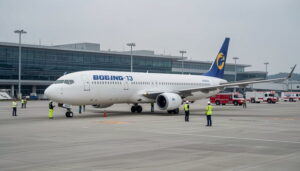
On December 29, 2024, Jeju Air Flight 2216, a Boeing 737-800, crashed at Muan International Airport in South Korea, resulting in the deaths of 179 of the 181 people on board. This tragedy, the deadliest aviation disaster in South Korea in decades, was caused by a combination of a bird strike, landing gear failure, and a fatal collision with an improperly constructed airport barrier. Official investigations later revealed that all passengers could have survived if the airport’s localizer structure had been built to international safety standards.
The Flight and the Crash: A Timeline of Events
Jeju Air Flight 2216 was a scheduled international passenger flight from Bangkok’s Suvarnabhumi Airport to Muan International Airport in South Korea. The Boeing 737-800, registered as HL8088, was carrying 175 passengers and six crew members. The aircraft, manufactured in 2009, had no prior history of major accidents and had passed all pre-flight safety checks.
As the plane approached Muan at 8:54 a.m. local time, the crew received a warning about potential bird strikes. Six minutes later, the pilots declared a mayday after both engines ingested birds, causing a loss of thrust in the right engine. The crew attempted a go-around but were forced to make a second landing attempt without deployed landing gear. The aircraft belly-landed 1,200 meters down the runway, overshot the threshold, and collided with a concrete barrier supporting the airport’s instrument landing system (ILS). The impact triggered an explosion and fire, killing all but two flight attendants seated at the rear.
Emergency response teams arrived within minutes, but the intensity of the fire and the severity of the wreckage made rescue efforts extremely difficult. The two surviving crew members were extracted with serious injuries. The crash site was declared a special disaster zone, and a week of national mourning was observed across South Korea.
The Causes: Bird Strike, Landing Gear Failure, and the Fatal Barrier
Bird Strike and Engine Damage
Investigators confirmed that the aircraft suffered a bird strike involving a species of migratory duck, the Baikal teal. Bird remains and feathers were found in both engines, with the right engine sustaining severe damage. The bird strike occurred at a critical phase of the flight, just as the plane was preparing to land. The loss of thrust in the right engine, combined with the crew’s decision to shut down the left engine by mistake, left the aircraft without sufficient power to maintain control.
Muan International Airport had a history of bird strike incidents, with a strike rate of 0.09%—significantly higher than other major South Korean airports. The airport’s proximity to bird habitats and feeding grounds, such as Yeongsan Lake and the mudflats of the southwest coast, contributed to the elevated risk. Environmental impact assessments had previously recommended the installation of bird deterrent systems, but these measures were delayed due to ongoing construction work.
Landing Gear and Hydraulic System Failures
The investigation revealed that the landing gear failed to deploy during the second landing attempt. Experts suggested that the bird strike may have damaged the hydraulic system controlling the landing gear, leaving the crew with no manual override option. The aircraft’s wing flaps and thrust reversers also failed to function, further complicating the pilots’ ability to slow the plane.
The Fatal Airport Barrier
The most controversial aspect of the crash was the presence of a concrete barrier supporting the ILS localizer at the end of the runway. The barrier, located just 199 meters from the runway’s end, was constructed in violation of international safety standards, which require such structures to be frangible (designed to break upon impact) and placed at least 240 meters away.
Government-commissioned simulations later confirmed that the aircraft would have come to a stop without serious injuries if the barrier had been frangible or absent. The concrete structure, which included a 4-meter-high berm and solid pillars, was not designed to collapse, turning what could have been a survivable emergency landing into a catastrophic disaster.
The barrier’s construction had been flagged in a 2020 upgrade project, but no changes were made despite recommendations to review its frangibility. This oversight became a focal point of public outrage and legal action, with victims’ families demanding accountability from government officials and airport authorities.
The Investigation: Findings and Controversies
Official Probe and Preliminary Reports
The crash was investigated by South Korea’s Aviation and Railway Accident Investigation Board (ARAIB), with assistance from the U.S. National Transportation Safety Board (NTSB), the Federal Aviation Administration (FAA), and Boeing. The investigation faced delays and controversies, particularly after the ARAIB’s initial report suggested that the crew had mistakenly shut down the wrong engine. This claim was disputed by the pilots’ union and victims’ families, who accused the board of ignoring other critical factors, such as the airport barrier.
The investigation also examined the role of the shortened runway at Muan International Airport, which had been reduced from 2,800 to 2,500 meters due to construction. While officials dismissed the runway length as a contributing factor, experts noted that the reduced space may have limited the crew’s options during the emergency.
Government Admissions and Legal Actions
In January 2026, the South Korean government admitted that the concrete barrier violated safety regulations and that its presence directly contributed to the high death toll. A simulation report, disclosed by opposition lawmakers, showed that all 179 passengers would have survived if the barrier had been frangible or removed. The admission led to calls for a comprehensive parliamentary inquiry and potential criminal charges against officials involved in the airport’s construction and safety oversight.
Victims’ families filed lawsuits against Boeing and the South Korean government, alleging negligence in aircraft design, airport safety, and regulatory enforcement. The families also demanded legislative changes to ensure the independence of future accident investigations and the implementation of stricter safety standards.
Aftermath: Safety Reforms and National Impact
Immediate Response and National Mourning
The crash prompted an immediate national response, with the South Korean government declaring a week of mourning and establishing a task force to support the victims’ families. Memorial altars were set up across the country, and public events were canceled or scaled back in respect for the deceased. The disaster also led to a surge in booking cancellations for Jeju Air, which reduced its flight operations by 10–15% to conduct additional maintenance checks.
Long-Term Safety Reforms
In the wake of the disaster, South Korea implemented sweeping aviation safety reforms. These included:
- Runway Safety Areas: All airports were required to extend runway safety areas to 240 meters and ensure that any structures within this zone were frangible. The concrete barriers at seven airports, including Muan, were replaced with lightweight or underground structures.
- Bird Strike Prevention: Airports were mandated to install bird detection cameras, thermal imaging radars, and additional deterrent systems. The radius for prohibiting land uses that attract birds was expanded, and extra personnel were assigned to monitor bird activity.
- Enhanced Maintenance and Training: Airlines were required to increase maintenance checks and technician qualifications. Flight crews received additional training on emergency procedures, and new regulations were introduced to reduce pilot fatigue.
- Legal and Regulatory Changes: The government passed the Special Act on Relief and Support for Damages from the December 29 Passenger Plane Disaster, providing compensation and support for victims’ families. New penalties were introduced for airlines found negligent in safety violations.
- Independent Investigations: A cross-party parliamentary committee was established to conduct an independent probe into the crash, with a focus on accountability and transparency. The committee’s findings are expected to influence future aviation policies and safety protocols.
The crash also prompted a global review of runway safety standards, with aviation authorities in the U.S. and Europe reaffirming the importance of frangible structures and extended safety areas. The disaster served as a stark reminder of the need for rigorous adherence to international safety guidelines, particularly in the design and maintenance of airport infrastructure.
Public and Industry Reactions
The crash had a profound impact on public perception of aviation safety in South Korea. Jeju Air, previously regarded as a reliable low-cost carrier, faced significant reputational damage and financial losses. The airline’s CEO, Kim E-bae, was placed under a travel ban, and the company announced plans to enhance its safety protocols and maintenance procedures.
The disaster also sparked a broader conversation about the risks associated with budget airlines and the adequacy of regulatory oversight. While South Korea’s aviation safety record remained strong overall, the crash exposed vulnerabilities in airport infrastructure and emergency response systems. Industry experts called for greater investment in safety technology and more rigorous enforcement of existing regulations.
Expert Analysis: What Went Wrong and How It Could Have Been Prevented
Aviation Experts Weigh In
Aviation safety experts agreed that the Jeju Air crash was the result of a cascade of failures, each of which could have been mitigated with better planning and adherence to safety protocols. Key issues included:
- Bird Strike Risk Management: Experts noted that Muan International Airport’s high bird strike rate should have prompted earlier action to implement deterrent systems and adjust flight paths. The delay in addressing this known risk was a critical oversight.
- Landing Gear and Hydraulic Redundancy: The failure of the landing gear and hydraulic systems highlighted the need for redundant controls and improved pilot training for manual overrides. The crew’s decision to shut down the wrong engine underscored the importance of clear, standardized emergency procedures.
- Runway and Barrier Design: The presence of the non-frangible barrier was widely criticized as a violation of basic safety principles. Experts emphasized that runway safety areas must be free of solid obstructions and that all navigation aids should be designed to minimize harm in the event of an overrun.
- Regulatory Enforcement: The crash exposed weaknesses in South Korea’s regulatory framework, particularly in the enforcement of safety standards for airport infrastructure. The failure to act on previous recommendations for frangible structures was seen as a systemic failure.
Lessons for the Global Aviation Industry
The Jeju Air crash served as a wake-up call for the global aviation industry, reinforcing the need for:
- Proactive Risk Assessment: Airports must conduct regular risk assessments for bird strikes, runway conditions, and infrastructure safety. The use of advanced monitoring technology, such as bird detection radars, can help mitigate these risks.
- Adherence to Safety Standards: The disaster highlighted the importance of strict compliance with international safety guidelines, particularly in the design of runway safety areas and navigation aids. Frangible structures and extended safety zones are critical for minimizing the impact of runway overruns.
- Pilot Training and Decision-Making: The crash underscored the need for comprehensive pilot training in emergency scenarios, including bird strikes, engine failures, and landing gear malfunctions. Simulator-based training can help crews practice high-stress decision-making and improve outcomes in real-world emergencies.
- Transparency and Accountability: The public outcry over the delayed release of investigation findings and the initial denial of safety violations demonstrated the importance of transparency in accident probes. Independent oversight and timely disclosure of findings are essential for maintaining public trust.
The crash also prompted a reevaluation of the balance between cost-saving measures and safety in the aviation industry. While budget airlines play a vital role in making air travel accessible, the disaster highlighted the need for all carriers to prioritize safety investments and regulatory compliance.
Conclusion: A Preventable Tragedy and the Path Forward
The crash of Jeju Air Flight 2216 was a preventable tragedy, the result of a combination of human error, mechanical failure, and systemic safety lapses. The loss of 179 lives could have been avoided if the airport’s localizer structure had been built to frangible standards, if bird strike risks had been addressed more aggressively, and if the crew had received clearer guidance on emergency procedures.
In the aftermath of the disaster, South Korea took significant steps to improve aviation safety, from replacing non-frangible barriers to enhancing pilot training and regulatory oversight. These reforms are a testament to the country’s commitment to preventing future tragedies and restoring public confidence in air travel.
The global aviation community must learn from this incident, ensuring that safety remains the top priority in airport design, aircraft maintenance, and regulatory enforcement. The lessons of Jeju Air Flight 2216 should serve as a reminder that even in an era of advanced technology and rigorous standards, complacency can have catastrophic consequences.
Frequently Asked Questions (FAQs)
What caused the Jeju Air Flight 2216 crash?
The crash was caused by a bird strike that damaged both engines, leading to a loss of thrust and landing gear failure. The aircraft then collided with a non-frangible concrete barrier at the end of the runway, which was not designed to break upon impact. Investigations revealed that the barrier’s presence directly contributed to the high death toll.
How many people died in the crash?
A total of 179 people died in the crash, including 175 passengers and 4 crew members. Only two flight attendants, seated at the rear of the aircraft, survived with serious injuries.
Could the crash have been prevented?
Yes, government simulations confirmed that all passengers would have survived if the concrete barrier had been frangible or absent. Additionally, better bird strike prevention measures and clearer emergency procedures for the crew could have mitigated the risks.
What safety reforms were implemented after the crash?
South Korea introduced a range of reforms, including the replacement of non-frangible barriers, enhanced bird strike prevention systems, stricter maintenance and training requirements, and new penalties for safety violations. The government also established an independent committee to investigate the crash and ensure accountability.
What is the status of Muan International Airport?
Muan International Airport remained closed until April 2026 for safety upgrades, including the removal of the concrete barrier and the installation of frangible structures. The airport’s reopening was contingent on meeting all revised safety standards.