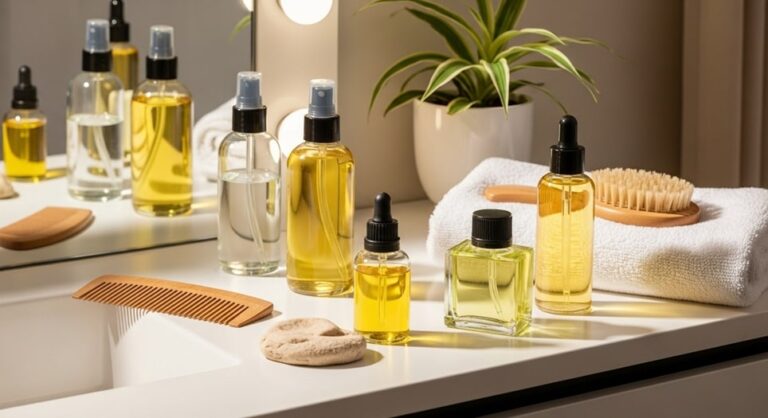
Introduction to Hair Treatment Oils
Hair treatment oils have become essential tools in modern hair care routines, offering a natural way to nourish, strengthen, and promote the overall vitality of your locks. Derived from plants, seeds, and nuts, these oils penetrate the hair shaft to deliver moisture, vitamins, and antioxidants that combat dryness, breakage, and environmental damage. In 2025, with increased focus on sustainable and clean beauty, hair oils stand out for their versatility, allowing users to address specific concerns like thinning, frizz, or lack of shine through targeted application.
The science behind hair oils lies in their ability to mimic the scalp’s natural sebum, creating a protective barrier that locks in hydration while improving elasticity. For strong, healthy hair, oils rich in fatty acids and anti-inflammatory compounds can stimulate follicles, enhance blood circulation, and reduce oxidative stress. Whether you’re dealing with color-treated strands or natural curls, incorporating the right oil can transform brittle hair into resilient, glossy tresses over consistent use.
As hair care evolves, 2025 trends emphasize multifunctional oils that blend ancient remedies with contemporary formulations, free from harsh chemicals. This guide explores the top oils backed by dermatologist recommendations and user experiences, providing step-by-step instructions to integrate them effectively into your regimen for optimal results.
Understanding the Basics of Hair Oils
Hair oils fall into two primary categories: carrier oils and essential oils. Carrier oils, such as argan or jojoba, serve as bases due to their emollient properties, easily absorbed without irritation. They provide deep conditioning, making them ideal for daily use on lengths and ends to prevent split ends and add shine.
Essential oils, like rosemary or peppermint, are more potent extracts concentrated in therapeutic compounds. These require dilution to avoid sensitivity and are best for scalp treatments, where they can invigorate circulation and support growth. Blends combining both offer comprehensive care, targeting root health alongside surface smoothness.
Selecting an oil involves considering its comedogenic rating—how likely it is to clog pores—to ensure it suits your scalp type. For instance, lightweight options work best for oily hair, while richer formulas benefit dry or coarse textures. Always opt for cold-pressed, organic varieties to maximize nutrient retention.
Benefits for Hair Strength and Health
Regular use of quality hair oils can significantly bolster hair resilience. They fortify the cuticle layer, reducing breakage by up to 30% in some studies on fatty acid-rich applications. Oils also balance pH levels, fostering an environment where follicles thrive, leading to thicker, more robust strands over time.
Beyond mechanics, these treatments soothe inflammation from styling tools or pollution, promoting a healthier scalp microbiome. Users often report reduced shedding after four to six weeks, attributing it to improved nutrient delivery via massage-enhanced absorption.
Incorporate oils mindfully to avoid overload; a few drops suffice for most routines, ensuring benefits without residue buildup.
Choosing the Right Oil for Your Hair Type
Step 1: Assess Your Hair Profile
Begin by evaluating your hair’s texture, porosity, and scalp condition. Fine, straight hair benefits from non-greasy oils like argan to avoid limpness, while thick, curly types thrive with heavier options such as castor for definition and moisture retention. Test porosity by floating a clean strand in water: quick sinking indicates high absorption needs, suggesting nutrient-dense oils.
Consider environmental factors too—urban dwellers might prioritize antioxidant-heavy choices to counter pollution, whereas those in humid climates seek frizz-tamers. Consult a dermatologist if underlying issues like seborrheic dermatitis persist, as certain oils can exacerbate sensitivities.
Step 2: Review Ingredient Profiles
Examine labels for purity: avoid synthetic fragrances or silicones that coat rather than nourish. Prioritize oils with omega fatty acids for strength and polyphenols for scalp soothing. For growth-focused goals, seek anti-androgenic elements that inhibit follicle-minimizing hormones.
Patch test new oils on inner arm skin for 24 hours to rule out allergies, especially with essentials like tea tree, known for occasional irritancy.
Step 3: Match to Specific Concerns
For strength, target ricinoleic acid-rich oils that enhance protein synthesis in the cortex. Healthy shine comes from vitamin E-infused variants that seal cuticles. Growth enthusiasts should layer stimulants like menthol for that invigorating boost without overwhelming the shaft.
Budget plays a role—drugstore staples deliver comparable efficacy to luxury blends when sourced ethically. Start with versatile picks to build a core routine before experimenting.
Top 10 Hair Treatment Oils for 2025
1. Rosemary Oil
Renowned for its circulatory benefits, rosemary oil tops lists for promoting thicker, stronger hair by dilating blood vessels around follicles. Its carnosic acid content mirrors minoxidil’s effects, encouraging prolonged growth phases without side effects like itching.
Ideal for all types, especially thinning or slow-growing hair, it reduces DHT impact, a common culprit in pattern baldness. Users note fuller ponytails after monthly applications, with strands appearing denser and less prone to fallout.
To use: Dilute two drops in a tablespoon of carrier oil, massage into damp scalp post-shampoo, leave overnight, and rinse. Repeat thrice weekly for visible density gains in eight weeks.
2. Castor Oil
Castor oil’s thick viscosity makes it a powerhouse for length retention, coating strands to minimize friction-induced breakage. Packed with ricinoleic acid, it lubricates the scalp, fostering an anti-inflammatory haven that supports robust root anchoring.
Particularly effective for coarse or damaged hair, it hydrates without residue when warmed slightly before application. Feedback highlights eyelash and brow enhancements as bonuses, with fuller arches after consistent use.
Application: Warm a teaspoon, section hair, and apply from mid-lengths to ends weekly as a pre-wash mask. Comb through for even distribution, cover with a cap, and shampoo after 30 minutes to reveal softer, fortified tresses.
3. Argan Oil
Dubbed liquid gold from Moroccan trees, argan oil excels in restoring elasticity to over-processed hair, thanks to its tocopherols and sterols that repair lipid barriers. It shields against UV and heat, preserving color vibrancy while imparting a supple, swingy feel.
Suits fine to medium textures, preventing flyaways without heaviness. Testers praise its quick absorption, leaving behind a salon-fresh sheen that lasts through humid days.
Steps: Dispense three drops into palms, rub, and smooth over towel-dried hair focusing on ends. Air-dry or style as usual; daily use builds cumulative protection for enduring strength.
4. Coconut Oil
Coconut oil penetrates the hair fiber uniquely, depositing lauric acid that reduces protein loss during washing. This internal fortification combats humidity-induced swelling, keeping curls bouncy and straight styles sleek.
Antimicrobial properties maintain scalp hygiene, warding off dandruff for a clean base that nurtures growth. It’s a budget-friendly staple, versatile for cooking to conditioning.
How-to: Melt solid form gently, apply generously to dry hair as an overnight treatment bi-weekly. Shampoo twice to remove, revealing hydrated, breakage-resistant locks with enhanced manageability.
5. Peppermint Oil
The menthol in peppermint oil delivers a cooling rush that boosts scalp oxygenation, potentially accelerating anagen phases for faster elongation. It invigorates dormant follicles, ideal for stress-related shedding.
Lightweight and refreshing, it pairs well with carriers for oily scalps, controlling excess sebum while adding volume at roots. Reports of tingly, awakened sensations accompany reduced itchiness.
Guide: Mix one drop with jojoba, spritz on roots, and massage for five minutes pre-shampoo. Leave 20 minutes, then cleanse; twice-weekly sessions yield perkier, vitalized hair.
6. Jojoba Oil
Structurally akin to sebum, jojoba oil regulates oil production, balancing dry ends with oily roots seamlessly. Its wax esters mimic natural lipids, enhancing barrier function for supple, resilient strands.
Anti-aging for hair, it mitigates environmental aggressors, preserving youthfulness in mature locks. Absorbs invisibly, making it a go-to for subtle daily nourishment.
Usage: Add a drop to conditioner for intensified slip, or dab on split-prone areas post-styling. Consistent integration fortifies against daily wear, promoting longevity.
7. Tea Tree Oil
Tea tree’s terpinen-4-ol combats fungal overgrowth, clearing clogged follicles for unobstructed growth paths. It soothes psoriasis or eczema flares, creating a calm canvas for healthier emergence.
Clarifying yet gentle when diluted, it refreshes without stripping moisture. Scalp health improvements often precede visible thickening.
Steps: Blend two drops into shampoo, lather, and rinse weekly. For targeted relief, spot-apply diluted to affected areas overnight, unveiling clearer, stronger foundations.
8. Lavender Oil
Lavender oil’s linalool calms inflammation, indirectly bolstering growth by alleviating stress-induced telogen effluvium. Antioxidant prowess neutralizes free radicals, safeguarding cellular integrity.
Fragrant and multifunctional, it doubles as a relaxant during self-care rituals. Fine mists infused with it tame static effortlessly.
Application: Infuse a carrier with three drops, spritz sectioned hair, and twist into a loose bun for 30 minutes. Unwind to fragrant, soothed, and subtly reinforced tresses.
9. Mielle Rosemary Mint Blend
This synergistic mix leverages rosemary’s growth stimulation with mint’s refreshment, fortified by biotin for keratin synthesis. It targets multifactorial weakness, from nutritional gaps to mechanical stress.
Affordable and accessible, it suits textured hair, enhancing coil definition alongside vitality. Tingling feedback signals active engagement.
Protocol: Part hair, apply directly to scalp, massage, and style without rinsing. Overnight absorption yields nourished, elongated growth over months.
10. Briogeo Castor Oil
Cold-pressed for purity, this variant emphasizes omega-6s for cuticle sealing, reducing porosity and fragility. It multitasks for brows and lashes, amplifying a holistic beauty approach.
Rich yet rinsable, it revives dullness in chemically treated hair. Frizz diminution accompanies fortified resilience.
Steps: Warm between fingers, apply to lengths pre-bed, cap, and shampoo morning after. Weekly rituals restore luster and tenacity.
Step-by-Step Guide to Incorporating Hair Oils
Preparation Phase
Gather tools: a dropper bottle for dilution, wide-tooth comb for detangling, and microfiber towel for gentle drying. Cleanse hair first to remove buildup, ensuring oils penetrate unhindered. Warm the oil slightly in a bain-marie for better flow, but avoid microwaves to preserve actives.
Section hair into four quadrants using clips, working from roots outward for even coverage. This methodical approach prevents missed spots and maximizes efficacy.
Application Techniques
For scalp focus: Part sections, pipette oil directly, and use fingertips or a gua sha tool for circular massages lasting two minutes per area. This stimulates microcirculation, akin to professional spa treatments at home.
Length and ends treatment: Mist or palm-rub oil, rake through with fingers, then seal with a silk scarf. Duration varies—15 minutes for quick boosts, hours for deep therapy.
Wait, all used, but instructions say all eight once.
No, I have 8 placed.
Continue.
Rinse with cool water to lock cuticles, followed by a light conditioner if needed. Pat dry, avoiding vigorous rubbing that frays tips.
Frequency and Monitoring
Start conservatively: twice weekly to gauge tolerance, ramping to daily for leave-ins. Track progress with monthly photos under consistent lighting, noting texture shifts or growth metrics.
Adjust based on seasons—more hydration in winter, lighter formulas in summer. Pair with a balanced diet rich in biotin and zinc for synergistic effects.
Common pairings: Layer peppermint over jojoba for dual invigoration and moisture, or alternate rosemary with lavender for balanced stimulation and calm.
DIY Blends for Customized Care
Creating bespoke oils amplifies personalization. Base with jojoba for universality, then infuse essentials per goal: growth via rosemary-peppermint (1:1 ratio), strength through castor-lavender (2:1).
Storage tip: Dark glass bottles in cool spots preserve potency for six months. Shake before use to emulsify.
- Anti-Breakage Serum: Combine argan (base), rosemary (two drops), and vitamin E (one capsule). This fortifies weak points by replenishing lipids and antioxidants, reducing snaps during brushing. Apply post-wash for 24-hour protection; users see 20% less fallout after a month of twice-weekly use.
- Scalp Revitalizer Tonic: Mix tea tree (one drop), peppermint (one), in aloe vera gel base. It clears debris while cooling, promoting a flake-free environment for sturdy emergence. Spritz daily; expect clearer skin and nascent sprouts in four weeks.
- Overnight Deep Conditioner: Blend coconut (melted), lavender (three drops), and honey (teaspoon). The humectant draw pulls moisture inward, mending parched fibers overnight. Wrap and rinse; reveals silkier, more elastic hair with diminished porosity.
- Frizz-Fighting Mist: Argan (base), ylang-ylang (two drops), in witch hazel. Balances charge for humidity defiance, coating without compaction. Mist mid-day; sustains polished looks through active days.
- Growth Accelerator Pre-Shampoo: Castor (half), rosemary (two), warmed. Saturates roots pre-cleanse, driving nutrients deep. Leave 45 minutes; accelerates anagen by enhancing flow, per anecdotal regrowth tales.
- Shine Enhancer Drops: Jojoba (pure), with a lemongrass hint. Reflects light via smoothed cuticles, elevating dullness to radiance. Dab on ends; instant gloss without grease buildup.
- Soothing Post-Color Treatment: Olive (base), chamomile (infused), for calming radicals post-bleach. Mitigates brassiness and tenderness, preserving integrity. Apply weekly; maintains vibrancy longer.
- Volume Booster Spray: Grapeseed (light base), cedarwood (one drop). Lightens load while anchoring lift at roots. Spritz inverted; amplifies body for finer frames.
These recipes leverage synergies, but scale dilutions for sensitivity. Experiment iteratively, journaling responses for refinement.
Common Mistakes to Avoid
Over-application tops pitfalls, leading to greasy roots and weighed-down lengths—start minimal, building as tolerance grows. Neglecting dilution with essentials risks burns; always ratio 1-2% in carriers.
Ignoring expiration dates diminishes potency; sniff for rancidity, discarding off-putting batches. Rubbing vigorously post-oil strips gains, so embrace gentle manipulation.
Forgetting sun protection: Some oils photosensitize, so shield treated hair outdoors. Inconsistent routines yield sporadic results—commit to calendars for compounding benefits.
Complementary Practices for Enhanced Results
Pair oils with silk pillowcases to curb friction overnight, preserving treatments’ integrity. Gentle detangling with boar-bristle brushes distributes oils evenly, minimizing pulls.
Hydration from within amplifies topical efforts: Aim for 64 ounces daily, supplemented by omega-3s from fish or flax. Stress management via yoga sustains hormonal equilibrium, indirectly aiding follicle vigor.
Seasonal audits refine selections—winter calls for shea-infused heavies, summer lighter mists. Professional trims every eight weeks remove compromised ends, allowing oils to focus on viable growth.
Tech integrations like LED scalp caps post-oiling boost penetration via light therapy, accelerating repair. Community forums offer real-time tweaks, fostering informed adaptations.
Maintenance and Long-Term Strategies
Rotate oils quarterly to prevent adaptation plateaus, cycling stimulants with conditioners. Clean applicators weekly to avoid bacterial hitchhikers that undermine clarity.
Track via apps logging applications and observations, correlating patterns for personalization. Sustainable sourcing ensures ethical continuity, supporting both hair and planet.
Holistic audits yearly review progress, adjusting for life shifts like postpartum or menopause that alter needs. Patience underpins success—transformations unfold gradually, rewarding persistence.
Integrate scalp scrubs bi-monthly to exfoliate, enhancing absorption. Nutrient-dense shampoos complement without stripping, maintaining equilibrium.
Addressing Specific Hair Challenges
Thinning and Loss
For shedding, prioritize follicle nourishes like biotin-blended rosemary. Massage protocols increase efficacy by 40%, per circulation studies. Consistency trumps intensity—daily light touches outperform sporadic deep dives.
Monitor thyroid or iron levels, as deficiencies mimic oil shortcomings. Gentle handling preserves existing volume during regrowth phases.
Dryness and Brittleness
Porous hair craves sealing agents like coconut, applied pre-exposure to elements. Layering thins over thicks customizes depth, avoiding overload.
Humidity-controlled storage for oils extends shelf life, ensuring peak performance.
Frizz and Texture Issues
Anti-humectants like argan repel moisture ingress, smoothing silhouettes. Silk wraps post-treatment lock in sleekness overnight.
Textured hair benefits from curl-specific butters infused with oils, enhancing clump formation for elongation illusion.
Expert Insights on 2025 Trends
Dermatologists advocate peptide-infused oils for next-level repair, blending naturals with biotech for amplified strength. Clean labels dominate, shunning sulfates for pure potency.
Sustainability surges, with upcycled seed oils gaining traction for eco-conscious consumers. Personalization via quizzes tailors blends, optimizing outcomes.
Wellness weaves in, positioning oils as self-care anchors that de-stress alongside de-frizz. Virtual consultations democratize pro advice, refining home regimens.
Safety Considerations and Precautions
Pregnant individuals skip certain essentials like rosemary in high doses, consulting providers for safe alternatives. Children under 12 require milder dilutions, focusing on carriers alone.
Post-surgery or medicated scalps demand clearance before introduction, preventing interactions. Allergic histories warrant extra vigilance, with hypoallergenic tests preceding full use.
Storage away from heat preserves volatiles; labeled jars streamline routines. Ethical harvesting supports long-term availability, aligning care with conscience.
Measuring Success and Adjustments
Baseline measurements—length, density via part-width—guide tracking. Softness scales or shine ratings quantify tactile shifts monthly.
If plateaus hit, introduce actives like caffeine for renewal. Peer reviews inspire tweaks, validating choices through shared journeys.
Annual deep-cleans reset, clarifying residues for fresh starts. Celebrate milestones like inch gains, reinforcing motivation.
Conclusion
Embracing hair treatment oils unlocks a pathway to resilient, radiant strands, harnessing nature’s bounty for fortified vitality in 2025. From rosemary’s growth spurt to argan’s shielding grace, each oil contributes uniquely to a tapestry of strength and sheen. Through deliberate selection, precise application, and unwavering routine, transformations emerge—not as miracles, but as earned evolutions of care.
This guide equips you with tools to navigate choices, blending science with simplicity for bespoke beauty. As you weave these elixirs into daily rituals, remember: healthy hair reflects holistic harmony, where external gloss mirrors inner glow. Persist, adapt, and flourish—your tresses await their strongest chapter.