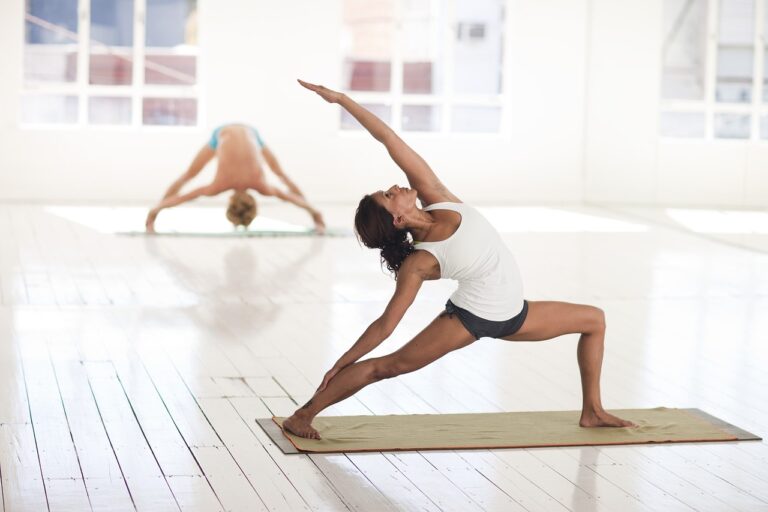
Yoga has become one of the most widely practiced wellness disciplines in the world, valued not only for its physical benefits but also for its ability to support mental clarity, emotional stability, and long-term health. For newcomers, however, stepping onto the mat can feel intimidating. Unfamiliar postures, new terminology, and concerns about flexibility often create unnecessary barriers. In reality, yoga is designed to be accessible, adaptable, and deeply personal, making it an ideal practice for people of all ages and fitness levels.
At its core, yoga blends controlled movement, steady breathing, and mindful awareness. Together, these elements stimulate circulation, improve joint mobility, strengthen muscles, and calm the nervous system. Beginners who approach yoga with patience and proper guidance often discover improvements in posture, balance, sleep quality, and overall well-being within a relatively short time.
This comprehensive guide is designed to support those starting their journey. It explains how to prepare safely, introduces foundational postures, and provides step-by-step instructions that prioritize alignment and breath. The goal is not to achieve picture-perfect shapes, but to cultivate a sustainable practice that feels supportive, enjoyable, and empowering.
Understanding the Foundations of a Safe Yoga Practice
Before exploring specific postures, it is important to understand what makes yoga safe and effective. Proper preparation reduces the risk of strain while allowing the body to gradually build strength and flexibility. A beginner’s practice should emphasize slow transitions, stable alignment, and consistent breathing rather than complexity or speed.
Breath awareness is central. In most beginner practices, slow nasal breathing is encouraged, allowing each movement to synchronize with an inhale or exhale. This rhythm supports oxygen delivery, improves focus, and helps regulate heart rate and blood pressure. When breathing becomes strained, it is often a signal to ease out of a pose.
Equally important is the concept of non-competition. Yoga is not about outperforming others or forcing the body beyond its current capacity. Each session is an opportunity to observe sensations, respect limitations, and gently expand comfort zones over time.
Essential Equipment and Space Setup
A successful home practice begins with a simple, supportive setup. A non-slip yoga mat provides traction and cushioning, protecting joints and preventing unnecessary tension. Comfortable clothing that allows full range of motion helps maintain focus without distraction.
Choose a quiet, well-ventilated area with enough space to stretch arms and legs in all directions. Soft lighting and minimal clutter promote concentration. Beginners may also benefit from yoga blocks, straps, or folded blankets, which can be used to modify postures and enhance comfort.
How Often Beginners Should Practice
Consistency matters more than intensity. For most newcomers, two to four sessions per week lasting 20 to 40 minutes provide an effective balance between progress and recovery. Short, regular sessions help reinforce muscle memory and breathing patterns while preventing burnout.
Rest days are equally valuable. They allow connective tissues to adapt and reduce the likelihood of overuse injuries. Gentle stretching or short breathing exercises can still be practiced on rest days to maintain continuity.
Core Beginner Yoga Poses and How to Perform Them
The following postures are widely regarded as foundational because they introduce key movement patterns, build full-body awareness, and prepare practitioners for more advanced sequences. Each pose can be adapted using props or modified stances, making them suitable for diverse body types and abilities.
Mountain Pose (Tadasana)
This standing posture appears simple, yet it establishes alignment principles used throughout yoga. Stand with feet hip-width apart, arms relaxed at the sides, and weight evenly distributed. Gently engage the thighs, lengthen the spine, and imagine the crown of the head lifting upward.
Mountain Pose enhances posture, strengthens the legs, and encourages steady breathing. Practicing it regularly increases awareness of body alignment and provides a grounding starting point for many sequences.
Downward-Facing Dog (Adho Mukha Svanasana)
From hands and knees, lift the hips upward, forming an inverted “V” shape. Press palms firmly into the mat, lengthen the spine, and allow the heels to gently move toward the floor. Keep a soft bend in the knees if the hamstrings feel tight.
This pose stretches the back, calves, and shoulders while building upper-body strength. It also promotes circulation and is commonly used as a resting posture between more demanding movements.
Child’s Pose (Balasana)
Kneel on the mat, sit back toward the heels, and fold the torso forward, resting the forehead on the mat or a cushion. Arms can extend forward or relax alongside the body. Breathing slowly into the back of the ribcage enhances relaxation.
Child’s Pose gently stretches the spine, hips, and thighs while calming the nervous system. It is often used whenever a pause or recovery moment is needed during practice.
Cat–Cow Stretch (Marjaryasana–Bitilasana)
Beginning on hands and knees, alternate between rounding the spine upward and gently arching it downward while coordinating breath with movement. Inhale as the chest opens, exhale as the spine rounds.
This flowing sequence warms the back, improves spinal mobility, and helps relieve tension in the neck and shoulders. It is particularly beneficial at the start of a session.
Warrior I (Virabhadrasana I)
Step one foot back, bend the front knee, and raise the arms overhead. Square the hips forward and ground through the back heel. The chest remains lifted and the gaze forward or upward.
Warrior I strengthens the legs, hips, and core while opening the chest and shoulders. It also builds confidence and stability, making it a favorite among beginners.
Tree Pose (Vrksasana)
Stand tall, shift weight onto one foot, and place the sole of the opposite foot on the calf or inner thigh, avoiding the knee. Bring hands together at the chest or extend them overhead.
This balancing posture improves focus, ankle stability, and coordination. It also reinforces mindful breathing during moments of physical challenge.
Seated Forward Fold (Paschimottanasana)
Sit with legs extended, hinge at the hips, and reach forward toward the shins or feet. Keep the spine long rather than forcing the torso downward. Each exhale invites gentle deepening.
This pose stretches the hamstrings and lower back while encouraging introspection. It is often used toward the end of a practice to promote calmness.
Cobra Pose (Bhujangasana)
Lying face down, place palms under the shoulders and gently lift the chest using back muscles rather than pushing heavily into the hands. Elbows remain close to the body, and shoulders soften away from the ears.
Cobra strengthens the spine, opens the chest, and counteracts the effects of prolonged sitting. It also stimulates abdominal organs and supports healthy posture.
Structuring a Beginner-Friendly Session
A well-rounded session typically includes warming movements, standing postures, gentle stretches, and a brief relaxation period. This progression prepares muscles for activity and encourages gradual cooling down.
Beginners benefit from starting with seated breathing or Cat–Cow to awaken the spine. Standing poses like Mountain, Warrior, and Tree build heat and strength. Forward folds and gentle backbends can then release tension before concluding with relaxation.
Sample Flow for New Practitioners
- Centering and breathing begins the session by establishing calm focus and steady rhythm. Sitting comfortably, practitioners observe natural breathing patterns and gradually lengthen each inhale and exhale to prepare the nervous system.
- Gentle spinal warm-ups such as Cat–Cow or seated twists loosen joints and increase circulation. These movements help prevent stiffness and reduce the likelihood of strain during standing postures.
- Standing strength poses like Mountain, Warrior I, and Tree build muscular endurance and improve balance. Holding each pose for several breaths allows muscles to activate while encouraging mindful awareness.
- Transitional stretches including Downward-Facing Dog and Child’s Pose link strength and relaxation. They also offer natural opportunities to rest without fully stopping the session.
- Cooling postures such as Seated Forward Fold gently lengthen the back and legs. These shapes signal the body to shift from effort toward recovery.
- Short relaxation or guided rest completes the practice. Lying comfortably while focusing on breath or body sensations supports mental clarity and emotional balance.
Pro Tips for Beginners
Developing a sustainable practice involves more than learning postures. Attention to mindset, recovery, and technique greatly influences long-term success.
- Prioritize alignment over depth by focusing on how a pose feels rather than how it looks. Proper alignment protects joints and ensures muscles engage correctly, reducing the risk of injury.
- Use props generously to support flexibility limitations and maintain comfort. Blocks, straps, and blankets make postures accessible and encourage gradual progress without strain.
- Keep breathing steady even when a pose feels challenging. Smooth breathing supports oxygen delivery and helps the nervous system remain calm during effort.
- Warm up before deeper stretches to prepare muscles and connective tissue. Gentle movement increases elasticity and lowers the likelihood of discomfort.
- End sessions with relaxation to allow the body to integrate the practice. Even a few minutes of rest can enhance mental clarity and recovery.
- Listen to physical signals such as sharp pain or dizziness. These sensations indicate the need to modify or pause, reinforcing self-awareness and safety.
Frequently Asked Questions
Is yoga suitable for people with limited flexibility?
Yes. Yoga is designed to gradually improve flexibility through gentle, consistent practice. Modifications and props allow individuals with varying mobility levels to experience benefits safely.
How long does it take to notice results?
Many beginners report improved posture, reduced tension, and better sleep within a few weeks of regular practice. Strength and flexibility typically develop progressively over several months.
Should beginners practice every day?
Daily practice is not required. Two to four sessions per week are often sufficient, especially when combined with light movement or breathing exercises on rest days.
Can yoga replace other forms of exercise?
Yoga offers strength, flexibility, and balance benefits, but it may not fully replace cardiovascular training for everyone. Many people integrate yoga alongside walking, cycling, or swimming for a balanced routine.
What should beginners avoid?
Forcing the body into extreme positions, skipping warm-ups, and holding the breath are common mistakes. A gradual approach guided by comfort and awareness is always recommended.
Conclusion
Beginning a yoga practice is an investment in both physical health and mental well-being. By focusing on foundational postures, steady breathing, and thoughtful progression, newcomers can develop strength, flexibility, and resilience without unnecessary strain. Over time, the mat becomes not just a place for exercise, but a space for cultivating balance, patience, and mindful awareness that extends into everyday life.