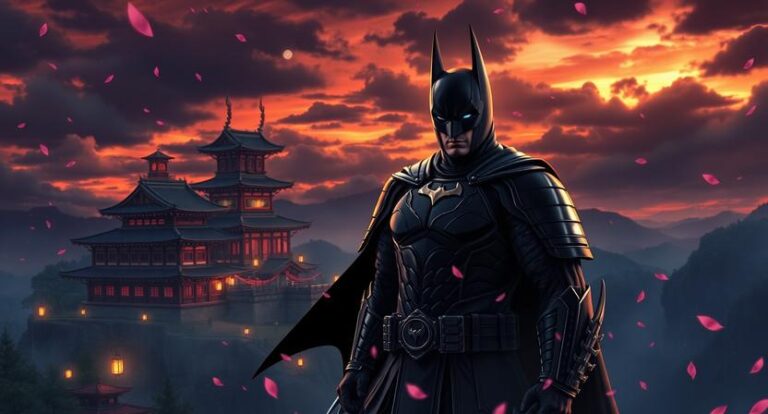
The unveiling of an English-language trailer for an ambitious anime adaptation featuring one of DC Comics’ most recognizable heroes marked a significant moment in global animation and franchise storytelling. The trailer introduced international audiences to a reimagined version of the Dark Knight, transporting him from the familiar urban sprawl of Gotham into a stylized vision of feudal Japan. This creative decision positioned the project at the intersection of Western superhero mythology and Japanese anime tradition, signaling a deliberate effort to expand the character’s reach beyond conventional boundaries.
The English trailer was designed as the primary point of entry for audiences outside Japan, offering insight into the narrative premise, character dynamics, and visual identity of the film. By presenting high-quality English voice performances alongside striking animation, the trailer aimed to ensure accessibility without diluting the cultural specificity of the anime style. This balance was critical in attracting both long-time DC fans and viewers who primarily engage with animated storytelling.
Rather than functioning solely as promotional material, the trailer also reflected broader trends within the entertainment industry. Cross-cultural collaborations have become increasingly prominent as studios seek to appeal to global audiences, and this project stood as a clear example of that shift. The English trailer underscored the adaptability of iconic intellectual property when handled with creative intent and respect for diverse artistic traditions.
Background and Development of the Anime Project
The animated feature was developed through a collaboration between Warner Bros. Animation and a leading Japanese animation studio known for its work on visually dynamic and action-driven projects. From its inception, the goal was to reinterpret a globally recognized superhero through the lens of anime, rather than simply translating an existing Western animated style into Japanese production pipelines.
Creative leadership for the film included experienced figures from both the DC animation ecosystem and the Japanese anime industry. This dual influence shaped a production process that emphasized stylistic experimentation while maintaining narrative coherence. The English trailer highlighted the results of this collaboration, showcasing animation techniques and storytelling rhythms that differed markedly from traditional DC animated films.
The decision to set the story in feudal Japan emerged from a desire to explore themes of honor, hierarchy, and conflict within a historical framework that naturally aligned with samurai mythology. This setting allowed familiar characters to be recontextualized in ways that felt fresh while remaining grounded in recognizable archetypes.
Narrative Premise Introduced Through the Trailer
The English trailer established the core narrative hook without revealing the full scope of the plot. A temporal disruption sends Gotham’s heroes and villains back in time, depositing them in a version of Japan defined by warlords, castles, and shifting allegiances. In this environment, former criminal masterminds assume the roles of feudal rulers, each vying for dominance.
Batman’s role within this world is defined by adaptation and resilience. Stripped of much of his modern technology, he must rely on strategy, combat skill, and determination to confront adversaries who have embraced their new positions of power. The trailer suggested an emphasis on internal conflict as well as external battles, reinforcing the character’s enduring psychological complexity.
By framing the story around displacement and transformation, the trailer positioned the film as more than a novelty. It hinted at deeper thematic exploration while maintaining the momentum and spectacle expected of an action-driven anime production.
Visual Identity and Artistic Direction
One of the most striking aspects of the English trailer was its visual presentation. Character designs blended traditional Japanese armor and attire with iconic elements associated with DC characters. Batman’s appearance, for example, combined the silhouette of his cowl with the layered construction of samurai armor, creating a hybrid aesthetic that immediately communicated the film’s premise.
Background art emphasized dramatic contrasts, with sweeping landscapes, fortified castles, and stylized battlefields rendered in bold colors and sharp lines. The trailer’s rapid pacing highlighted fluid animation and exaggerated motion, hallmarks of anime action sequences that differ from Western animation conventions.
The use of dynamic camera angles and kinetic editing further reinforced the sense of scale and urgency. These techniques allowed the trailer to convey epic confrontations within a short runtime, leaving a strong visual impression on viewers encountering the project for the first time.
English Voice Cast and Localization Approach
The English-language trailer placed particular emphasis on voice acting quality, recognizing its importance in shaping audience perception. Casting choices favored performers with extensive experience in animation and established associations with the characters they portrayed. This continuity helped ground the unconventional setting in familiar characterizations.
Localization extended beyond simple translation, focusing on performance direction that matched the tone and intensity of the original animation. Dialogue delivery was calibrated to align with the heightened emotions and dramatic stakes depicted on screen, ensuring that English-speaking audiences received a cohesive viewing experience.
The trailer demonstrated that effective localization can preserve narrative impact while making culturally specific content accessible. This approach contributed to positive early reception among viewers who might otherwise be hesitant to engage with subtitled anime.
Portrayal of Iconic Characters in a New Context
Familiar characters were reintroduced in the trailer with redesigned appearances and altered roles that reflected the feudal setting. Villains traditionally associated with urban crime were depicted as warlords commanding armies, a transformation that amplified their ambitions and redefined their conflicts with the protagonist.
Allies appeared as warriors and tacticians adapted to the era, suggesting shifts in interpersonal dynamics shaped by new social hierarchies. These reinterpretations maintained core personality traits while allowing for narrative flexibility, a balance that the trailer communicated through brief but evocative scenes.
This reimagining underscored the elasticity of long-standing characters. By placing them in unfamiliar circumstances, the film invited audiences to reconsider established relationships and motivations from a fresh perspective.
Audience Response and Critical Discussion
Following its release, the English trailer sparked widespread discussion across fan communities and entertainment media. Many viewers responded positively to the bold stylistic departure, praising the willingness to experiment with form and genre. The fusion of superhero storytelling and anime aesthetics was frequently highlighted as a key strength.
Critical commentary often focused on the project’s ambition, noting that such cross-cultural adaptations carry inherent risks. However, early reactions suggested that the trailer successfully communicated its creative intent, mitigating concerns about tonal inconsistency or superficial novelty.
The conversation surrounding the trailer reflected broader interest in globalized media, where audiences increasingly seek diverse interpretations of familiar stories. The project’s visibility contributed to ongoing dialogue about the future of franchise storytelling in an interconnected market.
Marketing Strategy and Distribution Considerations
The release of the English trailer formed part of a broader marketing strategy aimed at maximizing international reach. Digital platforms served as the primary distribution channels, enabling rapid dissemination and engagement across regions. This approach aligned with contemporary viewing habits, particularly among younger audiences accustomed to online content discovery.
Promotional messaging emphasized the uniqueness of the adaptation, positioning it as a distinct experience rather than a conventional entry in the DC animated lineup. The trailer’s concise structure and high-impact visuals made it well suited for sharing on social media, amplifying its visibility.
By leveraging both the global recognition of the Batman brand and the growing popularity of anime, the marketing campaign sought to bridge audience segments that do not always overlap.
Broader Implications for DC Animation
The project represented a notable departure from established production models within DC Animation. By embracing anime as a primary stylistic framework, the studio demonstrated openness to experimentation and international collaboration. The English trailer served as a clear signal of this creative direction.
This approach suggested potential pathways for future projects, where iconic characters might be reinterpreted through diverse cultural lenses. Such flexibility can help sustain long-running franchises by preventing creative stagnation and appealing to evolving audience preferences.
The success of the trailer in generating interest underscored the value of thoughtful adaptation. When executed with care, cross-cultural projects can enrich source material rather than diminish it.
Conclusion
The release of the English-language trailer for this anime-inspired reinterpretation of the Dark Knight marked a meaningful moment in contemporary animation. Through striking visuals, careful localization, and a compelling narrative premise, the trailer introduced global audiences to a bold fusion of Western superhero mythology and Japanese anime tradition. Beyond its immediate promotional function, it highlighted the potential of cross-cultural collaboration to refresh iconic characters and expand their relevance in an increasingly interconnected entertainment landscape.