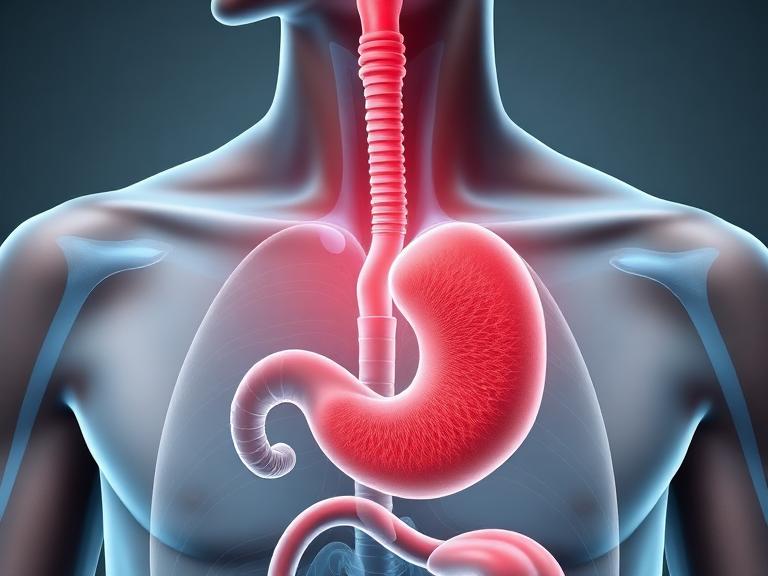
Gastroesophageal reflux disease, commonly known as GERD, affects millions of people worldwide, causing discomfort and potentially leading to more serious health issues if left unmanaged. This condition occurs when stomach acid frequently flows back into the esophagus, the tube connecting the mouth and stomach. Understanding how to identify and address this issue is crucial for improving quality of life.
While occasional acid reflux is common, persistent episodes define GERD as a chronic disorder. It can interfere with daily activities, sleep, and overall well-being. Fortunately, with proper knowledge and strategies, most individuals can effectively control their symptoms and prevent complications.
This guide provides a comprehensive overview, drawing from established medical insights to help you navigate the condition step by step. From recognizing early signs to exploring advanced interventions, you’ll find practical information to take control.
Understanding GERD
GERD develops when the lower esophageal sphincter, a ring of muscle at the bottom of the esophagus, weakens or relaxes inappropriately. This allows stomach contents, including acid, to rise up, irritating the esophageal lining. Unlike occasional heartburn, GERD involves repeated episodes that can damage tissues over time.
The esophagus lacks the protective mucus layer found in the stomach, making it vulnerable to acid exposure. Prolonged irritation can lead to inflammation and changes in the esophageal cells. Recognizing the difference between transient reflux and chronic GERD is essential for timely intervention.
Factors such as anatomy, lifestyle, and diet play significant roles in its onset. For instance, a hiatal hernia, where part of the stomach pushes through the diaphragm, can exacerbate the problem by displacing the sphincter.
How GERD Differs from Acid Reflux
Acid reflux refers to the backward flow of stomach acid, which can happen to anyone sporadically. GERD, however, is diagnosed when reflux occurs more than twice a week, causing persistent symptoms or esophageal damage. This distinction helps in determining the need for medical evaluation.
Symptoms of GERD
The hallmark symptom is heartburn, a burning sensation in the chest that often worsens after eating or when lying down. It may radiate to the throat or back, mimicking other conditions like chest pain.
Regurgitation, where food or sour liquid backs up into the throat or mouth, is another common sign. This can leave a bitter taste and contribute to bad breath. Difficulty swallowing, known as dysphagia, may occur as the esophagus narrows from scarring.
Other manifestations include a chronic cough, hoarseness, or a sensation of a lump in the throat. Nighttime symptoms can disrupt sleep, leading to fatigue and reduced productivity during the day.
Atypical Symptoms
Some experience less obvious signs, such as nausea, wheezing, or sore throat. In children, symptoms might present as fussiness, refusal to eat, or recurrent vomiting. These variations highlight the importance of consulting a healthcare professional for accurate assessment.
- Heartburn: Often described as a fiery discomfort behind the breastbone, it typically intensifies post-meal or in a reclined position. Managing triggers like spicy foods can reduce its frequency.
- Regurgitation: This involves the passive return of stomach contents, sometimes accompanied by a sour or bitter flavor. It differs from vomiting as it lacks forceful expulsion.
- Chest Pain: Non-cardiac in nature, this pain can be sharp or dull, often confusing it with heart issues. Evaluation is key to rule out serious causes.
- Dysphagia: Swallowing difficulties may start with solids and progress to liquids if scarring develops. Early detection prevents progression.
- Chronic Cough: Acid irritating the airways can trigger persistent coughing, especially at night. This symptom may coexist with asthma-like wheezing.
- Hoarseness: Inflammation of the vocal cords from acid exposure leads to voice changes. Singers or speakers might notice this more prominently.
- Sore Throat: Recurrent irritation can cause ongoing throat discomfort without infection. Gargling with salt water offers temporary relief.
- Bad Breath: Resulting from regurgitated acid and food particles, it persists despite oral hygiene. Addressing the root cause improves this issue.
Causes and Risk Factors
A primary cause is the malfunction of the lower esophageal sphincter, which should act as a one-way valve. When it fails, acid escapes upward. Hiatal hernias contribute by allowing the stomach to protrude into the chest cavity, weakening this barrier.
Obesity increases abdominal pressure, pushing stomach contents back. Pregnancy has a similar effect due to hormonal changes and physical pressure from the growing uterus. Smoking relaxes the sphincter and impairs saliva production, which neutralizes acid.
Certain medications, including some pain relievers and blood pressure drugs, can exacerbate the issue by relaxing muscles or irritating the esophagus. Connective tissue disorders like scleroderma affect esophageal motility, increasing risk.
Contributing Lifestyle Factors
Eating large meals or lying down soon after eating promotes reflux. Consuming trigger foods like chocolate, caffeine, or alcohol relaxes the sphincter. Stress can worsen symptoms by altering digestion patterns.
Diagnosis of GERD
Diagnosis often begins with a detailed history and physical exam. If symptoms are typical, treatment may start empirically. For confirmation or complications, tests like upper endoscopy visualize the esophagus for damage.
Ambulatory pH monitoring measures acid levels over 24-48 hours using a probe or wireless capsule. Esophageal manometry assesses muscle function, useful before surgery. Barium swallow X-rays detect structural issues like strictures.
Transnasal esophagoscopy offers a less invasive view through the nose. These tools help differentiate GERD from conditions like eosinophilic esophagitis or functional heartburn.
Step-by-Step Diagnostic Process
First, discuss symptoms and triggers with your doctor. If lifestyle adjustments fail, proceed to endoscopy. Persistent issues may require pH testing to quantify reflux episodes.
Treatment Options for GERD
Treatment aims to reduce acid, heal the esophagus, and prevent complications. Start with over-the-counter antacids for quick relief from mild symptoms. H2 blockers decrease acid production for longer effects.
Proton pump inhibitors are stronger, promoting healing in erosive cases. For refractory symptoms, potassium-competitive acid blockers like vonoprazan provide rapid, potent suppression.
Surgical options include fundoplication, wrapping the stomach around the esophagus to reinforce the sphincter. The LINX device uses magnetic beads for a less invasive augmentation.
Medications in Detail
Antacids neutralize existing acid but don’t prevent production. PPIs like omeprazole block the final step in acid secretion, allowing tissue repair. Newer P-CABs like tegoprazan offer faster onset and meal-independent efficacy.
- Antacids: Provide immediate symptom relief by counteracting acid; ideal for occasional use but not for healing.
- H2 Blockers: Reduce acid output by blocking histamine signals; effective for nighttime control with fewer side effects.
- PPIs: First-line for moderate to severe cases; taken once daily, they heal esophagitis in most patients within weeks.
- P-CABs: Emerging class with quick action; useful for those not responding to PPIs or needing on-demand therapy.
- Prokinetics: Strengthen sphincter and speed gastric emptying; used cautiously due to potential neurological side effects.
- Alginates: Form a protective raft over stomach contents; combined with antacids for added barrier protection.
Lifestyle and Dietary Management
Maintain a healthy weight to lessen abdominal pressure. Eat smaller, frequent meals to avoid overloading the stomach. Avoid lying down for at least three hours post-meal.
Elevate the bed head by 6-8 inches using blocks. Quit smoking and limit alcohol. Wear loose clothing around the waist.
Incorporate high-fiber foods like oatmeal and vegetables to aid digestion. Alkaline options such as bananas can neutralize acid. Track personal triggers in a journal.
GERD-Friendly Diet Tips
Focus on lean proteins, whole grains, and non-citrus fruits. Limit fatty, spicy, and acidic items. Chew thoroughly and eat slowly to reduce air swallowing.
Preventing Complications
Regular monitoring prevents esophagitis, strictures, or Barrett’s esophagus. Adhere to treatments and follow-ups. Lifestyle adherence minimizes cancer risk.
Screen for changes if at high risk. Manage co-conditions like obesity or asthma.
Stay informed on emerging therapies for better outcomes.
Pro Tips
Experiment with left-side sleeping to keep acid down. Use a wedge pillow for elevation. Practice stress reduction like yoga to improve digestion.
Combine medications with lifestyle for optimal results. Consult for personalized plans. Monitor symptoms weekly to adjust strategies.
Consider apps for tracking diet and symptoms. Stay hydrated but sip slowly. Avoid gum chewing to prevent excess air intake.
Frequently Asked Questions
Can GERD be cured?
While not curable, it can be effectively managed with lifestyle, medications, or surgery, leading to symptom-free living for many.
What foods should I avoid?
Common triggers include chocolate, caffeine, spicy foods, citrus, tomatoes, and fatty items. Identify yours through elimination.
When should I see a doctor?
Seek care for frequent heartburn, swallowing issues, unexplained weight loss, or if over-the-counter remedies fail.
Are there natural remedies?
Ginger tea or chamomile may soothe, but evidence is limited. Always combine with proven methods.
Is surgery necessary?
Only for severe, medication-resistant cases or complications. Most manage without it.
How does pregnancy affect GERD?
It increases risk due to pressure and hormones, but symptoms often resolve post-delivery.
Can children have GERD?
Yes, manifesting as spitting up, fussiness, or poor growth. Pediatric evaluation is essential.
Conclusion
Managing GERD involves a multifaceted approach encompassing symptom recognition, lifestyle modifications, medical treatments, and preventive measures. By addressing causes and adhering to strategies, individuals can significantly reduce discomfort and risks. Regular consultations ensure tailored care, empowering a healthier life free from constant reflux worries.