

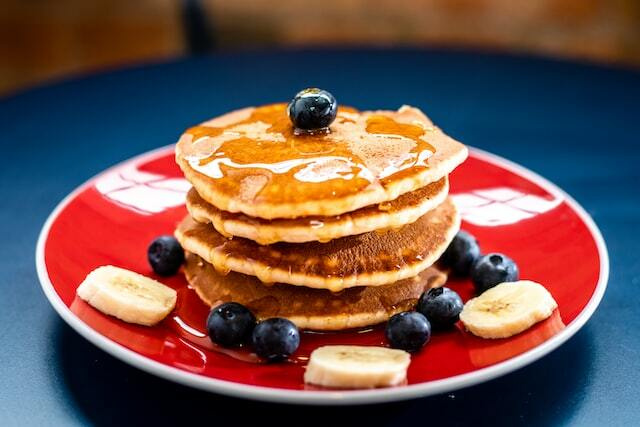
Classic pancakes represent the quintessential comfort food, evoking weekend mornings filled with the aroma of butter and vanilla wafting through the kitchen. This timeless recipe yields light, fluffy stacks that rise perfectly golden with crisp edges and tender centers, requiring just seven pantry staples and twenty minutes from start to finish. Perfect for beginners or seasoned cooks, the method emphasizes gentle mixing to preserve air pockets created by baking powder, ensuring each bite melts in the mouth without gummy textures.
Originating from simple batter traditions dating back centuries, these pancakes adapt effortlessly to modern preferences, whether topped with fresh berries or drowned in maple syrup. Unlike boxed mixes laden with preservatives, homemade versions control quality, allowing tweaks for dietary needs like gluten-free flour or plant-based milks. Families worldwide cherish this ritual, fostering bonding over shared plates straight from the griddle.
Success hinges on precise ratios and technique: overmixing develops excess gluten for toughness, while resting batter activates leaveners for optimal lift. Medium heat prevents burning, and a hot surface sears exteriors while steaming interiors. This guide demystifies the process, delivering restaurant-quality results at home every time.
Gathering Ingredients for Authentic Flavor
The foundation lies in high-quality components measured accurately for consistency. All-purpose flour provides structure through gluten formation, while baking powder supplies the chemical lift via carbon dioxide release. Granulated sugar adds subtle sweetness and aids browning via Maillard reaction, complementing natural dairy notes.
Whole milk contributes moisture and tenderness, its proteins enhancing richness. A single large egg binds and aerates, with melted unsalted butter imparting buttery depth without greasiness. Salt balances flavors, elevating the ensemble beyond blandness.
Exact quantities ensure reliability: deviations alter texture dramatically. Room-temperature items integrate smoothly, preventing lumps.
Complete Ingredients List with Precise Measurements
- 1 ½ cups all-purpose flour: Sifted for lightness, this staple forms the batter’s backbone, trapping gases for fluffiness. Bleached varieties yield softer results; unbleached adds chew. Spoon into cup loosely to avoid packing density.
- 3 ½ teaspoons baking powder: Double-acting type reacts twice—once with liquid, again with heat—for superior rise. Freshness test: mix teaspoon with hot water; vigorous bubbling confirms potency. Expiration dates mislead; replace annually.
- 1 tablespoon white granulated sugar: Caramelizes edges golden, masking any floury aftertaste. Alternatives like brown sugar deepen flavor via molasses notes. Dissolves fully in wet mix for even distribution.
- ¼ teaspoon salt: Amplifies tastebuds, contrasting sweetness without overpowering. Kosher salt measures larger by volume; adjust to fine sea salt equivalently. Omission flattens profile dramatically.
- 1 ¼ cups milk: Whole fat tenderizes via emulsification; skim works but yields drier cakes. Warm slightly to activate leaveners faster. Buttermilk substitute: add 1 tablespoon vinegar per cup, rest five minutes.
- 1 large egg: Room temperature whips airier, binding fats and liquids. Pasture-raised offer richer yolks for color and taste. Vegan swap: 1 tablespoon ground flaxseed plus 3 tablespoons water, gelled five minutes.
- 3 tablespoons unsalted butter, melted: Coats flour proteins, inhibiting tough gluten for melt-in-mouth texture. Clarified ghee withstands higher heat without burning. Coconut oil mimics for dairy-free.
These elements synergize: acids in milk react with baking powder’s bicarbonate, foaming batter gently. Total yield: eight four-inch pancakes serving four generously.
Essential Tools for Effortless Preparation
A well-seasoned cast-iron griddle or nonstick skillet distributes heat evenly, preventing hot spots. Silicone spatula flips delicately, preserving height. Measuring cups and spoons ensure precision; digital scale elevates accuracy for pros.
Large mixing bowl accommodates sifting; whisk aerates dry goods. Ladle or ¼-cup measure portions uniformly. Wire rack cools stacks, avoiding sogginess.
Optional: pastry brush oils surface lightly; squeeze bottle dispenses batter artistically.
Detailed Step-by-Step Cooking Instructions
Preparation unfolds in phases: dry sifting, wet blending, gentle incorporation, and vigilant cooking. Mise en place streamlines, minimizing errors under heat’s pressure.
- Sift dry ingredients: In a large bowl, whisk flour, baking powder, sugar, and salt thoroughly. Sifting aerates, removing lumps for smoothness. This step distributes leaveners evenly, preventing bitter pockets.
- Combine wet components: In a separate vessel, beat egg, then stir in milk and melted butter until homogenous. Bubbles indicate overbeating; stop at blended. Warm milk accelerates reactions subtly.
- Form batter gently: Pour wet into dry center well; fold with spatula using figure-eights. Stop at shaggy with pea-sized lumps—overmixing deflates. Rest ten minutes; gluten relaxes, leaveners activate.
- Preheat cooking surface: Heat griddle over medium, 350-375°F; test with water droplet—dancing confirms readiness. Brush lightly with oil or butter; excess smokes.
- Scoop and cook first side: Drop ¼-cup batter, spreading minimally. Bubbles emerge topside in 2-3 minutes; edges matte signal flip time. Diameter: 4 inches ideal.
- Flip delicately: Invert with thin spatula midway; second side browns faster, 1-2 minutes. Peek underside golden. Stack on towel-lined plate.
- Repeat batches: Regrease between; keep warm tented foil in 200°F oven. Total: 15 minutes cooking.
- Serve immediately: Pile high, toppings at table for crispness.
Visual cues trump timers: bubble burst reveals holes, dry rims set structure.
Pro Timing and Temperature Mastery
Medium heat sustains 90-second sides; high scorches exteriors raw inside. Electric griddles maintain steady 375°F. Batter thickens resting; thin with milk teaspoonwise if needed.
The Science Ensuring Fluffiness Every Time
Baking powder’s magic: sodium bicarbonate plus acid salts release CO2 in moisture and heat. Initial fizz upon mixing creates bubbles; thermal activation doubles lift at 170°F. Buttermilk proxy—vinegar-acidified milk—tenderizes via casein coagulation, limiting gluten strands.
Egg proteins set structure like meringue, trapping steam. Butter emulsifies, shortening strands for tenderness. Minimal mixing preserves air, avoiding elastic dough.
Maillard browning: sugars-amino acids react 310°F+, yielding nutty crust. Resting hydrates starches, swelling for loftier rise.
Troubleshooting: Solutions for Common Pitfalls
- Flat pancakes: Stale baking powder culprit; test reactivity. Overmixing pops bubbles prematurely. Solution: fresh leavener, fold twenty strokes max.
- Dense interiors: Cold milk slows activation; warm gently. Insufficient rest skips hydration. Counter: ten-minute bench time post-mix.
- Sticky flipping: Undercooked first side; wait full bubble set. Inadequate grease buildup. Fix: extend 30 seconds, re-oil spatula.
- Burnt outsides, raw centers: Heat too high; dial medium-low. Thin batter spreads fast. Adjust: lower flame, thicker scoop.
- Lumpy batter: Uneven dry whisking. Clumpy flour absorbs poorly. Remedy: triple-sift, whisk vigorously pre-wet add.
- Tough texture: Excess gluten from overworking. Low-fat milk toughens. Mitigate: lumpy embrace, full-fat dairy.
- Pale color: Weak Maillard from low sugar/salt. Cold pan. Boost: pinch extra sugar, preheat five minutes.
- Uneven sizes: Inconsistent portioning. Wobbly scoop. Standardize: level ¼-cup measure always.
These fixes transform mishaps into mastery.
Nutritional Profile and Serving Suggestions
Per pancake: 158 calories, 6g fat, 22g carbs, 5g protein. Calcium-rich from milk aids bones; iron from flour supports energy. Moderate sodium suits most diets.
Top with maple syrup, berries, whipped cream, nuts, or chocolate chips. Savory twist: bacon bits, scallions. Pair fruit smoothies, bacon, eggs for balanced brunch.
Storage, Freezing, and Reheating Perfection
Cool completely; stack parchment-separated in airtight container, fridge three days. Freeze flats up to three months. Reheat toaster or 350°F oven five minutes—microwave soggies.
Batter fridge two days max; stir before use.
Historical Context and Chef-Endorsed Variations
Pancakes trace to 30,000-year-old stone-age griddles, evolving through Greek tegganites around 500 BCE—honey-sesame fritters. Medieval Shrove Tuesday flipped excesses pre-Lent. American colonists adopted “hoe cakes” from Native influences.
Chefs advocate: rest batter, whipped whites for extra fluff. Variations: blueberry fold-ins, vegan aquafaba-egg swap, whole wheat half-flour.
Conclusion
Mastering classic fluffy pancakes unlocks breakfast bliss through precise ingredients, gentle technique, and scientific savvy. From sifting drys to flipping at bubble peak, each step builds towering, tender stacks. Troubleshooting empowers perfection, while nutrition and variations suit all. This homemade hero, steeped in millennia-old tradition, delivers joy plateful by plateful.
