The first season of the HBO Original drama A Knight of the Seven Kingdoms concluded its six-episode inaugural run on February 22, 2026, marking a critical transition for the Game of Thrones franchise into a more intimate, character-driven narrative structure. Following the airing of the season finale, titled The Morrow, network officials and production representatives confirmed that filming for the second season is already underway at Titanic Studios in Belfast. The series, which adapts George R.R. Martin’s novellas focusing on the hedge knight Ser Duncan the Tall and his squire Egg, has maintained a high level of critical acclaim, with early viewership data indicating a successful expansion of the A Song of Ice and Fire universe into smaller-scale storytelling.
The season finale followed the immediate and somber aftermath of the Trial of Seven, a pivotal event that resulted in the death of Prince Baelor Targaryen. Peter Claffey, who portrays the protagonist Ser Duncan, delivered a performance that has been widely cited as the emotional anchor of the season. Showrunner Ira Parker, in an interview conducted shortly after the finale’s debut, stated that the intention was always to ground the series in the personal journey of its leads rather than the high-stakes political maneuvering typical of previous entries in the franchise. Parker emphasized that the collaboration with Martin has been foundational to maintaining the specific tone of the source material, which blends humor with the harsh realities of medieval life.
Production for the first season relied heavily on the established infrastructure in Northern Ireland, utilizing varied landscapes from the Mourne Mountains to the rural estates of County Antrim. According to production logs, the Ashford Meadow tournament grounds were a massive physical set constructed over several months to ensure historical and visual accuracy. For the upcoming second season, which will adapt the 2003 novella The Sworn Sword, the production team faces new logistical challenges. The story takes place during a period of extreme drought in the Reach, requiring a significant shift in visual aesthetics and potentially a heavier reliance on controlled environmental sets and color grading to depart from the lush, green Irish countryside seen in the first season.
The casting for the second season has already begun to take shape, with HBO confirming that Lucy Boynton has joined the ensemble as Lady Rohanne Webber, also known as the Red Widow. Boynton’s character is a central figure in the next chapter of the saga, acting as the primary antagonist and occasional ally to the wandering knight and his royal squire. Returning alongside Claffey is Dexter Sol Ansell as Prince Aegon Targaryen, whose growth over the first six episodes has been praised by critics as a highlights of the series. The chemistry between the two leads is considered the primary driver of the show’s success, particularly as the narrative moves into more isolated and rural settings away from the Targaryen court.
Industry analysts have noted that the A Knight of the Seven Kingdoms release strategy was carefully managed to avoid major cultural conflicts. HBO Max notably moved the release of the fourth episode, titled Seven, to a Friday in early February to prevent a direct clash with the 2026 Super Bowl. This maneuver successfully preserved the series’ momentum, with the fifth episode seeing a significant uptick in live viewership, reaching approximately 592,000 viewers. While these figures are lower than the massive totals seen by House of the Dragon, they represent a strong performance for a series with a more focused scope and a lower production budget per episode.
George R.R. Martin’s involvement in the production has remained a point of significant interest for the fanbase. While not credited as a writer for individual episodes, Martin reportedly reviewed all first drafts and provided extensive notes to ensure the adaptation remained faithful to his vision. In January 2026, it was revealed that Martin had provided showrunner Ira Parker with outlines for twelve as-yet-unpublished Dunk and Egg stories. This long-term roadmap suggests that HBO intends to sustain the series for multiple years, potentially following the characters through the entirety of their lives and culminating in the tragic events at Summerhall.
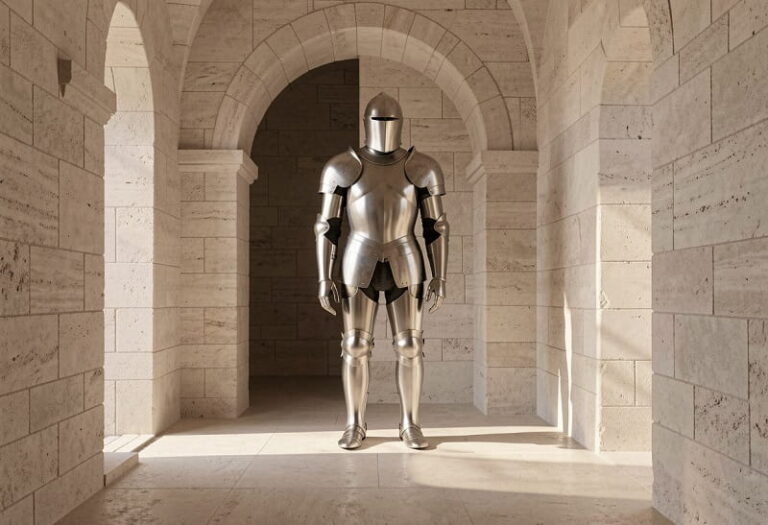
The technical execution of the first season was led by directors Owen Harris and Sarah Adina Smith, who alternated duties across the six-episode arc. Harris, known for his work on Black Mirror, established the visual language of the show in the pilot episode, The Hedge Knight. The series has been lauded for its “lived-in” feel, with costuming and set design that emphasize the poverty and grit of the common folk in Westeros. This aesthetic choice distinguishes the show from the more opulent presentations of the Red Keep and Dragonstone seen in the main series, aligning it more closely with the perspective of a lowborn knight who owns little more than his armor and horses.
In terms of narrative structure, the first season utilized an inverted pyramid approach, starting with a simple encounter at a roadside inn and building toward the explosive trial that claimed the life of the heir to the Iron Throne. This progression allowed for the gradual introduction of the Targaryen family’s complex dynamics during the reign of King Daeron II. The death of Baelor Breakspear, portrayed by Bertie Carvel, serves as a thematic turning point, signaling the end of an era of perceived stability and the beginning of the internal tensions that would eventually lead to the Blackfyre Rebellions, which are expected to be explored in future seasons.
The second season’s plot will focus on a localized conflict over water rights between House Osgrey and House Webber. This shift from the pageantry of a royal tournament to a rural feud highlights the show’s commitment to exploring the “smallfolk” perspective. Showrunner Ira Parker confirmed that the scope of the second season might feel even smaller than the first, with the tension derived from dialogue and character motivations rather than large-scale battles. This approach has been well-received by fans of the novellas, who have long argued that the strength of the Tales of Dunk and Egg lies in their simplicity and moral clarity.
The economic impact of the series on Northern Ireland continues to be significant. Tourism boards in the region have reported increased foot traffic at filming locations such as Tollymore Forest and Castle Ward, which have been repurposed from their original appearances in Game of Thrones. The production has provided steady employment for hundreds of local crew members and extras, reinforcing Belfast’s status as a premier hub for high-end television production. The Northern Ireland Screen agency has supported the project through various incentives, citing the long-term benefits of hosting a multi-season franchise within the country.
Critics have highlighted the show’s willingness to engage with the theme of legitimacy, both in a physical and moral sense. Dunk’s constant anxiety over whether he was actually knighted by Ser Arlan of Pennytree provides a layer of psychological depth that is absent from more traditional fantasy heroes. This theme was addressed directly in the finale during a conversation between Dunk and Prince Maekar Targaryen. According to Parker, the show aims to ask what it truly means to be a knight in a world where the title is often held by men who lack honor. This exploration of chivalry remains central to the series’ identity as it moves forward into season 2.
The musical score, composed by Ramin Djawadi, has also evolved to fit the series’ more intimate tone. While retaining the iconic themes of the franchise, Djawadi introduced more folk-inspired instruments and melodies that reflect the wandering nature of the protagonists. The use of lutes and acoustic strings provides a stark contrast to the heavy brass and percussion used in the more epic scores of the main series. This auditory shift further cements A Knight of the Seven Kingdoms as a distinct entity within the broader Westeros tapestry, focusing on the roadside rather than the throne room.
Looking toward the future, the production of the third season is already in the early planning stages, with expectations that it will adapt the third novella, The Mystery Knight. This would involve a return to a more populated setting, focusing on a wedding tournament at Whitewalls that serves as a cover for a Blackfyre conspiracy. By maintaining a consistent production cycle, HBO aims to release new seasons of the show annually or biennially, alternating with larger productions like House of the Dragon. This strategy is intended to keep the Game of Thrones brand active in the public consciousness year-round through a variety of storytelling formats.
The social media response to the first season has been overwhelmingly positive, with fans frequently citing the “buddy comedy” aspect of Dunk and Egg’s relationship. Short clips of the duo’s interactions have gone viral on digital platforms, helping to attract a younger demographic that may not have been as invested in the dense political lore of the original series. The accessibility of the story, which does not require extensive knowledge of the previous shows to enjoy, has been a key factor in its broad appeal. This has led to a surge in sales for the collected novellas, indicating a renewed interest in Martin’s written work alongside the television adaptation.
The cast for the second season includes several new additions who will represent the various knights and lords of the Reach. Paul Chahidi, Steven Hartley, and Craig Parkinson have been cast in currently undisclosed roles, though speculators suggest they will portray members of the Osgrey and Webber households. The introduction of these characters will expand the world-building of the series, showing how the decisions made by the central Targaryen government in King’s Landing affect the lives of those in the distant provinces. The contrast between the high ideals of the capital and the gritty reality of the countryside is a recurring motif in Martin’s work that the show intends to emphasize.
Director Sarah Adina Smith, who handled the complex trial sequences in the first season, has been praised for her ability to maintain clarity during chaotic action scenes. The Trial of Seven was a particularly difficult sequence to film, involving fourteen mounted combatants and a large crowd of extras. The success of these scenes has set a high bar for the action choreography in future seasons. While The Sworn Sword is expected to have less frequent combat, the eventual trial by combat at the end of the story will require the same level of meticulous planning and execution to maintain the show’s standard of realism.
In addition to the television series, the franchise is expanding into other mediums. George R.R. Martin recently announced a stage play titled The Mad King, which will focus on the Tourney at Harrenhal. This play, set to open at the Royal Shakespeare Theatre in the summer of 2026, further illustrates the depth of the history Martin has created for his world. The interconnected nature of these projects allows fans to experience different eras of Westeros history simultaneously, with A Knight of the Seven Kingdoms serving as a crucial bridge between the era of dragons and the eventual rebellion that ended the Targaryen dynasty.
The scripts for the second season are being written by a team that includes Ira Parker, Ti Mikkel, and Annie Julia Wyman. Mikkel, who has worked closely with Martin on previous projects, is credited with ensuring that the deeper lore of the series remains consistent. The writers have noted that because The Sworn Sword is a shorter novella, they have more room to expand on the backgrounds of the secondary characters and the history of the Reach. This expanded focus will provide more context for the regional tensions that define the era, particularly the lingering loyalties to the Blackfyre cause among certain noble houses.
Technical innovations in the second season include the use of advanced virtual production tools to simulate the drought-stricken landscapes of the Reach. While the production remains committed to location filming, certain vistas may be enhanced to create the scorched-earth look required by the narrative. This blend of practical and digital effects has become a staple of modern high-budget television, allowing for greater creative control over the environment. The production team has also focused on upgrading the prosthetic work for characters who have suffered injuries during the Blackfyre Rebellions, adding to the show’s sense of history and physical weight.
The performance of Dexter Sol Ansell as Egg has been a standout feature of the first season. As a child actor playing a prince in disguise, Ansell had to balance the character’s royal upbringing with his current role as a lowly squire. His ability to deliver witty dialogue and emotional depth has made Egg one of the most beloved characters in the franchise. Showrunner Ira Parker noted that the character’s growth will be a major focus of season 2, as Egg begins to realize the responsibilities that come with his royal lineage and the impact that his family’s rule has on the common people of the Seven Kingdoms.
As the series moves forward, the relationship between Dunk and Egg will face new tests. The second novella features moments of significant tension between the two as they disagree on the best course of action during the water dispute. This conflict is expected to be a central theme of the next season, exploring how their bond survives the realities of a world that does not always reward honor. The writers have emphasized that while the show is often more lighthearted than its predecessors, it does not shy away from the difficult moral choices that define the characters’ lives.
The final scene of the first season finale, which saw Prince Maekar searching for his missing son as Dunk and Egg departed for the Reach, served as a “stinger” that set the stage for the next chapter. This moment, which was not in the original book, was added to provide a sense of continuity and urgency to the duo’s departure. It also reinforced the idea that despite their attempts to live a simple life on the road, the political world of the Targaryens is never far behind. This balance of personal adventure and royal intrigue will continue to define the series as it progresses through the planned seasons.
HBO’s commitment to the Dunk and Egg series reflects a broader trend in the television industry toward more focused, limited-run series that prioritize quality over quantity. By producing six-episode seasons, the network can maintain a high production value while ensuring that each episode is essential to the overall narrative. This format has proven successful for other recent prestige dramas and appears to be the ideal fit for Martin’s novellas. The success of A Knight of the Seven Kingdoms has set a precedent for how to adapt smaller-scale fantasy stories without losing the epic feel that fans of the genre expect.
The production cycle for the second season is expected to take approximately one year, with a tentative premiere date set for early 2027. This timeline allows for the extensive post-production work required for a series of this caliber while keeping the brand active in the minds of the audience. As the cast and crew continue their work in Belfast, the anticipation for the next chapter of Dunk and Egg’s story continues to grow. The legacy of the first season has established a strong foundation for what is arguably the most grounded and human entry in the Game of Thrones saga to date.
Conclusion on the Strategic Direction of A Knight of the Seven Kingdoms
In conclusion, the first season of A Knight of the Seven Kingdoms has successfully established itself as a cornerstone of the Game of Thrones franchise by offering a more intimate and character-focused perspective on the world of Westeros. Through the strong performances of Peter Claffey and Dexter Sol Ansell, and the meticulous direction of Owen Harris and Sarah Adina Smith, the series has managed to capture the unique blend of humor and grit that defines George R.R. Martin’s novellas. The immediate commencement of production for the second season in Northern Ireland, coupled with the inclusion of new high-profile cast members like Lucy Boynton, indicates a long-term commitment from HBO to see this story through to its conclusion. By focusing on smaller, localized conflicts like the drought in the Reach, the series provides a necessary contrast to the global-scale wars of its predecessors, proving that the strength of the franchise lies as much in its characters’ personal growth as it does in its epic battles. As the production moves forward into 2027, the groundwork laid in the first six episodes suggests a bright future for the wandering knight and his royal squire, as they continue to navigate a realm that is both beautiful and brutal. The saga of Dunk and Egg remains a vital and evolving part of the modern television landscape, promising to bring even more of Martin’s rich history to life in the years to come.