

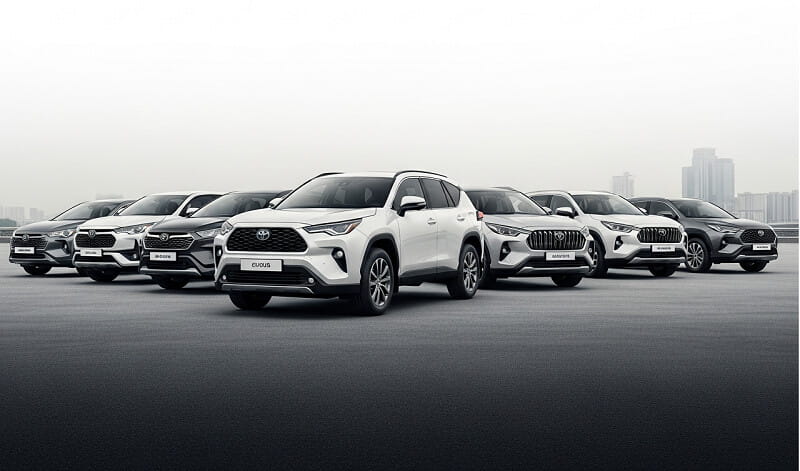
The 2026 Toyota SUV lineup delivers one of the broadest arrays of sport-utility vehicles on the market today, spanning practical compact crossovers to rugged full-size off-roaders and family-friendly three-row options. With Toyota increasingly shifting toward hybrid powertrains and blending fuel efficiency with modern tech, buyers can find a Toyota SUV for most lifestyle needs — whether that’s maximizing economy, hauling capability, towing strength, or off-road capability.
Overview of Toyota’s SUV Family
Toyota’s SUV range for the 2026 model year includes vehicles that differ significantly in size, performance, and intended use. These SUVs can be grouped into a few broad categories based on their size and capabilities:
- Subcompact/Compact SUVs – Designed for daily commuting and urban driving with good efficiency and easy maneuverability.
- Midsize SUVs – Offer more interior space, advanced safety tech, and versatile performance for families or outdoor use.
- Large and Full-Size SUVs – Built for maximum passenger/cargo space, towing capacity, and advanced off-road capability.
Toyota also now includes hybrid and plug-in hybrid (PHEV) variants across more of these models, reflecting a broader trend toward fuel efficiency without sacrificing capability.
Core Toyota SUV Models by Category
- Corolla Cross & Corolla Cross Hybrid – Subcompact yet versatile with excellent fuel economy.
- RAV4 & RAV4 PHEV – Toyota’s best-selling SUV with hybrid as the standard powertrain for 2026.
- bZ (formerly bZ4X) – Toyota’s compact electric SUV option with a competitive EPA range.
- Highlander & Grand Highlander – Midsize three-row SUVs suited for families seeking space and comfort.
- 4Runner – Classic body-on-frame SUV geared for off-road enthusiasts.
- Land Cruiser – Full-size capability with hybrid powertrain and rugged performance features.
- Sequoia – Premium three-row SUV with exceptional towing and cargo capacity.
- Crown Signia – A hybrid SUV that blends crossover versatility with distinct styling.
2026 Toyota SUV Prices and Powertrains
The 2026 lineup shows updated pricing structures that reflect Toyota’s continued emphasis on hybrid powertrains as well as integration of advanced tech and safety features across trim levels.
Subcompact and Compact Models
- Corolla Cross: Starting around $24,935 MSRP, it blends simplicity with Toyota reliability and estimated 31/33 mpg city/highway. The Corolla Cross Hybrid variant pushes efficiency significantly, with an EPA-estimated ~46/39 mpg rating.
- RAV4: Estimated starting prices around $31,900–$33,000 — now exclusively offered with a hybrid powertrain. EPA-estimated ratings of up to about 47/40 mpg for many trims remain highly competitive in the small SUV segment.
- RAV4 PHEV: A plug-in hybrid variant with an estimated 38 mpg combined and up to 94 MPGe in electric-assisted driving mode, giving buyers a strong balance of efficiency and capability.
- bZ (Electric SUV): Starts near $34,900 with an estimated EPA range of up to ~314 miles — Toyota’s fully electric SUV offering.
Midsize SUV Pricing and Features
- Highlander: The three-row Highlander starts in the mid-$40,000s. With a standard turbocharged 2.4-liter engine or an available hybrid option, it typically returns EPA-estimated ratings in the 21–28 mpg or mid-30 mpg range for hybrid versions.
- Grand Highlander: A larger alternative to the Highlander, offering extra space and a starting MSRP near the low $40,000s. Hybrid versions can return EPA-estimated ~36 mpg combined.
- Crown Signia: Positioned uniquely in the Crown lineup, delivering a refined blend of hybrid efficiency (~38 mpg combined) and crossover comfort.
Large SUV and Off-Road Capability Pricing
- 4Runner: Starting around $42,000, the iconic 4Runner remains focused on capability. With an estimated EPA rating near 20/26 mpg, its strength lies in off-road ruggedness rather than fuel economy.
- Land Cruiser: This full-size SUV with i-Force Max hybrid power blends strong torque (~326 hp) with traditional Toyota durability. EPA combined ratings hover in the low-20 mpg range, but features like Multi-Terrain Select and Crawl Control enhance off-road capability.
- Sequoia: At the top of Toyota’s SUV offerings, Sequoia starts in the mid-$60,000s with potent hybrid power (e.g., ~437 hp) and maximum towing capacities exceeding many rivals.
Fuel Economy Insights Across the Lineup
Toyota’s recent model updates place significant emphasis on efficiency — especially with the shift to hybrid powertrains for key models like RAV4. Across the lineup:
- Corolla Cross Hybrid returns some of the best fuel economy numbers, making it ideal for budget-minded drivers.
- RAV4 Hybrid leads the compact SUV class with EPA-estimated city/highway figures that often compete with or exceed many rival brands.
- Midsize and Large SUVs such as Highlander and Grand Highlander hybrids bridge the gap between family-friendly space and improved fuel efficiency compared to older generations.
- Large off-road-oriented models like 4Runner and Land Cruiser naturally have lower EPA ratings, reflecting their heavier build and off-road capabilities, though hybrid elements help mitigate excessive fuel use.
Key Features and Technology Highlights in 2026 Models
Toyota continues to integrate modern tech and safety systems as standard equipment on most SUVs, keeping the brand competitive and ensuring value across trim levels.
- Toyota Safety Sense 4.0 — Standard advanced safety suite with features like adaptive cruise control, lane-keeping assist, and automatic emergency braking on most SUVs.
- Infotainment — Large touchscreens with wireless Apple CarPlay and Android Auto compatibility, and optional premium audio systems on higher trims.
- Driver Assistance — Features like front and rear parking assist, blind-spot monitoring, and optional surround-view cameras make city driving and parking easier.
- Performance Options — Hybrid and plug-in hybrid powertrains, along with available all-wheel drive, offer both efficiency and improved traction across varying road conditions.
- Cargo Flexibility — Family-oriented SUVs like Highlander and Grand Highlander provide flexible seating configurations and cargo space, significantly enhancing day-to-day utility.
Buyer Guidance: Choosing the Right Toyota SUV
Selecting the right SUV depends on your priorities. Here’s how Toyota’s 2026 lineup tends to align with common buyer needs:
- Best for Fuel Efficiency – Corolla Cross Hybrid and RAV4 Hybrid both deliver strong EPA fuel economy and lower daily operating costs.
- Best for Families – Grand Highlander and Highlander offer three rows and comfortable interiors with safety features geared toward family use.
- Best for Off-Road and Rugged Use – 4Runner and Land Cruiser remain popular choices for those who prioritize terrain capability over ultimate fuel economy.
- Best for Technological Features – Newer trims of RAV4 and Crown Signia tend to incorporate advanced infotainment, large displays, and connectivity features.
- Best for Towing and Heavy-Duty Use – Sequoia’s powerful hybrid engine and high towing capacity make it ideal for hauling trailers or boats.
Conclusion
The 2026 Toyota SUV lineup continues the brand’s tradition of offering reliable, versatile SUVs across a wide range of sizes and uses. With a greater focus on hybrid powertrains and modern tech, these vehicles balance efficiency and capability more effectively than ever before. From the fuel-efficient Corolla Cross Hybrid and hybrid-standard RAV4 to the rugged 4Runner and commanding Sequoia, Toyota provides options for urban commuters, families, outdoor enthusiasts, and power users alike. Toyota’s advanced safety systems, updated infotainment interfaces, and comprehensive feature packages ensure that buyers can find a model that meets their needs without compromising on comfort or technology.

Loading comments…